
You can remove the lingering room smells after painting by using high-volume fans to circulate fresh air through the space for at least 48 hours. This process, known as ventilation, is the most effective way to clear the volatile organic compounds (VOCs) that cause that sharp, chemical scent. If the odor persists, you may need to introduce absorbent materials like bowls of white vinegar or activated charcoal to neutralize the remaining airborne particles.
Why your room smells after painting
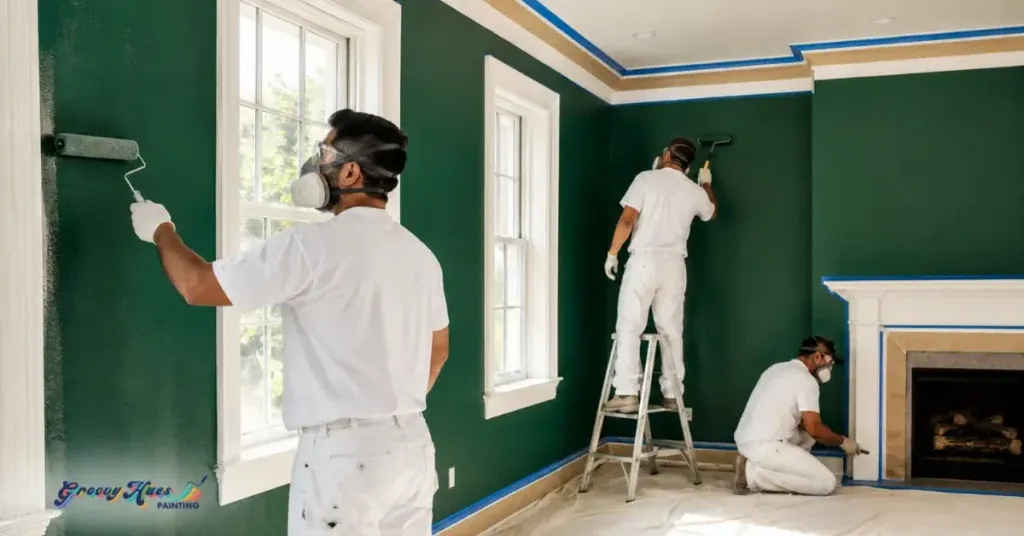
The primary reason for the smell is the evaporation of solvents and additives as the paint dries. As the liquid carrier evaporates, it releases compounds into the air that your nose detects as a pungent chemical odor. This is a normal part of the curing process for both oil-based and water-based paints.
Another factor is the airflow within the room. Paint requires consistent air movement to cure properly; if a room is sealed shut, the chemicals have nowhere to go and will settle into fabrics, carpets, and drywall. Humidity also plays a significant role in how long these smells remain. High moisture levels in the air slow down the evaporation of solvents, which keeps the odor trapped in the room for a longer duration.
Finally, the type of paint used matters. Paints with high levels of VOCs produce a stronger smell than low-VOC or zero-VOC alternatives. According to the United States Environmental Protection Agency, these compounds are gases emitted from certain solids or liquids and can persist until the paint has completely cured, which can take several weeks depending on the temperature and air quality.
Use ventilation to clear the air
The fastest way to clear the air is to create a cross-breeze. Open windows on opposite sides of the room and place a box fan in one window blowing outward to pull stale air out, while keeping another window open to pull fresh air in. If you have a central HVAC system, run the fan continuously to help filter the air through your vents.
If you’re painting in a basement or a room without windows, use a portable industrial air mover to force air into the space. This is for people who need the room ready quickly, such as in a small apartment.
Keep the door open and place the fan just inside the doorway to push air out into a larger hallway. You’ll know it’s working when the sharp, stinging sensation in your nose begins to fade after a few hours of steady airflow.
Place odor-absorbing materials
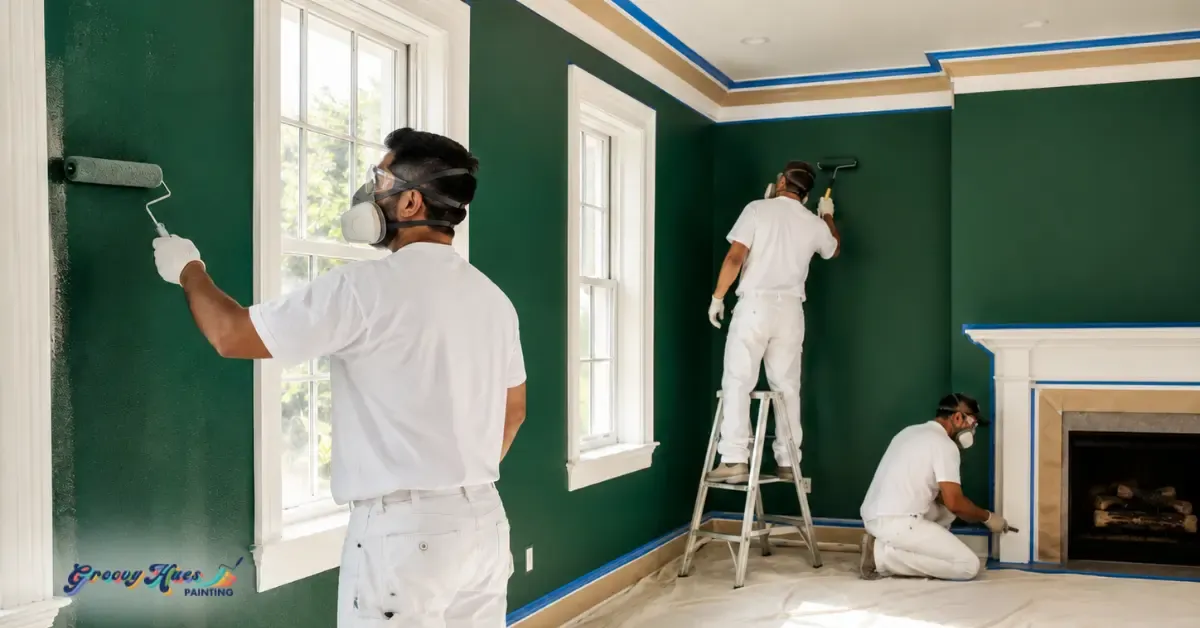
If ventilation isn’t enough, place small containers of white vinegar or activated charcoal around the room. These materials work by trapping odor molecules as they pass through the air. Place one bowl per 100 square feet of floor space. Refresh the vinegar every 12 hours, as it will lose its effectiveness once it becomes saturated with the paint chemicals.
This method is ideal for those who can’t keep windows open due to weather or security reasons. It isn’t a substitute for proper ventilation but acts as a secondary layer of protection.
Don’t use scented candles or heavy incense to mask the smell, as these only add more chemicals to the air and can create a nauseating mix of odors. If you’re sensitive to chemicals, ensure you leave the room while the paint is still wet to avoid breathing in the concentrated fumes during the first few hours of drying.
Use heat to speed curing
Increasing the temperature of the room can significantly speed up the curing process. Paint cures faster in warm, dry conditions because the solvents evaporate more quickly. Use a small electric space heater to raise the room temperature to about 75°F. This is only for people who can safely monitor the heater, as it poses a fire risk if left near paint cans or flammable materials.
If you don’t have a heater, simply move the furniture away from the walls to allow air to flow behind it. Never leave the heater unattended and ensure the room isn’t so hot that it causes the paint to crack or bubble.
If the room is already over 80°F, you don’t need a heater; the natural warmth will be sufficient. If you’re unsure about the safety of using a heater in your specific space, check your local fire safety guidelines before plugging it in.
Common mistakes that trap odors
Closing the door immediately after painting traps VOCs inside the room. Keep the door wide open and place a box fan in the window facing outward to pull fumes away from the living space. Aim for at least 24 hours of active ventilation before sleeping in the room.
Scented air fresheners only mask odors. They don’t remove chemical particles, which can trigger respiratory irritation. If the smell persists after two days of ventilation, the paint is still in its curing phase and requires continued airflow.
Painting in humidity above 50% prevents paint from drying correctly. If the air feels heavy, run a dehumidifier to ensure the film hardens properly.
Finally, never leave wet rags or brushes in the room. These materials continue to off-gas concentrated fumes long after the walls have dried.
Preventing future paint smells
The best way to avoid these issues is to plan your painting project during a time of year when you can keep windows open. If you must paint in winter, use low-VOC paint and a dehumidifier to keep the air dry.
| If you’re doing this | Do this instead | Why |
|---|---|---|
| Closing all doors | Open windows/use fans | Airflow pulls out VOCs |
| Adding heavy scents | Use activated charcoal | Charcoal traps chemicals |
| Painting in humidity | Use a dehumidifier | Dry air speeds curing |
| Leaving rags inside | Seal rags in bags | Rags continue off-gassing |
Related guides
Frequently asked questions
How long does the smell last after painting?
The strong smell typically fades within 24 to 48 hours if you provide constant ventilation. However, the paint can continue to release low levels of VOCs for up to four weeks as it fully cures. The exact time depends on the thickness of the paint application and the airflow in your home.
Is it safe to sleep in a room that still smells like paint?
No, it isn’t recommended to sleep in a room with a strong paint odor because the chemicals can cause headaches, dizziness, or throat irritation. You should wait until the smell is no longer noticeable before sleeping in the room. If you must use the room, keep the windows open and the fans running to maintain fresh air.
Why does the smell come back after a few days?
The smell can return if the paint was applied too thickly or if the humidity levels in the room have increased. When the temperature drops or humidity rises, the paint may release a new wave of trapped solvents. Ensure the room stays dry and well-ventilated to prevent this from happening during the full curing window.
Does a dehumidifier help remove paint odors?
Yes, a dehumidifier helps remove paint odors by lowering the moisture in the air, which speeds up the evaporation of solvents. When the air is dry, the chemicals trapped in the paint film move to the surface faster and leave the room. This is especially useful in basements or during damp seasons when natural drying is slow.
Can I paint over the smell to hide it?
No, you should never paint over a wet or improperly cured layer of paint to hide the smell. Adding more paint only traps the existing chemicals underneath the new layer, which can lead to blistering or peeling later. You must wait for the current layer to finish off-gassing before attempting any further work on the walls.
How many fans do I need for a large room?
For a standard bedroom, two high-velocity fans are usually sufficient to move the air effectively. Place one fan in the window to exhaust air and another in the doorway to pull fresh air into the room. If the space is larger than 200 square feet, add one extra fan for every additional 100 square feet to ensure consistent airflow.
Conclusion
Once the air feels crisp and clean, you’ll finally be ready to decorate your walls with art or settle back into your refreshed space. Don’t rush to move your furniture back until you’re sure the scent has fully faded. It’s worth the wait to enjoy your beautiful, newly finished room in total comfort.