
Bacteria and sweat trapped by hair follicles are the most common reasons why pubic hair smells bad. This is usually a temporary issue that you can manage at home with simple hygiene habits. To confirm the cause, check the area for redness, bumps, or any unusual discharge, which would suggest a medical condition rather than simple body odor.
Why pubic hair smells

When you notice a strong scent in your genital area, it often relates to how moisture and bacteria interact with hair. The table below helps you identify what your specific situation might mean and how to handle it.
| What you notice | What it usually means | What to do first |
|---|---|---|
| Strong sweat odor | Trapped moisture | Wash with mild soap |
| Fishy or sharp smell | Bacterial imbalance | See your doctor |
| Itching and odor | Fungal growth | Keep area dry |
| Thick, white discharge | Yeast infection | See your doctor |
| Sharp ammonia scent | Dehydration | Increase water intake |
| Burning during urination | Urinary tract infection | Test your urine |
Most people mistake a temporary shift in body chemistry for a chronic infection.
Check for systemic symptoms like fever or pelvic pain. If these appear, skip home remedies entirely and seek professional testing. A useful rule is to track the smell against your cycle or diet. If the scent intensifies only after eating specific foods like asparagus or garlic, it’s dietary. If it remains constant regardless of your routine, it’s clinical.
Bacteria and moisture buildup
The primary cause of odor is the accumulation of sweat and bacteria on the hair shafts. The pubic region contains apocrine glands that produce a thicker sweat than the rest of your body. When this sweat sits on the hair, it provides a perfect environment for bacteria to grow and break down proteins. If you’re active during the day, this buildup happens faster; if you have a sedentary job, the odor may be less pronounced.
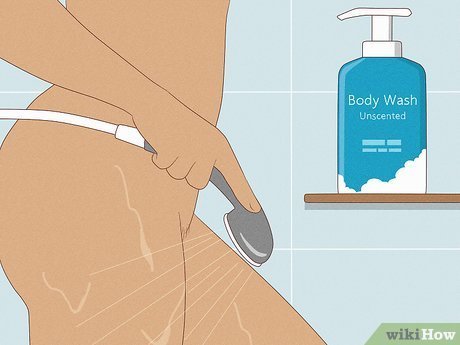
To test if this is the cause, wash the area thoroughly with warm water and a fragrance-free soap, then dry it completely. If the smell disappears after a shower but returns within 12 hours of normal activity, the cause is simply sweat and bacteria.
The fix is to maintain a consistent daily washing routine using a gentle cleanser. According to the Office on Women’s Health, maintaining proper hygiene is essential for preventing the overgrowth of organisms that lead to discomfort and odor. If the smell persists despite daily washing, you should look for other causes.
Bacterial vaginosis or infections
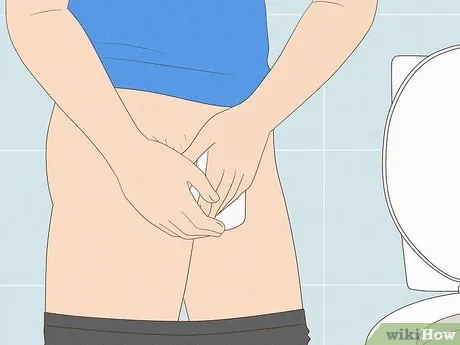
A change in the natural balance of your internal flora often results in a distinct, unpleasant odor that doesn’t go away with washing. This is different from sweat-based odor because it originates from an internal imbalance rather than external moisture. You can tell this apart from simple sweat because the odor is often accompanied by a change in discharge color or texture.
If you suspect an infection, you must avoid scented soaps or douches. These products irritate the delicate mucosal lining and push bacteria further inside, which frequently turns a minor imbalance into a persistent infection.
If the odor is accompanied by sharp pain, persistent itching, or gray-tinted discharge, it isn’t a hygiene problem you can fix alone. You need to visit a healthcare provider for a clinical diagnosis. If you have no other symptoms, try wearing breathable cotton underwear for 48 hours to see if increased airflow reduces the scent.
Many people mistakenly treat these symptoms with over-the-counter yeast infection creams. This is a costly error, as these products don’t treat the underlying bacterial overgrowth and can delay the correct antibiotic treatment by weeks.
Dietary and hormonal influences
Certain foods and hormonal shifts change the chemical composition of your sweat, leading to a different scent. While sweat and bacteria are constant factors, your diet can intensify the natural odor of your body. If you recently increased your intake of sulfur-rich foods like garlic, onions, or asparagus, these compounds are metabolized and released through your pores within hours.
You can distinguish this from an infection because the odor is usually consistent across your body, rather than localized to the pubic area. If the scent is stronger after eating specific foods, cut those items out for three days to see if the odor neutralizes. If the smell persists despite dietary changes, you’re likely dealing with a bacterial imbalance rather than a metabolic one.
Hormonal changes, such as those during a menstrual cycle, also cause temporary shifts in odor due to fluctuating estrogen and progesterone levels. If the odor occurs only during specific times of the month, it’s likely hormonal and doesn’t require medical intervention.
However, if the smell appears only after using a new laundry detergent or body wash, you’re likely having a contact dermatitis reaction. In these cases, the skin’s pH balance is disrupted, which encourages odor-causing bacteria to thrive. Switch back to a fragrance-free product for one week to confirm the source.
When to see a doctor
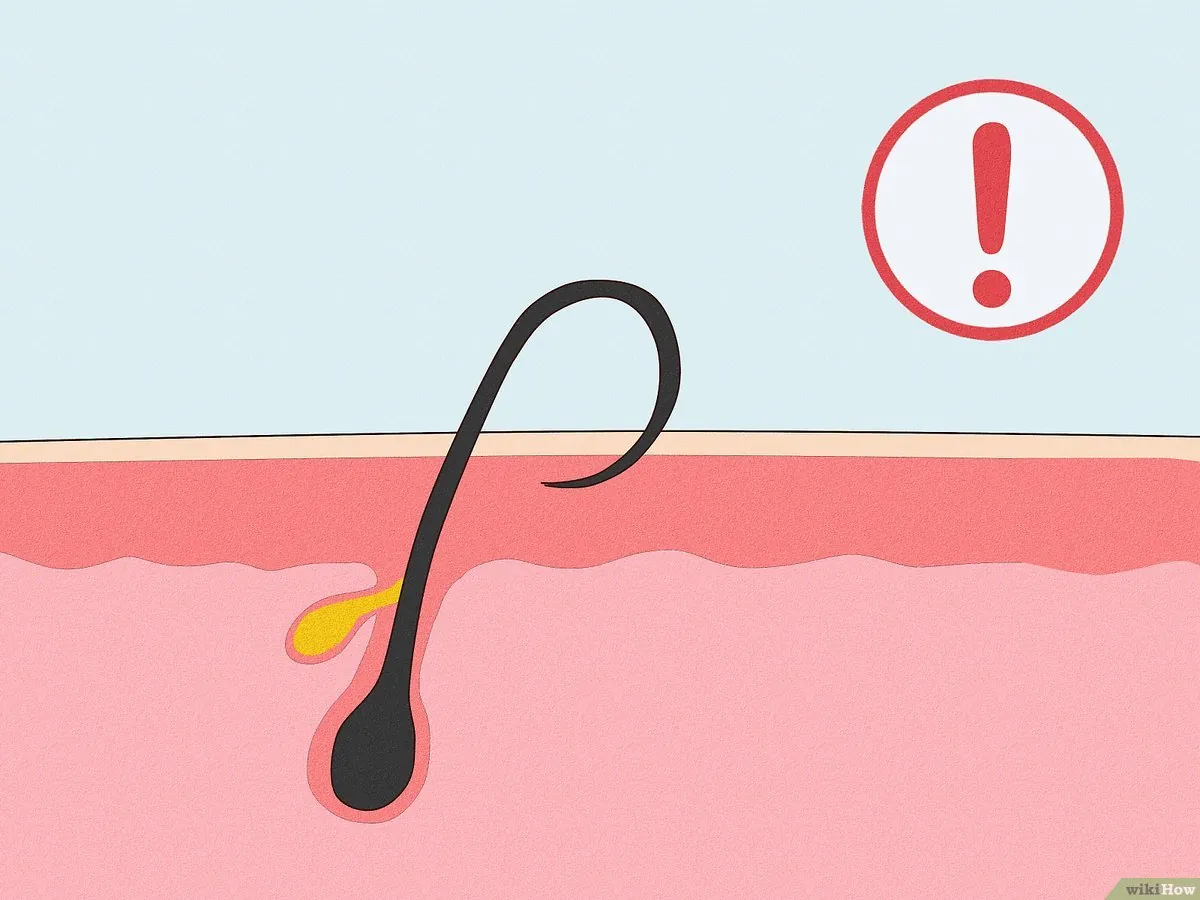
You should stop trying to treat this at home and see a medical professional if you notice the following signs. These symptoms indicate that the odor is a symptom of a larger health issue that requires prescription treatment.
The odor is accompanied by intense itching or burning that doesn’t improve after 24 hours of gentle cleaning. You notice a change in the color or consistency of your vaginal discharge, such as a gray or green tint. You experience pain or discomfort during sexual intercourse or while urinating. The smell is extremely strong and fishy, which often indicates an infection requiring antibiotics.
If you have these symptoms, don’t use over-the-counter creams, as they may mask the problem or cause further irritation. A doctor can perform a simple swab test to identify the specific bacteria or fungus causing the issue.
If you’re pregnant, consult your provider immediately upon noticing any persistent odor. Infections left untreated during pregnancy can lead to complications like preterm labor. If you have recently finished a course of antibiotics for a different condition, the odor may signal a secondary yeast infection. In this case, your doctor will likely prescribe a targeted antifungal rather than more antibiotics.
Related guides
Frequently asked questions
Can my laundry detergent cause odor?
Yes, certain detergents can irritate the skin and cause it to produce more sweat or react, leading to odor. If you recently changed your brand, try switching back to a fragrance-free, hypoallergenic version for one week to see if the smell clears up.
How long does it take for odor to go away?
Most odor caused by sweat and bacteria will improve within 24 to 48 hours of starting a consistent, gentle cleaning routine.
Is it safe to use scented sprays?
No, it isn’t recommended to use scented sprays or perfumes in the pubic area. These products can disrupt your natural pH balance and cause severe irritation, which often makes the underlying odor worse by killing good bacteria.
Why does the smell change during my period?
The smell changes during your period because of the presence of blood and the shift in your natural pH levels. This is a normal biological process, and the scent should return to your baseline level within 24 hours after your period ends.
Does shaving help with the smell?
Shaving may make it easier to keep the area clean, but it doesn’t remove the cause of the odor. If you choose to shave, use a clean, sharp razor to avoid skin micro-cuts that can lead to infections and actually increase bad smells.
How often should I wash to prevent odor?
You should wash the area once per day using warm water and a mild, unscented soap. Washing more than twice a day can strip the skin of its protective oils, which may cause your body to produce more sweat to compensate.
Conclusion
If you’ve tried these adjustments and the scent doesn’t improve, don’t hesitate to reach out to a healthcare provider. They’ll help you rule out underlying infections or imbalances so you can feel comfortable again. It’s a common concern, and getting a professional opinion is the best way to put your mind at ease.