
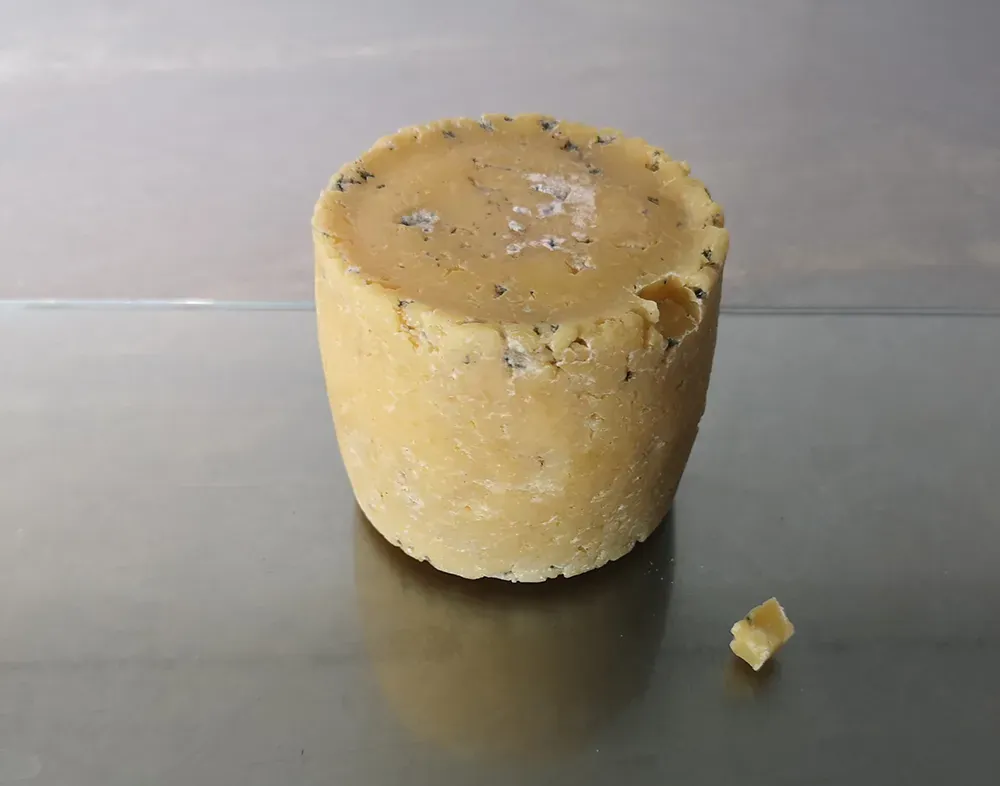
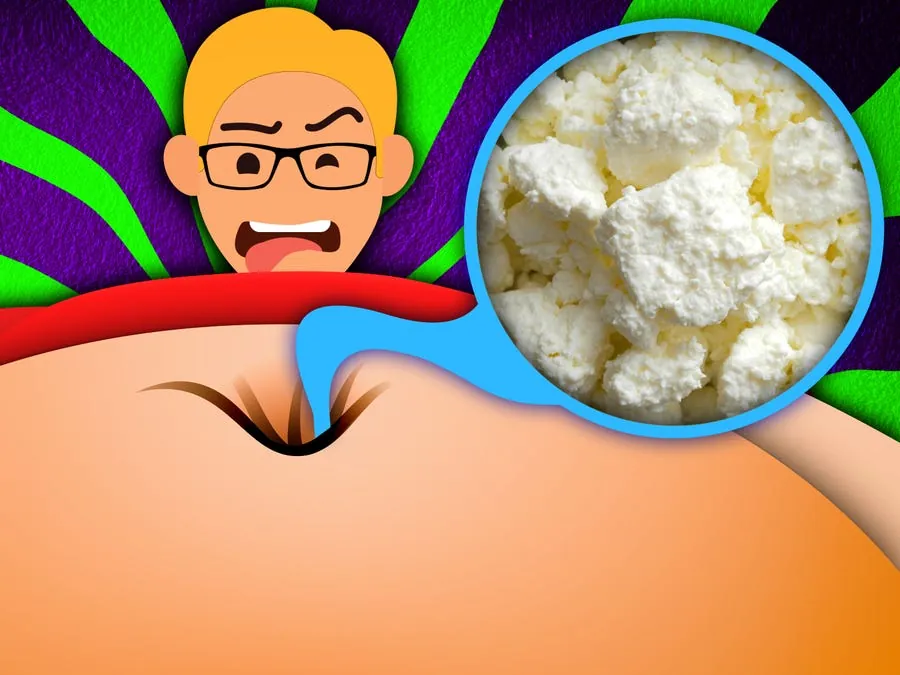
A cheese-like smell around your belly button usually means sweat, dead skin cells, and trapped moisture have built up in the navel fold and attracted bacteria. People searching belly button smells like cheese are typically looking for why it happens and how to stop it without scrubbing raw. The short answer is that routine cleaning, thorough drying, and a few daily habits normally clear it up within days, though a persistent odor with discharge or redness can point to a minor infection that needs medical attention.
Key Takeaways
- Wash your belly button daily with mild soap and warm water.
- Dry the area completely after every shower, swim, or sweaty workout.
- Use a cotton swab for deep navels, but never insert sharp or metal objects.
- Skip heavy lotions, powders, and perfumes inside the navel.
- Wear breathable cotton clothing and change out of damp shirts quickly.
- See a doctor if you notice discharge, redness, swelling, or pain.
Why Your Belly Button Smells Like Cheese
Your navel is a natural skin fold that collects sweat, oil, dead skin cells, and lint. Bacteria that live on your skin break down those trapped materials, and the byproducts can produce a sour or cheesy odor. Deep or “innie” belly buttons trap more moisture than shallow ones, which is why some people notice the smell more than others.
Belly button odor isn’t usually a sign of poor hygiene alone. Even people who bathe daily can develop it if they don’t dry the area thoroughly. The smell tends to get worse in warm weather, after exercise, or when tight clothing presses fabric against the skin and blocks airflow.
Common Causes of Belly Button Odor
Several specific factors can create or worsen the smell:
- Sweat and moisture buildup: Perspiration collects in the navel fold and doesn’t evaporate quickly.
- Dead skin cells: Skin sheds constantly, and cells can get trapped in the indentation.
- Bacterial growth: Skin bacteria feed on trapped sweat and debris, releasing odor compounds.
- Lint and fabric fibers: Clothing fibers mix with sweat and form a pasty buildup.
- Piercing irritation: A healing or infected navel piercing can produce discharge and odor.
- Minor infection: Redness, warmth, or pus may indicate a bacterial or fungal issue.
How to Clean a Smelly Belly Button
A simple daily routine is usually enough to remove the buildup and stop the odor:
- Wet a soft washcloth with warm water and add a small drop of mild, fragrance-free soap.
- Gently clean around the rim of your navel and inside the fold.
- For deeper navels, dip a cotton swab in warm, soapy water and swab the interior carefully.
- Rinse away soap residue with clean water, since leftover soap can irritate skin.
- Pat the area dry with a clean towel, then let it air-dry for a minute before dressing.
- Repeat once a day, and again after heavy sweating or swimming.
Pro Tip: If your navel is very deep, hold a clean, dry cotton swab inside it for a few seconds after your shower to absorb leftover moisture.
What Not to Put in Your Belly Button
Some home remedies can make the problem worse by irritating the skin or trapping more moisture:
- Rubbing alcohol or hydrogen peroxide used daily
- Strong acne treatments containing benzoyl peroxide or salicylic acid
- Heavy body lotions or creams applied inside the navel
- Baby powder or talcum powder, which can clump with sweat
- Perfumes, colognes, or scented body sprays
- Sharp objects, toothpicks, or metal tools for digging
Warning: Don’t use alcohol or peroxide inside your navel every day. They can dry and crack the skin, which makes it easier for bacteria to enter.
When Smell Means Infection
A mild cheesy odor without other symptoms is usually harmless. However, certain signs mean you should contact a healthcare provider:
- Yellow, green, or white discharge from the navel
- Redness that spreads beyond the immediate fold
- Warmth, swelling, or tenderness around the belly button
- Pain when you touch the area or move your torso
- A fever along with any of the above symptoms
These symptoms can indicate a bacterial skin infection or, less commonly, a fungal infection. A doctor can examine the area and may prescribe a topical antibiotic or antifungal cream if needed.
Belly Button Piercings and Odor
A new or healing navel piercing is especially prone to odor because the wound traps fluid and bacteria. Normal healing discharge is usually clear or slightly white and doesn’t smell strong. If the area around the jewelry smells cheesy and feels sore, it may be irritated or infected.
Clean a piercing with sterile saline spray once or twice daily, and avoid twisting the jewelry. Don’t remove the jewelry yourself if you suspect an infection, because the hole can close and trap the infection inside. See your piercer or a medical professional for advice.
Products That Help Versus Products to Avoid
Not every product sold for body care belongs in a navel. This table compares what generally works with what tends to cause irritation.
| Helpful | Why it works | Avoid | Why it hurts |
|---|---|---|---|
| Mild fragrance-free soap | Cleans without drying | Rubbing alcohol | Strips and cracks skin |
| Clean cotton washcloth | Gentle physical cleaning | Hydrogen peroxide | Can irritate with daily use |
| Cotton swabs | Reaches deep navel folds | Toothpicks or pins | Can puncture skin |
| Sterile saline spray | Safe for piercing aftercare | Scented lotions | Traps moisture and irritates |
| Clean dry towel | Removes moisture fully | Baby powder | Clumps with sweat |
| Breathable cotton clothing | Allows airflow | Tight synthetic fabrics | Traps heat and moisture |
Daily Habits That Keep the Odor Away
Prevention mostly comes down to moisture control. After showering, make sure your navel is completely dry before you put on a shirt. If you work out, change out of sweaty clothes as soon as possible and rinse off if you can. Choose loose, breathable fabrics like cotton rather than tight polyester or nylon, which hold sweat against the skin.
During hot or humid weather, you may need to clean and dry the area twice a day. If you wear uniforms or compression garments, take them off when you get home and wash them regularly so old sweat and bacteria don’t build up in the fabric.
Cleaning Schedule by Activity Level

Different routines call for different attention. This table gives a typical starting point you can adjust to your own body.
| Situation | Cleaning frequency | Drying method |
|---|---|---|
| Normal daily routine | Once per day | Towel dry, then air dry |
| After exercise or heavy sweating | Same day, immediately | Towel dry fully |
| After swimming | Same day | Towel dry and air dry |
| Hot, humid weather | Once or twice daily | Pay extra attention to deep folds |
| Healing navel piercing | As directed by piercer, usually 1–2x daily | Pat dry with clean gauze |
Related guides
- How to Use Mineral Spirits on Wood for Cleaning and Prep in 2026
- Can You Cut MDF With a Table Saw: Tips for Clean Results in 2026
- How to Remove JB Weld: Proven Removal and Cleaning Methods in 2026
Frequently Asked Questions
Is a cheese-like belly button smell normal?
Yes. A mild odor caused by trapped sweat, dead skin, and bacteria is common and usually harmless. It becomes a concern only when paired with discharge, redness, swelling, or pain.
Can I use soap inside my belly button?
Yes, but use a mild, fragrance-free soap and rinse it out completely. Leftover soap residue can irritate the skin and make the problem worse.
How often should I clean my belly button?
Once a day is typical for most people. If you sweat heavily, exercise, swim, or live in a humid climate, cleaning once or twice daily may help.
Will lotion fix a smelly belly button?
No. Lotion can trap moisture and feed bacteria, making the odor stronger. Keep the area clean and dry instead of moisturized inside the navel.
When should I see a doctor?
Seek care if you notice discharge, spreading redness, warmth, swelling, pain, or fever. These can signal an infection that needs prescription treatment.
Can a belly button piercing cause the smell?
Yes. A healing or irritated piercing can trap fluid and bacteria, creating odor. Clean it with sterile saline and avoid removing the jewelry yourself if you suspect infection.
Conclusion
Keeping your navel clean and dry is the most reliable way to stop a cheese-like smell. Start with a gentle daily wash and a thorough dry after every shower, and watch for signs of infection that would warrant a doctor’s visit.