

A scalp smells like cheese primarily due to the buildup of sebum, sweat, and dead skin cells that create an ideal environment for bacteria and yeast to grow. This odor often results from a condition called seborrheic dermatitis or an overgrowth of Malassezia yeast, which thrives on the natural oils produced by your hair follicles. While many people notice this change in scent during humid weather or after intense physical activity, it can also stem from infrequent washing or using hair products that trap moisture against the skin.
Why your scalp smells like cheese
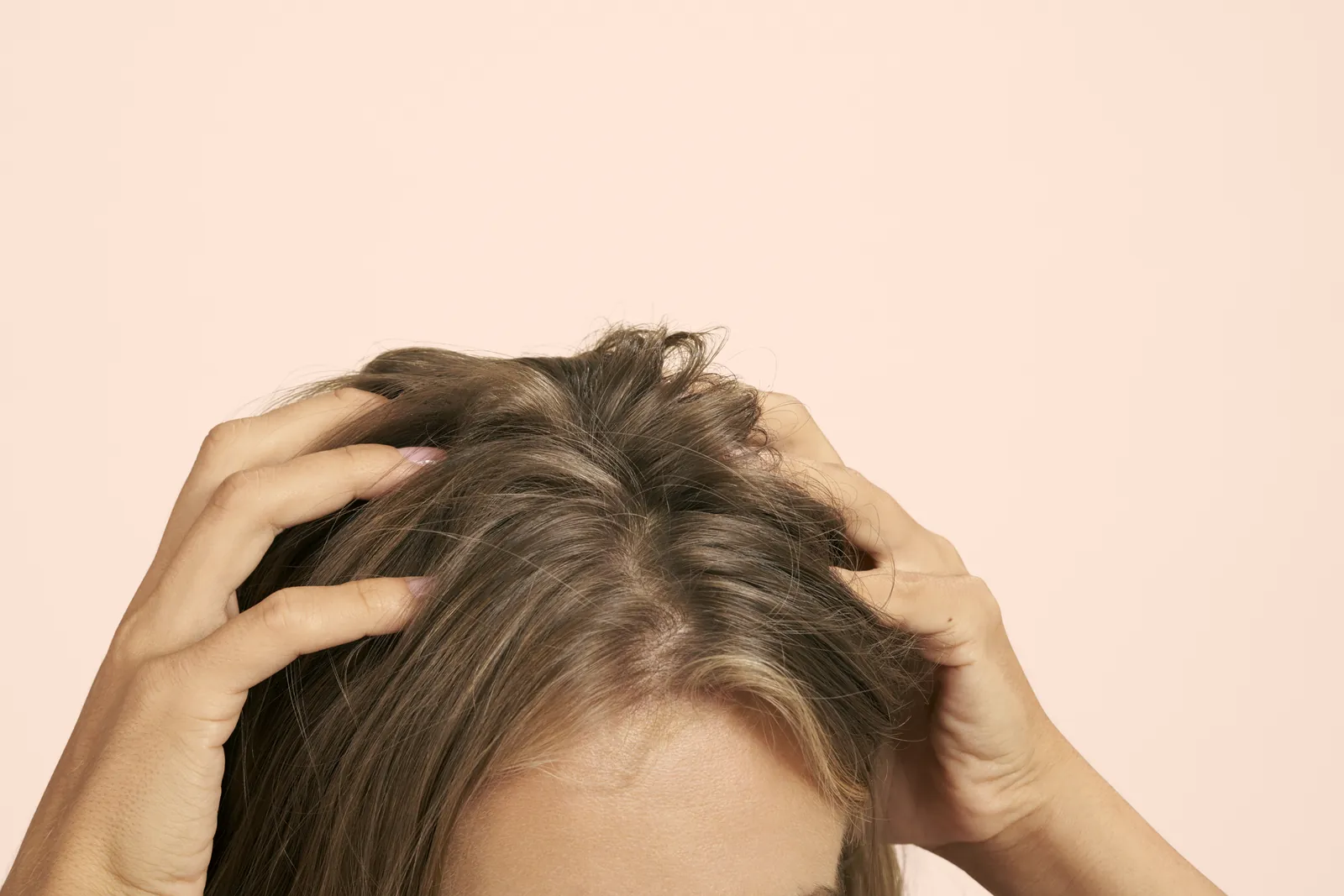
Identifying the source of the smell helps you choose the right approach for your hair care routine. The following table highlights the most frequent culprits behind a persistent, unpleasant scalp scent.
| Condition | Primary Cause | Typical Symptom |
|---|---|---|
| Seborrheic Dermatitis | Yeast overgrowth | Flaky, itchy skin |
| Excessive Sebum | Overactive glands | Greasy hair texture |
| Bacterial Growth | Trapped moisture | Sharp, sour smell |
| Product Buildup | Residue accumulation | Dull, heavy hair |
| Poor Hygiene | Infrequent washing | Visible oil buildup |
Seborrheic dermatitis
This condition occurs when the skin reacts to an overgrowth of Malassezia yeast, which is naturally present on everyone’s scalp. If your immune system is sensitive to this yeast, the result is inflammation, redness, and a distinct, cheesy odor caused by the metabolic byproducts of the yeast breaking down skin oils. It typically affects areas rich in oil glands, including the scalp, sides of the nose, and behind the ears.
- Inflammation leads to visible, greasy yellow or white scales on the hair.
- Persistent itching often causes scratching, which further irritates the skin barrier.
- The buildup of dead skin cells and oil creates a trapped environment where bacteria thrive.
- You might notice the smell is stronger after sweating or wearing hats for long periods.
If you have thick, crusty patches that bleed when scratched, stop your home treatment immediately and see a dermatologist. These signs often point to a secondary infection that requires prescription-strength medication to heal safely.
Excessive sebum production
Some individuals naturally produce more oil than others, which creates a breeding ground for microorganisms. When this oil sits on the scalp for too long, it oxidizes and interacts with the natural flora of your skin, producing that characteristic smell. This isn’t necessarily a sign of poor hygiene, but rather a biological reality of your skin’s chemistry.
- Hair appears flat, stringy, or oily within 24 hours of washing.
- The scalp feels constantly damp or heavy, especially near the crown.
- Oil travels down the hair shaft, making the ends look healthy while the roots smell.
- Frequent touch-ups with dry shampoo can sometimes make the problem worse by adding powder to the grease.
If you find that your scalp is oily but the skin itself is dry and cracking, you may be over-washing. For most people, a gentle wash every other day is enough to manage oil without stripping the protective layer of the skin.
Bacterial and fungal overgrowth

Bacteria and fungi love warm, moist environments, making the scalp a perfect home if it isn’t dried properly after washing. If you regularly tie your hair up while it’s still wet or wear tight-fitting head coverings, you’re creating a “greenhouse” effect. This traps moisture against the scalp, allowing microbes to multiply rapidly and release volatile compounds that cause the smell.
- The odor remains even after you have washed your hair with standard shampoo.
- You feel a slight warmth or tenderness on certain spots of the scalp.
- The smell is most noticeable when you pull your hair back or touch your roots.
- Tight headbands or hats worn for more than 4 hours daily worsen the trapped moisture.
According to the American Academy of Dermatology Association, seborrheic dermatitis is a common condition that can be managed with medicated shampoos containing active ingredients like zinc pyrithione or selenium sulfide. Always check the label on your specific bottle, as these products often require you to leave the lather on your scalp for at least 5 minutes to work effectively.
Product buildup and residue
Many hair styling products contain waxes, silicones, or heavy oils that don’t rinse away easily with water. Over time, these ingredients form a film on the scalp that traps dead skin cells and natural oils underneath. This layer acts like a seal, preventing your scalp from “breathing” and creating a stagnant, sour scent that builds up over several weeks.
- The scalp feels waxy or coated even immediately after a shower.
- Your hair lacks volume and feels heavy or sticky to the touch.
- Clear, water-soluble products are replaced by heavy styling creams or gels.
- A clarifying shampoo is usually needed once every two weeks to remove this layer.
If you use heavy styling products every day, you must use a clarifying wash at least twice a month. If you skip this, the buildup will continue to harbor bacteria, making the odor nearly impossible to eliminate with standard daily shampooing alone.
Other potential scalp issues
- Hormonal fluctuations: Changes in your body chemistry during puberty, pregnancy, or menopause can shift your oil production. If you notice a sudden change in smell during these times, it’s likely hormonal and may stabilize as your body adjusts.
- Dietary factors: Certain strong-smelling foods like garlic, onions, or high-spice meals can affect the scent of your sweat. If the smell is coming from your pores, it will likely resolve within 48 hours of changing your diet.
- Environmental factors: High humidity and pollution can cling to hair fibers and scalp oils. If you work in a dusty or humid environment, a daily rinse helps remove these particles before they settle into the skin.
How to identify your scalp needs
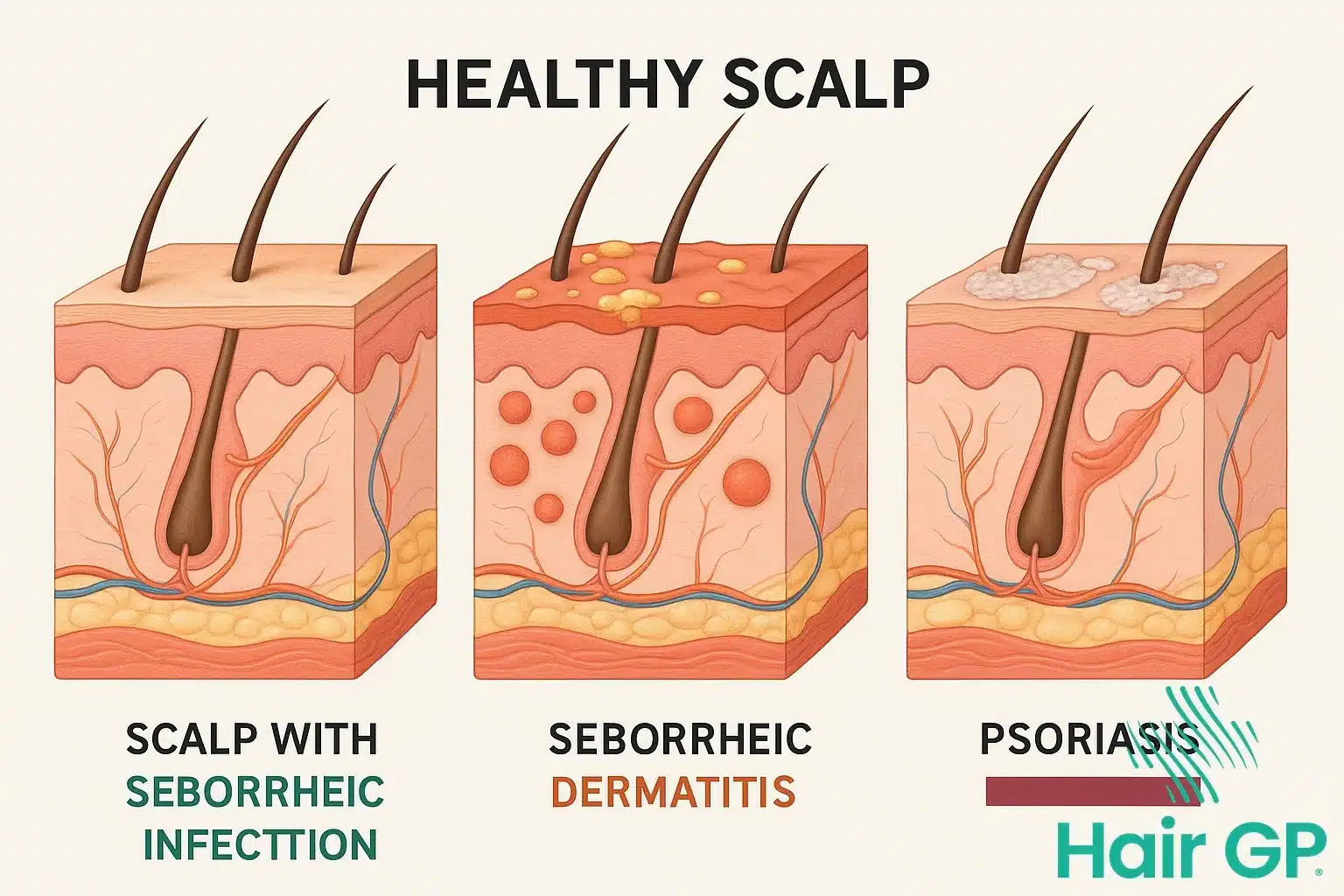
Choosing the right path depends on whether your issue is driven by oil, skin health, or product residue. If your scalp is flaky and itchy, choose a medicated dandruff shampoo; if it feels waxy and heavy, choose a clarifying shampoo. If the odor persists despite these changes, you’re likely dealing with a stubborn yeast overgrowth that needs a targeted antifungal approach. These factors can’t be combined into one miracle product; you must treat the specific symptom you’re currently facing.
Related guides
Frequently asked questions
Can stress cause my scalp to smell?
Yes, stress triggers the release of cortisol, which can increase sebum production from your oil glands. When your body produces excess oil due to high stress, the natural bacteria on your scalp have more fuel to grow, which often leads to a noticeable, unpleasant odor within a few days.
Is it safe to use vinegar for a smelly scalp?
It’s safe for most, but you must dilute it with water to avoid skin irritation. Mix one part apple cider vinegar with four parts water and use it as a final rinse to help balance the pH of your scalp, which can inhibit the growth of odor-causing bacteria.
How often should I wash my hair?
You should wash your hair as often as it takes for your roots to feel oily, which varies from daily to twice a week depending on your hair type. If you have fine, straight hair, you likely need a daily wash, while those with thick or curly hair can often go longer between cleanings.
Does diet change the way my scalp smells?
Yes, the foods you eat can influence the scent of your sweat and skin oils. High consumption of sulfur-rich foods like garlic or intense spices can cause your scalp to emit a stronger odor, which typically dissipates within two days of adjusting your diet to include more neutral ingredients.
What happens if I ignore the smell?
If you ignore a persistent scalp odor, the underlying inflammation can lead to hair thinning or secondary skin infections. The buildup of yeast or bacteria creates a barrier that prevents your hair follicles from functioning correctly, potentially causing discomfort, increased itching, and more visible flaking over time.
Does dry shampoo make the smell worse?
Yes, using dry shampoo too often creates a layer of starch and powder that traps oil and bacteria against your scalp. While it masks the smell for a few hours, it doesn’t clean the skin, leading to a much stronger odor once you eventually wash your hair and release the trapped material.
Conclusion
Start by switching to a clarifying shampoo once a week to remove any hidden product buildup. If the smell goes away after two or three washes, you have solved the problem; if the odor remains, it’s time to try a medicated dandruff shampoo. If the skin becomes inflamed, painful, or develops open sores, stop all treatments and see a doctor.