
A fishy smell from a dog’s rear usually means the anal glands are full or infected. These small sacs sit just inside the anus and hold a strong-smelling fluid that normally empties during a bowel movement. When the fluid builds up, it leaks or thickens, and the odor becomes noticeable. Other causes include infection, diarrhea, or a skin problem around the tail. The exact cause changes what to do next, so start by checking what the dog’s rear end looks like and how the dog is acting.
Why a dog smells like fish from the back end
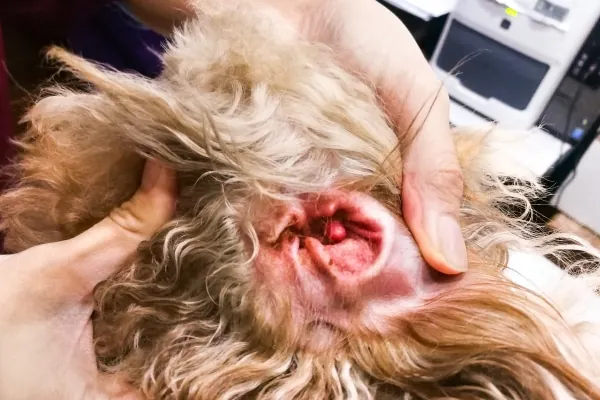
The anal glands are the most common reason. They fill with fluid that smells like fish, and when they don’t empty on their own, the odor leaks onto the fur. An infection makes the fluid thicker and more painful, while loose stool means nothing presses the glands empty during a bowel movement.
| Cause | What it means | What to look for |
|---|---|---|
| Full anal glands | Fluid builds up and leaks | Scooting, licking, fishy odor |
| Impacted glands | Fluid thickens and blocks the opening | Pain, swelling, hard to sit |
| Infected glands | Bacteria gets inside the sac | Redness, discharge, fever |
| Loose stool | Stool too soft to press the glands | Diarrhea, messy rear end |
| Skin infection | Bacteria or yeast on the skin near the tail | Red skin, itching, hair loss |
Start with a gentle look. Lift the tail and check the skin around the anus for redness, swelling, or discharge. Watch whether the dog scoots across the floor or licks the area constantly. Note if the stool is firm or soft. None of these checks require touching the glands. If you see swelling, blood, or pus, stop and call a veterinarian. Squeezing the glands yourself can rupture an abscess or push infection deeper, and that isn’t a do-it-yourself job.
Full anal glands
Full anal glands are the most common cause of a fishy odor from a dog’s rear end. The fluid inside these sacs normally releases when a dog passes firm stool. When it stays inside, it leaks onto the fur and the smell spreads. This issue suits any dog, but small breeds and overweight dogs get it more often.
- The smell comes from the fluid itself, not from dirt.
- Firm stool helps the glands empty naturally during a bowel movement.
- A groomer or vet can empty the glands when they’re full.
- Some dogs need this done every few weeks; others never need it.
Example: a dog that scoots across the carpet after a bowel movement often has full anal glands.
Impacted anal glands
Impacted anal glands occur when the natural lubricating fluid thickens into a paste that can’t pass through the duct. This differs from simple fullness because the blockage traps debris, causing the sacs to swell and potentially rupture if left untreated. This condition frequently plagues dogs with narrow duct openings or those suffering from chronically soft stool, which fails to provide the firm pressure needed to empty the sacs naturally during defecation.
The gland feels hard and immovable under a vet’s touch, unlike the soft, squishy sensation of a healthy gland. If your dog suddenly sits down, scoots frequently, or winces when pressure is applied to their rear, they’re likely in pain. The odor also intensifies as the trapped fluid turns rancid.
If you see these signs, seek professional help immediately. A vet must manually express the gland and flush the duct. Waiting too long risks a painful abscess, which often requires surgical drainage and antibiotics.
Infected anal glands
An infected anal gland occurs when bacteria colonize the anal sac, triggering intense inflammation. This condition differs from routine impaction because the pressure can force an abscess to rupture through the skin, leaving a painful, open wound. If you notice a firm, hot swelling that feels like a marble under the skin, seek care immediately. Waiting even 24 hours can allow the infection to spread into the surrounding tissue, turning a simple lancing procedure into a complex surgical debridement.
Most owners mistake the early stages for simple scooting. If the dog stops scooting and begins licking the area obsessively or refuses to sit, the gland has likely already ruptured. Check for a foul-smelling, yellow or blood-tinged discharge near the anus. If the skin is purple or black, the tissue is dying and requires urgent intervention. A vet will typically prescribe systemic antibiotics and perform a manual flush of the sac to ensure it heals from the inside out.
Loose stool and skin problems
Loose stool and skin infections are the remaining causes. Soft stool doesn’t press against the glands during a bowel movement, so fluid stays inside. Skin infections around the tail can also create a fishy odor that seems to come from the back end.
- Firm stool creates the pressure that empties the glands naturally.
- Adding fiber to the diet can firm up stool over a few days.
- A vet can check skin scrapings for yeast or bacteria.
- Treating the skin or the stool often ends the odor without touching the glands.
Example: switching to a higher-fiber food sometimes firms the stool and lets the glands empty on their own.
Choosing the right cause
The right cause depends on what the owner sees. A dog that scoots but has normal stool usually has full glands. A dog with red, swollen skin beside the anus likely has an infection. A dog with constant diarrhea has a stool problem first, and the gland smell is second.
If the skin is hot to the touch or shows a dark, oozing spot, you’re likely dealing with a ruptured abscess. Don’t attempt to express these at home, as the pressure can force bacteria deeper into the tissue.
If the dog scoots but the area looks healthy, try a warm compress for five minutes twice daily. If the scooting persists beyond three days, the issue is internal. Always prioritize the stool consistency; if it remains soft, the glands will never stay empty on their own.
Frequently asked questions
Can I empty my dog’s anal glands myself?
No. A vet or groomer should do it, because squeezing can rupture an abscess or push bacteria deeper. Only a professional can tell if the gland is infected.
Why does the smell come back after grooming?
The glands refill as soon as the dog passes stool again. Unless the underlying cause — soft stool, infection, or anatomy — is fixed, the odor returns.
How long does a fishy odor last?
It lasts until the glands are emptied or the infection is treated, which can be days. A vet visit usually resolves it within a week, but soft stool can keep it coming back.
Is it safe to wipe the area with baby wipes?
Not regularly. Many wipes contain fragrance or alcohol that irritates the skin. A damp cloth with warm water is safer for a one-time cleanup.
What happens if I ignore it?
Impacted glands can abscess and burst through the skin. That’s painful and needs antibiotics, so a persistent smell should be checked by a vet.
Does diet matter?
Yes. Firm stool presses the glands empty during a bowel movement. Fiber or a food change can help, but a vet should guide any long-term diet change.
What to do next
Look at the dog’s rear end and note the stool, then call a veterinarian if there’s swelling, discharge, or pain. Expect the vet to examine the glands and empty them if needed, and the sign that it’s working is the odor fading within a day or two.
Check the consistency of the stool. If it’s consistently soft or liquid, the glands can’t empty naturally during defecation. Consulting a veterinarian to address the underlying cause of soft stool is necessary to ensure the glands can empty naturally.
Stop and get help if the dog develops a fever, a lump beside the anus, or blood on the fur. These symptoms indicate an abscess or rupture. If you see thick, yellow pus, don’t attempt to squeeze the area, as this often forces bacteria deeper into the tissue.