
Yes, a vaginal odor fishy in nature is typically a sign of bacterial vaginosis. This condition happens when the natural balance of bacteria in the vagina changes, allowing harmful types to grow faster than healthy ones. You should see a healthcare provider to confirm the cause and get the right treatment, as it doesn’t usually go away on its own.
When to see a doctor for vaginal odor
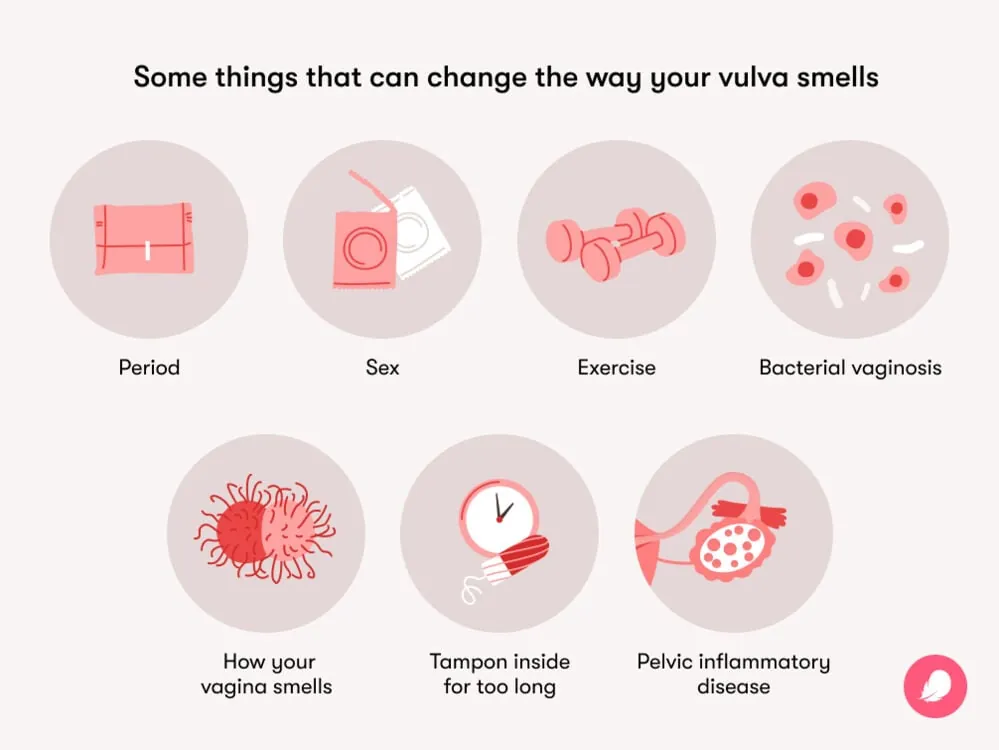
Most people notice a change in scent at some point, but not all odors indicate an infection. Use this table to understand if your situation requires medical attention.
| Your situation | Answer | Why |
|---|---|---|
| Fishy smell with thin discharge | See doctor | Likely bacterial vaginosis |
| Strong odor after sex | See doctor | Often triggers bacterial changes |
| Itching or burning sensation | See doctor | Possible yeast or STI |
| Odor during your period | Normal | Blood changes the pH balance |
| Sweat-related odor | Hygiene change | External bacteria on skin |
| Strong, foul, or rotten smell | Emergency | Potential foreign object or STI |
If the odor persists for more than three days despite improved hygiene, schedule an appointment. A persistent scent often signals an underlying imbalance that over-the-counter washes can’t fix.
Many people mistakenly use scented soaps or douches to mask the smell. This habit frequently worsens the issue by stripping away protective flora and raising the local pH.
The cause of the fishy smell
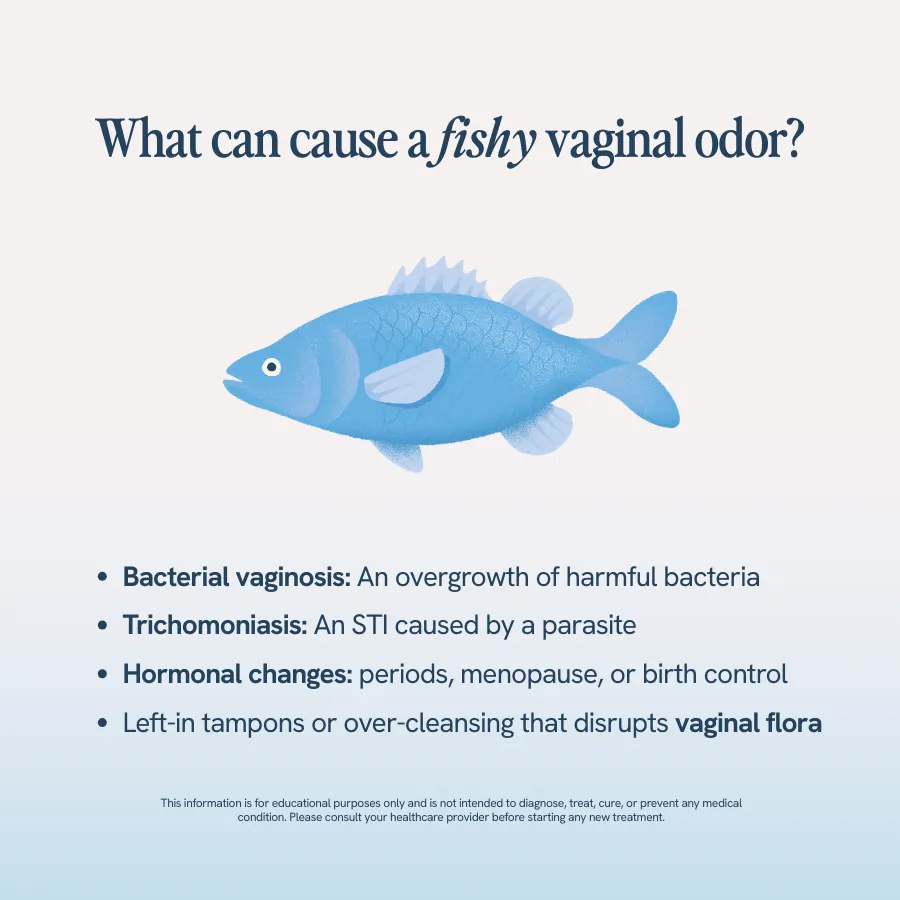
The main reason for this scent is a shift in the vaginal microbiome. Under normal conditions, healthy bacteria called lactobacilli keep the vaginal environment acidic, which prevents other bacteria from multiplying. When this population drops, anaerobic bacteria—which produce volatile amines like trimethylamine—begin to thrive. These compounds create the distinct smell often described as fishy.
This change isn’t always caused by sexual activity, though sex can disrupt the pH balance. Factors like douching, using scented soaps, or even hormonal changes during a menstrual cycle can trigger the imbalance. The Office on Women’s Health confirms that bacterial vaginosis is the most common cause of vaginal discharge and odor in women of reproductive age. If you notice the scent consistently, it’s rarely a sign of poor hygiene, but rather a disruption in your internal flora.
Many people mistakenly scrub the area with harsh soaps to mask the scent. This backfires by stripping away the protective acidic barrier, which allows the odor-causing bacteria to multiply even faster. If you’re currently experiencing the smell, stop using all scented products immediately.
If the odor is mild and occurs only during your period, monitor it for a few days. If the scent persists or grows stronger after your period ends, or if you notice a yellow or green discharge, schedule an appointment with your doctor. These symptoms often point to an infection that requires prescription antibiotics rather than home remedies.
Steps for managing vaginal health

If you suspect an imbalance, focus on restoring your natural environment rather than trying to mask the scent. Follow these steps to maintain balance:
Avoid douching entirely. Douching removes healthy bacteria and pushes pathogens further into the vaginal canal, which often makes the bacterial overgrowth worse.
Use only warm water for external cleaning. Don’t use scented soaps, body washes, or feminine sprays on the vulva, as these products disrupt the delicate skin and pH levels. If you notice persistent irritation after using a new laundry detergent, switch to a fragrance-free, hypoallergenic brand to see if the reaction subsides.
Wear breathable cotton underwear. Synthetic fabrics trap moisture and heat, creating an environment where bacteria thrive more quickly than they would in dry conditions.
Change out of wet clothes quickly. If you finish a workout or go swimming, take off damp clothing immediately to keep the area dry and prevent bacterial growth.
Complete any prescribed medication. If a doctor gives you antibiotics or gels, take every dose even if the odor disappears early to ensure the infection is fully cleared. Stopping early often leaves behind resilient bacteria, which leads to recurring infections that are harder to treat. If you experience burning or increased discharge while on a regimen, contact your provider; you may be reacting to the medication rather than the original issue.
The mistake people make
A common error is trying to treat a suspected infection with over-the-counter yeast infection creams or home remedies like vinegar douches. This is a mistake because these products are designed for fungal infections, not bacterial ones. Using them when you have bacterial vaginosis does nothing to fix the underlying pH issue and can often irritate the sensitive tissue, causing more pain or delaying proper care.
If your discharge is thin, grayish, or carries a distinct fishy odor, you’re likely dealing with bacterial vaginosis rather than a yeast infection. Applying antifungal creams in this state will only inflame the vaginal lining. The only way to avoid wasting time and money is to secure a professional diagnosis before the condition worsens or triggers secondary pelvic inflammation.
When to seek professional help
You should stop trying to manage the odor at home and see a professional if you notice these signs:
The odor is accompanied by a thick, gray, or green discharge that looks unusual. A fishy smell paired with a thin, milky consistency often points to bacterial vaginosis, but a chunky or curd-like texture suggests a yeast infection. These require entirely different medications, and using the wrong over-the-counter cream will only delay your relief.
You experience pelvic pain or fever, which may indicate a more serious infection like pelvic inflammatory disease. If the pain radiates to your lower back or worsens during intercourse, don’t wait for symptoms to subside.
You’re pregnant or trying to conceive, as untreated infections can pose risks to pregnancy.
Symptoms return shortly after you have finished a round of treatment. Contact your physician for a swab test to identify the specific bacteria and receive a targeted prescription.
Related guides
- Dog Smells Like Fish From Back End: Causes and Solutions
- How to Glue Pressure Treated Wood: The Best Exterior Methods in 2026
- How to Treat Pallet Wood for Outdoor Use: A Step-by-Step Guide in 2026
Frequently asked questions
Can I treat a fishy odor with probiotics?
Probiotics may support vaginal health, but they aren’t a proven cure for an active infection. If you have a strong fishy odor, see a doctor first to confirm you have bacterial vaginosis, as antibiotics are usually required to clear the overgrowth.
Is it safe to ignore a fishy smell?
No, it isn’t safe to ignore, as an untreated bacterial imbalance can increase your risk of contracting sexually transmitted infections. You should seek a diagnosis to ensure the infection doesn’t spread or lead to complications.
How long does it take for the odor to go away?
With the right antibiotic treatment, the odor typically starts to fade within 2 to 3 days. You must finish the entire course of medication prescribed by your doctor even if the symptoms disappear sooner to prevent the bacteria from returning.
Does diet affect vaginal odor?
Diet has a minor impact on body scent, but it isn’t the cause of a fishy vaginal odor. If you notice a persistent fishy smell, it’s almost certainly due to a bacterial shift rather than the food you eat.
Can I use scented products to hide the smell?
No, you should avoid scented products, as they often contain chemicals that irritate the vagina and make the odor worse. These products disrupt your natural pH balance and provide only a temporary mask for the underlying issue.
Why does the smell get worse after sex?
The smell often intensifies after sex because semen has a higher pH than the vagina, which can trigger the release of those fishy-smelling amines. This reaction is a classic sign of bacterial vaginosis and suggests that you should be tested by a professional.
Conclusion
Start by scheduling a visit with your doctor to get a physical examination and a swab test. Once you receive a diagnosis, follow the treatment plan exactly as directed to resolve the odor. Stop all self-treatment methods and seek medical help immediately if you develop a fever, severe pelvic pain, or if the discharge becomes heavy and discolored.