
You should clean your unit once every month to prevent washing machine smells from developing in your appliance. If you skip this task for two months, the buildup of mold and soap scum inside the drum and seal will lead to a persistent, musty odor that sticks to your fresh laundry.
Cleaning schedule for your machine
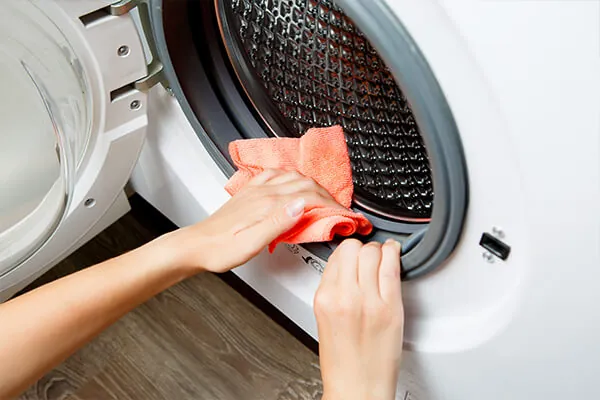
The frequency of your cleaning routine depends on how often you use the machine and the type of detergent you choose. If your clothes often come out with a lingering, damp scent, you likely have a buildup of organic matter that needs immediate attention.
| How you use it | How often | What tells you it’s due |
|---|---|---|
| Daily heavy loads | Every 2 weeks | Visible gray slime on seal |
| 3-4 loads weekly | Once a month | Musty scent on wet clothes |
| Occasional use | Every 3 months | Dust or stale air smell |
| Hard water area | Every 3 weeks | White crust on drum edges |
| Mostly cold cycles | Every 2 weeks | Dark mold spots on gasket |
Most owners fail by using too much detergent, which creates a residue that traps bacteria. If you see suds remaining in the drum after a cycle finishes, you’re using double the necessary amount. Cut your dose by half to stop the cycle of accumulation.
If you live in a hard water zone, run a hot cycle with two cups of white vinegar once a month. This prevents mineral deposits from hardening into the internal components.
Why washing machine smells persist
When you stop cleaning your machine, the first change you notice is a slight, damp odor inside the drum after a wash. This happens because modern, energy-efficient machines use less water, which often leaves behind residue from detergents and fabric softeners. These chemicals create a film that acts as food for bacteria and mold.
As the weeks pass, this film thickens in the hidden areas of the machine, specifically inside the rubber door gasket and the outer drum. The Environmental Protection Agency notes that moisture and organic material are the primary requirements for mold growth in household appliances. Once the mold takes hold, it produces spores that release a constant, musty smell every time the drum warms up.
If you continue to ignore these signs, the buildup turns into a hard, crusty layer that’s difficult to remove. Eventually, the drain pump filter may become partially blocked by this debris. This restricts water flow, meaning your clothes aren’t rinsed properly. At this stage, the smell will be present even when the machine is empty, and you may notice black flakes appearing on your clean garments.
Signs your machine needs cleaning

Dark spots on the rubber seal indicate mold colonies are growing in the folds of the gasket. If you can wipe these away with a damp cloth, the seal is likely intact. If the spots remain or the rubber feels porous, moisture has already compromised the material, necessitating a deep scrub with a vinegar-based solution.
Musty odors on dry clothing mean bacteria from the drum have transferred to your fabric fibers. This occurs when stagnant water sits in the outer tub for more than 24 hours.
Cloudy, gray water in the drum shows that old soap scum is being re-circulated into your wash. If your rinse water remains murky after the cycle ends, you’re likely using too much detergent. Cut your dosage by half for the next three loads.
Slow draining suggests the pump filter is clogged with lint and solidified detergent.
Visible white streaks on dark clothes happen when soap buildup detaches from the drum. A slippery feel inside the steel drum confirms a heavy layer of biofilm. If you feel this residue, run a hot cycle with a dedicated machine cleaner to strip the buildup before it ruins your next load.
What the maintenance process requires
Cleaning your machine is a straightforward task that takes about 10 minutes of active work, plus the time for a long wash cycle. You’ll need a clean microfiber cloth, a soft-bristled brush, and a recommended cleaning agent such as white vinegar or a commercial tub cleaner. The cost is low, as it only requires common household supplies or a single specialized tablet.
Start by wiping down the rubber door seal with a damp cloth to remove any surface grime. Use the brush to reach deep into the folds of the gasket, where hair and lint often gather. Next, check your detergent drawer and rinse away any dried-on powder.
Finally, run a hot-water cycle on the highest temperature setting with your chosen cleaner added to the drum. This process ensures the internal parts, which you can’t reach by hand, are sanitized and flushed of loose debris.
Habits to extend the time between cleans
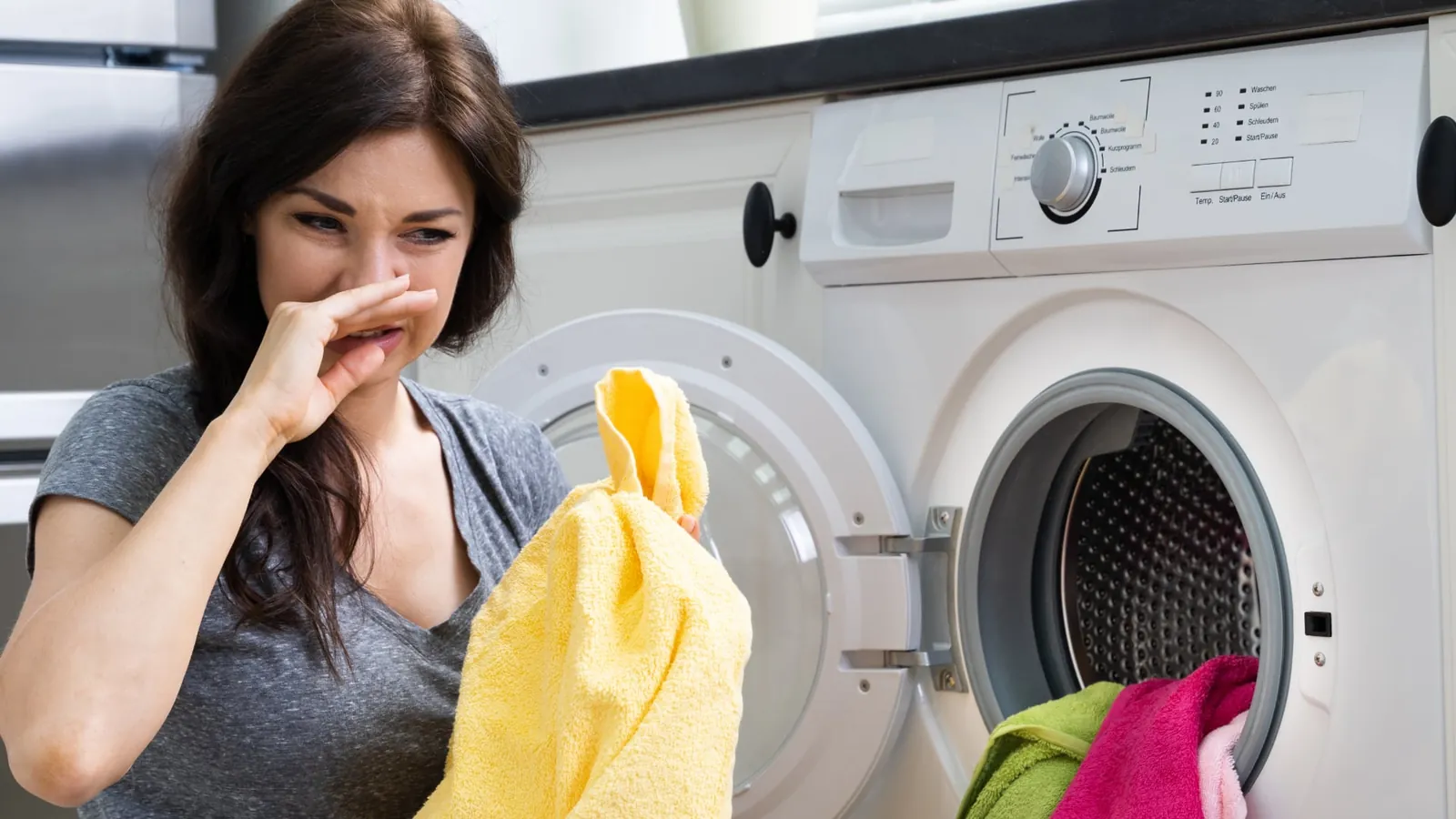
Leave the door slightly ajar between loads. This simple act allows air to circulate and prevents the damp, stagnant environment that mold needs to thrive.
Wipe the rubber seal after every cycle. Removing standing water stops the growth of slimy biofilm. If you see dark spots forming on the gasket, you have already waited too long.
Use exactly the amount of detergent recommended for your load size. Using too much soap creates excess residue that clings to internal parts. This buildup acts as a magnet for dirt and bacteria.
Run a hot cycle monthly with an empty drum. High heat helps dissolve the fats and oils from detergents before they harden into crusty deposits. If your machine smells musty despite these steps, increase the water temperature for your daily whites to kill lingering bacteria.
Related guides
- How to Seal Burnt Wood: Step-by-Step Guide for a Clean Finish in 2026
- How to Clean Acrylic Paint Brushes: A Simple Step-by-Step Guide in 2026
- How to Use Mineral Spirits on Wood for Cleaning and Prep in 2026
Frequently asked questions
Can I use bleach to remove the smell?
Yes, you can use a small amount of liquid chlorine bleach to kill mold, but always follow your manufacturer’s specific instructions. If your manual advises against it, use a specialized washing machine cleaner instead. Bleach can damage rubber seals if used in high concentrations or too frequently, so limit this to rare, deep-cleaning sessions.
Why does my machine smell like sewage?
A sewage smell usually indicates a problem with your home’s drain pipes rather than the machine itself. Check if the drain hose is inserted too far into the standpipe, which can create a siphon effect that pulls sewer gas back into the unit. If the smell persists, contact a licensed plumber to inspect your home’s venting system.
How do I clean the filter?
You can access the drain pump filter by opening the small panel usually located at the bottom front of your machine. Place a shallow tray or towel on the floor first, as water will spill out when you unscrew the cap. Remove any coins, lint, or debris, rinse the cap under a tap, and screw it back on tightly.
Is it safe to use vinegar in my machine?
It’s generally safe to use white vinegar as a mild cleaner, but check your machine’s warranty documentation first. Some manufacturers warn that the acid in vinegar can degrade rubber parts or hoses over time. If you choose to use it, ensure you rinse the machine thoroughly by running a short cycle with plain water afterward.
Does the type of detergent matter?
Yes, high-efficiency (HE) machines require specific low-sudsing detergents to prevent excessive residue buildup. Using standard detergent in an HE machine creates too many suds, which don’t rinse away completely and trap dirt inside the drum. Always check your machine’s manual to confirm the correct detergent type for your specific model.
Can I stop the smell without chemicals?
You can significantly reduce odors by simply wiping the drum and seal dry after every single wash. This physical removal of moisture is the most effective way to prevent the environment where mold thrives. If you combine this with leaving the door open between uses, you’ll rarely need to perform deep chemical cleanings.
Conclusion
Start by inspecting the rubber seal around your door for any visible mold or trapped debris. If you find buildup, wipe it away with a damp cloth and run a hot-water cycle to flush the internal system. If the odor remains strong after a thorough cleaning, the issue may be in your drain hose or plumbing, and you should call a professional technician for help.