
Removing JB Weld requires a combination of thermal softening, chemical dissolution, and mechanical abrasion, as this two-part epoxy is engineered to withstand extreme environmental conditions. Because it’s a thermoset polymer, once it has fully cured, it can’t be melted like thermoplastic adhesives; instead, you must either weaken the bond through heat or break down the structural integrity of the resin using aggressive solvents.
Key Takeaways
- JB Weld is a thermoset epoxy, meaning it doesn’t melt; it must be softened with heat or dissolved with chemicals.
- Acetone is the most effective common solvent for breaking down uncured or partially cured epoxy residues.
- Mechanical removal via sanding or grinding is often required for thick, fully cured applications on metal surfaces.
- Heat application above 500 degrees Fahrenheit is necessary to degrade the epoxy bond, but this can warp thin metal.
- Always wear appropriate personal protective equipment, including nitrile gloves and eye protection, when handling chemical solvents.
How to Remove JB Weld Safely
Removing hardened epoxy from delicate surfaces requires a patient approach to avoid damaging the substrate beneath the bond. If you’re dealing with a spill on a finished surface, mechanical force should be your last resort. Start by identifying the substrate material, as metal, plastic, and glass react differently to the chemical and thermal stresses required to release the epoxy. For most metal applications, a combination of heat and scraping is the gold standard for success.
Thermal Methods for Epoxy Degradation
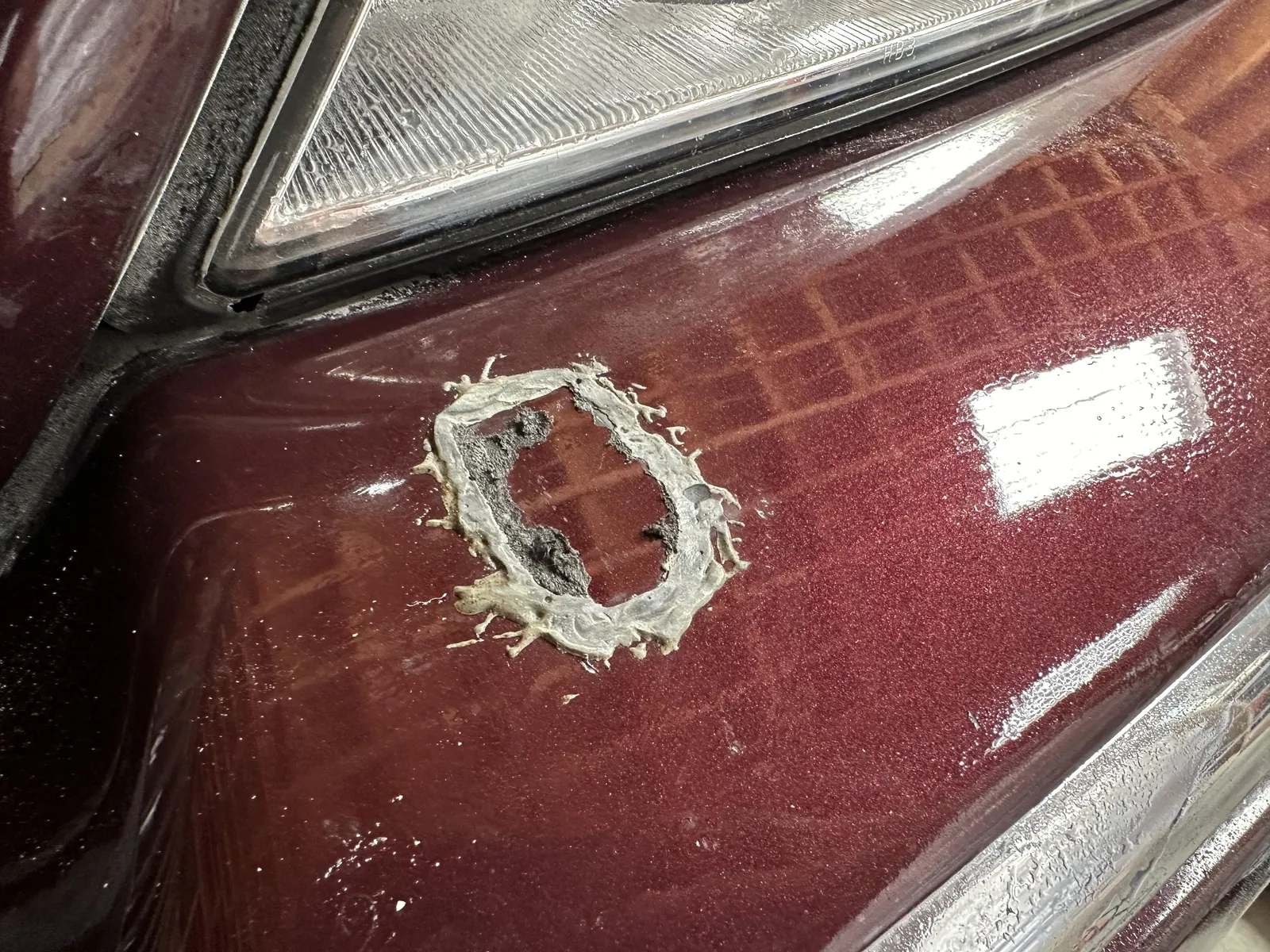
The most effective way to compromise the bond of cured JB Weld is through the application of controlled heat. When the material is heated to temperatures exceeding 500 degrees Fahrenheit, the molecular structure of the epoxy begins to break down, becoming brittle and easier to chip away.
Use a heat gun on a medium-to-high setting, moving it in a circular motion to avoid concentrating too much heat in one spot, which could lead to metal fatigue or warping. Once the epoxy begins to smoke or soften, use a metal putty knife or a chisel to pry the edges of the bond.
Warning: Never use an open flame or high-intensity torch on enclosed spaces or near fuel lines, as the epoxy can release toxic fumes and the surrounding area may present a significant fire hazard.
Chemical Dissolution Techniques
Chemical removal is best reserved for residue or thin layers of epoxy that remain after mechanical scraping. Acetone is a powerful solvent that can soften the surface of the epoxy, making it easier to wipe away. To use this method, soak a clean rag in 100% pure acetone and place it over the remaining JB Weld.
Cover the rag with plastic wrap to prevent evaporation and leave it to sit for several hours. After the dwell time, the epoxy should have a softened, gummy consistency that can be scraped off with a plastic scraper. According to the Occupational Safety and Health Administration, acetone exposure requires proper ventilation and skin protection to prevent irritation and inhalation risks.
Tools and Supplies Required
To effectively remove JB Weld, you should assemble a kit that addresses both chemical and mechanical needs. Having the right tools minimizes the risk of gouging the surface you’re trying to clean.
| Tool Category | Specific Item | Primary Use |
|---|---|---|
| Mechanical | Heat Gun | Softening the epoxy bond |
| Mechanical | Chisel or Putty Knife | Prying off large chunks |
| Mechanical | Wire Brush | Removing residual surface grit |
| Chemical | 100% Acetone | Dissolving thin epoxy layers |
| Protective | Nitrile Gloves | Skin protection from chemicals |
| Finishing | Sandpaper (120-220 grit) | Final surface smoothing |
Mechanical Removal Strategies
When heat and chemicals have reached their limit, you must turn to abrasive mechanical action. This involves using power tools or manual sanding to physically wear down the epoxy layer. Start with a coarse-grit sandpaper to remove the bulk of the material, then switch to a finer grit as you approach the original surface to avoid deep scratches.
Using Rotary Tools
A rotary tool equipped with a grinding bit or a flap wheel is highly efficient for removing JB Weld from iron or steel components. Use a low speed to prevent the epoxy from overheating and becoming gummy, which can clog your grinding bits. Keep the tool moving constantly to ensure an even removal process. If you find the grinding bit is becoming clogged, stop and clean it with a wire brush before continuing.
Manual Scraping Tips
For surfaces where power tools are too aggressive, manual scraping is the safest route. Use a high-quality, hardened steel scraper held at a low angle to the surface. By applying steady, consistent pressure, you can often pop the epoxy off the metal substrate, as the bond is strictly mechanical and doesn’t penetrate the metal itself.
Dealing with Plastic Substrates
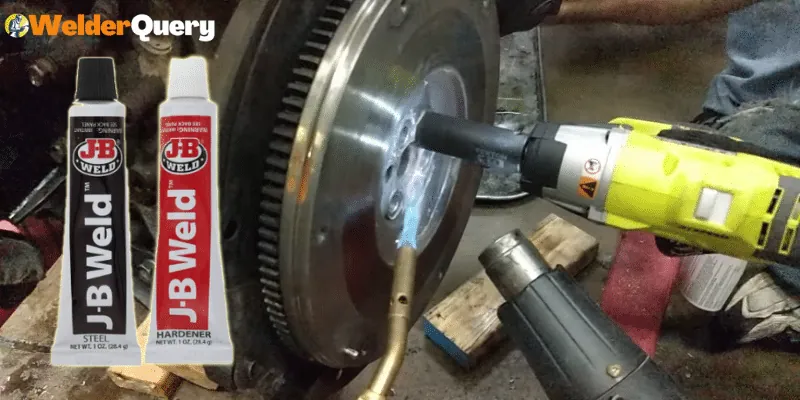
Removing JB Weld from plastic is significantly more difficult than from metal because the solvent and heat requirements often exceed the melting point of the plastic itself. If the plastic is heat-sensitive, avoid heat guns entirely. Instead, use a plastic-safe solvent or mechanical scraping with a non-marring tool. You must be extremely careful to avoid cutting into the plastic, as the epoxy bond is often stronger than the plastic material itself.
Surface Preparation After Removal
Once the bulk of the JB Weld is removed, you’ll likely be left with a haze or thin film of residue. Use a fine-grit sanding block to buff the area clean. If you intend to repaint or re-bond the surface, ensure it’s completely free of oils or chemical residue by wiping it down with a clean, lint-free cloth soaked in isopropyl alcohol. This ensures that any subsequent adhesives or coatings will adhere properly to the base material.
Safety and Environmental Precautions
Working with epoxy removers and heat tools requires a focus on workplace safety protocols. Always ensure the area is well-ventilated, especially when using acetone, which produces potent fumes. Keep a fire extinguisher nearby if you’re using a heat gun, and ensure that no flammable materials are in the immediate vicinity. Dispose of all used rags soaked in solvents in a sealed, metal container to prevent spontaneous combustion or chemical contamination.
Troubleshooting Common Issues
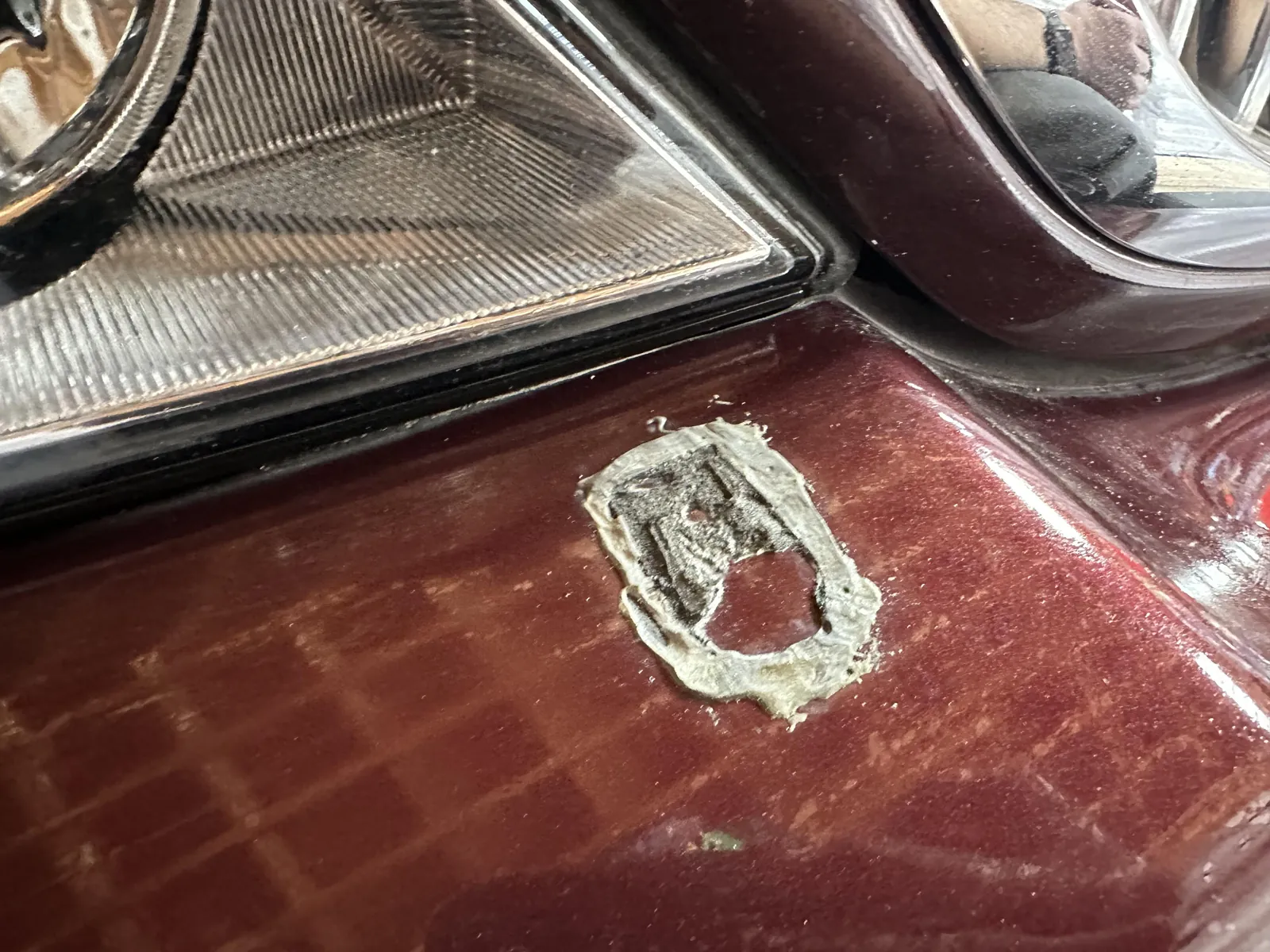
If you find that the JB Weld isn’t budging despite your best efforts, you likely have a very thick application or a high-grade industrial epoxy. In these cases, you may need to repeat the heat and scrape cycle multiple times.
- Epoxy is still rock hard: Increase the heat application time or use a more powerful heat gun.
- Surface is getting scratched: Switch to a softer scraper or use a higher-grit sandpaper for the final passes.
- Solvent isn’t working: Ensure you’re using 100% pure acetone; hardware store “thinner” mixtures often contain additives that dilute the effectiveness of the solvent.
- Chemical odor is too strong: Move the project to an outdoor area with a cross-breeze to ensure constant air exchange.
Frequently Asked Questions
Can I use vinegar to remove JB Weld?
Vinegar is a mild acid and isn’t effective at dissolving or softening cured epoxy resins. While it may help clean surface dirt around the bond, it won’t penetrate or break the chemical cross-linking of the epoxy. You should stick to solvents like acetone or mechanical methods for actual removal.
Will paint stripper dissolve JB Weld?
Most standard paint strippers are designed to break down organic coatings like latex or oil-based paints, but they’re generally ineffective against the structural epoxy matrix of JB Weld. Some aggressive industrial strippers containing methylene chloride might soften it, but these are hazardous and often unavailable to the general public. Acetone remains the most reliable chemical option.
Is it possible to melt JB Weld off?
JB Weld is a thermoset plastic, which means it doesn’t melt into a liquid state when heated. Instead, it undergoes thermal degradation, where the material becomes brittle and loses its structural integrity. While you can soften it enough to scrape it away, it will never liquefy like a wax or a thermoplastic adhesive would.
Does soaking in acetone damage the metal?
Acetone is generally safe for bare metal surfaces and won’t cause corrosion or damage to steel, aluminum, or iron. However, if the metal is painted or powder-coated, acetone will likely strip the finish along with the epoxy. Always test a small, inconspicuous area if you’re concerned about damaging the surrounding coating or finish on your workpiece.
Can I re-apply JB Weld after removal?
Yes, once you have removed the old epoxy and thoroughly cleaned the surface with a degreaser or alcohol, you can re-apply JB Weld. Ensure the surface is dry and slightly roughed up with sandpaper to provide a mechanical tooth for the new application. A clean, prepared surface is the most critical factor in achieving a strong bond for your repair.
Conclusion
The most effective way to remove JB Weld is to combine heat to embrittle the material with mechanical scraping to lift it from the surface. Once you have removed the bulk of the epoxy, use acetone to clean the remaining residue and finish with light sanding to restore the base material. Start your cleanup by securing the proper safety gear and choosing a well-ventilated workspace.