
A laundry room smells like sewer when the trap under the washer has dried out or the drain line is blocked. Pour a gallon of water into the floor drain or standpipe; if the odor fades, a dry P-trap was the culprit. If the smell persists, the drain is likely clogged with lint, soap scum, or debris.
Why your laundry room smells like sewer
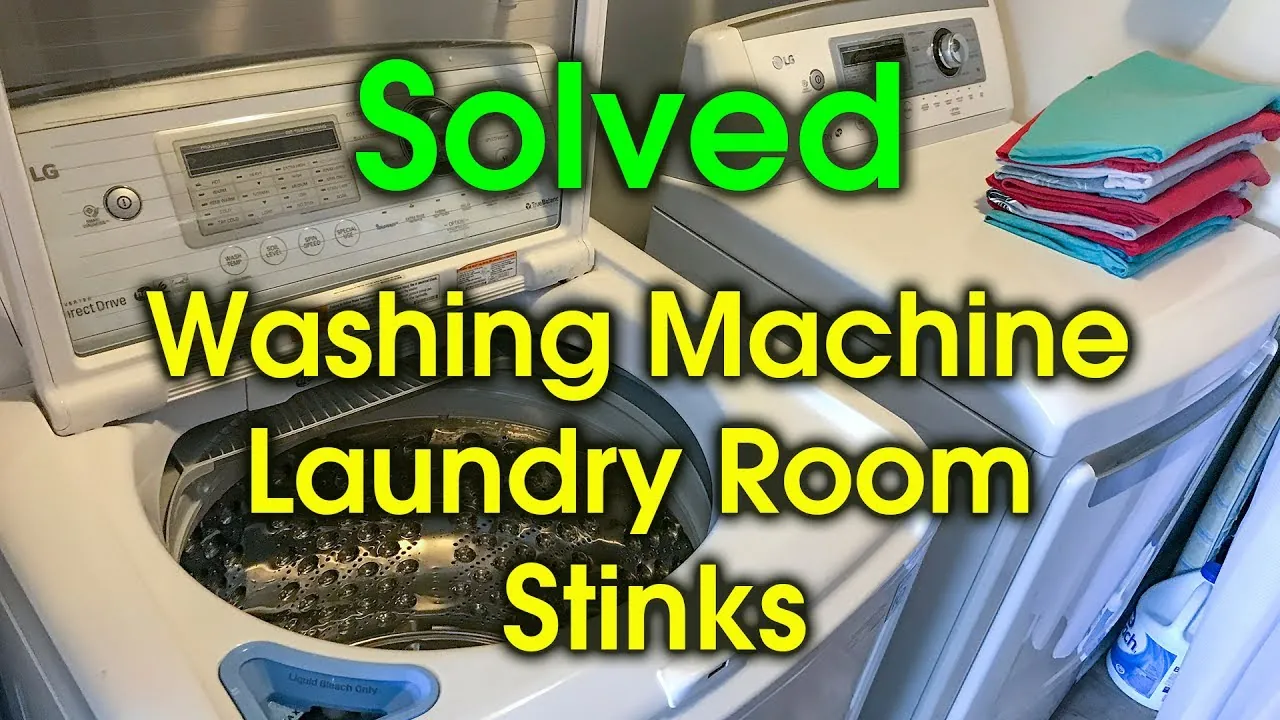
Sewer gas enters the room when the water seal in the drain trap disappears. Without that water, gases from the sewer line rise straight up through the pipe and into your laundry room. A washer that runs only once a week, or not at all during a vacation, is enough for the trap to dry out.
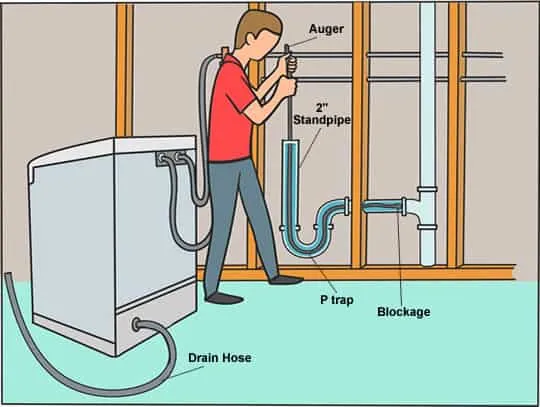
A slow drain is the second cause. Lint from clothes, soap residue, and small items like socks can build up inside the standpipe or the washer’s drain hose. Water sits in the pipe instead of moving through, and bacteria grow in the damp sludge. That bacteria produces a rotten-egg or sewage smell that gets stronger every time the washer drains.
The third cause is a missing or broken vent. A vent pipe lets air move through the drain system so water flows freely. If the vent is blocked or was never installed, draining water can pull the trap dry through suction. You can’t check a vent safely yourself, so call a plumber if the drain and trap both look clear.
Run a cleaning cycle on the washer
This fix is for when the smell comes from inside the machine itself. Run the washer’s clean cycle with hot water and washer cleaner, or use white vinegar and baking soda if your manual allows it. Wipe the rubber door gasket after every load, especially on front-loaders, because water and lint collect in the folds.
Leave the door open between washes so the drum dries out. You’ll know it worked when the musty or sewage smell stops coming from the washer after two or three cycles. If your washer has no clean cycle, check the manufacturer’s website for the right method. Don’t take the machine apart; opening the housing can void the warranty and isn’t a job for a home user.
Clear the drain and standpipe

This fix targets a clogged drain line. Pour about a gallon of hot water down the standpipe or floor drain to flush loose material. If the water backs up or drains slowly, use a drain brush or a small plumber’s snake to pull out lint and soap scum. Don’t use chemical drain cleaners in a washer drain; they can damage the hose and the pump.
Run a rinse cycle afterward and watch the water flow down the pipe. It worked when the water disappears quickly and the smell doesn’t return after the next load. If the standpipe overflows or the clog keeps coming back, call a plumber. A recurring blockage usually means a deeper problem in the main line that a home user can’t reach.
Replace the drain hose or trap
This is the fix for harder cases. It’s worth doing when the hose is cracked, kinked, or so coated in slime that cleaning doesn’t remove the odor. It isn’t worth it if the smell comes from the main sewer line or a broken vent, because a new hose won’t fix those.
Test your diagnosis by checking the floor near the drain pipe. If the area is dry while the machine runs, the odor is likely trapped inside the hose itself. If you see moisture, the leak is likely at the connection point, meaning you only need a new rubber gasket rather than a full hose replacement.
Disconnect the power and water before you remove the hose, and buy a replacement that matches your washer model. If you aren’t confident disconnecting water lines, call a plumber. A wrong connection can leak and ruin your subfloor, so this is the point where many home users should stop and get help.
Don’t mask the smell with these
Covering the odor with air fresheners or candles merely masks the symptoms while the gas remains present. Worse, aerosol sprays often contain volatile organic compounds that irritate lung tissue in confined laundry rooms. If you feel lightheaded after spraying, stop immediately and increase ventilation.
Pouring bleach down the drain is a common mistake that costs you the integrity of your machine. Bleach is highly corrosive to the rubber hoses and internal seals that keep your washer leak-free.
Ignoring a slow drain because the cycle still finishes is a gamble against physics. A partial clog acts like a dam, building pressure until the pipe blocks completely.
Keep the drain and washer clear
| If you’re doing this | Do this instead | Why |
|---|---|---|
| Letting the washer sit unused for weeks | Run a short cycle monthly or pour water into the drain | Keeps the trap filled so sewer gas can’t rise |
| Using liquid fabric softener every load | Switch to dryer sheets or use softener occasionally | Softener leaves residue that traps lint in the drain |
| Closing the washer door right after a cycle | Leave the door ajar until the drum is dry | Damp seals grow mold that smells like sewage |
| Ignoring a gurgling drain | Clear the standpipe when water slows down | Gurgling means air is struggling past a blockage |
If your drain gurgles, check the standpipe immediately. A slow drain often hides a partial clog that will eventually cause an overflow. If the water level rises more than two inches during a spin cycle, you have a blockage that a simple plunger can’t fix.
Most people assume the smell comes from the machine, but it usually originates in the P-trap. If you live in a dry climate, the water in that trap evaporates faster than you expect. Check your owner’s manual for maintenance guidance, as the frequency of adding water depends on your specific usage.
Never use liquid softener if your home has older, narrow pipes. If you must use it, run a hot water cycle with two cups of white vinegar once a month to dissolve the film before it hardens.
Related guides
Frequently asked questions
Can a dry drain trap make my laundry room smell like sewer?
Yes. When the water in the trap evaporates, sewer gas moves freely into the room. Pour about a gallon of water into the floor drain or standpipe to refill the seal.
Why does the smell get worse after the washer drains?
A slow drain leaves water sitting in the pipe, where bacteria grow and produce a sewage odor. Clearing the standpipe usually removes the source.
How long should I run water into the drain to fix the smell?
About a gallon of water is enough to refill most traps. If the odor doesn’t fade within a few minutes, the cause is likely a clog or a vent problem instead.
Is it safe to use bleach in the washer drain to kill the smell?
No. Bleach can damage the washer’s hoses and seals. Use the washer’s clean cycle or flush the drain with hot water instead.
What happens if I ignore the smell?
A partial clog can become a full blockage, and wastewater may back up onto your laundry room floor. Sewer gas in a closed room is also not healthy to breathe over time.
Is a laundry room sewer smell dangerous?
Sewer gas contains gases you shouldn’t breathe in large amounts. If the smell is strong and won’t go away, open a window, leave the room, and call a plumber.
When should I call a plumber instead of fixing it myself?
Call a plumber when the standpipe overflows, the clog returns after you clear it, or you suspect a blocked vent. Those problems are behind the wall and aren’t safe for a home user to reach.
Conclusion
If the unpleasant scent lingers after you’ve tried these fixes, don’t hesitate to call a local plumber. There might be a deeper issue with your home’s venting system that’s hard to spot. Getting a professional’s opinion will help you breathe easier and ensure your laundry area stays fresh for the long haul.