
You can remove a bad smell by cleaning the interior surfaces and heating a mixture of water and vinegar to steam away trapped food particles. If your microwave smells bad, it’s usually because old food splatters have burned onto the walls or the waveguide cover. This buildup releases odors every time you turn the unit on. If the smell persists after cleaning, check the vent filter for heavy grease.
Why your microwave smells
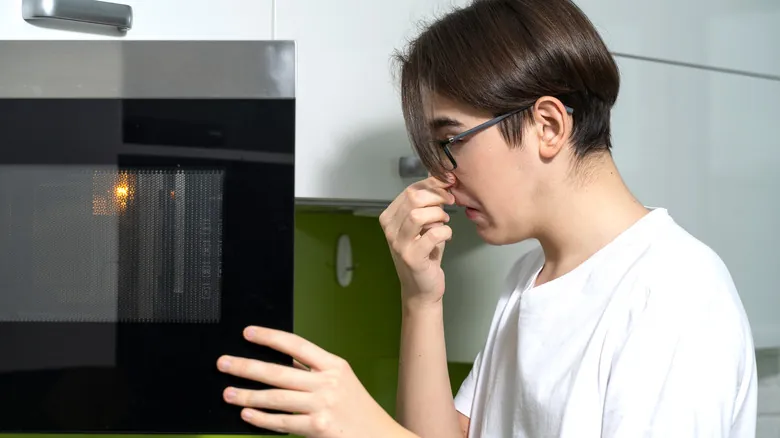
The primary reason for lingering smells is the accumulation of food debris on the interior walls. When you heat food, small droplets of fat and sauce splatter onto the ceiling and sides. These particles cook repeatedly each time you use the machine, which carbonizes the residue and creates a permanent burnt smell. This isn’t just a surface issue; the porous nature of some plastic interiors allows smells to penetrate deep into the material.
Another common cause involves the waveguide cover. This is a small, rectangular panel made of mica or plastic located on the side wall of the cavity. It prevents food from hitting the internal electronics. If this cover gets coated in grease, it will trap odors that are difficult to remove with a simple wipe.
Finally, if you notice a sharp, chemical or electrical smell, this indicates an internal component failure. According to the Consumer Product Safety Commission, you must stop using the device immediately if you see smoke or smell burning plastic, as this suggests a fire risk or electrical short.
Steam clean the interior surfaces
If the odor is caused by food residue, you can use steam to loosen the debris. Fill a microwave-safe glass bowl with 1 cup of water and 2 tablespoons of white vinegar. Place the bowl inside and heat it on high power for 3 to 5 minutes. These times assume a 1,000-watt microwave.
Don’t open the door immediately after the timer stops. Let the bowl sit inside for 5 minutes so the steam can penetrate the grime. After this, carefully remove the bowl using oven mitts, as it will be very hot.
Wipe down the interior walls, ceiling, and floor with a damp cloth or sponge. The softened food should come off easily without scrubbing. If you still smell odors, repeat the process with fresh water and vinegar. This method works for most food-based smells but won’t fix issues caused by damaged internal electrical parts.
Clean the vent filter and exterior

If your microwave is an over-the-range model, it features a grease filter on the bottom. These filters trap oils from the stovetop below. When they become saturated, they smell like old, rancid fat regardless of how clean the interior is. To check, remove the filter and hold it up to a light. If you can’t see light through the mesh, it’s clogged. Soak the filter in a sink filled with hot water and a strong dish soap for 15 minutes.
Use a soft brush to scrub the mesh, then rinse it thoroughly with hot water. Dry the filter completely before putting it back. If the grease is hardened, you may need a degreasing spray, but ensure you rinse it away entirely.
This fix isn’t for those who are uncomfortable handling greasy components or who can’t safely reach the underside of their unit. If you find the grease has reached the motor or internal wiring, contact a professional technician to avoid damaging the fan assembly.
Replace the waveguide cover
If the smell remains after you have cleaned the interior and filters, inspect the waveguide cover. This component sits on the wall inside the cooking chamber. It often becomes brittle or stained with dark, burnt spots that harbor trapped odors. If you see visible charring or holes on this panel, it needs to be replaced. You can usually find a replacement cover online by searching for your microwave’s model number.
To replace it, gently pry the old cover off. It’s typically held in place by small plastic tabs or a single screw. Clean the area underneath with a damp cloth before snapping the new piece in. This is a simple fix for most users, but it’s only effective if the smell is localized to the cover.
If you hear loud popping sounds or see sparks while the microwave runs, this indicates the magnetron is failing. At that point, stop using the unit and consult a certified repair service to prevent further damage.
What to avoid when cleaning
- Never use harsh chemicals like bleach or ammonia: These substances can damage the interior finish and leave toxic fumes that will recirculate the next time you heat food.
- Don’t use steel wool or abrasive scouring pads: These scratch the interior coating, creating new grooves for food and bacteria to hide in, making future odors much worse.
- Avoid soaking the control panel: Water inside the electronics can cause the unit to short circuit; always use a lightly damp cloth and wipe away excess moisture immediately.
- Don’t ignore a burning electrical smell: If the odor is sharp and metallic, it isn’t food; unplug the unit and call a professional, as a capacitor can hold a lethal charge even when unplugged.
- Never leave metal objects inside: Even small foil pieces can cause arcing, which creates ozone and a distinct “burnt” smell that can linger in the plastic.
Keep your microwave fresh
| If you’re doing this | Do this instead | Why |
|---|---|---|
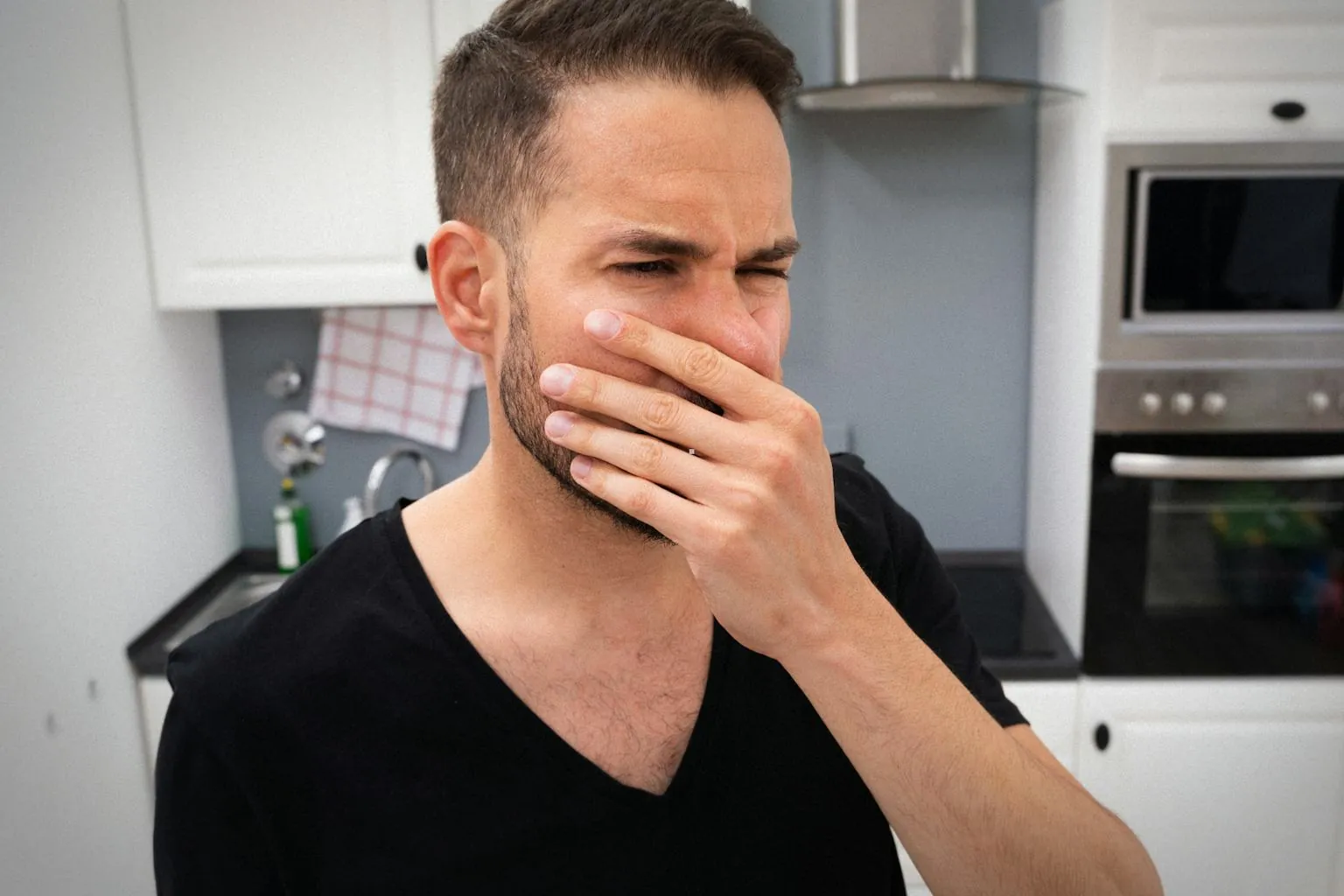
| Leaving splatters to dry | Wipe immediately with a damp cloth | Prevents carbonization and trapped smells |
| Using high heat for long times | Use a microwave-safe cover or lid | Keeps the interior clean and reduces splatters |
| Ignoring vent filters | Clean filters every 3 months | Removes rancid grease that causes bad odors |
| Using strong cleaners | Use vinegar and water steam | Safely loosens food without toxic residue |
Related guides
Frequently asked questions
How long does the vinegar smell last?
The vinegar smell usually disappears within 30 to 60 minutes after you finish cleaning. If you leave the microwave door open for 15 minutes after wiping it down, the air circulation will remove the residual scent quickly. You don’t need to worry about the smell transferring to your food, as the vinegar evaporates completely during the steaming process.
Is it safe to use a microwave that smells like burning?
No, you should stop using it immediately if you smell burning. A burning smell often indicates that an internal component like the magnetron or a wire is overheating, which presents a significant fire risk. Unplug the unit and don’t attempt to open the housing, as internal components can hold a lethal electrical charge even after the power is disconnected.
Why does my microwave smell like plastic?
It smells like plastic because the interior surfaces or the waveguide cover are overheating during the cooking cycle. This can happen if the unit is overloaded or if the ventilation is blocked. If the smell persists after the unit cools down, check the interior for melted plastic or a damaged waveguide cover that may need to be replaced by a professional.
How often should I clean the microwave to prevent odors?
You should wipe the interior once a week to prevent food particles from building up. If you cook items that splatter often, such as soups or sauces, wipe it down after every use. Regular maintenance prevents the grease from hardening into the interior walls, which is the most common reason for persistent, long-term odors in any kitchen appliance.
Can I use baking soda to remove smells?
Yes, you can place a small open container of baking soda inside the microwave while it isn’t in use. Leave it there for 24 hours to absorb remaining odors from the air inside the cavity. Ensure you remove the container before you turn the microwave on, as the powder can spill and create a mess that’s difficult to clean.
What happens if I ignore a bad smell?
If you ignore a bad smell, the food particles will continue to burn and carbonize, eventually becoming impossible to remove without damaging the interior. Persistent grease buildup can also attract pests or lead to localized overheating, which may warp the plastic interior or damage the waveguide cover. Clean the unit as soon as you notice the smell to keep it operating safely.
Conclusion
If you have tried cleaning the interior, replacing the waveguide cover, and washing the grease filters but the smell remains, the issue likely lies within the internal wiring or the magnetron. Because these parts involve high-voltage electricity, you must stop using the appliance and contact a professional repair technician. A qualified expert can safely diagnose the failure without risking your safety or damaging the unit further.