
When milk smells bad, it’s usually a sign that bacteria have multiplied enough to produce sour-smelling byproducts like lactic acid. You should discard it immediately because spoiled dairy isn’t safe to consume, even if it hasn’t yet reached the expiration date printed on the container.
How to identify when milk smells bad
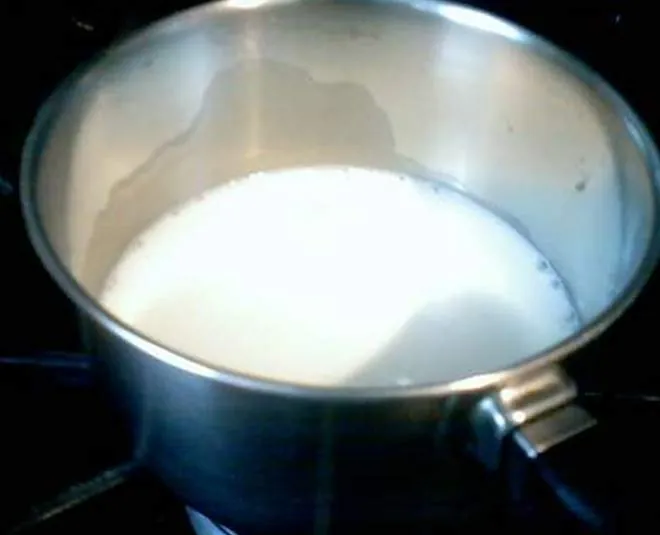
You can confirm if your drink is unsafe by checking for signs of spoilage beyond just the scent. Trusting your senses is often more reliable than relying solely on the date stamped on the carton, as storage conditions greatly affect shelf life.
A sour, vinegar-like, or “off” odor is the clearest sign of bacterial growth. If you detect a sharp, acidic tang immediately upon opening the seal, discard the contents regardless of the appearance.
Lumps, curds, or a thick, slimy consistency indicate the proteins have started to break down. Pour a small amount into a clear glass to inspect for these changes, as they’re often hidden by the opaque walls of a carton.
Any yellowing or a dull, greyish tint suggests the product is no longer fresh. A bulging or swollen container is an even more urgent warning; it means gases from bacterial fermentation are building up inside.
People often mistake a “best by” date for a safety deadline, but consuming dairy past that window risks foodborne illness if the cold chain was ever broken during transport.
Why spoilage happens in refrigerated milk
The primary reason milk smells bad is the rapid growth of spoilage bacteria that thrive even at cold temperatures. These microorganisms consume the lactose in the milk and convert it into lactic acid, which gives the liquid its sharp, sour smell and causes the proteins to clump together. While pasteurization kills most pathogens, it doesn’t remove every single bacterium, meaning some organisms will eventually multiply given enough time.
Temperature control is the most important factor in keeping dairy fresh. According to the USDA Food Safety and Inspection Service, you must keep your refrigerator at or below 40°F to slow down the growth of these bacteria. If your fridge temperature rises above this point, the rate of bacterial reproduction increases significantly, which will spoil the milk much faster than the label expects.
This process is a natural part of dairy aging, but it isn’t a health risk if you avoid drinking the product. The smell is your early warning system that the chemical composition of the liquid has changed. If you notice this odor, you should pour the liquid down the sink rather than trying to use it in cooking, as heating won’t remove the sour flavor or the byproducts of the bacteria.
When the signs are misleading
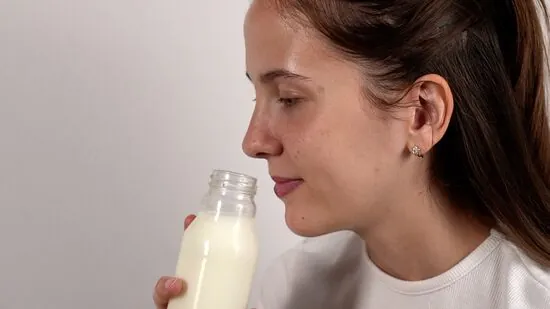
Sometimes, milk may seem off for reasons other than bacterial spoilage. Use this table to differentiate between normal changes and actual waste.
| Situation | What changes | What to do instead |
|---|---|---|
| Fridge smells | Ambient odor transfer | Store in sealed containers |
| Frozen milk | Texture after thawing | Use only for cooking |
| Light exposure | Flavor profile | Keep in opaque carton |
| Recent purchase | Sour metallic scent | Return to the store |
| High-temp storage | Rapid onset spoilage | Adjust fridge thermostat |
If milk separates into watery curds and yellow whey, it has hit the point of no return. Don’t try to salvage it. You can distinguish this from simple fat separation by shaking the carton vigorously for ten seconds. If the clumps remain, the proteins have denatured beyond repair.
Many people mistakenly discard milk that has simply absorbed the scent of nearby onions or fish. If the milk smells like the fridge but tastes sweet, it’s perfectly safe to consume. Always perform a taste test on a small spoon away from the carton to avoid cross-contamination. If the liquid feels slimy or leaves a thick film on your tongue, discard it immediately.
Proper storage to prevent early spoilage
Follow these steps to keep your dairy fresh for as long as possible. Always check your appliance settings before storing new items to ensure your environment is ready.
- Keep it cold: Place the carton in the back of the refrigerator where the temperature is most stable, rather than on the door shelves.
- Seal it tight: Keep the cap or lid tightly closed after every use to prevent the liquid from absorbing other food smells from the fridge.
- Check the temp: Ensure your fridge thermometer reads 40°F or lower; if it reads higher, adjust the dial until the internal temperature stabilizes in the safe range.
- Avoid light: Store the product in its original opaque container to prevent light-induced flavor changes that happen even if the milk isn’t yet spoiled.
- Use clean utensils: Never drink directly from the carton, as saliva introduces new bacteria that can speed up the souring process significantly.
- Rotate stock: Always move older cartons to the front of the shelf so you use them before the newer ones, minimizing the risk of expiration.
Common mistakes that ruin freshness
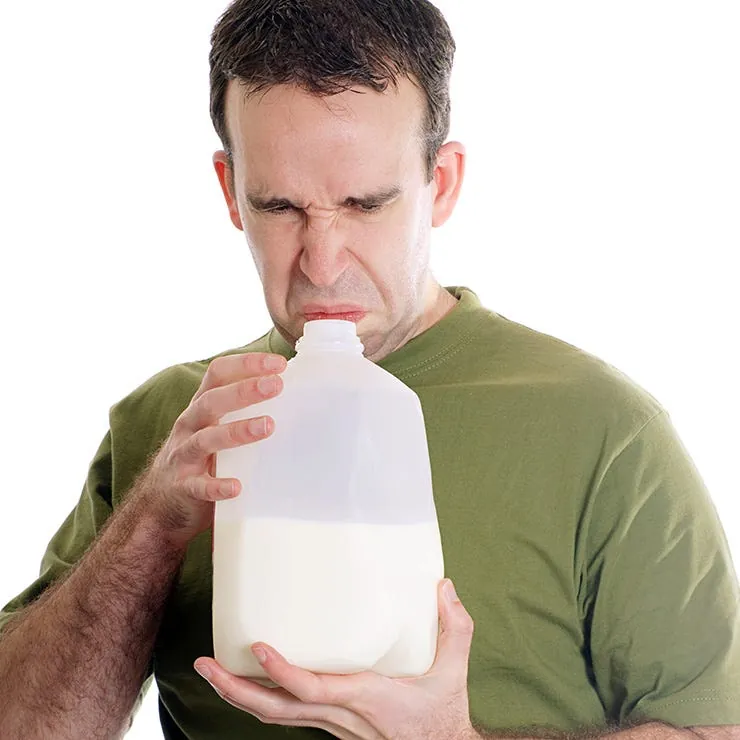
Storing milk in the door exposes it to constant temperature fluctuations every time you open the fridge. This inconsistency accelerates spoilage, cutting the product’s shelf life by nearly half. Always tuck your carton into the back of the bottom shelf where the air remains coldest and most stable.
Leaving milk on the counter for more than two hours invites rapid bacterial growth. Once the internal temperature rises above 40°F, you enter the danger zone where spoilage becomes inevitable. If you have left a carton out during a meal, don’t try to save it by chilling it again.
Milk can absorb ambient odors through the surface of the liquid. Storing your carton next to pungent items like onions or fish causes the milk to absorb those smells through the plastic. Use a dedicated bin to isolate dairy from aromatic produce. Finally, ensure your fridge stays at or below 40°F.
Related guides
Frequently asked questions
Can I drink milk past the expiration date?
You shouldn’t drink it if it smells bad, regardless of the date. If the milk has no off-smell and no visible lumps, it’s likely safe to consume within a few days of the date, provided it has been kept at or below 40°F the entire time.
Why does my milk smell like chemicals?
It often smells like chemicals or plastic if it has absorbed odors from other items in your fridge. Check if your container is sealed properly and move it away from strong-smelling foods to see if the scent disappears after a few hours of storage.
Does boiling spoiled milk make it safe?
Boiling won’t make spoiled milk safe to drink. While heat can kill the bacteria, it doesn’t destroy the acidic byproducts and toxins that cause the sour smell and can lead to digestive discomfort.
How long does milk last once opened?
It typically lasts 7 to 10 days after opening if stored at 40°F. This assumes you keep the container tightly closed and don’t introduce contaminants by drinking directly from the carton or using dirty utensils.
Is it safe to use sour milk for baking?
You should avoid using milk that has spoiled due to bacterial growth, even for baking. While high heat may kill the bacteria, the sour, acidic flavor will negatively affect your final recipe and could still cause an upset stomach.
What happens if I drink a small amount of spoiled milk?
You might experience mild digestive distress, such as nausea or an upset stomach, but it’s rarely serious for healthy adults. If you feel severe symptoms or have a weakened immune system, you should contact a medical professional for advice.
Does the type of container affect freshness?
Cardboard cartons allow more light and air exposure than plastic or glass bottles. If you want to maximize freshness, keep the original container inside a secondary sealed bag or use an opaque, airtight glass carafe for storage.
Conclusion
Proper storage is the best way to ensure your dairy remains fresh until you finish it. By keeping your refrigerator at the correct temperature and handling the product with care, you can prevent the souring process and reduce food waste in your kitchen.