
Dealing with a living space that has developed an unpleasant, damp odor can be incredibly frustrating, especially when you discover your carpet smells musty. This issue often stems from trapped moisture, hidden organic growth, or poor ventilation in the subfloor. Identifying the source is the first step toward reclaiming your home’s air quality, whether the problem is localized to a spill or systemic throughout your flooring. By systematically inspecting your environment and applying targeted cleaning techniques, you can effectively neutralize these persistent odors and prevent them from returning.
Key Takeaways
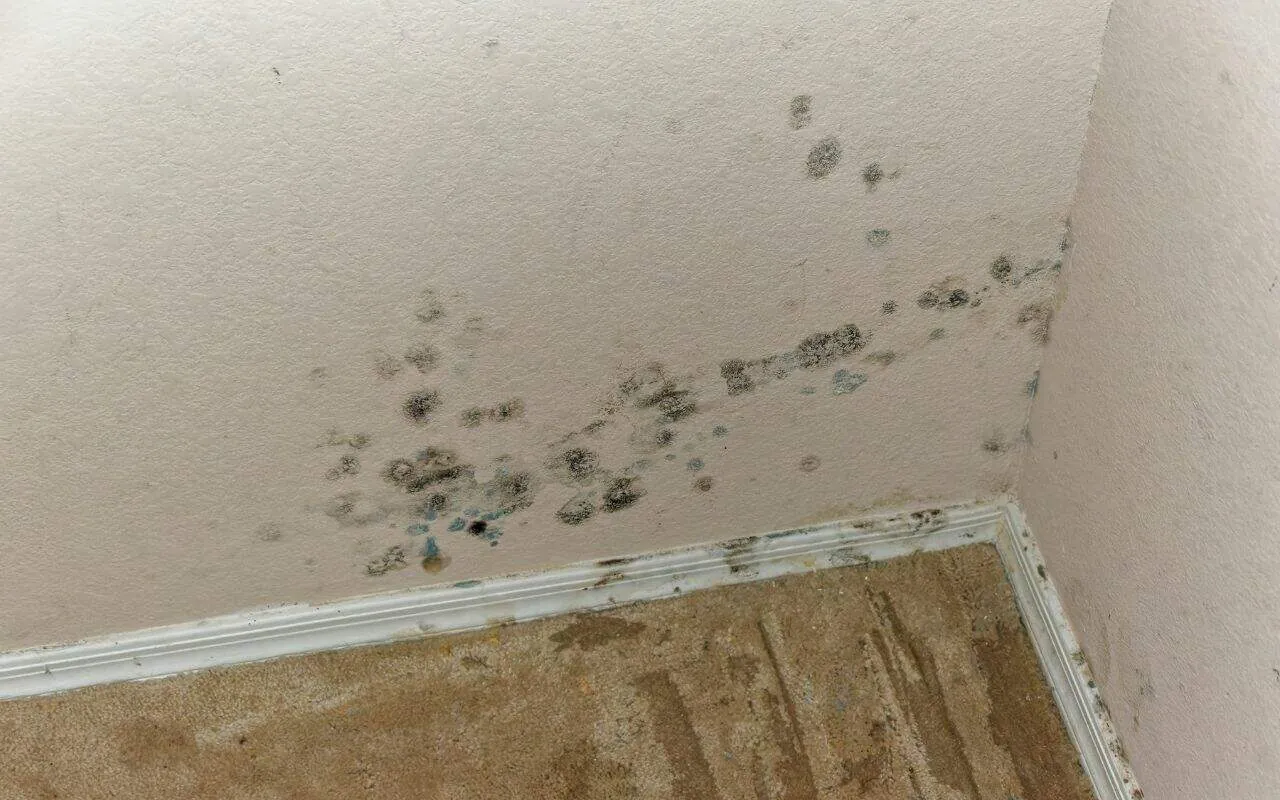
- Check for hidden water leaks or condensation near baseboards to rule out structural damage.
- Use moisture-absorbing materials to pull dampness from the carpet fibers immediately.
- Apply natural odor neutralizers like baking soda or white vinegar for safe, effective cleaning.
- Increase airflow in the room using fans or dehumidifiers to prevent mold regrowth.
- Professional deep cleaning or carpet replacement may be necessary if the padding is saturated.
Why Does My Carpet Smell Musty?
Understanding the root cause is essential for effective remediation. Musty odors are almost always the result of biological activity—specifically mold or mildew—thriving in a damp environment. When moisture penetrates deep into the carpet pile or reaches the pad beneath, it creates an ideal breeding ground for spores.
- High Humidity: Rooms with poor ventilation, like basements or bathrooms, trap moisture in fibers.
- Pet Accidents: Improperly cleaned pet waste leaves organic proteins that smell worse as they age.
- Subfloor Moisture: Leaks from plumbing or foundation cracks can seep upward into the carpet backing.
- Deep Stains: Spilled liquids that weren’t extracted completely can ferment within the padding.
- Flood Damage: Water-damaged carpets that weren’t professionally dried often retain lingering spores.
Essential Tools for Odor Removal
To tackle this effectively, you need a combination of chemical neutralizers and physical extraction tools. Avoid harsh bleach-based products, as these can damage fibers and potentially worsen mold issues by introducing more moisture.
| Tool Category | Recommended Products | Purpose |
|---|---|---|
| Absorbents | Baking soda, cornstarch | Pulls moisture and oils from fibers |
| Neutralizers | White vinegar, enzymatic cleaners | Breaks down organic odor molecules |
| Equipment | Wet-dry vacuum, dehumidifier | Removes physical liquid and humidity |
| Disinfectants | Commercial anti-microbial sprays | Kills active mold spores on contact |
How to Remove Musty Odors
Start by ensuring the room is well-ventilated. Open all windows and place a box fan in the doorway to pull air out of the room. Once the area is ventilated, follow these steps to treat the fibers.
The Baking Soda Method
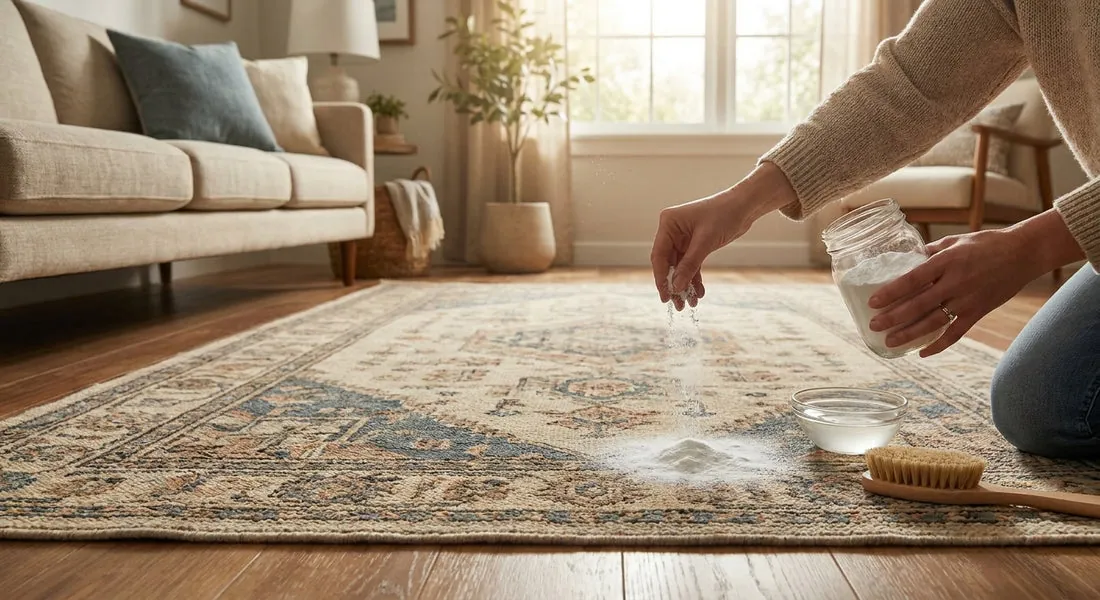
Sprinkle a generous layer of baking soda over the entire affected area. Use a soft-bristled brush to gently work the powder into the carpet pile. Let it sit for at least 24 hours to absorb the moisture and neutralize the sour scent. Vacuum thoroughly using a machine with a HEPA filter to ensure you trap fine particles.
The Vinegar Solution
Mix a solution of one part white vinegar to three parts warm water in a spray bottle. Lightly mist the carpet—don’t saturate it, as excess moisture will only feed more mold. Blot the area with clean, white microfiber towels. The vinegar acts as a natural deodorizer and helps to kill surface-level bacteria.
Pro Tip: Always test your cleaning solution on a small, hidden corner of the carpet to ensure colorfastness before applying it to the entire floor.
When Is It a Structural Issue?
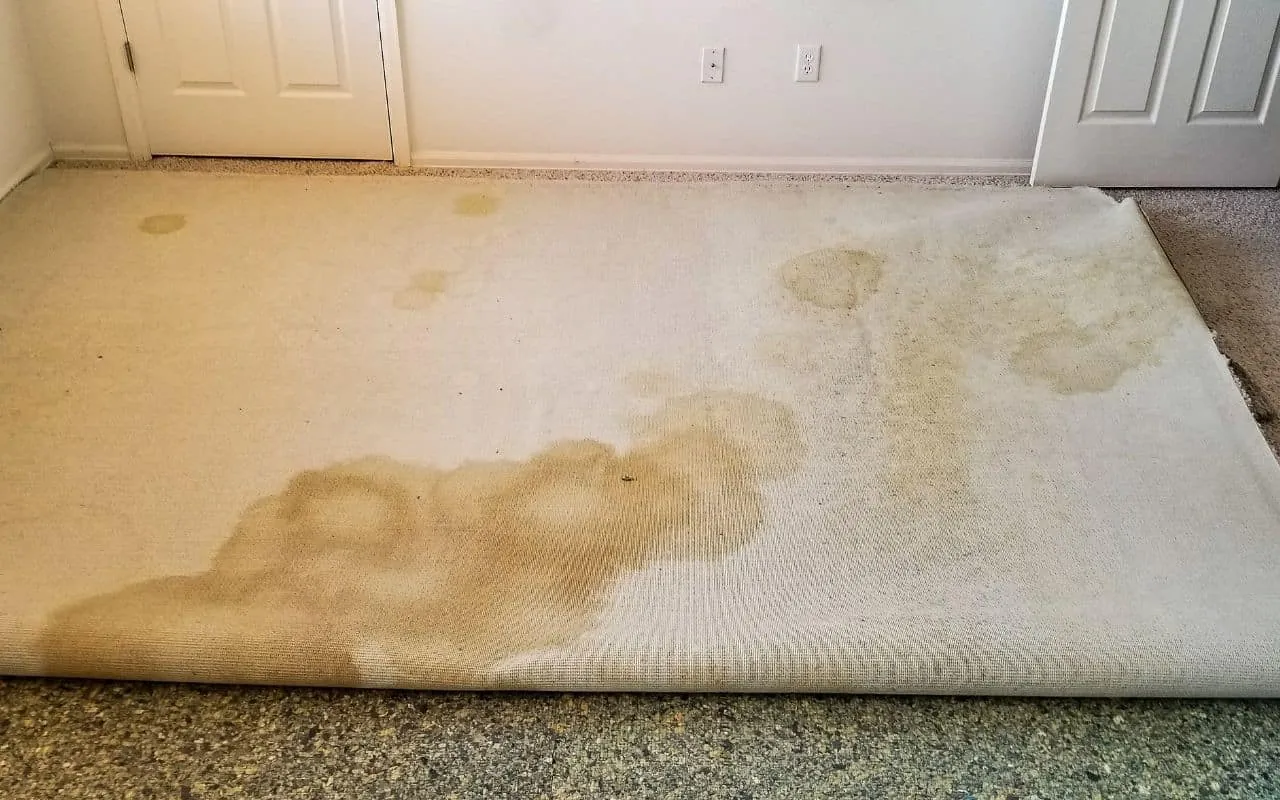
Sometimes, the smell isn’t coming from the carpet itself, but from the subfloor or padding. If you have cleaned the surface multiple times and the smell persists, the moisture is likely trapped underneath. If the padding is saturated, it’s often impossible to clean thoroughly, and replacement is the only hygienic solution.
Managing Humidity and Airflow
If your home has a recurring moisture problem, you must address the climate of the room. High humidity levels, typically above 60 percent, promote rapid fungal growth. Use a high-capacity dehumidifier to keep levels between 30 and 50 percent. Additionally, ensure that furniture is placed a few inches away from walls to allow air to circulate behind pieces, preventing the stagnation that often leads to musty pockets.
Deep Cleaning vs. Replacement
Knowing when to call in professionals can save you money and protect your health. If the smell is widespread or accompanied by visible dark spots, a professional steam cleaner may be required.
- Professional Cleaning: Uses high-heat extraction to reach deep into the padding.
- Carpet Replacement: Necessary if the backing is disintegrating or if the smell remains after professional cleaning.
- Pad Replacement: Often the most cost-effective solution if the carpet fibers are still in good condition.
Warning: Never attempt to steam clean a carpet that has suffered major flood damage unless you have professional-grade drying equipment, as you may inadvertently accelerate mold growth.
Preventing Future Musty Smells
Prevention involves vigilance. Keep your carpet dry by immediately addressing spills and using mats at entryways to limit the amount of moisture tracked into the home. Regularly inspect the areas beneath sinks, toilets, and windows for signs of slow leaks.
- Routine Vacuuming: Removes dust that holds moisture and provides food for mold.
- Humidity Control: Use exhaust fans in bathrooms and kitchens.
- Quick Drying: Always use a fan to dry wet carpets within 24 hours of a spill.
Related guides
Frequently Asked Questions
Can I use essential oils to mask the smell?
Essential oils aren’t recommended for musty carpets. They only provide a temporary fragrance and don’t neutralize the underlying mold or mildew. Furthermore, some oils can leave oily residues that attract more dust and dirt, eventually making the smell worse. It’s far more effective to use odor-absorbing powders or enzymatic cleaners that break down the source of the odor.
Is a musty carpet dangerous to my health?
Yes, a musty carpet can be a health hazard. The smell is often indicative of mold spores being released into the air. For individuals with asthma, allergies, or compromised immune systems, these spores can trigger respiratory issues, skin irritation, or headaches. If you notice persistent coughing or sneezing when in the room, it’s crucial to address the odor immediately or consult a professional.
Will sunlight help kill the mold smell?
Direct sunlight can help dry out a small, removable rug, but it’s ineffective for wall-to-wall carpeting. UV rays may kill some surface bacteria, but they can’t penetrate the carpet backing or the subfloor where the majority of the mold resides. Relying on sunlight won’t solve the humidity issue trapped within the fibers or the padding underneath the floor.
How do I know if the pad is ruined?
If you can smell the mustiness even after deep cleaning the surface, or if the carpet feels spongy or damp to the touch, the padding is likely compromised. Pulling back a corner of the carpet to inspect the pad is the best way to confirm. If you see dark discoloration, feel dampness, or notice a strong odor coming from the pad, it must be replaced.
Can I fix a musty smell myself?
You can effectively manage minor odor issues yourself using baking soda, vinegar, and improved ventilation. However, if the smell is caused by a significant water leak or flooding, DIY methods are rarely sufficient. In cases of extensive mold growth, it’s safer to hire a professional cleaning service or a restoration company to ensure the mold is completely removed and the area is properly dried.
Conclusion
Start by checking your carpet for dampness today; if it feels dry but smells musty, use a natural baking soda treatment tonight to begin neutralizing the odor, and place a dehumidifier in the room to prevent the problem from returning.