
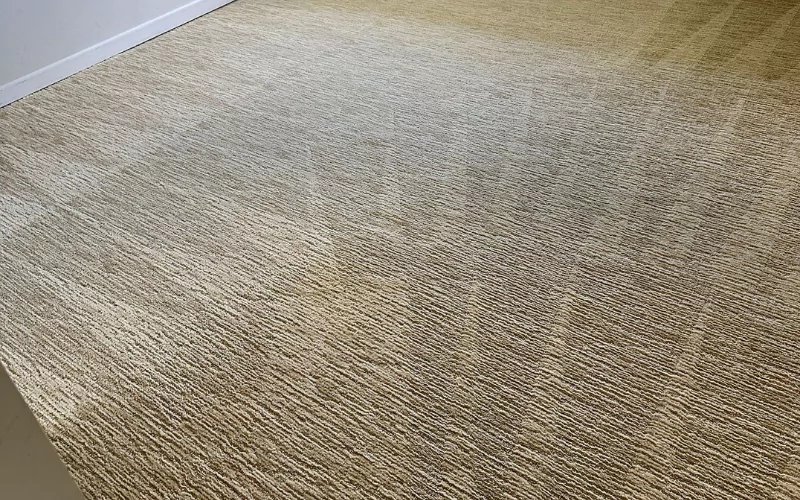
Finding that your carpet smells bad can be incredibly frustrating, especially when you have tried standard vacuuming to no avail. Whether the odor stems from trapped moisture, pet accidents, or simple accumulation of household dust and bacteria, there’s usually a logical explanation and a clear path to resolution. Addressing these issues early prevents the scent from becoming embedded in your padding or subfloor, which is significantly harder to treat than surface-level fibers.
Key Takeaways
- Identify the source of the odor, such as pet urine, mildew, or food spills, before choosing a cleaner.
- Prioritize deep cleaning methods like steam extraction over superficial masking agents like scented sprays.
- Manage humidity levels in your home to prevent mold growth within deep carpet pile.
- Use enzymatic cleaners specifically designed to break down organic proteins for pet-related smells.
- Always test any cleaning solution on an inconspicuous corner of the carpet to check for colorfastness.
Why does my carpet smell bad?
The most common causes for persistent carpet odors are typically related to moisture or biological matter. When organic material like food crumbs, pet dander, or spilled liquids settle into the fibers, they provide a nutrient-rich environment for bacteria to thrive. If the carpet backing remains damp for too long, mold and mildew can develop, which creates a distinct, musty odor that’s difficult to mask.
| Cause | Likely Odor Profile | Primary Treatment |
|---|---|---|
| Pet Accidents | Pungent, sharp, ammonia-like | Enzymatic cleaner |
| Mold/Mildew | Musty, earthy, damp | Dehumidification & steam |
| Food Spills | Sour, fermented, rotting | Deep extraction cleaning |
| Dust/Dander | Stale, heavy, dusty | HEPA vacuum & shampoo |
Professional vs DIY cleaning costs
If you’re weighing your options, the cost of professional intervention versus DIY solutions varies based on the size of the area and the severity of the contamination. For a standard 1,000-square-foot home, professional steam cleaning typically costs between $150 and $450. Renting a high-quality machine from a local hardware store usually ranges from $30 to $70 per day, plus the additional cost of specialized cleaning agents, which run between $15 and $40 per bottle.
How to neutralize pet odors
Pet accidents are the leading cause of stubborn household odors. Because urine contains uric acid crystals that don’t dissolve with standard soap and water, you must use a biological approach. Enzymatic cleaners are the gold standard here because they contain live bacteria cultures that “eat” the organic waste, effectively eliminating the source of the smell rather than just covering it up. Brands like Nature’s Miracle or Rocco & Roxie are widely recognized for their efficacy in this specific area.
Pro Tip: When treating pet stains, always saturate the area thoroughly to ensure the solution penetrates deep into the carpet pad, as this is where liquid often pools and stagnates.
Removing mold and mildew smells
If your carpet has been exposed to standing water, such as from a leaky pipe or a flood, the smell of mildew is likely coming from the backing. Using a high-capacity dehumidifier is essential during this process to prevent the mold from spreading to your furniture or walls.
The power of baking soda
Baking soda is a cost-effective, non-toxic remedy for general stale smells. For a mild odor, simply sprinkle a generous layer of baking soda across the affected area, leave it to sit for at least six to eight hours, and then vacuum it up with a machine that uses a HEPA filter. This works by absorbing moisture and neutralizing acidic odors trapped in the carpet pile.
Essential tools for deep cleaning
To effectively tackle deep-seated odors, you need the right gear. A standard vacuum is often insufficient because it only removes surface dust. For deep odors, consider these tools:
- HEPA-filtered vacuums: Essential for capturing microscopic allergens and dust that contribute to a stale, heavy odor profile.
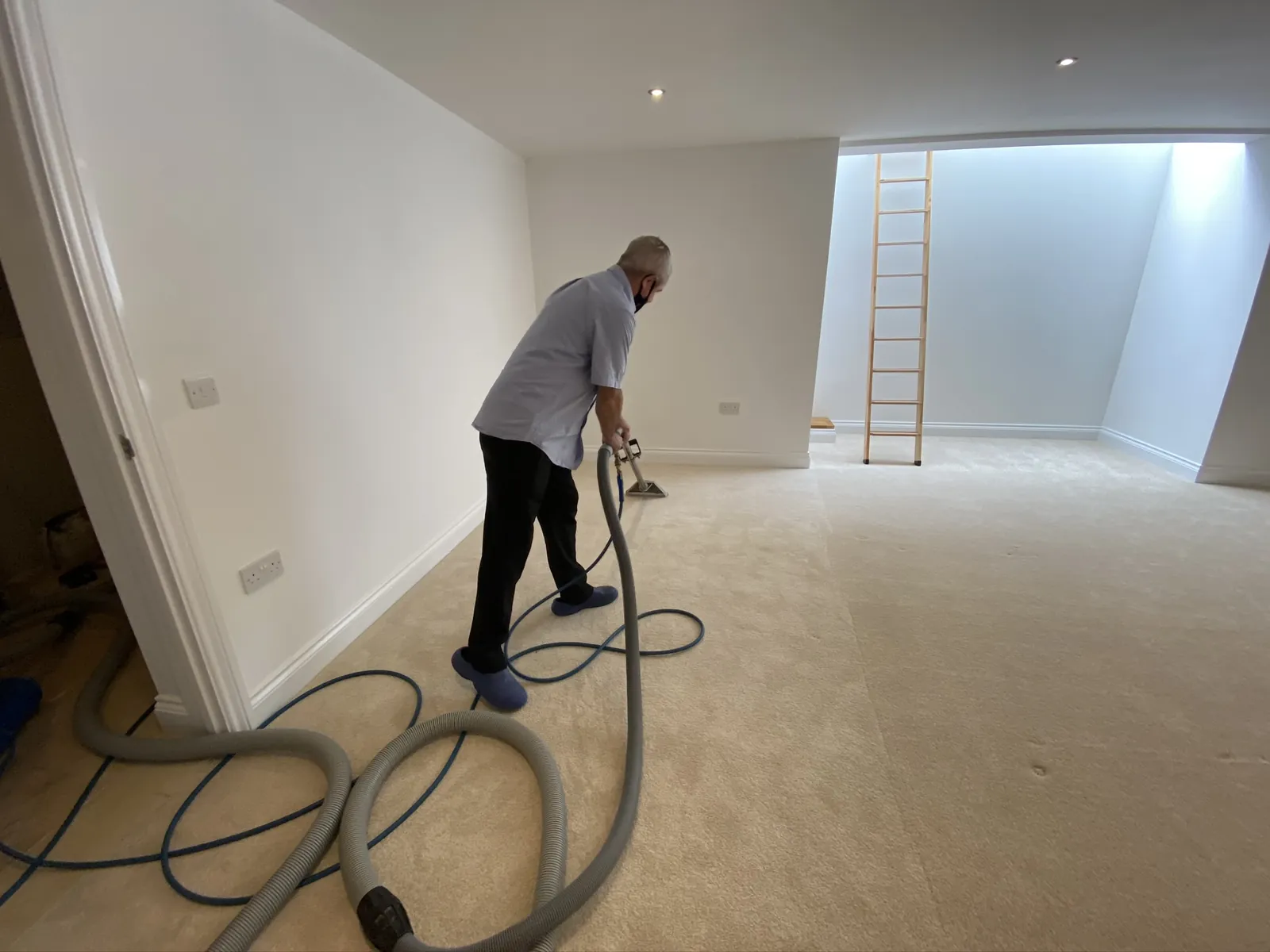
- Steam extraction machines: These machines inject hot water and detergent deep into the fibers and then suck the dirty water back out, which is necessary for removing deep stains.
- UV blacklights: These are incredibly helpful for locating hidden pet urine stains that may be invisible to the naked eye but are responsible for the lingering scent.
Maintaining a fresh carpet
Daily maintenance is the best way to prevent odors from returning. Establish a routine that includes vacuuming high-traffic areas at least twice a week. If you have pets, keep a specialized cleaner on hand for immediate spot treatment of accidents. Furthermore, placing entryway mats at every door will significantly reduce the amount of dirt, soil, and outdoor pollutants tracked onto your flooring, which is a major contributor to long-term carpet degradation.
Dealing with cigarette smoke odors
Smoke particles are oily and cling to carpet fibers with remarkable tenacity. A standard vacuum won’t remove them. Instead, you’ll need a professional-grade carpet shampooer combined with a deodorizing additive. For severe cases, an ozone generator may be necessary, but these must be used with extreme caution. Ozone treatments can be dangerous to humans, pets, and plants, so you must strictly follow the manufacturer’s safety protocols and vacate the premises during the process.
Troubleshooting persistent odors
If you have cleaned the carpet and the smell persists, the source might not be the carpet fibers themselves. Sometimes the smell is coming from the subfloor or the carpet padding, which can absorb liquids like a sponge. If you have tried professional steam cleaning and the odor remains, it’s highly probable that the padding is saturated and requires replacement.
Warning: Never attempt to use harsh chemicals like bleach or ammonia on your carpet, as these can permanently damage the fibers, cause discoloration, and potentially create toxic fumes when mixed with other cleaning agents.
Related guides
- How to Remove Mold From Wood Furniture: A Step-by-Step Guide in 2026
- How to Remove Solid Stain From Wood Deck: Step-by-Step Guide in 2026
Frequently Asked Questions
Can I use vinegar to clean my carpet?
Yes, white vinegar is an excellent natural deodorizer. Mix one part white vinegar with two parts water and lightly mist the carpet. The smell of vinegar will dissipate as it dries, taking many odors with it. However, don’t over-saturate the carpet, as excess moisture can lead to the very mold issues you’re trying to avoid. Always spot test first.
How often should I steam clean?
For a typical household, you should aim to have your carpets professionally steam cleaned or deep-cleaned once every 12 to 18 months. If you have pets or children, or if you live in a particularly dusty environment, you may need to increase this frequency to every 6 to 9 months to prevent the buildup of odors and allergens that become impossible to remove later.
Will professional cleaning remove all smells?
Professional cleaning is highly effective, but it can’t fix structural issues. If the odor originates from the subfloor or if the padding has been soaked through with pet urine, professional cleaning will only provide a temporary improvement. In these cases, the contaminated materials must be removed and replaced to completely eliminate the odor. Always ask for an inspection before beginning a deep cleaning service.
Why does my carpet smell after cleaning?
If your carpet smells worse after a cleaning, it’s likely because the carpet wasn’t dried properly. If the fibers remain damp for more than 24 hours, bacteria and mold growth accelerate, creating a sour, musty odor. To fix this, use fans, open windows, and a dehumidifier to circulate air and speed up the drying process as much as possible after every deep clean.
Are essential oils safe for carpets?
While essential oils can mask odors, they aren’t a cleaning solution. Furthermore, some oils can be toxic to pets if they ingest them or walk through them and then groom their paws. If you choose to use them, ensure they’re heavily diluted and avoid using them in households with cats or dogs, as their respiratory systems are highly sensitive to concentrated botanical oils.
Conclusion
To keep your home smelling clean and fresh, start by identifying the specific source of the odor. Once you have pinpointed whether the issue is biological, environmental, or related to moisture, choose the corresponding treatment method. Begin your next step by vacuuming the area thoroughly with a HEPA filter to remove loose debris before applying any liquid cleaning solutions or deodorizers.