
If your bathroom smells like rotten eggs, the cause is usually hydrogen sulfide gas, which forms when bacteria break down organic matter in drains, pipes, or the water supply itself. The odor can come from a dry drain trap, a clogged sink overflow, a neglected water heater, or even sulfur-reducing bacteria living in your well or municipal water. Finding the source is the first step to getting rid of it.
Key Takeaways
- Pour water into unused floor drains and shower drains to refill dry P-traps and block sewer gas.
- Scrub sink overflow holes with a bottle brush and a baking-soda-vinegar mix to remove trapped gunk.
- Flush the water heater tank and raise the thermostat temporarily to kill sulfur-reducing bacteria.
- Replace a corroded magnesium or aluminum anode rod with an aluminum-zinc rod if hot water smells worst.
- Test cold and hot water separately to tell whether the smell comes from the drain or the water supply.
- Call a plumber if the odor persists after cleaning drains and servicing the water heater.
Why Your Bathroom Smells Like Rotten Eggs
The rotten-egg odor is hydrogen sulfide, a gas created by bacteria feeding on organic material in moist, oxygen-poor places. In a bathroom that usually means inside drain pipes, under the sink rim, inside the overflow channel, or inside the water heater tank.
The gas can also enter through a dry drain trap, which is the curved pipe under a sink, shower, or floor drain that normally holds water to block sewer gas from rising into the room. When that water evaporates, the seal breaks and the smell comes straight through.
Sewer gas contains hydrogen sulfide along with methane and other gases, and it isn’t just unpleasant. In high concentrations it can cause headaches, dizziness, and nausea, so a persistent odor shouldn’t be ignored.
Check the Drains First
Start with the most common culprits. A bathroom sink, shower, or tub drain collects hair, soap scum, skin cells, and toothpaste residue. Bacteria colonize that buildup and release hydrogen sulfide as they break it down. The smell is often strongest right at the drain opening and gets worse after you run the water, because the flow disturbs the colony and pushes gas upward.
- Remove the drain stopper or strainer and pull out visible hair and sludge with a zip-tool or gloved hand.
- Pour half a cup of baking soda down the drain, followed by half a cup of white vinegar. Let it fizz for 15 minutes, then flush with a kettle of hot water.
- Use an enzyme-based drain cleaner monthly to keep organic buildup from returning.
P-trap maintenance matters too. If a guest bathroom or basement shower goes weeks without use, the water in the trap can evaporate. Run every fixture for at least 30 seconds once a week to keep the trap filled.
Don’t Overlook the Sink Overflow Hole
The overflow hole near the top of the bathroom sink is a hidden odor factory. It sits above the waterline most of the time, so it never gets flushed out, yet it collects soap scum, toothpaste drips, and standing moisture. Bacteria thrive there, and the smell wafts out every time you use the sink.
- Dip a thin bottle brush or pipe cleaner into a mix of baking soda and water.
- Scrub the overflow channel thoroughly, then rinse with hot water.
- Repeat weekly until the odor fades, then monthly as prevention.
Test Whether the Smell Is in the Water
Before you assume the drain is to blame, determine if the water itself carries the odor. Fill a glass with cold water from the bathroom tap and smell it away from the sink. Then fill a second glass with hot water and do the same.
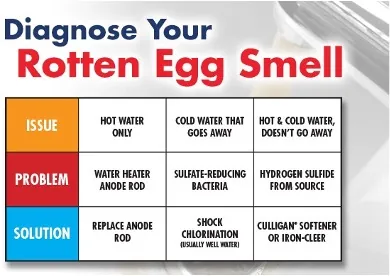
- If only the hot water smells, the problem is almost certainly inside the water heater.
- If both hot and cold water smell, the issue may be in the plumbing supply or, for well owners, in the groundwater.
- If neither glass smells but the bathroom does, the source is the drain, the overflow hole, or a dry trap.
This test takes two minutes and prevents you from replacing an anode rod when the real issue is a clogged sink overflow.
Water Heater Causes and Fixes
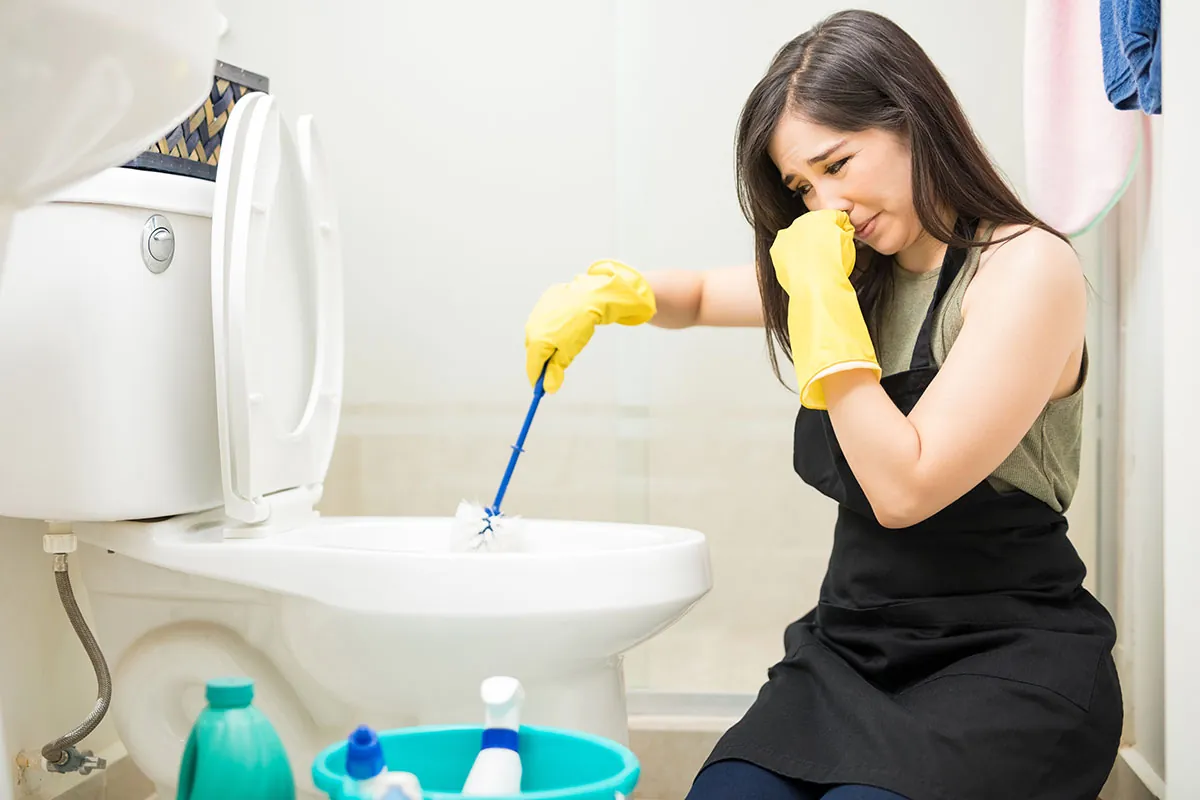
A water heater is a classic source of rotten-egg smells. Sulfur-reducing bacteria live naturally in some water supplies and find a warm home inside the tank. They react with the sacrificial anode rod — usually made of magnesium or aluminum — to produce hydrogen sulfide gas. The smell is typically strongest when you first turn on hot water in the morning.
- Flush the tank to remove sediment where bacteria feed.
- Raise the water heater thermostat to 140°F for several hours to kill the bacteria, then lower it back to 120°F. Use caution: water at 140°F can scald.
- Replace a worn magnesium or aluminum anode rod with an aluminum-zinc alloy rod, which is less likely to react with bacteria.
- If the heater is more than 10 to 12 years old and the tank is corroded, replacement may be more practical than repeated treatment.
Warning: Turn off power or gas to the water heater before draining the tank, and let the water cool to avoid serious burns.
Well Water and Municipal Water Issues
If both hot and cold water smell like rotten eggs, the source may be the water entering your home. Private wells sometimes contain sulfur-reducing bacteria or dissolved hydrogen sulfide gas. Municipal systems rarely deliver smelly water, but a water main break or stagnant dead-end line can occasionally introduce sulfur odors.
- Contact your local health department to arrange a water test for hydrogen sulfide, iron bacteria, and sulfate.
- For well water, shock chlorination by a licensed well contractor can reduce bacterial levels.
- A whole-house activated carbon filter or an oxidizing filter system may be recommended based on test results.
- If you’re on city water and only one bathroom smells, the issue is almost certainly inside your home’s plumbing rather than the municipal supply.
When the Toilet Is the Source
A toilet can smell like rotten eggs even when the bowl looks clean. The wax ring that seals the toilet base to the floor can fail, allowing sewer gas to leak into the room. A cracked toilet base or a loose flange can create the same problem. If the smell is strongest at the floor around the toilet, this is a likely cause.
- Tighten the toilet base bolts gently; overtightening can crack the porcelain.
- If the rocking continues or the smell remains, turn off the water, drain the toilet, and replace the wax ring.
- Check that the vent pipe on the roof isn’t blocked by leaves or debris, since poor venting can slow drains and allow gas to build up.
DIY Fixes vs. Calling a Plumber
Many bathroom odor problems can be handled without professional help, but some situations require a licensed plumber. Use this comparison to decide.
| Situation | DIY Fix | Call a Plumber |
|---|---|---|
| Dry drain trap | Run water weekly | Not needed |
| Clogged sink overflow | Bottle brush and baking soda | Not needed |
| Drain buildup | Enzyme cleaner, baking soda and vinegar | Not needed |
| Water heater odor | Flush tank, raise temperature temporarily | Replace anode rod or aging unit |
| Sewer gas at toilet base | Tighten base bolts | Replace wax ring or flange |
| Smell in both hot and cold water | Water test | Well contractor or licensed plumber |
| Odor persists after all cleaning | Not recommended | Camera inspection of drain line |
Maintenance Schedule to Keep the Smell Away
Prevention is cheaper than emergency plumbing. A short routine keeps bacteria and sewer gas from getting a foothold.
| Frequency | Task | Why It Helps |
|---|---|---|
| Weekly | Run water in every sink, shower, and floor drain for 30 seconds | Keeps P-traps filled and blocks sewer gas |
| Weekly | Scrub sink overflow holes with a bottle brush | Removes bacteria before they colonize |
| Monthly | Treat drains with enzyme cleaner | Breaks down organic buildup |
| Every 1–2 years | Flush the water heater tank | Removes sediment that feeds bacteria |
| Every 3–5 years | Inspect the anode rod | Catches corrosion before it creates odors |
| As needed | Replace toilet wax ring if the toilet rocks or smells | Stops sewer gas leaks at the floor |
Products and Brands That Exist
You don’t need specialty chemicals for most bathroom odor issues, but a few widely available products can help. Drano Max Gel Clog Remover is sold by SC Johnson for clearing organic drain clogs. Bio-Clean Drain Septic Bacteria is marketed as an enzyme-based drain maintenance product.
For anode rods, manufacturers such as Rheem and A. O. Smith sell replacement parts compatible with their water heaters. Always match the rod to your tank’s make and model, and shut off power or gas before working on the unit.
Related guides
Frequently Asked Questions
Can a rotten egg smell in the bathroom be dangerous?
Yes, if it’s sewer gas. Hydrogen sulfide can cause headaches, dizziness, and nausea at higher levels, and methane is flammable. A persistent odor warrants finding the source quickly rather than masking it with air freshener.
Will bleach fix a smelly bathroom drain?
Bleach can kill some surface bacteria, but it doesn’t remove the hair and soap scum that feed the colony, so the smell often returns. Baking soda, vinegar, hot water, and a physical cleaning of the overflow hole usually work better.
Why does only the hot water smell like rotten eggs?
That points to the water heater. Sulfur-reducing bacteria react with the magnesium or aluminum anode rod inside the tank to create hydrogen sulfide gas, which is released when you draw hot water.
How often should I flush my water heater?
Most manufacturers recommend flushing the tank once a year to remove sediment. If your water is hard, you may need to do it more often.
Should I replace my anode rod myself?
You can if you’re comfortable shutting off power or gas, draining the tank, and using a socket wrench to remove the old rod. Otherwise, hire a plumber. An aluminum-zinc rod is often recommended for sulfur odor issues.
Can city water smell like rotten eggs?
Rarely, but it can happen after a water main break or in a stagnant section of the distribution system. If both hot and cold water smell and your neighbors report the same issue, contact your water utility.
Conclusion
Finding the source of the rotten-egg smell is the most important step. Start by running water in every drain, scrubbing the sink overflow holes, and testing hot and cold water separately. Most bathroom odors clear up with those simple actions, but if the smell lingers after cleaning and water-heater maintenance, book a licensed plumber for a camera inspection or a full system check.