
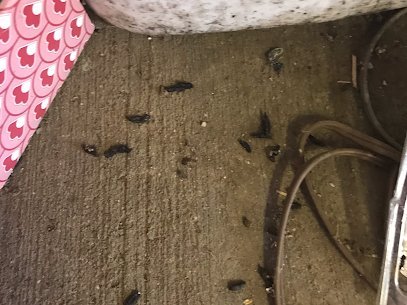
If your bathroom smells like dead animal, the odor usually comes from something trapped inside a wall, under the tub, inside the drain, or behind the toilet. The smell can start suddenly and grow stronger over days, which makes finding the source feel like detective work. This article walks you through where to look, how to tell if it’s a real carcass versus sewer gas, and what to do about each possibility.
Key Takeaways
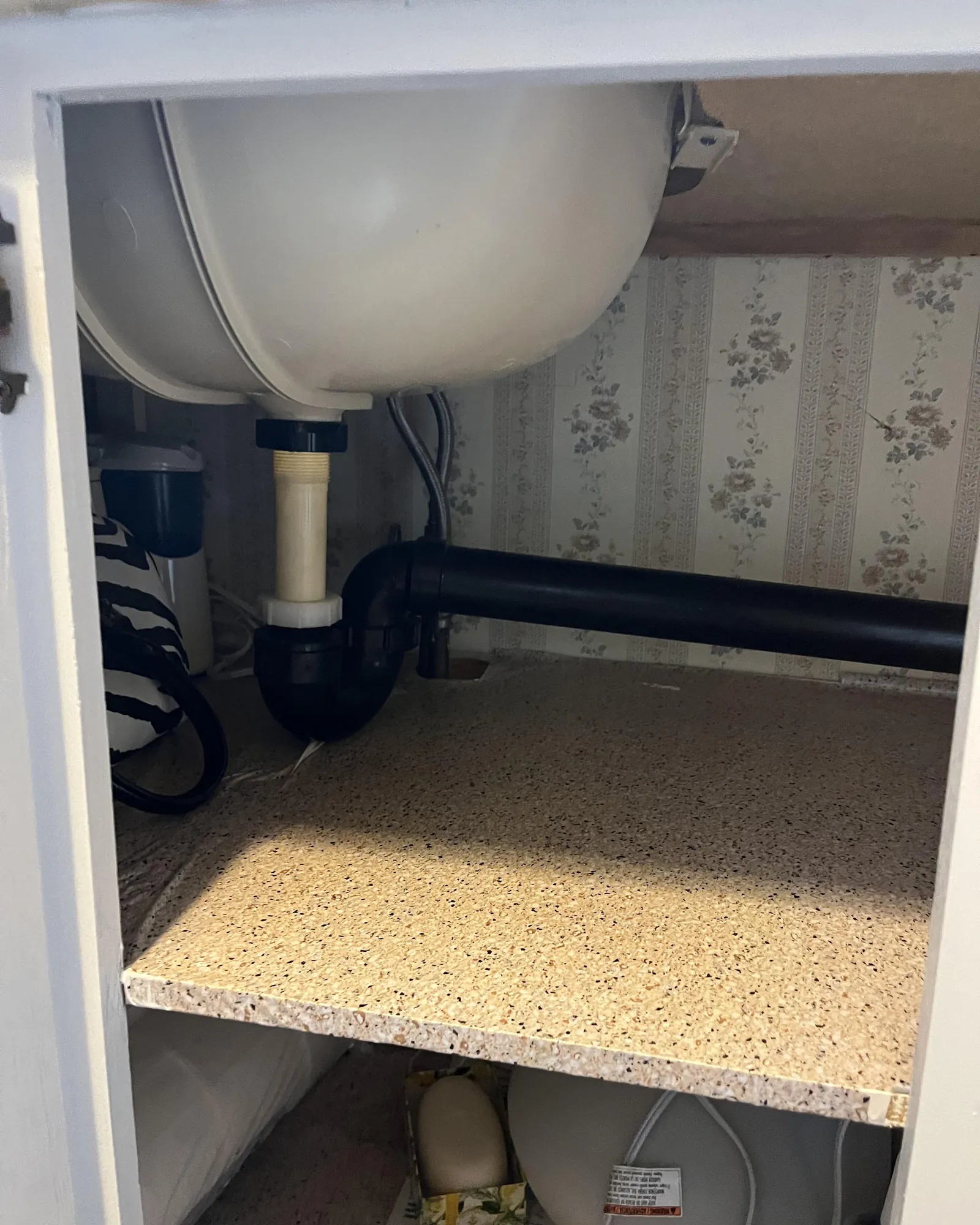
- Check the drains first; hair, soap scum, and biofilm can smell like rot and are easier to fix than a dead animal.
- Run water in unused sinks, showers, and toilets to refill dried P-traps that let sewer gas into the room.
- Sniff around the base of the toilet, behind the tank, and along walls to localize the odor before you cut into anything.
- Turn off the HVAC fan and close the bathroom door to keep the smell from spreading through the house.
- Call a plumber if the odor is strongest at the wall or floor and you can’t find a drain or trap cause.
Common Causes of a Dead-Animal Smell in the Bathroom
Several things can produce that unmistakable rotting odor. The most common are a rodent or small animal trapped in a wall or ceiling, a dried-out P-trap allowing sewer gas to enter, a clogged or biofilm-covered drain, a failed wax ring under the toilet, or a vent stack blockage. A dead animal typically smells sweet-sour and putrid, while sewer gas smells more like rotten eggs or swamp waste. Knowing the difference matters because the fix for each is completely different.
Dead Rodent or Small Animal in the Wall
Mice, rats, squirrels, and even birds can enter through small gaps around pipes, vents, or the roofline and die inside a wall cavity or above the ceiling. Bathrooms are especially vulnerable because plumbing chases run vertically through walls and offer easy access. The odor usually peaks about one to two weeks after death and can linger for a month or more as the body dries out.
Pro Tip: Turn off the bathroom exhaust fan and close the door while you sniff around. If the smell concentrates at one spot on the wall or ceiling, that’s likely where the animal is.
Dried-Out P-Trap or Floor Drain
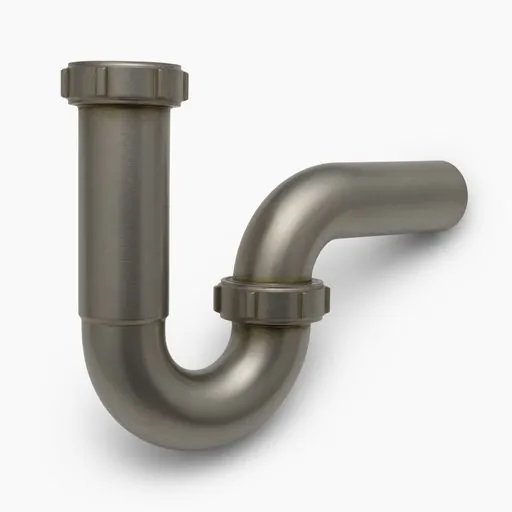
Every sink, shower, and toilet has a P-trap—a U-shaped pipe that holds water to block sewer gases. If a guest bathroom or basement bath goes unused for weeks, the water in the trap evaporates. Once the water seal is gone, sewer gas rises into the room and can smell like decay. Floor drains in older bathrooms can dry out the same way.
Clogged Drain or Biofilm Buildup
Hair, soap scum, toothpaste, and skin cells collect in bathroom drains. Bacteria feed on this organic matter and create a biofilm that smells sour, musty, or like something dead. The odor is usually strongest right at the drain opening and gets worse when you run water, because the flow disturbs the buildup.
Failed Toilet Wax Ring
The wax ring seals the toilet to the floor drain flange. If it leaks or compresses over time, sewer gas and moisture can escape around the base of the toilet. You might also notice the toilet rocks slightly or the floor feels soft nearby. A bad wax ring doesn’t usually smell exactly like a carcass, but in a small bathroom the sewer-gas odor can be mistaken for one.
Blocked Plumbing Vent Stack
Plumbing vents extend through the roof and allow air to move through the drain system. Leaves, bird nests, or snow can block the vent. When that happens, pressure changes can suck water out of traps or force sewer gas back into the bathroom through the drains. This problem often affects multiple fixtures at once.
Where to Check First
Start with the least invasive possibilities before you open walls.
- Smell each drain. Put your nose close to the sink, shower, and tub drains. If one smells much worse than the others, start there.
- Run water in every fixture. Fill sinks and tubs, and flush the toilet. If the smell fades after running water, a dried trap was likely the cause.
- Inspect the toilet base. Look for water stains, loose caulk, or a rocking toilet. Press gently on the floor around the base; softness can mean a long-term leak.
- Sniff the walls and ceiling. Move slowly around the room. A dead animal odor is often strongest at a specific spot, especially low on the wall near plumbing pipes or high near the ceiling.
- Check the crawl space or basement. If the bathroom is above a crawl space or basement, look at the floor joists and pipes below the room. A dead animal there can smell up through the floor.
How to Confirm It Is a Real Carcass
A real dead animal smell has a few telltale signs. It tends to intensify in humid weather and may attract flies. You might see small flies or maggots near a wall baseboard or ceiling corner. The odor also tends to be localized—strong in one corner, weaker three feet away. Sewer-gas smells, by contrast, usually come from drains and often smell like sulfur or rotten eggs rather than sweet decay.
If you suspect a carcass but can’t see it, don’t start cutting drywall based on a guess. The smell can travel along wall studs and pipes, making the worst spot misleading. A borescope camera pushed through a small hole can confirm the location without tearing open a large section of wall.
DIY Steps to Remove the Odor
Once you find the source, here is how to handle each situation.
Removing a Dead Animal You Can Reach
If the animal is accessible—say, behind an access panel or in a crawl space—wear gloves and a mask, place it in a sealed plastic bag, and dispose of it in an outdoor trash bin. Clean the area with a disinfectant cleaner. If the smell remains, place an open box of baking soda or a bowl of activated charcoal nearby to absorb lingering odors.
Clearing a Smelly Drain
Pour a half-cup of baking soda down the drain, followed by a half-cup of white vinegar. Let it fizz for fifteen minutes, then flush with a gallon of boiling water. For tougher biofilm, use a drain brush or a plastic drain snake to pull out hair and gunk. Avoid using chemical drain cleaners as a first resort; they can damage older pipes and often don’t remove the biofilm causing the smell.
Refilling a Dried P-Trap
Run water down the unused drain for about thirty seconds. For a floor drain, pour a quart of water into it, followed by a couple of tablespoons of mineral oil. The oil floats on top of the water and slows evaporation so the trap stays sealed longer.
Replacing a Toilet Wax Ring
Turn off the water supply, flush to empty the tank, and disconnect the supply line. Remove the bolts, lift the toilet straight up, and scrape off the old wax. Install a new wax ring or a wax-free rubber seal, reset the toilet, and tighten the bolts evenly. If the flange is damaged, replace it before resetting the toilet.
When to Call a Professional
Some situations are beyond a weekend DIY project. Call a plumber if:
- The smell is strongest at a wall or ceiling and you can’t locate the source.
- You need to cut into drywall or tile to reach a pipe or carcass.
- Multiple drains smell at once, which can indicate a vent-stack or main-line problem.
- The toilet base leaks or the floor feels spongy.
- You have tried drain cleaning and trap refills with no improvement.
A wildlife removal specialist can help if an animal is trapped in a difficult spot, such as inside a chimney chase or deep in a wall cavity. Many plumbers also offer camera inspections of drain lines, which can reveal cracks or blockages you can’t see.
Tools and Products That Help
| Item | What It Does | Typical Cost Range |
|---|---|---|
| Plastic drain snake | Removes hair and clogs from sink and tub drains | $5 – $15 |
| Enzymatic drain cleaner | Breaks down organic biofilm without harsh chemicals | $10 – $25 |
| Borescope camera | Lets you see inside walls through a small hole | $30 – $80 |
| Activated charcoal | Absorbs lingering odors in enclosed spaces | $8 – $20 |
| Toilet wax ring | Seals toilet to floor flange | $3 – $10 |
| N95 respirator and gloves | Protects you while handling waste or mold | $10 – $25 |
Prevention Schedule
| Task | Frequency | Why It Matters |
|---|---|---|
| Run water in guest bath fixtures | Weekly | Keeps P-traps filled and blocks sewer gas |
| Clean sink and shower drains | Monthly | Removes hair and biofilm before odor starts |
| Inspect toilet base for leaks | Every 6 months | Catches wax-ring failure early |
| Check roof vent screen | Annually | Keeps debris and animals out of vent stack |
| Seal exterior gaps around pipes | Every few years | Blocks rodents from entering wall cavities |
Related guides
- How to Remove JB Weld: Proven Removal and Cleaning Methods in 2026
- How to Remove Solid Stain From Wood Deck: Step-by-Step Guide in 2026
- How to Remove a Screw With No Head Using Pliers or Extractors in 2026
Frequently Asked Questions
How long does a dead animal smell last in a bathroom?
A small rodent can smell for two to four weeks, while a larger animal may smell for a month or longer. The odor fades as the body dries out, but humidity can make it linger longer.
Can sewer gas smell exactly like a dead animal?
Sewer gas usually smells like rotten eggs or sulfur, not sweet decay. However, in a small bathroom the two odors can be hard to tell apart. Running water in the drains helps you distinguish them: if the smell fades, it was likely a dry trap.
Will bleach get rid of a dead-animal smell?
Bleach can disinfect surfaces, but it won’t reach a carcass inside a wall and may damage pipes if poured down drains in large amounts. Find and remove the source first, then clean the area.
Should I cut open the wall to find the animal?
Not right away. The smell can travel along pipes and studs, so the strongest spot may not be where the animal is. Try a borescope camera through a small hole first, or call a plumber who can inspect before you cut.
Why does the smell come and go?
Humidity, temperature, and air pressure changes can make the odor stronger or weaker. Running the shower or flushing the toilet can also stir up drain odors or move sewer gas through the system.
Conclusion
If your bathroom smells like dead animal, start by checking the drains and running water in every fixture to rule out simple causes before you assume something died inside the wall.