
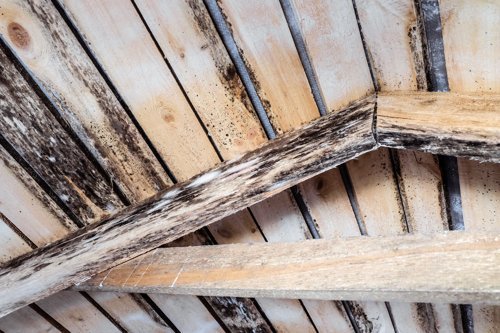
You can tell if wood is rotten by pressing a screwdriver into the surface to see if it sinks easily into soft, spongy fibers. This simple test confirms decay, and it’s usually safe to continue using the wood if the affected area is small, dry, and not structural. You should avoid putting weight on any piece that feels mushy or shows deep cracks, as it may collapse under pressure. Checking for these physical signs takes just a few minutes and helps you decide whether to repair or replace the damaged material.
Signs to tell if wood is rotten
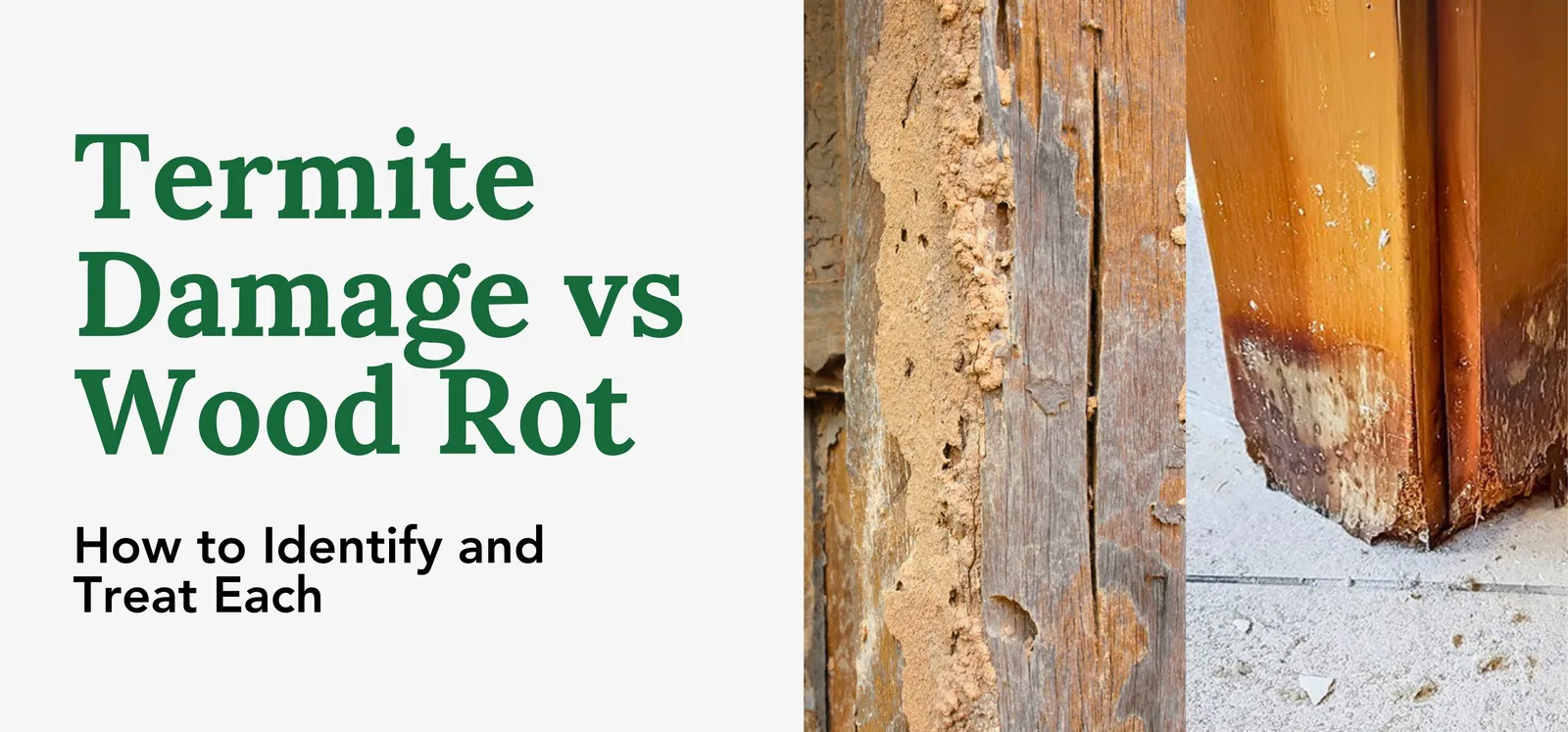
Decay is often hidden beneath paint or clear finishes, but certain visual cues point to underlying problems. The following table helps you identify what you’re seeing and tells you the first step to take when you spot suspicious areas.
| What you notice | What it usually means | What to do first |
|---|---|---|
| Wood feels soft or spongy | Active fungal decay | Probe with a screwdriver |
| Paint bubbling or peeling | Moisture trapped underneath | Scrape paint to inspect |
| Dark or bleached patches | Surface mold or rot | Clean with mild soap |
| Shrinkage or deep cracks | Drying out over years | Monitor for new growth |
| Fruity or damp smell | Advanced interior rot | Check for water leaks |
| Small holes in rows | Wood-boring insect damage | Look for sawdust piles |
If your screwdriver sinks more than a quarter-inch into the wood, the structural integrity is compromised. You must replace the member rather than attempting a surface patch. Surface patches only trap moisture, which accelerates the decay of the remaining sound wood.
Distinguish between surface mold and deep-seated rot by the texture. If the wood surface remains hard despite the discoloration, you’re likely dealing with surface mold. If the surface crumbles or flakes away under light pressure, the rot has already colonized the interior fibers.
Most people mistake insect exit holes for simple weathering. Check the area directly below the holes for fine, powdery sawdust. If you see this dust, the infestation is active. You must call a professional immediately, as surface treatments won’t reach the galleries deep inside the timber.
Soft spots and surface texture
The most common cause of wood failure is moisture accumulation leading to fungal growth. When wood stays wet for long periods, fungi break down the cellular structure, turning solid timber into a soft, crumbly mass. You can confirm this by pushing a flat-head screwdriver into the grain. If the metal sinks in with minimal force, the wood has lost its structural integrity and likely needs replacement.
If the wood feels firm but looks discolored, it may just be surface staining. However, if you find a soft patch, you must find the water source immediately. Check for leaky pipes, clogged gutters, or areas where wood touches the ground.
A common mistake is painting over damp wood, which traps moisture and accelerates decay from the inside out. If the wood is dry and firm after you scrape away the top layer, you can often save it by applying a wood preservative.
If the wood remains soft after drying, it’s too far gone to repair. If the rot has spread more than a quarter-inch deep, the only safe option is to remove the piece entirely. You know the treatment worked if the wood feels solid to the touch and no longer absorbs water like a sponge.
If you suspect rot but the surface feels hard, use a moisture meter. If the reading exceeds 20 percent, the wood is a breeding ground for fungi even if it feels solid today. In this case, prioritize ventilation or moisture barriers over chemical treatments. If the moisture level is below 15 percent, you’re safe to proceed with sanding and sealing the surface.
Moisture and structural damage
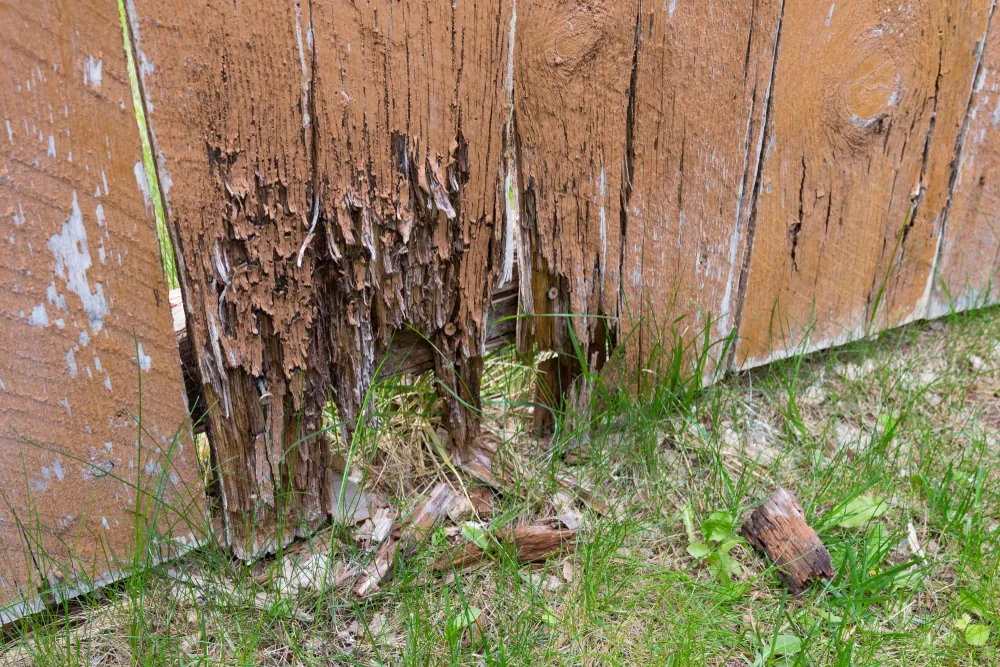
Another cause of rot is persistent exposure to high humidity or ground contact. According to the USDA Forest Service research on wood decay, fungi require specific moisture levels to survive, usually above 20 percent of the wood’s weight. When wood stays above this threshold, decay progresses rapidly. You can tell this apart from surface mold by the texture; mold sits on top and wipes off, while rot changes the wood itself.
To check for this, look for “checking” or deep splits that run across the grain. If the wood pulls away from nails or screws, the fibers have lost their grip. A common mistake is painting over damp wood to hide discoloration. This traps moisture inside, accelerating rot from the inside out and often causing structural failure within two seasons.
The fix involves removing the source of moisture and replacing the damaged section with pressure-treated lumber. If you’re working on a deck or fence, ensure there’s at least a 6-inch gap between the wood and the soil to prevent future moisture wicking. Use a moisture meter to verify the wood is below 15 percent before applying any sealant.
If the wood remains damp to the touch despite your changes, you haven’t stopped the water entry. In this case, check for hidden leaks in nearby flashing or roofing. If the wood is soft enough to depress with a screwdriver, the structural integrity is compromised and the entire board must be replaced rather than patched. You’ll know the fix is successful when the wood stays dry even during rain.
Surface mold versus interior rot
Sometimes you might see fuzzy or colorful spots on the surface, which is usually just mold. This happens when there’s high humidity in the air but the wood itself isn’t saturated. You can tell this apart from rot because the surface remains hard when you press it with a screwdriver or a sharp pick. Simply scrubbing the area with a mixture of water and mild detergent usually removes the growth.
If the wood stays clean after scrubbing, you have successfully managed the surface issue. If the discoloration returns within a few weeks, check your ventilation. High humidity in sheds or basements often causes this, and installing a small fan or dehumidifier can stop the cycle. Many people make the mistake of painting over these spots immediately, which traps moisture and accelerates hidden decay.
If the wood underneath the mold is soft, you’re dealing with rot, not just surface growth. Always prioritize checking for softness, as that’s the only true sign of structural damage. If the tool sinks into the grain or the wood feels spongy, the fibers have already broken down. In that case, surface cleaning is useless.
You must replace the affected boards entirely to prevent the rot from spreading to the rest of the frame. If the wood is firm but discolored, treat it with a borate solution to kill deep-seated spores.
When to seek professional help
You should stop your repair work and hire a licensed contractor if you notice any of the following signs of severe damage:
- The wood supports a load-bearing wall or floor, as a collapse could cause injury.
- More than 25 percent of a support beam shows signs of deep, soft decay.
- You find signs of termites or other wood-destroying insects alongside the rot.
- The damage is located in a high-voltage electrical area or near plumbing lines.
If the rot affects the main structure of your home, don’t attempt a DIY fix. A structural engineer or a professional carpenter has the training to replace beams without compromising the safety of the building. Using the wrong materials or failing to properly support the structure during repair can lead to a total failure of the wood member.
Check for structural integrity by pressing a screwdriver into the wood. If the tool sinks more than a quarter-inch into the grain with minimal pressure, the wood has lost its structural capacity. Don’t attempt to patch this area; it requires a full replacement.
Many homeowners mistake surface-level discoloration for deep rot. If the wood remains hard and resists the screwdriver, you likely only need to address the moisture source. However, if the area feels spongy or emits a musty odor, assume the decay is deep. When in doubt, consult a professional before removing any material, as improper bracing during the removal process can cause a localized ceiling or floor sag.
Related guides
- How to Harden Wood Using Penetrating Epoxy Resin in 2026
- How Much Weight Can a Wood Closet Rod Hold Safely in 2026
- How to Stop Sap From Coming Out of Wood: Proven Fixes in 2026
Frequently asked questions
Can I paint over rotten wood to hide it?
You should never paint over rotten wood because it traps moisture inside and speeds up the decay process. Painting creates a false appearance of stability while the interior continues to turn into dust. You must remove all decayed material and ensure the wood is completely dry before applying any finish.
How long does it take for wood to rot?
Wood can begin to rot in as little as 6 to 12 months if it stays constantly wet and exposed to fungi. The exact speed depends on the wood species, the temperature, and the amount of moisture present in the environment. Untreated softwoods like pine rot much faster than hardwoods or pressure-treated lumber. Check your outdoor structures every spring to catch early signs of decay before they become deep.
Is it safe to live in a house with rotten wood?
It’s generally not safe to live in a house with significant rot, especially if it affects structural beams or floor joists. Soft wood can’t support weight, which leads to sagging floors, cracked walls, and potential collapse. If the rot is confined to a small, non-structural piece like a window frame, it’s less urgent but still requires repair to prevent spreading. Consult a building inspector if you suspect widespread decay.
What happens if I ignore wood rot?
Ignoring wood rot leads to the total loss of the structural component and a high risk of sudden failure. Fungal decay spreads from the damaged area to healthy wood, eventually requiring much more expensive repairs than if you acted early. Over time, the wood will lose all its strength and crumble, which can cause secondary damage to your home’s foundation or interior walls. Small repairs today prevent major construction projects later.
Does it matter what type of wood is rotten?
It matters because some species, such as cedar or redwood, have natural oils that resist decay for many years. Untreated pine or spruce will rot much faster in the same damp conditions. While all wood will eventually decay if kept wet, heartwood from resistant trees lasts longer than sapwood from the same tree. Check the manufacturer’s documentation for your specific timber to understand its expected lifespan in your climate.
Conclusion
If you find significant damage, don’t wait to address it. Moisture spreads quickly, so it’s best to contact a professional or start your repairs before the decay weakens nearby areas. Taking action today will keep your home safe and prevent a much larger headache down the road. You’ve got this!