
Reducing moisture levels in your home is the most effective way to address the issue when your house smells musty. This odor is usually caused by mold or mildew growth triggered by trapped water or high humidity in areas with poor airflow. By lowering the indoor relative humidity to below 60%, you can inhibit the growth of mold colonies and reduce the musty odor.
Finding the source when your house smells musty
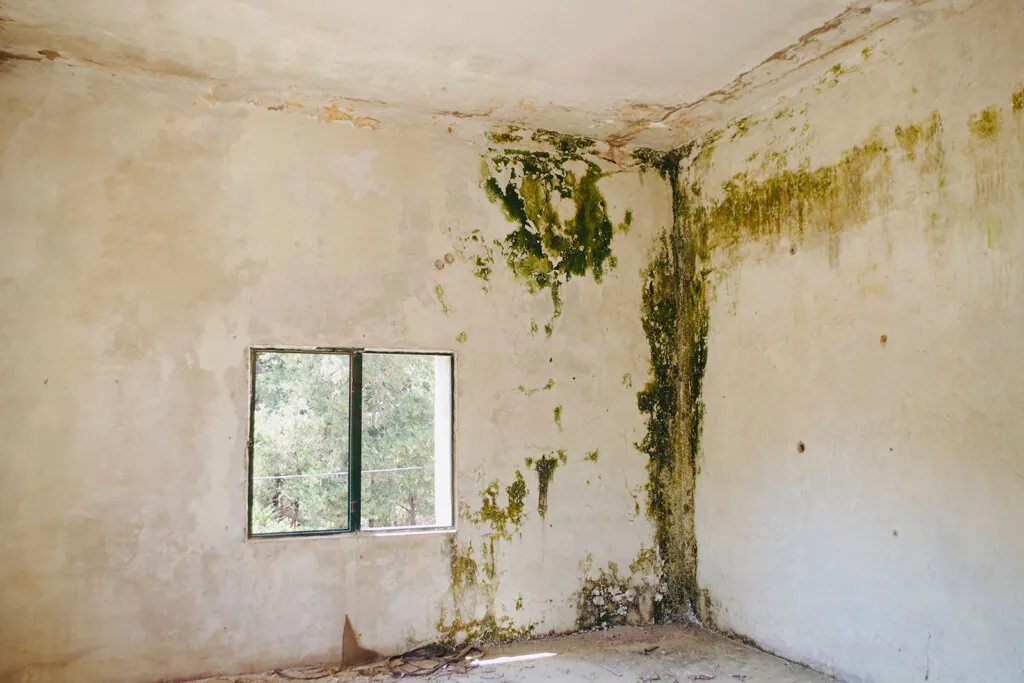
When you notice a heavy, earthy scent, it’s almost always due to excess moisture settling into porous materials. Mold requires only a few conditions to thrive: a food source like drywall or carpet, a stable temperature, and persistent moisture. If your home stays damp, these colonies grow quickly behind walls or under floorboards where you can’t see them.
The primary culprits are often leaks in plumbing, condensation on cold surfaces, or water seeping through foundations. You should check basements, attics, and bathrooms first, as these are the most common zones for trapped water. If you see visible dark spots or feel dampness on wood or fabric, that’s your primary target. If you don’t stop the water source, the smell will return regardless of how much you scrub.
Improve ventilation in affected rooms
If you find the room feels heavy or stagnant, increasing airflow is the fastest way to dry out the space. Open windows on opposite sides of the room to create a cross-breeze, which pushes out moist air and pulls in fresh, dry air. In bathrooms, always run the exhaust fan during a shower and for at least 20 minutes afterward to clear the steam.
For rooms without windows, such as interior closets or basements, use a small oscillating fan to keep the air moving. If the air is trapped, moisture settles into fabrics and wood, leading to that characteristic smell. This fix is ideal for mild cases where the dampness is just surface-level. If you notice the floor feels soft or the drywall is crumbling, this isn’t just an airflow issue and you should contact a professional contractor to inspect for structural rot.
Use a dehumidifier to lower humidity
A dehumidifier is the most reliable tool for removing water from the air in damp environments like basements or crawl spaces. Set the unit to a target humidity level between 30% and 50% to inhibit new mold growth. Empty the collection bucket daily or connect a drainage hose to a floor drain to prevent the machine from shutting off when full.
This method is for anyone living in a naturally humid climate or a home with poor basement drainage. It requires consistent electricity use, so check your power bill if you plan to run it 24/7. This isn’t for homes with active, large-scale flooding; if you have standing water that covers more than a few square feet, you need a professional water mitigation team to safely extract the liquid and dry the sub-floor.
Deep clean porous materials
When the smell lingers after the air is dry, you must clean the items that have absorbed the moisture. Textiles like curtains, rugs, and upholstered furniture act like sponges for mold spores. Wash fabrics in the hottest water the material allows, or use a vacuum with a HEPA filter to remove loose particles from carpets and mattresses.
If you have items that remain smelly after washing, they may be permanently colonized and should be discarded. This is the stage for tough cases where the scent has set into the fibers. Never use harsh chemicals like bleach on porous materials, as it often fails to penetrate deep enough to kill the roots of the mold.
If the material is foam-based, such as a mattress or an old couch cushion, discard it immediately if it shows visible dark spotting. Foam is too dense to clean effectively and will harbor spores indefinitely.
If you’re sensitive to dust or have asthma, wear an N95 mask while cleaning to avoid breathing in the spores that release during the process. Neglecting this protection often leads to respiratory flare-ups that can last for days after the work is finished.
Common mistakes to avoid
Using scented candles or air fresheners masks the smell but does nothing to stop the underlying mold growth. You’re merely adding chemicals to a toxic environment rather than removing the source.
Painting over moldy walls traps moisture inside, causing the finish to bubble and rot to worsen rapidly. If the surface feels soft or spongy to the touch, don’t paint it. You must strip the drywall back to the studs to ensure the structure is dry.
Leaving wet towels or laundry in a pile creates a breeding ground for mildew in less than 24 hours. Always hang damp items immediately to allow airflow.
Blocking air vents with furniture prevents the house from breathing, leading to high humidity pockets in corners. Keep a six-inch gap between your furniture and the wall.
Ignoring small plumbing leaks under sinks allows water to seep into the sub-floor. Check these areas monthly with a flashlight to catch slow drips before they warp your floorboards.
Managing home moisture levels

You can manage your home environment by tracking humidity and fixing leaks as soon as they appear.
| If you’re doing this | Do this instead | Why |
|---|---|---|
| Leaving damp clothes in a basket | Hang items to dry immediately | Prevents mildew from starting |
| Keeping windows closed in winter | Open windows for 15 minutes | Releases trapped indoor humidity |
| Using a rug in the bathroom | Keep the floor bare or use a mat | Rugs trap water and stay damp |
| Ignoring a dripping faucet | Fix the washer or seal the pipe | Stops water from reaching wood |
| Running a fan without a vent | Use an exhaust fan to outside | Moves moisture out of the house |
Frequently asked questions
How long does it take for a musty smell to go away?
It usually takes between 48 and 72 hours for the odor to dissipate once you have successfully removed the moisture source and dried the area. If the smell persists after three days of active drying, you likely have a hidden source of mold inside a wall or under the flooring that requires a professional inspection to locate and remove safely.
Is it safe to sleep in a room that smells musty?
No, it isn’t recommended to sleep in a room with a strong musty odor because it often indicates high spore counts in the air. These spores can irritate your eyes, nose, and throat, especially if you have existing allergies or respiratory issues. Move to a different room and address the moisture source before using the space again.
Can I use vinegar to kill the mold causing the smell?
Yes, white vinegar is effective at killing most household mold species on non-porous surfaces when applied at full strength. Spray it directly onto the affected area, let it sit for one hour, and then wipe it away with a clean cloth. Never mix vinegar with bleach, as this combination creates dangerous chlorine gas that’s harmful to breathe.
Why does my house smell musty only when it rains?
Your house likely has a leak in the roof, siding, or foundation that allows water to enter only during storms. When the building materials get wet, they release that damp, musty scent as the water evaporates. You should check your attic and basement during or immediately after a heavy rain to find exactly where the water is entering the structure.
Does a musty smell mean I have black mold?
No, a musty scent doesn’t confirm the presence of toxic black mold, as many species produce similar odors regardless of color. You can’t identify mold types by smell alone. If you’re concerned about your health, hire a certified professional to perform a mold test.
Conclusion
If the damp scent lingers after you’ve improved the ventilation, it’s time to check behind your appliances or under the carpets for hidden leaks. Don’t let these spots go unnoticed, as catching a small problem early will save you a lot of trouble. You’ll breathe much easier once your home feels fresh again.