
You can fix kitchen sink smells by pouring one cup of baking soda followed by one cup of white vinegar down the drain. This reaction creates a fizzing foam that can help dislodge minor surface buildup, though it doesn’t dissolve organic debris or grease. If the smell persists, the issue likely sits in the P-trap, the curved pipe section under your sink that holds water to block sewer gases.
Why your kitchen sink smells
The primary reason for bad smells is the buildup of food particles and grease inside the drain pipe. Over time, these scraps begin to rot, releasing gasses that travel back up into your kitchen. If you notice the smell immediately after a large meal, it’s likely just decaying organic waste stuck in the P-trap or the disposal blades.
Another frequent cause is a dry P-trap. This pipe section must always contain water to act as a seal against sewer lines. If you have been away from home for a long time or have a slow leak, the water evaporates.
Once the seal is broken, sewer gas enters your home freely. You can verify this by checking for dampness or drips under the sink pipe joints. If the trap is empty, simply running the faucet for a minute usually restores the barrier and stops the odor.
Flush the drain with natural cleaners
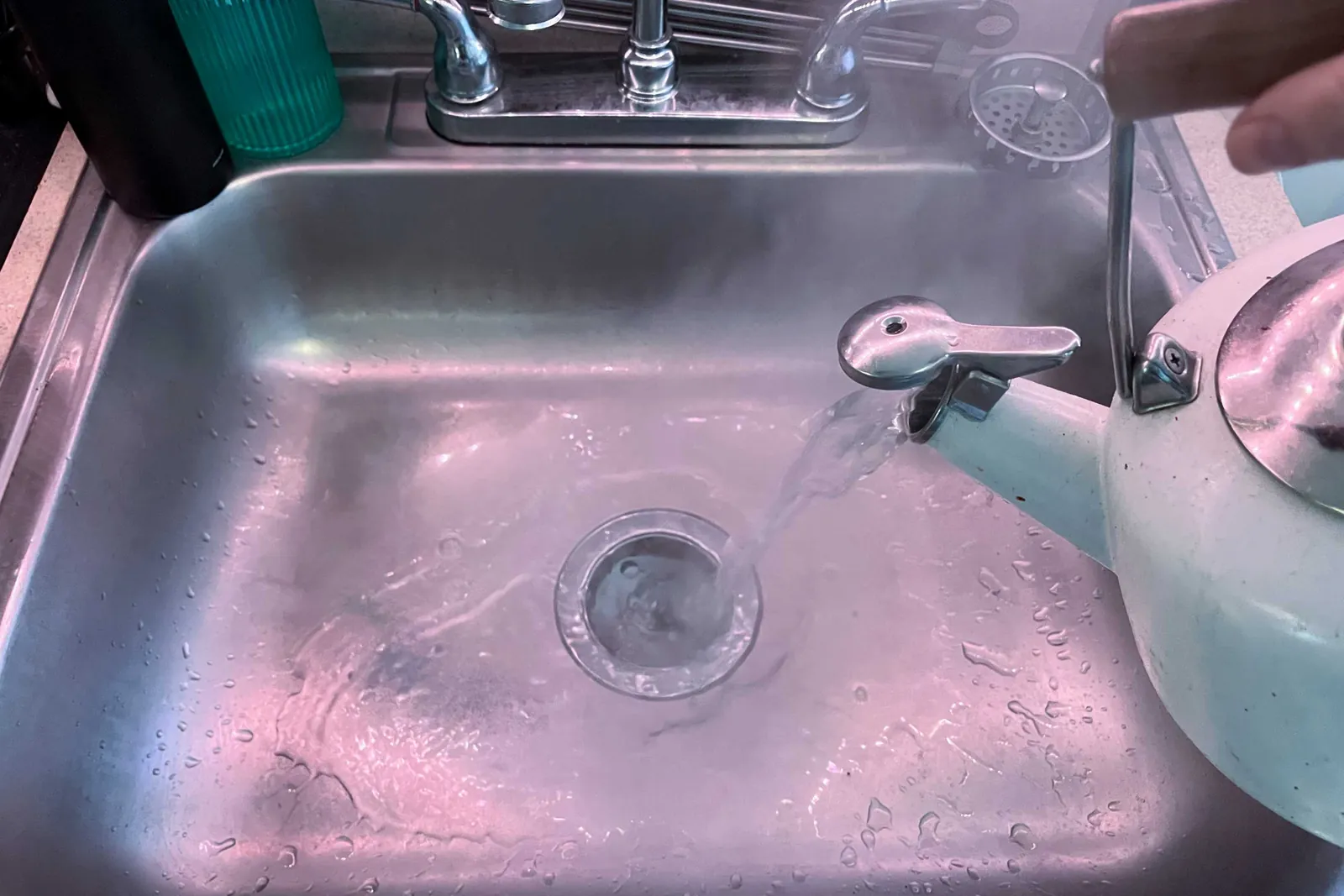
This method is for those who want a quick, non-toxic way to clear minor blockages and smells. Cover the drain with a stopper or a wet cloth for 15 minutes to keep the reaction working inside the pipes. After that, flush the drain with a full kettle of boiling water to wash away the loosened debris.
If your sink has a garbage disposal, the smell might be stuck on the underside of the rubber splash guard. Wipe the underside of the flaps with a sponge soaked in dish soap to remove hidden grease.
Never put harsh chemical cleaners like bleach or lye into a disposal, as these can damage the rubber gaskets and the internal metal components. If you’re unsure about the safety of a specific cleaner, the United States Environmental Protection Agency provides guidance on choosing products that are less harmful to both your plumbing and your family.
Clean the garbage disposal thoroughly
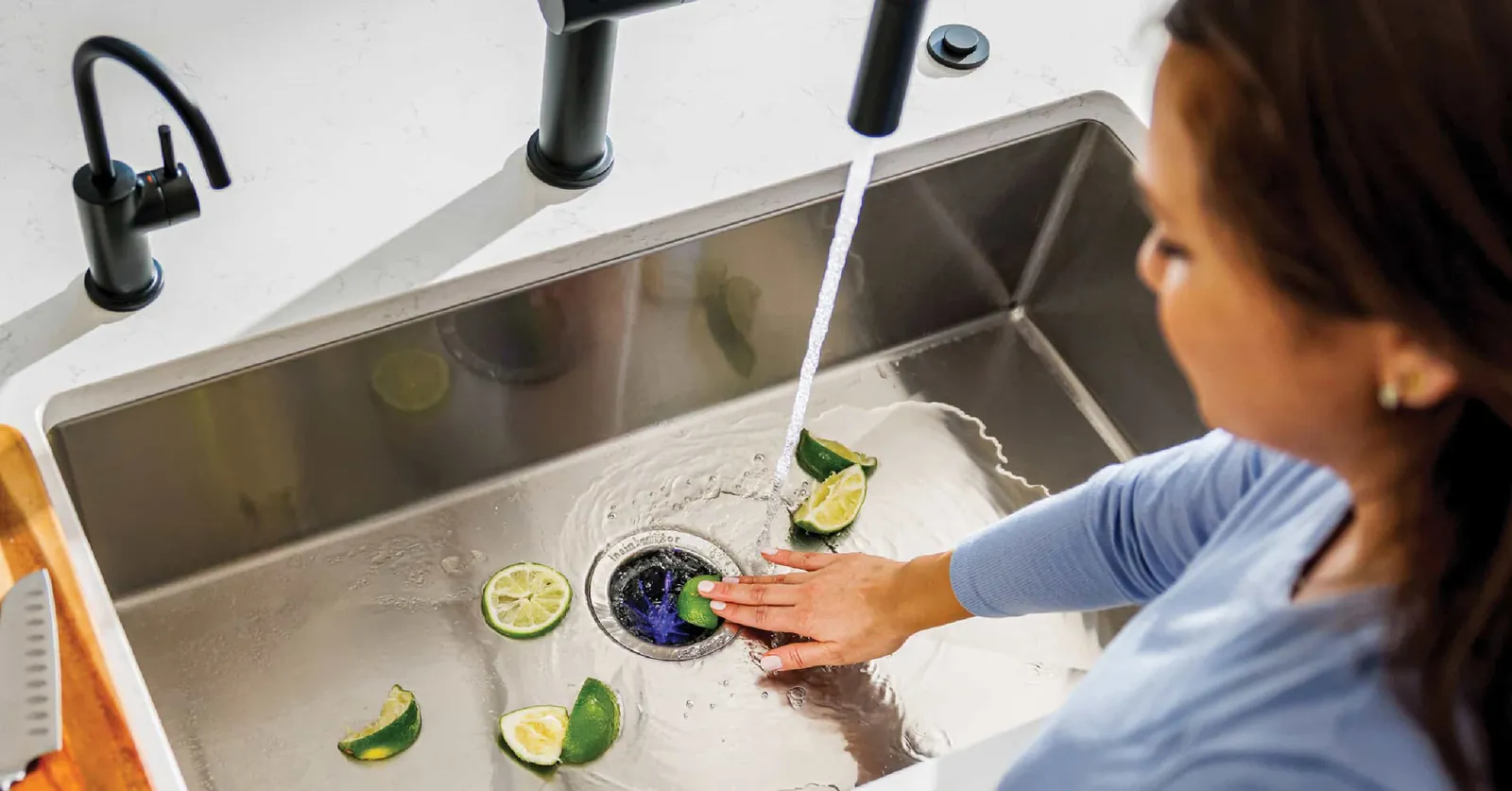
If the smell continues, the disposal unit itself is likely harboring bacteria. To clean it, fill the disposal with two cups of ice cubes and one cup of coarse rock salt. Turn on the cold water and run the disposal until the ice is crushed and gone. The abrasive action of the ice and salt scours the walls of the grinding chamber, removing the slime where odors grow.
This process is highly effective for removing buildup that standard soap and water can’t reach. It’s safe for most standard-duty home disposal units. However, if your unit makes a grinding or metallic screeching noise during this process, turn it off immediately.
This indicates a mechanical failure or a foreign object like a coin or bone stuck in the blades. If you hear such noises, contact a professional plumber to inspect the unit, as attempting to reach into the disposal yourself poses a severe risk of injury.
Remove and clean the P-trap
When the drain remains smelly after cleaning the disposal and flushing the pipes, you must clear the P-trap manually. Place a bucket under the U-shaped pipe to catch any water or debris that spills out. Use a pair of tongue-and-groove pliers to loosen the slip nuts on both ends of the trap. Once the nuts are loose, slide the pipe down and remove it carefully.
Clean the interior of the pipe with a long-handled bottle brush or a stiff wire to dislodge thick, congealed grease. Rinse the pipe thoroughly in a different sink or outdoors before reattaching it. Tighten the slip nuts by hand and then give them a quarter-turn with your pliers to ensure they’re secure. Don’t overtighten, as this can crack the plastic threads or compress the rubber washers too much, causing a leak.
Avoid harmful drain practices
- Pouring cooking grease down the drain creates a solid plug that traps food, so always pour used oil into a sealable container and toss it in the trash.
- Running the disposal without enough water prevents food from moving through the pipes, which causes it to settle and rot in the bottom of the unit.
- Using harsh chemical drain openers can soften PVC pipes and erode metal, often leading to leaks that are expensive to repair.
- Putting fibrous vegetables like celery or onion skins into the disposal creates long strings that tangle around the blades and cause blockages.
Prevent future pipe odors
The best way to keep your sink smelling fresh is to maintain a consistent flow of water and avoid putting heavy waste into the disposal. If you do a lot of cooking, keep a small strainer in the sink to catch scraps before they ever enter the drain system. This simple habit keeps the pipe walls clean and prevents the buildup of organic matter that leads to bacteria growth.
| If you’re doing this | Do this instead | Why |
|---|---|---|
| Pouring bacon grease | Pouring into a jar | Grease hardens and blocks pipes |
| Using chemical openers | Using baking soda/vinegar | Chemicals damage pipe seals |
| Disposing of large scraps | Composting food waste | Large items jam disposal blades |
| Letting the sink sit | Running water daily | Water keeps the P-trap seal full |
Related guides
Frequently asked questions
How long does a P-trap stay wet?
A P-trap stays wet for several weeks under normal conditions, but it can dry out in as little as 10 days if the home has low humidity or high temperatures. If you’re going on vacation, pour a small amount of mineral oil down the drain before you leave to slow down the evaporation of the water seal.
Is it safe to use bleach in my sink?
No, you should avoid using bleach because it can damage your plumbing and create dangerous fumes when mixed with other household cleaners. Bleach doesn’t effectively break down the organic grease buildup that causes most odors. If you need a strong cleaner, look for enzyme-based products that break down food waste biologically without harming your pipes or the environment.
Why does the smell get worse when I run the water?
The smell gets worse because the water flow pushes trapped sewer gas out of the pipe and into your kitchen air. This usually happens when the P-trap is dry or the vent pipe on your roof is blocked. If running the water makes the odor spike, check your roof vent for leaves or debris that might be stopping the air from escaping properly.
Can I use a metal snake to clear the drain?
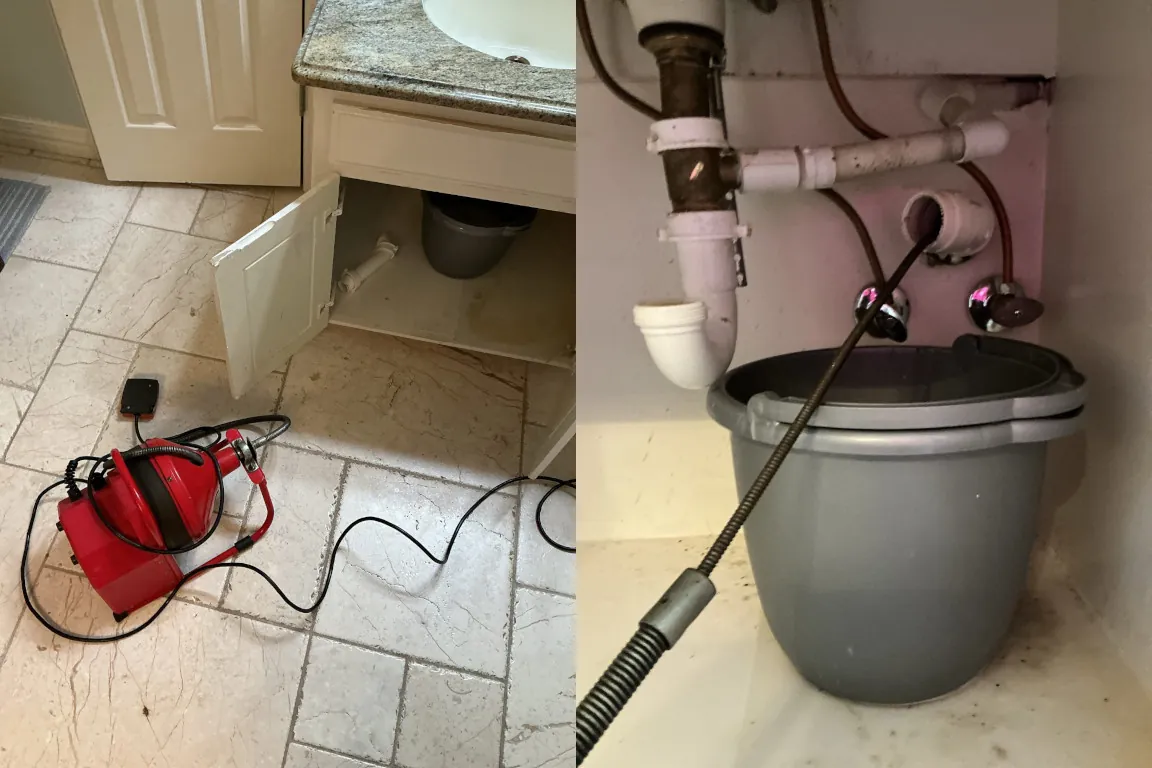
Yes, you can use a plastic or metal drain snake to clear clogs, but be very gentle to avoid scratching the inside of your pipes. If you feel strong resistance, don’t force the tool, as you might push the clog deeper or damage the pipe wall. If the snake can’t clear the path, call a plumber to avoid creating a larger, more expensive leak.
How often should I clean my garbage disposal?
You should clean your garbage disposal once every two weeks to prevent the buildup of bacteria and food slime. If you use the disposal daily for heavy cooking, you may need to clean it weekly to keep odors away. Always use cold water during the process to keep any fats solid, which makes them easier for the blades to break up and flush away.
What happens if I overtighten the P-trap nuts?
Overtightening the P-trap nuts can crack the plastic housing or deform the rubber washers, both of which will cause water to leak under your cabinet. Tighten the nuts by hand until they’re firm, then check for drips while running the faucet. If you see a small leak, tighten the nut only a tiny fraction more until the dripping stops.
Conclusion
Keeping your kitchen sink clean is a matter of routine maintenance rather than deep scrubbing. By following these steps to clear debris and keeping the water seal intact, you prevent the conditions that lead to persistent odors. If you have tried these methods and the smell remains, it may indicate a hidden vent issue or a crack in the pipe that requires professional help.