
You can stop a house smells damp by lowering the indoor humidity levels to below 50% using a dehumidifier or improved ventilation. The most common cause is trapped moisture from daily activities like showering or cooking that can’t escape through proper airflow. If you notice a musty odor, check the areas behind furniture and inside closets first, as these spots often hide the early signs of condensation or slow leaks.
Why your house smells damp
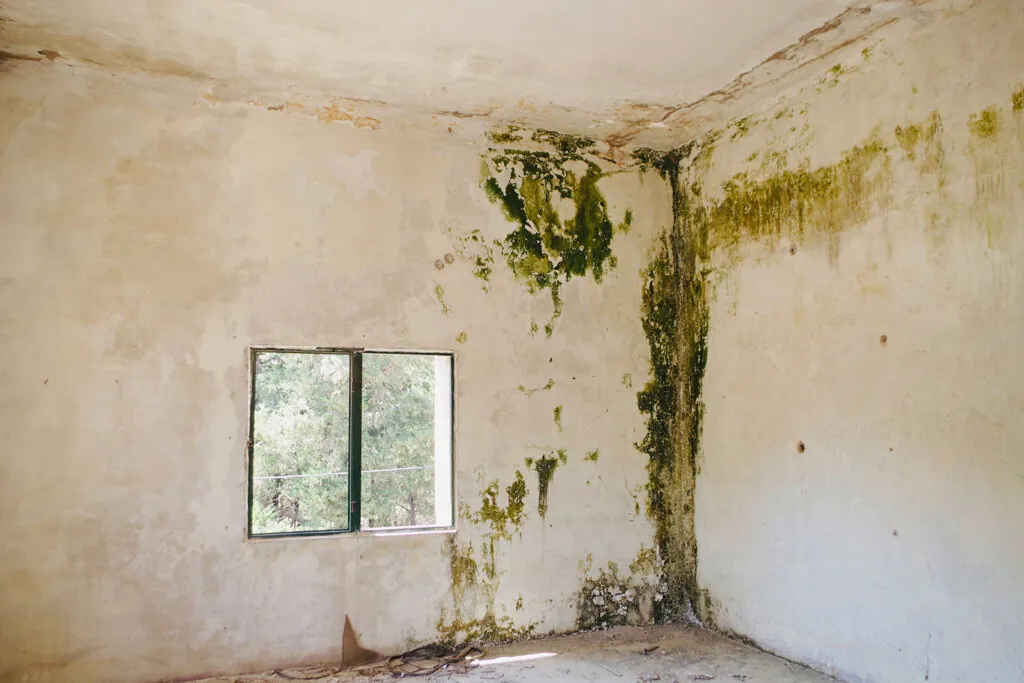
A damp smell usually points to excess moisture trapped in your walls, floors, or soft furnishings. This environment allows mold to grow, which releases the characteristic musty scent you notice when you walk into a room. You should look for water stains on ceilings, bubbling paint on walls, or soft spots in wooden floorboards near windows and pipes.
The problem often starts with simple condensation. When warm, moist air touches a cold surface like a window or an uninsulated wall, it turns into liquid water. If this water sits for more than 48 hours, it becomes a breeding ground for mold. According to the United States Environmental Protection Agency, mold growth is best controlled by keeping indoor humidity low and fixing any water leaks immediately.
If you live in a basement or a home built on a slab, ground moisture may be seeping through the foundation. This is more common in areas with high water tables or poor exterior drainage. If the smell persists after you dry the air, the issue might be hidden behind drywall or under carpet padding.
Improve ventilation in wet areas
You need to move stale, moist air out of your home to prevent smells from building up. Start by using exhaust fans in your bathroom every time you shower and in your kitchen while you cook. Run these fans for at least 20 minutes after you finish your task to ensure all steam is removed. If you don’t have fans, open windows to create a cross-breeze.
If you live in a home with tight seals, you might need to install a mechanical ventilation system. This is especially helpful in winter when you can’t keep windows open. If your home has an attic or crawl space, check that the vents are clear of insulation or debris. Proper airflow here keeps the entire structure dry and prevents moisture from traveling upward into your living space.
Use a dehumidifier to dry the air
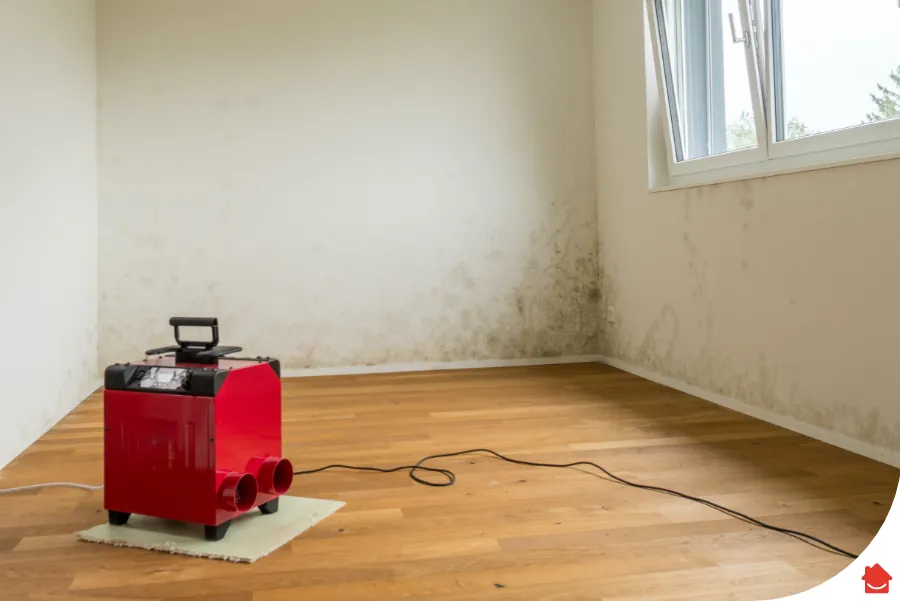
A portable dehumidifier is the most effective tool to lower moisture levels in specific rooms. Place the unit in the center of the damp room, away from walls, so it can pull air from all sides. For a standard 1,000-square-foot basement, a unit rated for 30 to 50 pints per day is typically sufficient. Always empty the water tank daily or connect a drainage hose to a floor drain to keep the device running without interruption.
If you’re choosing a model, look for one with a built-in humidistat. This feature lets you set a target humidity level, usually around 45%. The machine will turn off automatically once it hits that goal, which saves electricity. If the room feels dry but still smells, you may need to clean the unit’s filter, as dust trapped inside can hold onto moisture and create its own odor.
Inspect and seal potential leaks
Harder cases require you to look for structural leaks that allow water to enter your home from the outside. Check the exterior of your house to see if your gutters are clogged or if downspouts are pointing water toward your foundation. If water pools near your house during a rainstorm, it will find a way inside. You may need to extend your downspouts by at least 5 feet away from the walls.
Inside, check under every sink and around your water heater for slow drips. Even a tiny leak can soak into the subfloor and create a persistent, hidden smell. If you find a leak, turn off the water supply immediately and call a professional plumber to make the repair. If you aren’t confident in your ability to find the source of a leak, hire a building inspector or a moisture control specialist to perform a thermal scan.
Mistakes to avoid when managing dampness
Don’t mask the smell with candles or sprays. These products only cloak the odor rather than addressing the underlying moisture, which allows the source to worsen unnoticed.
Avoid drying wet clothes indoors on racks. A single load of laundry can release two liters of water into your air. Over a week, this adds gallons of vapor that settle into your drywall and insulation.
Keep furniture at least four inches away from exterior walls. Pushing pieces flush against these surfaces blocks airflow, creating a cold pocket where condensation inevitably forms. If you notice a musty scent behind a heavy dresser, move it immediately to prevent rot.
Never use fans in a room with active mold growth. High-velocity air can lift and distribute spores to other parts of your home, turning a contained issue into a widespread contamination that requires professional remediation.
Prevent moisture buildup in the future
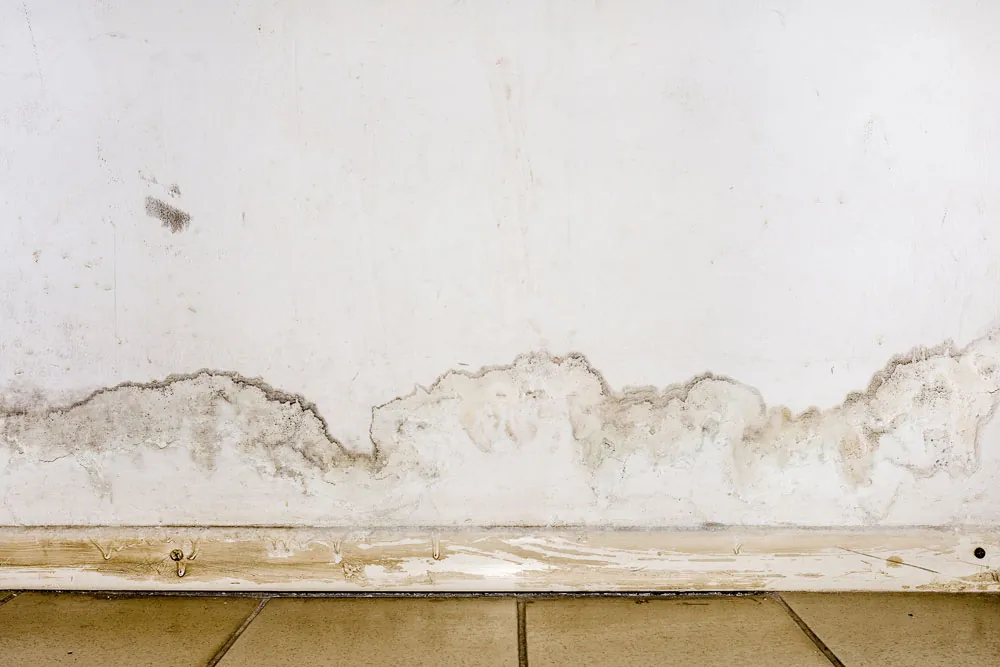
The goal is to maintain a dry environment by controlling where water goes. If you’re doing this today, you’ll have fewer repairs later.
| If you’re doing this | Do this instead | Why |
|---|---|---|
| Drying laundry inside | Use a dryer or open window | Prevents excess indoor vapor |
| Ignoring condensation | Wipe windows dry daily | Stops mold at the source |
| Closing interior doors | Keep doors open | Improves air circulation |
| Leaving wet towels out | Hang them to dry fully | Reduces surface dampness |
| Ignoring wet spots | Fix the leak immediately | Prevents long-term damage |
Related guides
Frequently asked questions
Can a house smell damp without mold?
Yes, a house can smell damp due to high humidity levels alone or from trapped odors in carpets and upholstery. While mold is the most common cause of a musty smell, excessive moisture in the air often makes fabrics and wood hold onto old smells. Lowering the humidity to below 50% will usually resolve the odor if no active mold growth is present.
How long does it take for a house to dry out?
It usually takes 3 to 7 days for a damp room to dry out once you have addressed the source of the moisture. This assumes you’re running a dehumidifier continuously and keeping the area well-ventilated. If the water damage is deep within the walls or floorboards, it may take longer for the moisture to fully evaporate from the materials.
Is it safe to live in a house that smells damp?
No, it isn’t ideal to live in a home with a persistent damp smell, as it often indicates an environment that supports mold and dust mites. These can trigger allergies or respiratory issues for some people. You should identify the source of the dampness and work to correct it to protect your air quality and the integrity of your home.
Why does my house smell damp only when it rains?
It smells damp when it rains because water is likely entering your home through gaps in the foundation, roof, or around window frames. When the exterior materials get wet, moisture wicks inside and increases the humidity in those specific areas. Check your gutters and window seals to ensure they aren’t allowing rainwater to seep into your home’s structure.
How much does it cost to fix a damp house?
Costs vary from nothing for better ventilation habits to a modest investment for a professional-grade dehumidifier or gutter repair. If the issue is a major structural leak, costs can reach a significant amount for professional waterproofing services. Always get at least three quotes from licensed contractors to compare the scope of work and ensure the fix addresses the root of the water entry.
What happens if I ignore a damp smell?
If you ignore a damp smell, you risk long-term damage to your walls, floors, and personal belongings. Prolonged moisture causes wood to rot, drywall to crumble, and mold to spread into hidden areas of your home. Repairing these structural issues is much more expensive than fixing the initial source of the moisture, such as a leaky pipe or a clogged gutter.
Conclusion
If the unpleasant scent lingers after you’ve improved the airflow, it’s time to call a professional to rule out hidden mold or structural damage. Don’t wait for the problem to get worse; catching these issues early will save you money and keep your home feeling fresh and healthy for years to come.