
The chemical process known as new car smell is the result of volatile organic compounds, or VOCs, off-gassing from the various plastics, glues, and synthetic materials used to build your vehicle’s interior. These chemicals evaporate into the air as the car ages, creating that distinct aroma that fades as the materials stabilize. It’s a temporary byproduct of manufacturing that’s most intense when the vehicle is brand new and sitting in the sun.
Parts contributing to vehicle interior scents
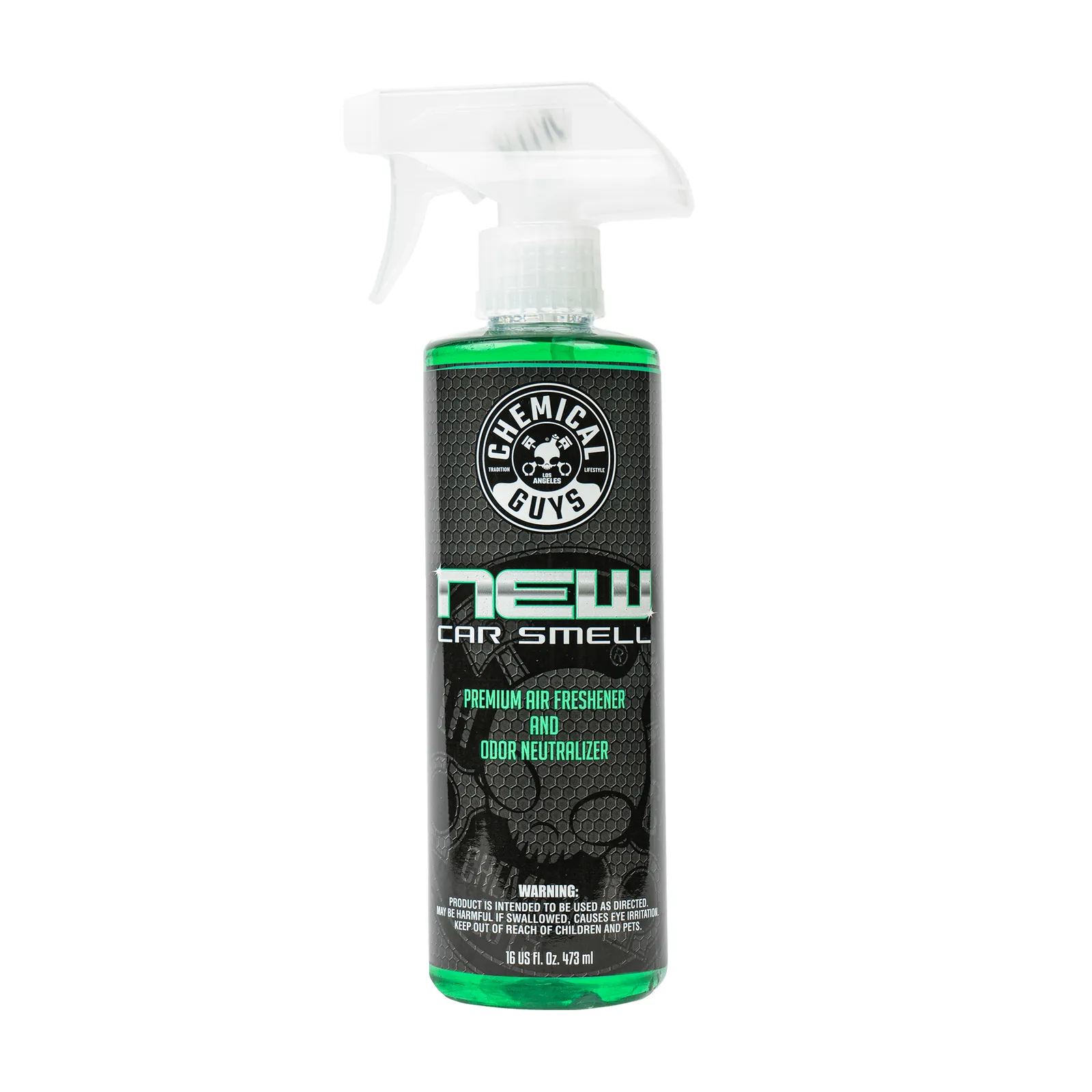
The materials inside a vehicle are complex, and many release scents as they settle after assembly. You can monitor these components to understand what might be causing a lingering odor in your cabin. When you notice a change in the scent, refer to your owner’s manual or contact the manufacturer to see if a specific component requires inspection or cleaning.
| Part or input | What it does | What you notice when it goes wrong |
|---|---|---|
| Dashboard plastics | Provides structure and finish | Sticky surface or cracking |
| Seat adhesives | Bonds fabric or leather | Peeling edges or strong chemical odor |
| Carpet backing | Insulates the floor | Damp smell or moldy scent |
| Cabin air filter | Cleans incoming air | Musty air or low airflow |
| Vinyl trim | Covers interior surfaces | Fading color or brittle texture |
Steps to manage cabin air quality
Managing the air inside your vehicle involves letting the initial chemicals escape and ensuring your filtration system works as intended. This process helps clear out the concentrated compounds that accumulate while the car is parked. If you find the scent particularly strong, follow these steps to help the interior materials reach a stable state faster.
- Park your vehicle in a secure, shaded area and open all the windows about 4 inches to allow trapped air to escape for at least 30 minutes.
- Drive with the windows down when the outside air is clear to promote airflow through the cabin, which helps flush out the concentrated VOCs over several weeks.
- Inspect your cabin air filter by sliding it out from the glove box or under the hood, checking for debris that might trap odors or hold moisture.
- Replace the cabin air filter if it appears dirty or clogged, as recommended by the United States Environmental Protection Agency regarding general indoor air quality maintenance schedules for cars.
- Vacuum the interior surfaces, including the floor mats and seats, to remove dust that might absorb and hold onto the chemical scents released during the first months.
- Use a damp microfiber cloth to wipe down hard surfaces like the dashboard and door panels once a week to remove any residue that might be settling on those parts.
Why that new car smell persists
The presence of these scents is tied directly to the manufacturing process of modern vehicle interiors. When a car is assembled, the factory uses many adhesives, sealants, and soft-touch plastics that aren’t yet fully cured. These materials slowly release gases in a process called off-gassing. This is perfectly normal for a new vehicle, but the intensity depends on the materials chosen for your specific trim level.
If you notice a sudden increase in odor, it often points to a specific issue rather than general off-gassing. For example, if a leak allows water into the cabin, the carpet padding can trap moisture, which creates a distinct, sour smell that’s different from the factory scent. If you smell something sweet, it could indicate a coolant leak entering through the heater core.
A mistake people often make is using heavy air fresheners to mask the scent. This only adds more chemicals to the air and makes the environment more confusing for your senses. If the smell causes you physical discomfort, such as headaches or eye irritation, it’s a sign to increase ventilation. If the symptoms persist after you have aired out the cabin for several days, you should consult a professional mechanic to check for potential leaks or faulty components.
What you can change in your car
You have control over how you maintain the cabin environment, but the materials themselves are fixed by the manufacturer. You can’t change the chemical composition of the dashboard or the glue used inside the doors. If you’re sensitive to smells, you should test drive a vehicle for at least 20 minutes before buying to see how you react to the cabin air.
Things you control
- How often you open the windows to ventilate the cabin.
- The frequency of vacuuming and wiping down interior surfaces.
- Choosing to replace the cabin air filter with a high-quality unit.
- Keeping the vehicle interior dry to prevent mold growth.
Things fixed by design
- The chemical composition of the interior plastics and adhesives.
- The amount of synthetic material used in the seating.
- The design and placement of the cabin air intake system.
Habits for a fresher cabin

Maintaining a clean cabin environment requires consistent habits that focus on removal rather than masking. Since the scent comes from the materials themselves, your primary goal is to encourage the off-gassing process while keeping the interior clean of dust and moisture.
Air out your car for 10 minutes every time you park in a garage to prevent the buildup of gasses. If you can’t park in a garage, crack your windows just a quarter-inch during the day. This simple gap allows trapped VOCs to escape without inviting rain or debris inside.
Wipe down your dashboard with a damp cloth every 2 weeks to remove the thin film of chemical residue that settles on plastics. Use only water; soap often leaves a secondary scent that traps the very odors you want to eliminate.
Check your cabin air filter regularly based on your usage and the manufacturer’s recommendations in your owner’s manual. If you drive in high-dust environments, replace it more frequently to prevent the blower fan from pushing trapped mold spores into your cabin.
Avoid leaving chemical cleaners in the car. Heat causes plastic bottles to leach, adding new odors to the mix. If you must carry supplies, keep them in a sealed, insulated bag in the trunk.
Related guides
Frequently asked questions
How long does the new car smell last?
The scent typically lasts for 6 to 12 months, depending on how often you drive and how much ventilation the cabin receives. Heat accelerates the process, so a car parked in a hot climate will lose its factory scent faster than one kept in a cool, shaded environment.
Is it safe to breathe in new car smell?
It’s generally considered safe for most people, though sensitive individuals may experience minor eye or throat irritation from the VOCs. If you feel dizzy or develop a headache, increase the airflow by opening your windows or running the ventilation system on the fresh air setting rather than recirculate.
Does the scent indicate poor quality?
The scent doesn’t indicate poor quality, as it’s a standard result of using modern, durable plastics and adhesives in vehicle manufacturing. Every new vehicle uses these materials to ensure the interior lasts for many years, and the odor is simply a temporary side effect of those materials curing.
Why is the smell stronger on hot days?
The smell becomes stronger because high temperatures increase the rate at which chemicals evaporate from the interior materials. When the cabin heats up in the sun, more VOCs are released into the air at once, making the scent much more noticeable than it’s on a cool or cloudy day.
Can I remove the smell quickly?
You can’t remove the smell instantly, but you can speed up the process by leaving the windows open in a safe, dry place. Consistent ventilation is the only way to move the air and allow the materials to reach a stable state, which usually takes several months of regular use.
Does the smell come back after a few years?
The scent doesn’t come back once it has finished off-gassing, as the materials will have fully stabilized. If you notice a similar smell in an older car, it’s likely due to a new issue, such as a leaking heater core or moisture trapped under the floor mats.
Conclusion
While that factory-fresh scent might seem pleasant, it’s best to keep your windows cracked during those first few weeks of ownership. This simple habit helps the trapped gases escape more quickly, ensuring your cabin air stays fresh. You’ll breathe a lot easier once the materials have finally settled into their new home.