

Cooler night air often has less vertical air movement, which can cause odors to settle rather than dispersing. It’s usually safe to stay in the house while you check. Walk through each room with the windows closed for ten minutes, then note where the smell is strongest.
Why your house smells worse at night

The air cools after sunset and stops carrying smells upward the way it does in the day. Warm air rises and disperses odors, while cooler air settles and traps them near the floor and furniture. Your nose also adjusts to background scents during the day and notices them again once the house goes quiet.
The most common mistake is assuming the smell is new. In reality, your olfactory system experiences sensory adaptation throughout the day, filtering out constant signals. When the environment goes silent at night, your brain stops suppressing these inputs, making a lingering odor seem like a sudden arrival.
If the scent is sharp and chemical, check your pilot lights or gas connections immediately. If it’s earthy or sweet, you’re likely dealing with stagnant moisture. A reliable rule: if the smell vanishes within ten minutes of opening a window, it’s trapped stale air. If it persists for an hour, the source is physical, such as a hidden leak or decaying organic matter.
| What you notice | What it usually means | What to do first |
|---|---|---|
| Smell starts after sunset | Cooler air is trapping odors low | Open windows for cross-ventilation |
| Stronger in one room | A local source like trash or a drain | Check that room’s bins and sinks |
| Worse when heating turns on | Dust or debris in the vents | Change the furnace filter |
| Musty scent in basement or bathroom | Dampness is feeding mold or mildew | Run a dehumidifier or exhaust fan |
| Smell fades after you air the house out | Stale indoor air, not a hidden leak | Keep windows open before bedtime |
| Lingers even with windows open | A source outside or in the walls | Note the time and direction it arrives |
Cooler air traps odors indoors
At night, reduced thermal buoyancy and lower wind speeds can cause odors to accumulate near the floor rather than dispersing. During the day, warm air rises and carries odors out through leaks and open windows. At night, that lifting stops, and whatever was already in the air stays where you can smell it.
Close all interior doors and windows for ten minutes, then walk through the house and note where the scent is strongest. If the odor is everywhere at once, the cause is likely general nighttime air settling rather than one hidden spill. Open two windows on opposite sides of the house for fifteen minutes to create cross-ventilation. If the smell eases, cooler air was the only issue.
Many people make the mistake of leaving internal doors open to “circulate” the air. Keeping doors closed can help isolate the source of an odor to a specific room. Keep doors to unused rooms closed to isolate the volume of trapped air.
If the scent persists after cross-ventilation, the source is likely embedded in a porous surface or hidden behind a wall. In that case, no amount of window opening will resolve the odor until the source material is cleaned or replaced. You’ll know the air density fix worked when the scent doesn’t return the next evening.
Your nose resets in the quiet

You stop noticing a constant smell after being around it for a while, so daytime odors fade from your awareness. Once the house goes quiet at night, your sense of smell readjusts and the same odors seem stronger, even though nothing changed.
Step outside for five minutes, then come back in and sniff near the floor and near the ceiling. If the smell is obvious again right away, your nose had simply tuned it out during the day. Run exhaust fans in the kitchen and bathroom while cooking or showering, and keep a window cracked in the rooms you use most.
Most people make the mistake of assuming a sudden evening scent means a new leak or spill. This panic costs you hours of wasted time searching for a source that doesn’t exist. If the scent is uniform across the room, it’s likely just your olfactory fatigue resetting. If the scent is localized to a single corner or cabinet, investigate that specific area immediately.
Humidity feeds damp smells
Moisture in the air lets musty scents from bathrooms, basements, or damp laundry become more noticeable once temperatures drop. Cool air can’t hold as much water vapor, so condensation forms on cold surfaces and releases odors that were already there.
Run the bathroom exhaust fan during and for at least twenty minutes after showers. Hang towels so they dry fully instead of bunching up, as folded fabric traps moisture that fuels mold growth. If the smell concentrates in one corner, check for damp carpet, wet cardboard, or a leaking pipe behind the wall.
A portable dehumidifier set to keep indoor humidity below fifty percent will dry the air and quiet the scent. If you notice a persistent metallic or earthy smell despite low humidity readings, you likely have a hidden mold colony behind drywall that requires professional remediation.
Follow the rule of thumb: if the smell lingers after two days of dehumidification, the source is trapped moisture inside a wall, not just high humidity. You’ll know it worked when the basement or bathroom no longer smells musty after a humid day.
Stop and call a pro
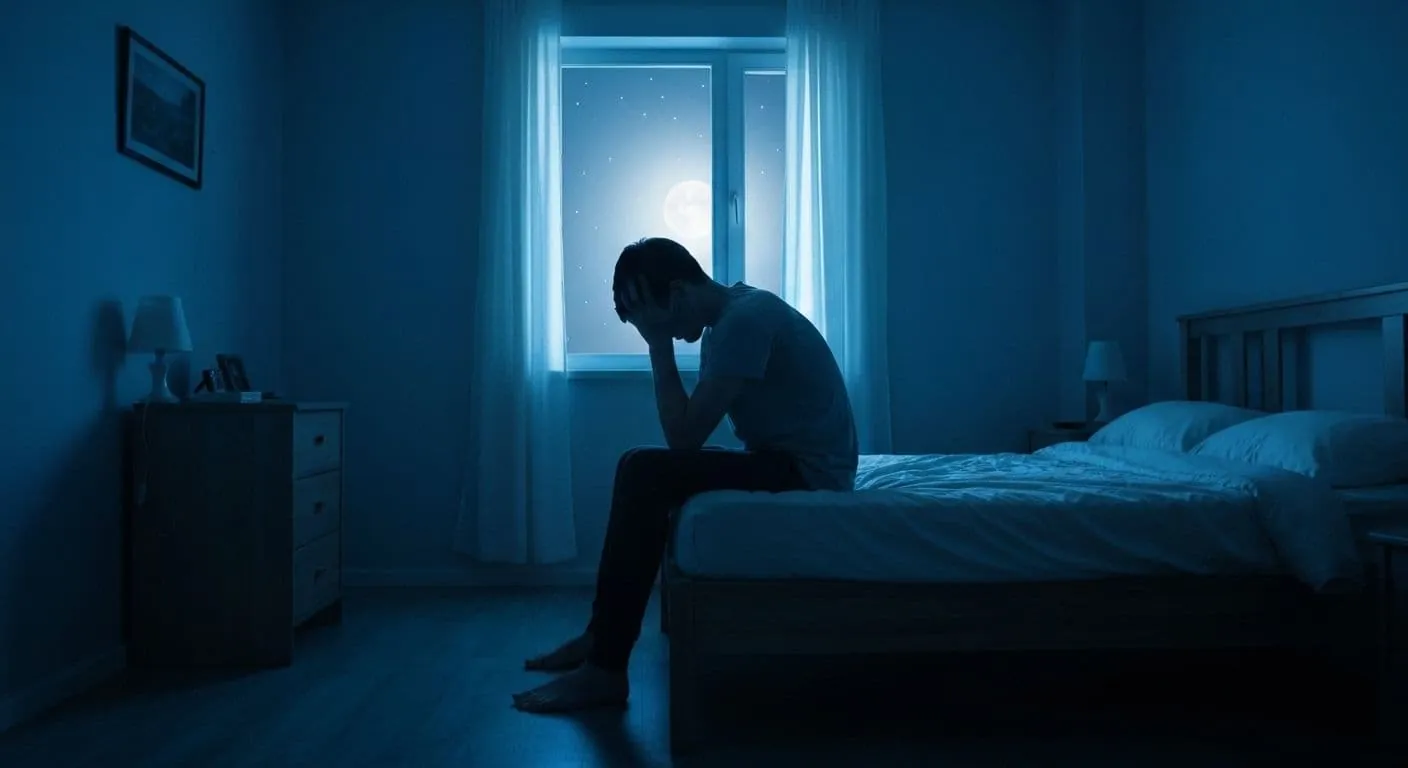
A sharp rotten-egg smell could mean a gas leak, which is dangerous and needs immediate help. If you detect this odor, leave the building immediately and don’t touch any light switches or electronics on your way out. Call your utility company from a safe distance outside.
Sewage odors that come through drains often point to a broken vent or dried-out trap. If pouring a gallon of water down the drain fails to stop the smell within an hour, the issue is likely a cracked pipe or a blocked roof vent.
Mold spreading behind walls or under floors needs removal by someone with the right equipment. Any smell paired with headaches, dizziness, or nausea means you should leave and call for help right away.
Related guides
- How to Fix Polyurethane Mistakes: A Step-by-Step Repair Guide in 2026
- Can You Use Oil Based Primer Over Latex Paint? The Fix in 2026
- How to Fix Nail Gun Not Shooting Nails: Troubleshooting Guide in 2026
Frequently asked questions
Why does my house smell worse at night?
Cooler night air sinks and holds odors near the floor instead of letting them rise and disperse, so smells that were mild during the day become obvious after sunset.
Is it safe to stay in the house while it smells?
Yes for most household odors, but leave immediately and call your gas company if you smell rotten eggs, which can signal a gas leak.
How can I confirm the cause in five minutes?
Close all windows and doors for ten minutes, then walk through each room and note where the scent is strongest before opening windows to air it out.
Does opening windows help at night?
Yes, opening two windows on opposite sides of the house for about fifteen minutes creates cross-ventilation and flushes out trapped odors.
What happens if I ignore a musty smell?
Dampness can keep feeding mold or mildew in walls, carpets, or closets, and the scent will usually get worse until the moisture source is fixed.
Can my furnace filter make the smell worse?
Yes, a clogged filter can blow dust and debris through the vents when the heating turns on at night, so replace it according to the manufacturer’s schedule.
Does humidity affect nighttime odors?
Yes, cool air holds less moisture, so condensation on cold surfaces can release musty scents; keeping indoor humidity below fifty percent helps.
Who should I call if the smell won’t go away?
Call a plumber for drain or sewage smells, your gas utility for a rotten-egg odor, and a mold remediation specialist for growth behind walls or under floors.
Conclusion
A sharp rotten-egg smell can mean a gas leak, which is dangerous and needs immediate help from your gas utility or emergency services. Sewage odors coming through drains often point to a broken vent or dried-out trap that a plumber should fix.