
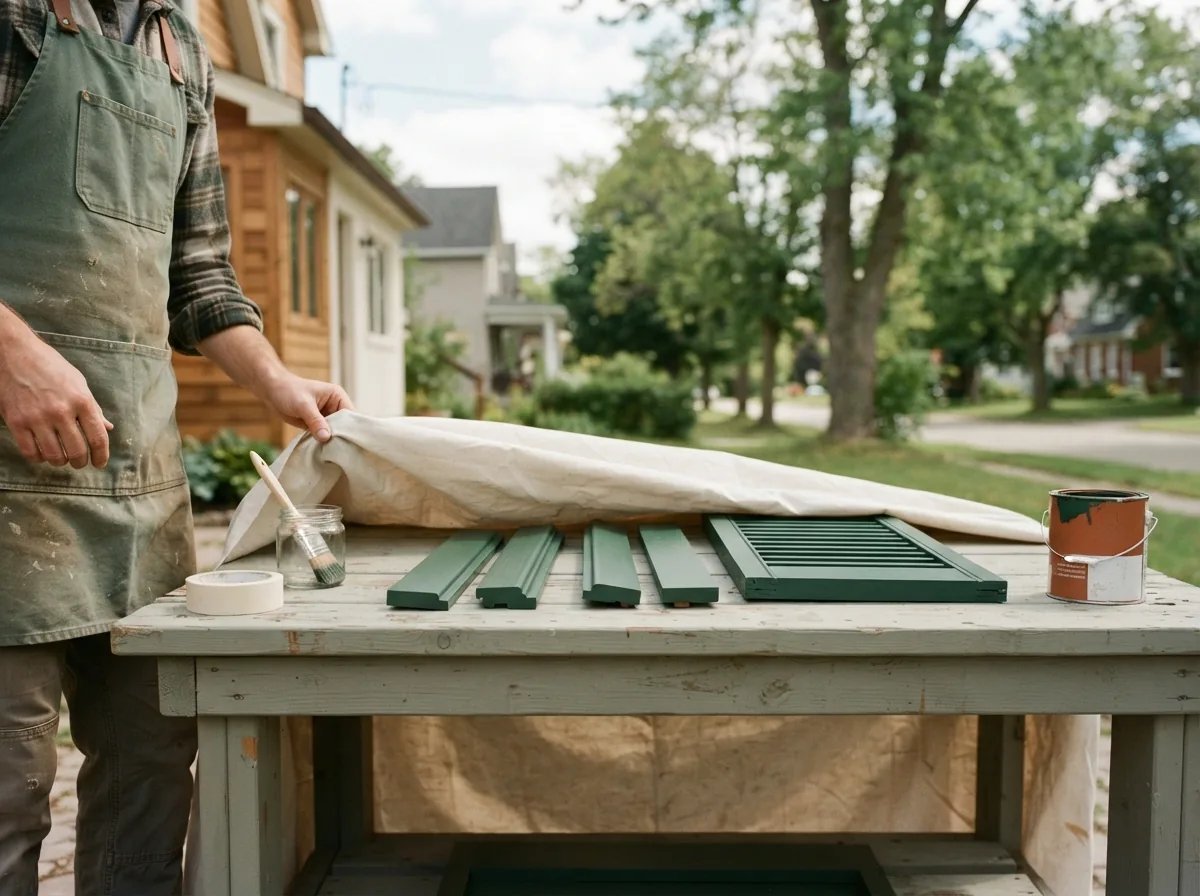
Paint smell won’t go away because the paint is still drying or the room lacks fresh air. As paint cures, it releases vapors that linger until airflow carries them out. Open windows and run a fan to push the air outside. The single most common cause is painting with the windows shut, which traps the vapors inside.
Why paint smell won’t go away
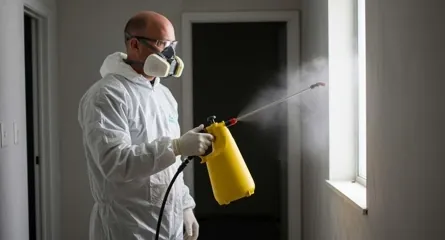
Paint releases volatile organic compounds as it dries and cures. Poor airflow traps these vapors inside, preventing them from escaping. If you rely on a single window, you create a stagnant pocket of air. Place a box fan in the window facing outward to pull air from the room rather than just circulating it.
Humidity also slows the evaporation process significantly. If the relative humidity exceeds 60 percent, expect the odor to linger for days longer than the manufacturer’s estimate. You can counteract this by running a dehumidifier in the space.
Thick coats of paint are a common mistake. They trap wet paint beneath a dry skin, which prevents the inner layers from curing properly. If the surface feels tacky to the touch after 24 hours, you have applied the paint too heavily.
Open windows and run a fan
Open windows on opposite sides of the room to create a direct cross-breeze. This movement forces stale, vapor-heavy air out while pulling fresh oxygen in. Place a box fan in the window facing outward to accelerate the process. By blowing air out, the fan creates negative pressure that draws fresh air in through every other available opening.
Keep the fan running continuously until the paint is dry to the touch. If you stop the airflow too early, lingering moisture will trap the solvent odors within the drying film. You should notice a significant reduction in fumes within six hours. If the smell remains sharp after twenty-four hours, the paint layer is likely too thick or the humidity is too high for evaporation to occur.
If a window won’t open or you lack a secure place for a fan, don’t attempt this. Without an exit path for the vapors, the fan will only circulate the toxins throughout the rest of your home. Move to a space with natural cross-ventilation instead.
Place bowls of vinegar around the room

This fix suits a room where the smell remains after the paint has dried. Pour white vinegar into several shallow bowls and set them around the room, away from where people walk.
Leave the bowls overnight and replace the vinegar each morning until the smell is gone. You’ll know it worked when walking into the room no longer stings your nose or leaves a paint scent on your clothes. If you have pets or small children, put the bowls where they can’t tip them over, since spilled vinegar can irritate skin and eyes.
If the room remains pungent after three days, the paint itself is likely still off-gassing. In this case, stop using the vinegar and increase airflow instead. Open two windows on opposite sides of the room to create a cross-breeze. This forces the heavy, paint-laden air out of the house entirely. Relying on vinegar alone in a sealed room often fails because the liquid can’t neutralize the high concentration of chemicals trapped in fresh, thick coats of paint.
Use an air purifier with an activated carbon filter
This is the fix for stubborn smells that linger for days, especially in rooms without windows. It costs more and takes longer than opening a window, but it works when ventilation isn’t possible. Choose a purifier with an activated carbon filter, not one that only traps dust.
Activated carbon works by adsorption, meaning it pulls gas molecules into the microscopic pores of the charcoal. A HEPA filter only catches physical particles like pollen or dander. If your purifier lacks a carbon layer, it won’t remove volatile organic compounds like paint vapors or smoke.
Run the machine continuously with the doors closed until the odor drops. You’ll know it worked when the air smells neutral after running the machine for a full day.
Most people make the mistake of leaving the filter in place for a year. If the room smells musty again despite the machine running, the carbon is already saturated. Check the manual for the exact replacement schedule. Moisture clogs the pores, rendering the carbon useless long before the calendar says it’s time for a swap.
Things that don’t remove paint smell
Lighting a candle merely introduces soot and additional combustion byproducts into the air, creating a fire hazard near volatile solvents. You’re essentially adding more chemicals to a room that already requires ventilation.
Spraying air fresheners creates a chemical cocktail that masks odors rather than neutralizing them. These products rely on heavy fragrances that settle on surfaces, often intensifying the underlying chemical smell once the perfume fades.
Turning up the heat forces the surface of the paint to skin over prematurely. This traps liquid solvents beneath a hardened layer, ensuring the odor lingers for weeks instead of days.
Painting over a tacky coat to seal in the smell is a common mistake. This creates a sandwich of uncured material that will off-gas indefinitely, eventually forcing you to strip the entire wall down to the drywall.
What works and what does not
| If you’re doing this | Do this instead | Why | | Open windows with no fan | Add a fan facing outward | Pulls vapors outside instead of waiting for them to drift | | Spraying air freshener | Set out bowls of vinegar | Removes the odor rather than covering it with scent | | Painting over wet paint to seal it | Wait for the first coat to dry fully | Sealing in wet paint traps vapors under the new coat | | Closing doors to keep the smell in | Keep doors open and air moving | Stagnant air lets vapors build up and linger |
Frequently asked questions
How long does paint smell last?
It usually fades within a few days to a couple of weeks, assuming normal room temperature and decent airflow. Oil-based paint can hold its odor longer than water-based paint. If it persists beyond that, check that air is actually moving through the room.
Can vinegar remove paint smell?
Yes. Shallow bowls of white vinegar absorb odors from the air when left overnight and refreshed daily. It works best after the paint has already dried.
Is paint smell safe to breathe?
Short-term exposure is generally not dangerous, but strong vapors can irritate your eyes, nose, and throat. Leave the room and get fresh air if you feel dizzy or nauseous.
Why does the smell come back when I close the door?
Vapors settle into the paint and walls and release slowly. Closing the door stops airflow, so the odor builds up again until you reopen the window.
What happens if I paint over wet paint?
You trap solvent vapors beneath the new coat, and the smell lasts much longer. Let the first coat dry completely before adding another.
Is it safe to sleep in a freshly painted room?
It’s best to wait until the smell fades and the room has aired out, especially for children and people with asthma. If you must sleep there, keep a window open and a fan running.
Conclusion
Paint smell won’t go away until fresh air moves the vapors outside or something absorbs them. Start with windows and a fan, add vinegar bowls if the odor lingers, and use a carbon-filter air purifier when you can’t ventilate. Avoid candles, air fresheners, and painting over wet coats, since those make the problem worse or add new risks.