
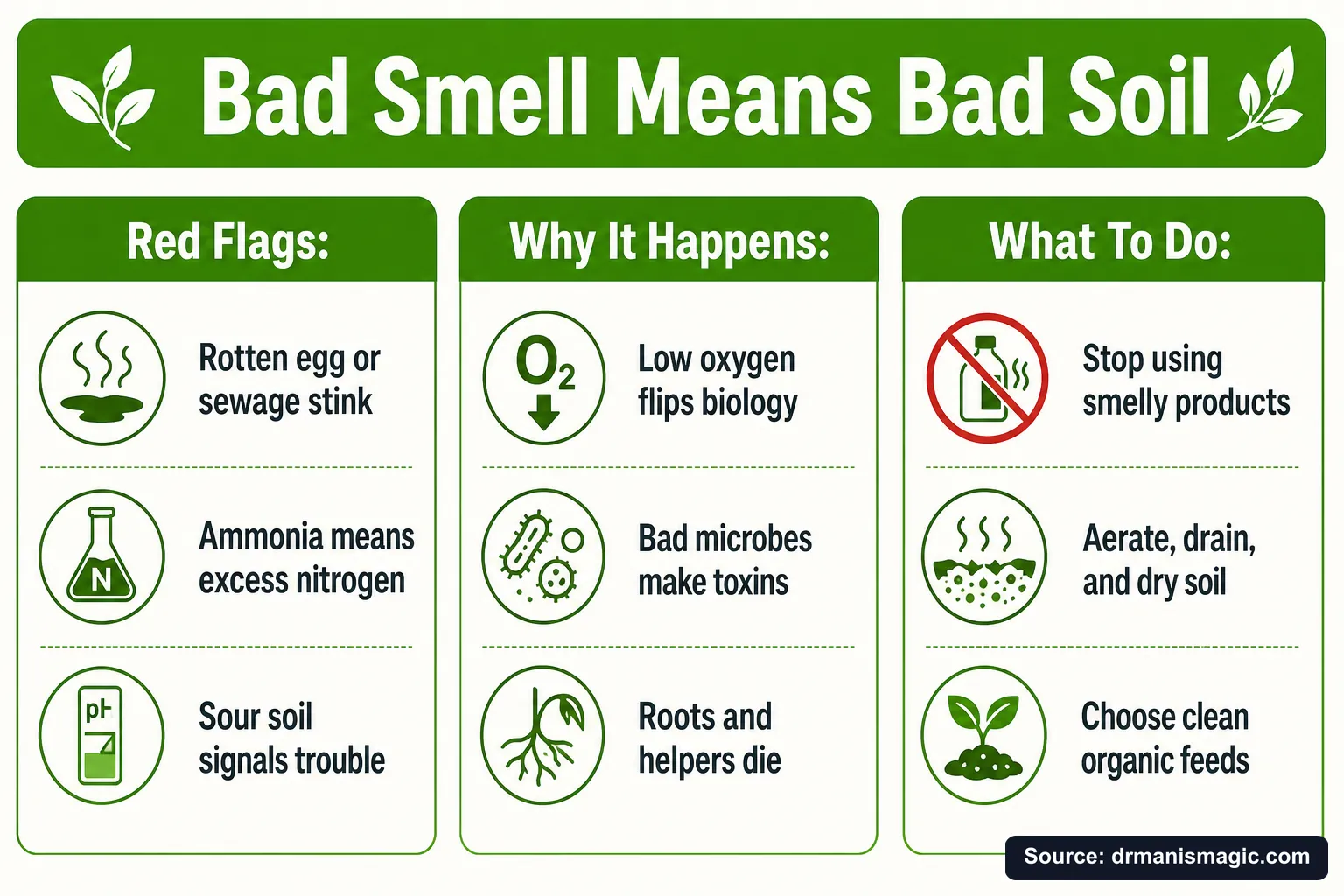
When your soil smells bad, it’s usually because the roots are drowning in too much water and lacking oxygen. This lack of air creates an environment where anaerobic bacteria thrive, producing a rotten egg or sewage odor. If you notice this smell, you should immediately check your drainage holes and reduce your watering frequency to help the roots recover.
Ways to stop soil that smells bad
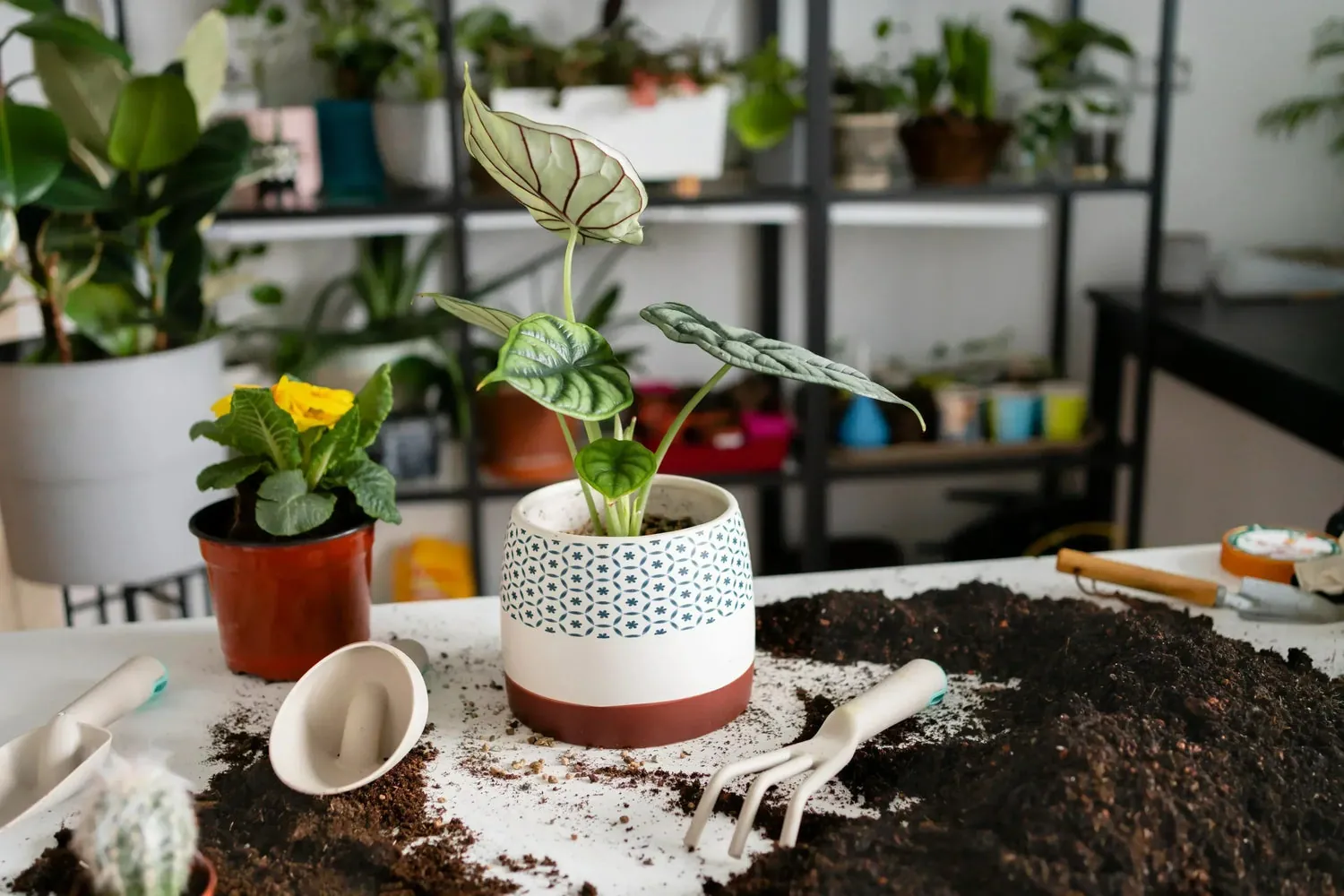
- Check drainage: Ensure your pot has open holes at the bottom so excess water can escape.
- Stop watering: Let the top two inches of the soil dry out completely before you add more moisture.
- Remove debris: Take out any dead leaves or rotting plant parts from the surface that might be decaying.
- Check the roots: If the smell persists, pull the plant out to see if the roots are brown and mushy.
- Repot if needed: Use fresh, well-draining potting soil if the current mix stays wet for more than three days.
- Improve airflow: Place the plant in a spot with better air circulation to help the surface soil dry faster.
Why Foul Odors Develop in Containers
The primary reason soil smells bad is the buildup of sulfur-rich gases caused by anaerobic decomposition. When soil remains saturated for extended periods, the water fills all the tiny gaps between soil particles. This process, known as waterlogging, prevents oxygen from reaching the plant roots and the beneficial microorganisms living in the mix. Without oxygen, specific bacteria begin to break down organic matter, releasing hydrogen sulfide gas, which carries that distinct, unpleasant odor.
This condition is often a sign of root rot, which is a serious issue for many indoor plants. These fungi thrive in the same low-oxygen environments that create the bad smell. If you don’t address the moisture levels, the roots will eventually die and lose their ability to take up water, causing the plant to wilt even while the soil is soaked.
You can determine if your soil mix is too dense by testing how fast it drains. If you pour a cup of water into the pot and it sits on the surface for more than a few minutes, the soil likely lacks enough perlite or bark to allow proper airflow. Organic matter that isn’t fully composted can also cause temporary odors as it continues to break down inside the container.
When the Cause Is Something Else

Sometimes the smell comes from outside sources rather than the plant roots themselves. Before you discard a healthy plant, check if the odor is localized to the soil surface or if it permeates the entire pot.
If you recently added organic fertilizer, the pungent scent is merely a byproduct of nitrogen-rich microbes breaking down. This typically dissipates within 48 hours. If the smell persists beyond three days, you’re likely dealing with anaerobic bacteria from overwatering rather than the fertilizer itself.
When fresh potting mix is the culprit, the earthy, swampy aroma often stems from damp peat moss trapped in a sealed bag. Spread the soil on a tray for two hours to allow volatile compounds to evaporate. If you spot fuzzy white patches, scrape off the top inch of soil immediately. This prevents spores from spreading to the stems, which can cause permanent structural rot in sensitive tropical varieties.
How to Correct Waterlogged Soil
Stop all watering immediately until the soil feels dry to the touch at least two inches deep. If you can push a wooden skewer into the center of the pot and it comes out damp or dark, the soil is still too saturated to support root health.
Tilt the pot at a 45-degree angle to help trapped water drain out through the drainage holes. If the plant stays wet for over four days, gently remove it from the pot to inspect the root ball.
Trim away any black, slimy, or foul-smelling roots with clean shears to prevent rot from spreading to healthy tissue. If the roots are firm and white, leave them alone. Repot the plant into a container with fresh, sterile, well-draining potting mix that contains plenty of perlite.
Water the plant sparingly for the first two weeks while it recovers. If the leaves continue to wilt despite damp soil, the root system is likely too damaged to absorb moisture.
Common Mistakes That Damage Plants
Using a pot without drainage forces water to sit at the bottom, creating a permanent swamp for the roots. If your container lacks holes, drill them yourself or use a plastic nursery liner inside the decorative pot.
Leaving the plant in a decorative saucer is equally dangerous. Water trapped in the saucer wicks back into the soil through capillary action, keeping the root zone saturated. Empty any standing water within fifteen minutes of irrigation.
Adding too much compost creates a dense, sponge-like medium that suffocates delicate root hairs. Aim for a ratio of no more than twenty percent organic matter in your potting mix.
Ignoring a sour, swampy smell is a critical error. If you detect an earthy, fermented odor, the plant is already suffering from anaerobic decay. Repot immediately, trim away blackened, mushy roots, and switch to a faster-draining, inorganic substrate to prevent total collapse.
Related guides
- How to Fix a Hole in a Gun Stock: Step-by-Step Repair Guide in 2026
- How to Remove Gorilla Glue From Wood: A Simple Step-by-Step Fix in 2026
Frequently asked questions
Can I save a plant if the soil smells like rotten eggs?
You can save the plant if you act quickly to remove the damaged roots and replace the soil. If more than half of the root system is black and mushy, the plant may not recover even with repotting. Always check the roots for firmness; if they’re white and firm, the plant has a much better chance of survival after you fix the drainage.
How long does the bad smell take to go away?
The smell usually fades within 24 to 48 hours once you improve the airflow and stop the overwatering. If the odor remains after two days of dry conditions, the root rot is likely advanced and you must repot the plant. The amount of time depends on how much organic material is currently decaying in the pot and the ambient room temperature.
Is it safe to keep a plant that has smelly soil?
It isn’t safe to keep the plant in its current state because the bacteria and fungi will continue to destroy the roots. Once you have repotted it into clean soil, the danger to your other plants is removed.
What happens if I ignore the smell?
If you ignore the smell, the plant will eventually stop growing and its leaves will turn yellow or brown. The roots will completely decay, leading to the death of the plant within a few weeks. You’ll notice the plant wilting despite the soil being wet, which is a sign that the roots can no longer transport water.
Does it matter if the smell is faint?
It does matter because even a faint smell indicates that the soil is staying too wet for too long. You should adjust your watering schedule to ensure the soil dries out enough between waterings to keep the roots healthy. A faint smell is an early warning sign that allows you to fix the problem before the plant begins to show physical damage.
How often should I check my soil for odors?
You should check your soil for odors every time you water your plants. Simply lean in and smell the soil surface before you add more water to the pot. If you detect any sour or sewage-like scent, skip the watering and check the drainage holes instead. This simple check takes only a second and prevents long-term root damage.
Conclusion
If you find that your soil stays wet for more than a week even after you have reduced your watering, you must change your soil mix. Use a blend specifically designed for containers, which usually includes perlite or pumice to ensure the roots get enough air. This simple switch prevents the anaerobic conditions that cause the bad smell in the first place.