
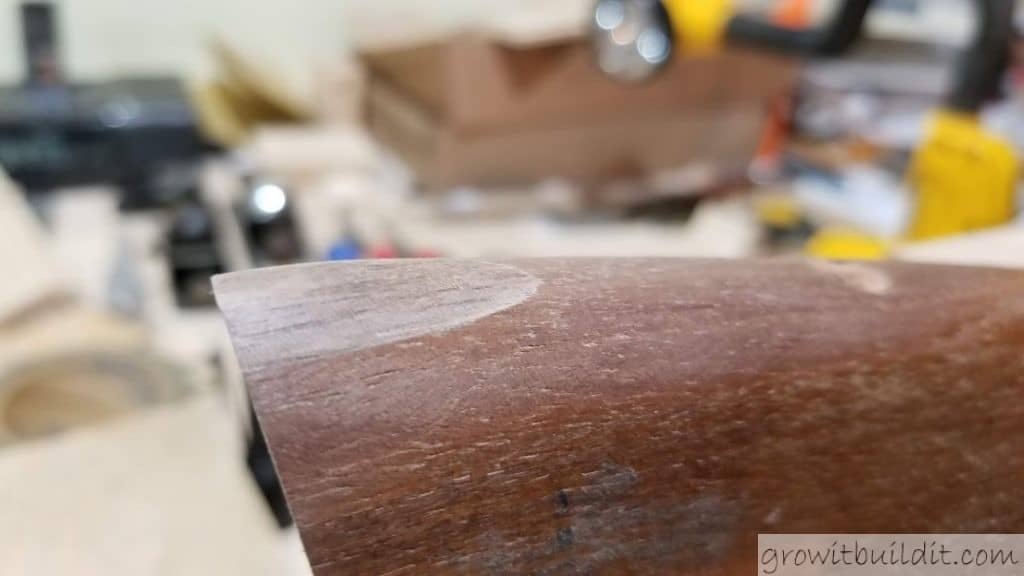
You can repair a hole in a gun stock by filling the damage with high-quality wood epoxy or specialized bedding compound. Most issues arise from stripped screw holes or loose sling swivels. Be sure to remove any soft or rotten material before applying filler to ensure the fix lasts.
Understanding how holes form in your stock
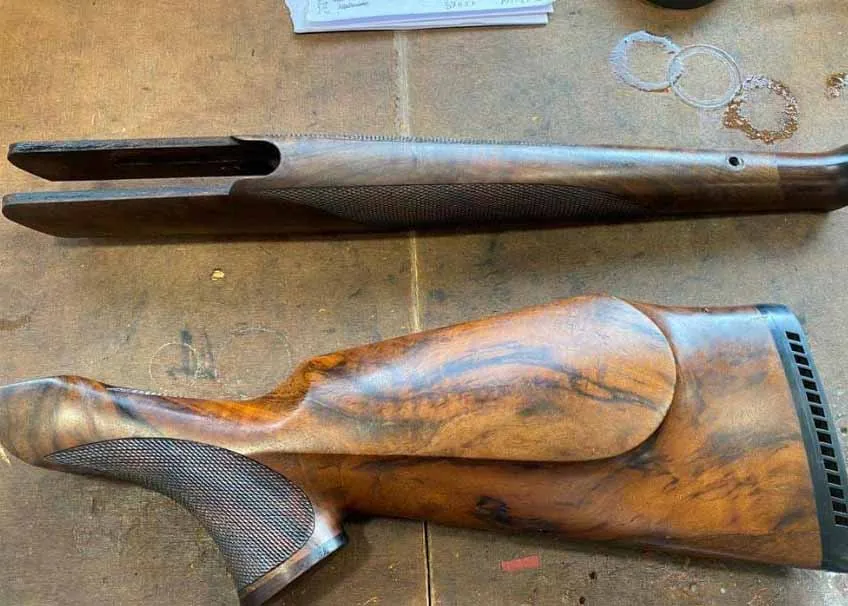
The structural integrity of a wooden stock often fails due to moisture exposure or mechanical stress. Wood is a natural material that expands and contracts with humidity changes, which can eventually loosen screw holes or cause small cracks to expand into holes. When a screw is overtightened, it crushes the wood fibers, leading to a stripped hole that no longer holds the fastener securely.
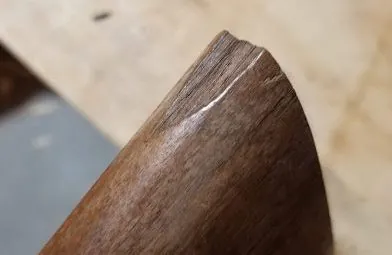
Another frequent cause is physical trauma, such as a drop or a sharp impact against a hard surface. This creates a depression or a hole that breaks the finish and exposes the raw wood underneath. Once the protective varnish or oil finish is broken, the wood absorbs moisture from the air, causing the surrounding area to swell or rot.
If the hole is near a structural point, such as the tang or the recoil lug, it can affect the accuracy of the firearm. If you notice large cracks or structural instability, consult a professional gunsmith before attempting any repairs, as a faulty stock can be dangerous under recoil.
Clean and prep the damaged area
Before you start, you must remove any loose debris, oil, or finish from inside the hole. Use a small pick or a drill bit turned by hand to scrape away soft or splintered wood, as epoxy won’t bond to loose material. If the area is oily, wipe it down with a degreaser or denatured alcohol and let it dry completely.
This fix is ideal for small holes, such as those left by sling swivels or stripped screw holes. It isn’t intended for large, structural breaks or stocks that are split through the wrist area. If you find that the wood is spongy or dark, this is a sign of deep rot; you should stop and assess if the stock is still safe to use.
Always work in a well-ventilated area, as wood dust and chemical fumes can be harmful to your lungs. Once the area is clean and dry, you’re ready to mix your filler. If you have never worked with wood epoxy before, practice on a scrap piece of hardwood first to see how it sets and sands.
Steps to fix a gun stock hole
Mix a small amount of two-part wood epoxy or a dedicated bedding compound according to the manufacturer’s specific ratio. Use a toothpick or a small syringe to push the mixture deep into the hole, making sure to remove any air bubbles. Overfill the hole slightly so the epoxy sits just above the surface of the stock, as it will shrink marginally while it cures.
Let the compound harden for the full time listed on the product label, which often ranges from 12 to 24 hours depending on the ambient temperature. If your shop or room is cold, the curing process will take longer than the standard time. Once the material is rock-hard, use a fine-grit sandpaper wrapped around a small dowel to sand it level with the surrounding wood.
Work slowly to avoid scratching the original finish around the repair. If you aren’t comfortable matching the stain or finish, a professional gunsmith can perform a professional refinish that blends the repair into the rest of the grain. This step is the difference between a functional fix and one that looks like a permanent part of the stock.
Apply a protective finish
After sanding the hardened epoxy flush, you must seal the area to prevent moisture from re-entering the wood fibers. Apply a thin layer of wood stain that matches your stock’s color, followed by a clear topcoat like polyurethane or linseed oil. Use a small artist’s brush to apply the finish only to the repair site to keep the patch as small as possible.
This method works well for small surface holes, but it isn’t a replacement for proper mechanical fastening. If the hole is for a screw that bears heavy load, you might need to install a hardwood dowel first and then re-drill the hole.
A simple test determines if your repair is structural: if the screw spins freely or fails to bite into the epoxy, the bond has failed. In that case, you must drill out the epoxy and seat a hardwood dowel with waterproof wood glue.
Installing a dowel requires a drill press and precise alignment to ensure the screw enters the wood straight. If you don’t have access to a drill press, it’s safer to take the stock to a professional who can ensure the fastener is aligned correctly.
If the hole is too large for a simple fill, don’t force a screw into it. Forcing a screw into a compromised hole will likely split the wood further, turning a minor cosmetic fix into a permanent structural failure.
Avoiding common repair mistakes
Don’t use wood putty or filler meant for interior furniture, as these products are too soft for the recoil forces a firearm generates. Stick to structural epoxy or bedding compounds.
Overtightening screws in an attempt to fix a loose fit will only cause the wood to crack or crumble further. If you can move the screw head with a standard screwdriver after it seats, stop turning immediately. Forcing it further creates a stress riser that leads to a split stock.
If you don’t clean the oil out of the hole, the epoxy won’t stick and will eventually pop out under recoil. Use a degreaser like acetone or denatured alcohol to scrub the wood fibers until a clean cotton swab comes out white. If the wood remains dark or slick, the bond will fail within fifty rounds.
Standard wood glue isn’t strong enough for filling holes in a gun stock and will fail when exposed to heat or pressure. Use a two-part epoxy mixed with wood dust from the same species. This creates a chemical bond that matches the thermal expansion rate of the surrounding stock.
It’s easy to damage the surrounding checkering or finish if you sand too fast; always use a sanding block to stay flat. If your repair area is near delicate checkering, mask the perimeter with three layers of heavy-duty painter’s tape to prevent accidental marring.
Keeping the stock in good condition
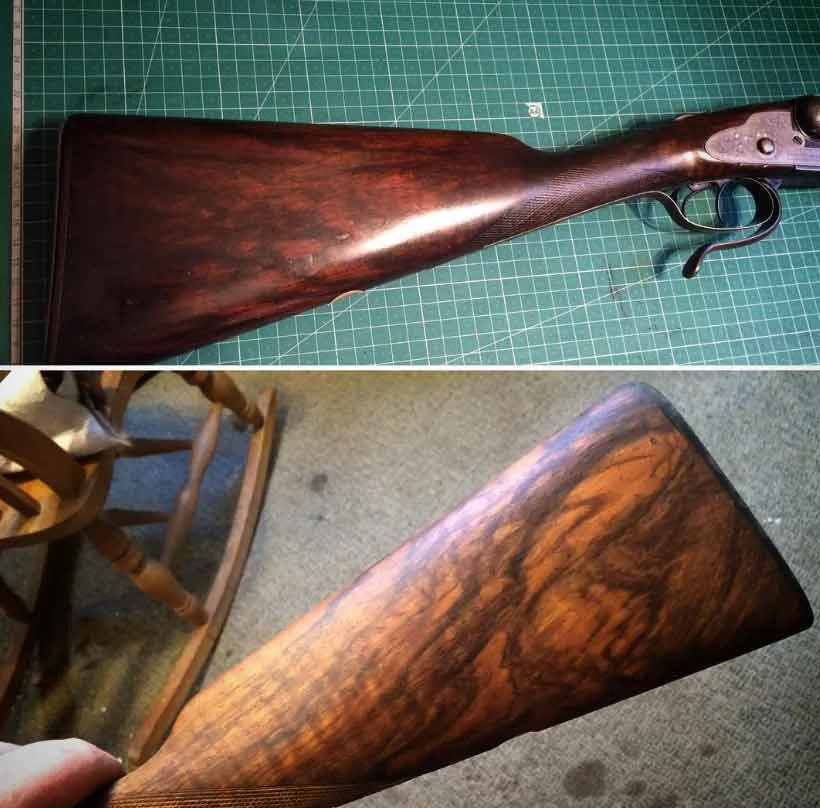
The best way to prevent holes is to check your hardware regularly and keep the wood sealed. Compare your current habits with these suggestions to see where you can improve your maintenance.
| If you’re doing this | Do this instead | Why |
|---|---|---|
| Leaving the stock dry | Apply light gun oil | Prevents wood from cracking |
| Forcing tight screws | Use a proper drill bit | Prevents splitting the wood |
| Ignoring loose swivels | Tighten with thread locker | Stops hole from wallowing out |
| Storing in damp areas | Use a climate-controlled safe | Stops wood rot and swelling |
If you notice a screw spinning without catching, stop immediately. You have likely stripped the internal threads, and forcing it further will ruin the wood fiber. Instead, insert a small sliver of hardwood toothpick dipped in wood glue into the hole. Let it cure for twenty-four hours before resetting the screw.
If your stock feels tacky or dull, apply a thin coat of paste wax twice a year. This creates a moisture barrier that prevents the finish from lifting. If you live in a region where humidity swings above sixty percent, prioritize a dehumidifier rod inside your safe. Without one, the wood will expand and contract, eventually loosening every metal fitting on the firearm.
Related guides
Frequently asked questions
Can I use wood glue to fix a hole in a gun stock?
Wood glue is unsuitable for this task because it lacks the structural strength to withstand firearm vibration and recoil. You should always use a high-strength, two-part epoxy instead. Note that wood glue is designed for clamped joints rather than filling voids.
How long does it take for wood epoxy to cure?
Most wood epoxies require 12 to 24 hours to reach full strength, depending on room temperature and humidity. If the air is below 65 degrees Fahrenheit, the chemical reaction slows significantly. Always check the specific curing chart on your product packaging for accurate timing.
Is it safe to drill into the filled hole?
It’s safe to drill into hardened epoxy if you use a sharp, high-speed steel bit and proceed slowly. A drill press helps ensure the hole remains perfectly straight to prevent stock cracking. Avoid drilling if the bit begins grabbing or pulling the material.
What happens if I don’t seal the repair?
Leaving a repair unsealed allows moisture to penetrate the wood, which leads to swelling, warping, and rot. A broken seal creates a weak point that can cause the stock to split from the inside. Always apply a quality wood finish as the final step.
How do I know if the hole is too deep to fix?
A hole is too severe to fix at home if it compromises the structural connection between the stock and the receiver. If you see radiating cracks or soft, spongy wood, the integrity is likely permanently damaged. Consult a professional gunsmith for repairs involving internal reinforcement.
Conclusion
Once the filler has fully hardened, sand the surface until it’s perfectly smooth and flush with the wood. You’ll want to apply a matching stain or oil finish to blend the repair seamlessly. Take your time with this final touch, and you’ll have a stock that’s ready for the range again.