
Professional cleaning companies achieve successful smoke smell removal by combining deep surface scrubbing with ozone treatment or hydroxyl generators to break down odor molecules. This process typically takes 24 to 72 hours for a standard room, depending on the severity of the soot damage. It’s a method designed for homeowners dealing with lingering fire or tobacco odors who have already ventilated the space.
Necessary Cleaning Tools and Supplies
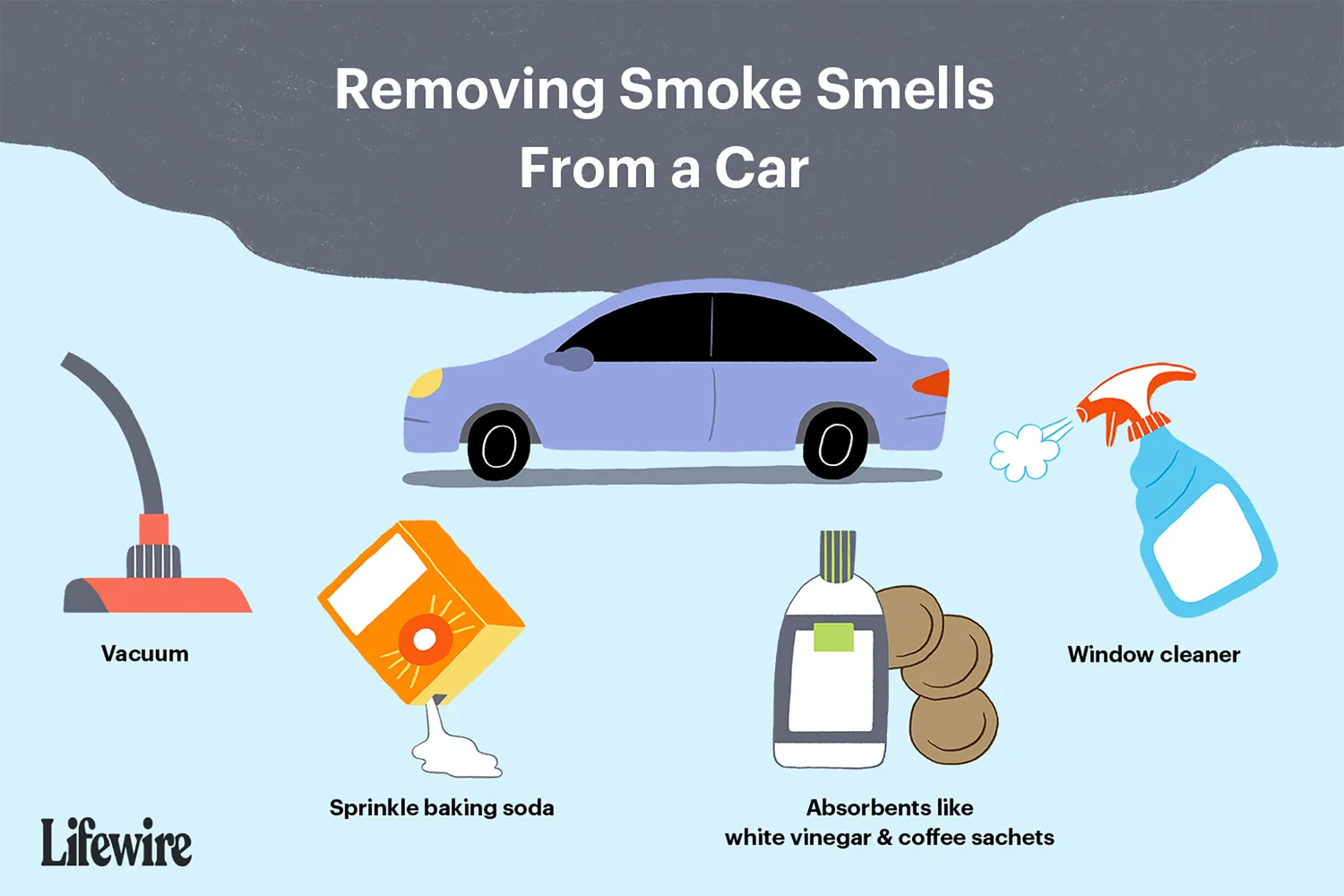
You need specific items to safely neutralize smoke particles and trap soot. Having the right tools prevents you from simply pushing the dust around your home, which often makes the smell worse.
- High-efficiency particulate air (HEPA) vacuum cleaner with a sealed system.
- Chemical dry cleaning sponges, often called soot sponges.
- Concentrated degreasing cleaner designed for soot removal.
- Microfiber cloths for wiping non-porous surfaces.
- Large industrial fans for airflow.
- Optional: Ozone generator or hydroxyl machine for air treatment.
If you don’t have a HEPA vacuum, a standard vacuum will blow fine soot particles back into the air. If you need to rent an industrial ozone generator, check with local equipment hire shops, as these machines require specific safety training to operate without harming your lungs or household pets.
Steps for Smoke Smell Removal
- Ventilate the entire area by opening all windows and doors to allow fresh air to circulate for at least two hours before you begin working.
- Clear all loose items and furniture out of the room to ensure you can reach every wall and corner.
- Vacuum all surfaces, including ceilings, walls, and floors, using a HEPA vacuum to pull up loose soot particles that carry the smell.
- Wipe down all hard surfaces using a specialized degreaser, moving from the ceiling toward the floor to prevent streaks.
- Rub walls and ceilings with dry soot sponges to lift embedded grime, but don’t use water on these sponges as it ruins their texture.
- Wash all soft fabrics, such as curtains and cushions, in a hot cycle with a cup of white vinegar if the items are machine-washable.
- Run an ozone generator in the sealed room for 12 to 24 hours if the smell persists, following the Environmental Protection Agency guidance on indoor air quality regarding ozone safety.
Careful: Never run an ozone generator while people, pets, or plants are inside the room. Tip: Always wear a P100 respirator mask when cleaning soot to avoid inhaling harmful microscopic particles.
Adjusting for Different Situations
The time and effort required change based on the source of the smoke and the amount of time the odor has had to settle into your home’s materials.
| Situation | Time Required | Effort Level | Watch For |
|---|---|---|---|
| Minor tobacco smell | 4–8 hours | Low | Lingering dust |
| Kitchen grease fire | 24–48 hours | High | Sticky residue |
| Heavy house fire | 7+ days | Intense | Structural damage |
If you detect a sharp, acidic scent, the smoke has likely penetrated deep into porous drywall or insulation. In these cases, surface wiping will fail; you must seal the affected surfaces with a shellac-based primer to lock in the odor molecules. Conversely, if the smell is faint and sweet, it’s likely trapped only in soft fabrics and carpets. Focus your energy on hot-water extraction cleaning for textiles rather than scrubbing hard surfaces.
Many homeowners mistakenly apply heavy-duty degreasers to every wall immediately. This often strips paint or ruins wallpaper while leaving the underlying scent untouched. If the wall remains tacky to the touch after one pass, you’re dealing with soot-heavy grease that requires a specialized alkaline cleaner. If the wall feels dry but still smells, stop scrubbing and switch to an ozone generator or professional-grade air scrubber.
Judging Your Cleaning Results
A successful outcome means the air feels neutral and no visible soot remains in corners or ceiling crevices. If you still detect a sharp, acidic scent, you have likely missed soot trapped in porous materials like drywall or insulation.
This happens because smoke particles are small enough to settle deep inside porous surfaces, where standard surface wipes can’t reach them. You can test for this by pressing a piece of white adhesive tape against the wall; if the adhesive pulls away gray or black residue, the surface isn’t yet clean.
If you find residue, don’t use water, which will only smear the soot deeper. Instead, use a dry chemical sponge to lift the particles. If the scent persists after two passes with the sponge, the material is likely saturated and requires professional encapsulation.
Rules and Aftercare Procedures
The standard for smoke remediation often follows the IICRC S520 professional guidelines for mold and soot mitigation. After finishing the deep clean, store your cleaning equipment in a dry, ventilated area and replace your vacuum filters immediately, as they will be saturated with soot.
If you’re working with porous materials like curtains or upholstery, don’t use water-based cleaners first. Water often binds soot particles to fibers, making permanent staining inevitable. Instead, use a dry chemical sponge to lift the residue before applying any liquid solutions.
You should notice a significant improvement within 48 hours. If the smell remains after a week, inspect the HVAC return vents. If you see grey streaks around the intake, you likely have soot trapped in the ductwork. In this case, professional mechanical cleaning is required to prevent recurring odors.
Alternative Ways to Remove Odors
Using Enzyme Cleaners
Enzyme-based sprays break down organic smoke molecules rather than just masking them. This works well for light odors on carpets and upholstery. It’s less effective for heavy, thick soot damage, but it’s safer than ozone machines, which should never be used in occupied spaces.
Professional Thermal Fogging
This method involves using a machine to create a dry, smoke-like fog that penetrates deep into wall cavities and fabrics. It mimics the way the original smoke entered your home. This is usually a task for professional fire restoration teams, as it requires specialized chemical handling.
Activated Charcoal Bags
Placing large, breathable bags of activated charcoal around the room can help absorb residual odors over time. This is a passive, slow-acting solution that works best after the main source of the soot has been removed. It won’t clear a heavy smell on its own.
Related guides
- How to Seal Burnt Wood: Step-by-Step Guide for a Clean Finish in 2026
- How to Remove JB Weld: Proven Removal and Cleaning Methods in 2026
Frequently asked questions
Can I use baking soda to remove smoke smell?
Yes, you can use baking soda to remove light smoke smells from soft fabrics like carpets or sofas. Sprinkle a generous layer over the surface, let it sit for at least 12 hours to absorb the odor, and then vacuum it up thoroughly. This is ineffective for walls or heavy soot deposits on hard surfaces.
How long does the smoke smell last if I don’t clean it?
The smell can last for several years if the soot particles aren’t physically removed from the home. Because smoke is acidic, it will continue to degrade surfaces it touches, such as paint and plastics, until the residue is cleaned away. The duration depends on the volume of the smoke deposit and the humidity in your home.
Is it safe to stay in the house while cleaning soot?
No, it isn’t safe to remain in the area while you’re actively cleaning or vacuuming soot. The process releases tiny, toxic particles into the air that can cause respiratory irritation. You should wear a N95 or P100 respirator and ensure the room is completely empty of other people and pets during the work.
Why does the smell come back after I clean?
The smell returns because soot is often trapped behind wallpaper, inside porous drywall, or within your HVAC ductwork. If you only clean the visible surfaces, the trapped particles continue to release odors into the air. You must ensure the source, such as a dirty air filter or soot-covered vent, is also addressed.
How much does professional smoke removal cost?
Professional removal costs vary widely, often proving far more affordable than replacing your belongings, depending on the severity of the damage. This price includes specialized equipment, protective gear, and labor for deep cleaning. You should request a written estimate from a certified restoration firm that specifically outlines their soot removal process.
Conclusion
The most effective way to ensure the smoke smell is gone for good is to combine physical cleaning with proper ventilation. If the odor persists after your best efforts, consider hiring a professional to check for soot in your home’s hidden infrastructure.