
Discovering a persistent behind ears smell can be both frustrating and concerning, yet it’s a surprisingly common issue that stems from simple physiological processes. The area behind your ears, known as the retroauricular crease, is a natural trap for skin oils, sweat, and environmental debris. Because this region often lacks consistent airflow and is frequently overlooked during routine washing, it creates a perfect micro-environment for bacteria and yeast to thrive. Addressing this odor effectively usually involves adjusting your personal hygiene habits and understanding the underlying biological factors that contribute to the buildup of sebum and microorganisms.
Key Takeaways
- Clean the area behind your ears daily with mild soap and warm water to remove trapped oils.
- Ensure the skin is completely dry after showering, as moisture promotes bacterial and fungal growth.
- Wash items that frequently touch your ears, such as pillowcases, hats, and headphones, on a weekly basis.
- Consult a dermatologist if the odor is accompanied by crusting, swelling, or persistent redness.
- Use non-comedogenic moisturizers if your skin is prone to flaking or seborrheic dermatitis.
Why Does This Area Smell?
The primary cause of the odor is the accumulation of sebum production, which is the oily substance secreted by your sebaceous glands. When this oil mixes with dead skin cells and sweat in the tight, warm crevice behind your ear, it becomes a food source for common skin bacteria.
If this mixture isn’t washed away, the breakdown of these substances by bacteria leads to the distinct, often sour or cheesy, scent that many people notice. In some instances, this is a normal byproduct of your body’s unique microbiome, but it can also be exacerbated by lifestyle factors or specific dermatological conditions.
Common Causes of Smell Behind Ears
Several factors can influence the intensity and persistence of the scent. Identifying the root cause is the first step toward effective management.
- Seborrheic Dermatitis: A common skin condition that causes scaly patches and red skin, often leading to an accumulation of oily flakes.
- Poor Hygiene: Neglecting to scrub the area behind the ears during daily showers allows for the buildup of dirt and oils.
- Hyperhidrosis: Excessive sweating can create a consistently damp environment, which is ideal for the proliferation of odor-causing bacteria.
- Earwax Buildup: Sometimes, earwax can migrate out of the canal and become trapped in the folds behind the ear, contributing to the scent.
- Contact Dermatitis: Reactions to hair products, shampoos, or perfumes that settle in the crease can cause inflammation and secondary odor.
| Potential Cause | Typical Symptom | Recommended Action |
|---|---|---|
| Seborrheic Dermatitis | Flaky, yellow scales | Use medicated dandruff shampoo |
| Excessive Sweating | Constant dampness | Apply antiperspirant or dry skin |
| Bacterial Overgrowth | Sour or cheesy odor | Gentle daily washing with soap |
| Product Buildup | Sticky residue | Rinse skin thoroughly after washing |
How to Clean Properly
Establishing a consistent routine is essential for neutralizing the odor. You don’t need harsh chemicals; in fact, aggressive scrubbing can irritate the skin and lead to more oil production. Instead, focus on mechanical removal of the buildup.
Pro Tip: Use a soft, damp washcloth to gently exfoliate the area behind your ears once every few days to prevent the accumulation of dead skin cells.
- Wet a washcloth with warm water and a mild, fragrance-free cleanser.
- Gently rub the area behind the ear, ensuring you reach into the fold where the ear meets the skull.
- Rinse the area thoroughly with clean water to ensure no soap residue remains.
- Pat the area completely dry with a clean towel; moisture left in this area is the primary catalyst for bacterial growth.
Items That Collect Bacteria

Your skin isn’t the only thing that contributes to the smell. Various objects that come into contact with your ears can trap bacteria and transfer them back to your skin.
- Pillowcases: These collect oils and sweat from your hair and skin nightly. Wash them in hot water once a week.
- Headphones: Over-ear and in-ear models trap heat and sweat. Wipe down the cushions or ear tips with an alcohol-based wipe regularly.
- Hats and Headbands: These items sit directly against the skin behind the ears. Ensure they’re laundered frequently according to the National Health Service guidelines for maintaining skin hygiene.
- Glasses: The arms of your glasses rest behind your ears and accumulate skin oils. Clean the temple arms daily with a mild soap solution.
Managing Skin Conditions
If you find that simple cleaning isn’t resolving the issue, you may be dealing with a medical condition that requires a different approach. Seborrheic dermatitis is a frequent culprit, which often responds well to over-the-counter anti-fungal treatments.
Look for shampoos or creams containing active ingredients like ketoconazole, selenium sulfide, or zinc pyrithione. These ingredients help reduce the yeast population on the skin, which in turn minimizes the odor. If the skin is cracked or bleeding, avoid applying strong medications and seek professional advice from a healthcare provider.
Lifestyle Adjustments
Beyond physical cleaning, certain lifestyle choices can impact how your skin behaves. Your diet, hydration levels, and stress management can influence the composition of your sweat and the activity of your sebaceous glands.
- Hydration: Drinking enough water helps maintain healthy skin barrier function.
- Stress Management: High stress levels can trigger hormone fluctuations, which may increase oil production.
- Product Selection: Switch to non-comedogenic hair products to ensure that residue running down your neck doesn’t clog the pores behind your ears.
Can Diet Affect Odor?
While there’s no direct scientific evidence linking specific foods to the odor behind the ears, a diet high in processed foods or excessive sugar can affect your overall body chemistry and sweat composition. Maintaining a balanced diet rich in antioxidants may improve overall skin health.
Focus on incorporating plenty of vegetables, lean proteins, and whole grains. If you notice a change in your body odor after consuming certain foods, keep a brief journal to track potential triggers, though this is rarely the primary cause of localized odors in the retroauricular area.
When to See a Doctor
While most cases are benign, you should seek professional medical evaluation if you notice specific warning signs.
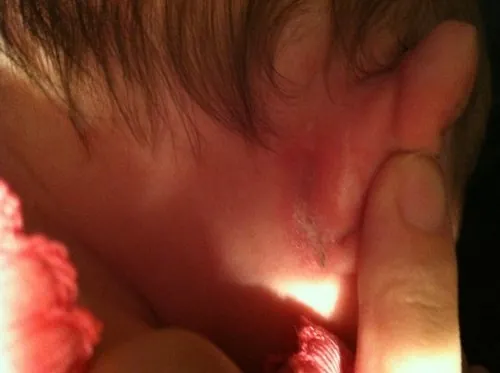
Warning: Don’t ignore signs of infection such as spreading redness, warmth to the touch, pus discharge, or intense pain, as these may require prescription antibiotics.
- Persistent odor despite daily cleaning.
- Visible signs of infection, such as yellow or green discharge.
- Severe itching that disrupts your sleep or daily activities.
- Swelling or lumps behind the ear that feel tender.
- The appearance of a rash that doesn’t respond to OTC treatments.
Maintaining Long-Term Hygiene
Consistency is the most important factor in preventing the return of an unpleasant scent. Once you have cleared the initial buildup, you must maintain a habit of cleaning the area. Make it a part of your morning or evening routine, just like brushing your teeth.
If you wear glasses or headphones, incorporate those items into your cleaning schedule to prevent them from becoming a source of re-contamination. By keeping the skin dry and clear of debris, you can eliminate the environment that bacteria and yeast require to thrive.
Related guides
- How to Clean Polyurethane Brush: The Best Solvent Methods in 2026
- How to Clean Acrylic Paint Brushes: A Simple Step-by-Step Guide in 2026
- Can You Cut MDF With a Table Saw: Tips for Clean Results in 2026
Frequently Asked Questions
Is the smell a sign of a serious illness?
Usually, no. It’s typically a localized issue caused by the buildup of sweat, oils, and bacteria. However, if the odor is accompanied by severe pain, fever, or significant swelling, it could indicate an infection that requires medical attention. Most cases are easily managed with better hygiene and minor lifestyle adjustments.
How often should I clean behind my ears?
You should clean the area behind your ears every time you shower, which is generally once a day. If you’re prone to heavy sweating or have oily skin, you may benefit from gently wiping the area with a clean, damp cloth in the morning and evening to keep the skin fresh and dry.
Can hair products cause the smell?
Yes, hair products like gels, waxes, and leave-in conditioners can migrate down to the area behind your ears. When these products accumulate, they trap dirt and dead skin cells, contributing to an unpleasant scent. Ensure you rinse your hair and the surrounding skin thoroughly when washing, and consider switching to non-comedogenic products if you notice frequent clogging.
Does earwax contribute to the odor?
Yes, earwax can sometimes migrate out of the ear canal and collect in the folds behind the ear. Once there, it mixes with sweat and skin oils, which can produce a distinct, waxy smell. Regular cleaning of the outer ear and the area behind it will prevent this buildup from becoming an issue.
Should I use perfume to mask the scent?
It isn’t recommended to use perfume or heavy colognes to mask the odor. Fragrances can irritate the delicate skin behind the ears and may interact with the existing bacteria to create a more unpleasant smell. Instead of masking the odor, focus on removing the underlying cause through proper cleaning and drying techniques.
Conclusion
If the persistent behind ears smell continues despite maintaining a rigorous cleaning schedule and ensuring your accessories are sanitized, monitor the area for any changes in skin texture or color. Should you observe signs of persistent inflammation or infection, schedule an appointment with your primary care physician or a dermatologist to rule out underlying skin conditions that may require specialized medical treatment.