

It’s a common concern to notice that your belly button smells, and while it can be unsettling, it’s usually a result of normal biological processes rather than a sign of a serious illness. The navel, especially in deep or “innie” configurations, creates a warm, moist environment that serves as an ideal breeding ground for bacteria and yeast. Because this area is often overlooked during a daily shower or bath, debris like sweat, skin cells, and clothing fibers can accumulate, leading to an unpleasant odor. Understanding how to manage this hygiene issue effectively can prevent discomfort and help you maintain better skin health.
Key Takeaways
- Regular, gentle cleaning with mild soap and water is the most effective way to eliminate odor.
- Keeping the navel dry after showering prevents the moisture buildup that promotes bacterial growth.
- Avoid using harsh chemicals, fragrant lotions, or oils inside the navel, as these can trap bacteria.
- Persistent discharge, pain, or redness may indicate an infection requiring medical attention.
- Piercings in the navel require specialized care to prevent the accumulation of sebum and sweat.
Why Does My Navel Smell?
The primary cause of an unpleasant odor is the accumulation of organic material in a dark, humid space. Your skin naturally sheds dead cells, and when these mix with sebum (natural skin oil), sweat, and lint from your clothing, they form a paste-like substance. Bacteria thrive in this environment, breaking down these materials and releasing volatile organic compounds that produce a foul scent.
Deep navels are significantly more prone to this issue because they’re harder to reach and clean thoroughly. If you have a deep or hooded belly button, you may need to make a conscious effort to ensure the area is dried completely after bathing. Factors like high humidity, excessive sweating during exercise, or tight-fitting synthetic clothing can exacerbate the problem by trapping moisture against the skin for extended periods.
How to Clean Your Navel
Proper hygiene is the cornerstone of managing belly button smells. You don’t need expensive medical products or harsh antiseptics to keep the area fresh. The goal is to remove the buildup of debris without irritating the delicate skin lining the navel.
| Cleaning Tool | Best For | Frequency |
|---|---|---|
| Soft Washcloth | Daily maintenance | Every shower |
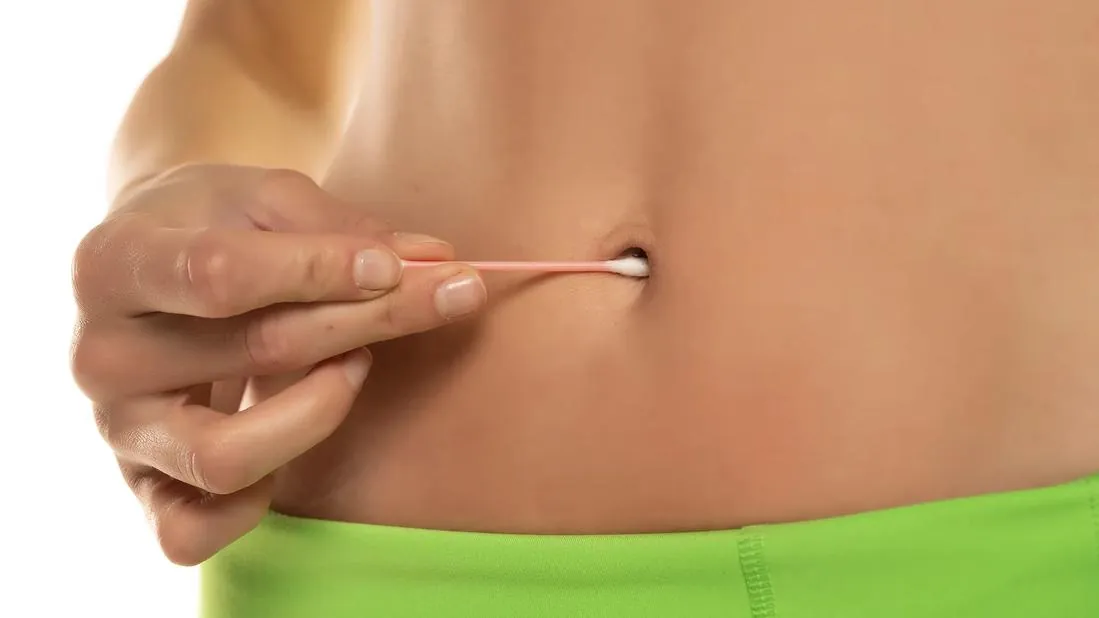
| Cotton Swab | Reaching deep crevices | Once weekly |
| Mild Soap | Breaking down oils | Every shower |
| Warm Water | Rinsing debris | Every shower |
Pro Tip: Use a mild, fragrance-free soap to avoid potential contact dermatitis, which can cause itching and further skin irritation.
Simple Step-by-Step Routine
- Preparation: Wet a soft washcloth with warm water and a small amount of gentle, unscented soap.
- Gentle Scrubbing: Carefully wipe the inside and the surrounding area of your navel.
- Rinsing: Use a clean, damp cloth or your fingers to rinse away all soap residue, as leftover soap can actually attract more dirt.
- Drying: This is the most critical step. Use a clean, dry towel to pat the area until it’s completely moisture-free.
Common Causes of Belly Button Smells
Several factors contribute to the buildup of bacteria and fungi in the navel. Identifying your specific trigger can help you adjust your lifestyle to prevent the scent from returning.
- Poor Hygiene: Simply skipping the navel during your daily scrub allows sebum and dead skin to accumulate.
- Excessive Moisture: Not drying the area thoroughly after swimming or showering encourages yeast growth.
- Skin Conditions: Eczema or psoriasis can affect the navel, leading to flaking skin that traps odors.
- Navel Piercings: Metal jewelry can trap sweat and bacteria, and the piercing itself may develop a “cheese-like” discharge of dead skin and oil known as sebum.
- Obesity: Skin folds around the abdomen can limit airflow, creating a persistent, warm, and damp environment.
When Should You See a Doctor?

While most odors are harmless, there are specific signs that indicate a medical issue, such as an infection, might be present. If the smell is accompanied by physical symptoms, it’s time to seek professional advice.
Warning: Don’t ignore persistent symptoms, as an untreated infection in the navel can potentially lead to an abscess or more systemic skin issues.
Consult a healthcare professional if you notice:
- Yellow, green, or brown discharge leaking from the navel.
- Significant redness, swelling, or heat radiating from the area.
- Sharp or throbbing pain inside or around the belly button.
- A foul odor that doesn’t improve after one week of diligent cleaning.
The National Health Service provides guidance on identifying when a skin-related concern requires a clinical evaluation, particularly if you notice spreading redness or signs of a bacterial infection.
Managing Navel Piercings
If you have a piercing, the standard cleaning routine isn’t enough. Piercings create a small tunnel in the skin that can easily harbor bacteria. You must rotate the jewelry gently while cleaning to ensure that the area inside the piercing channel is also reached.
- Saline Solution: Use a sterile saline spray specifically designed for piercings.
- Avoid Irritants: Never use alcohol or hydrogen peroxide on a piercing, as these can kill healthy skin cells and delay the healing process.
- Jewelry Choice: If your piercing consistently smells, consider switching to high-quality surgical steel or titanium, as some people have sensitivities to nickel found in cheaper metals.
Lifestyle Changes for Freshness
Beyond cleaning, small adjustments to your daily routine can prevent the environment from becoming too hospitable for odor-causing bacteria.
- Clothing Choices: Opt for breathable fabrics like cotton, especially during hot weather or while working out, to reduce sweat accumulation.
- Shower Habits: If you’re prone to heavy sweating, shower immediately after exercise to wash away the salt and bacteria before they settle in your navel.
- Weight Management: If skin folds are causing the issue, keeping the area dry with a dusting of cornstarch-based powder can help absorb excess moisture.
- Avoid Oils: While it’s tempting to moisturize dry skin, avoid putting heavy lotions or oils directly inside the navel, as these trap dirt and promote bacterial growth.
Comparing Hygiene Products

Choosing the right products can significantly impact your skin’s health. The following table compares common options for cleaning and maintaining the area.
| Product Type | Effectiveness | Skin Safety | Risk Factor |
|---|---|---|---|
| Mild Liquid Soap | High | High | Low |
| Sterile Saline | High | Very High | None |
| Rubbing Alcohol | Moderate | Low | High (Irritation) |
| Fragranced Lotion | Low | Low | High (Traps Odor) |
Related guides
- Can You Cut MDF With a Table Saw: Tips for Clean Results in 2026
- How to Use Mineral Spirits on Wood for Cleaning and Prep in 2026
- How to Clean Polyurethane Brush: The Best Solvent Methods in 2026
Frequently Asked Questions
Can I use rubbing alcohol to clean my belly button?
No, it isn’t recommended. Rubbing alcohol is too harsh for the delicate skin inside the navel and can cause severe dryness, cracking, and irritation. This damage can actually create small fissures where bacteria can hide, making the odor problem worse over time. Stick to warm water and mild, fragrance-free soap for regular maintenance.
Why does my belly button smell like cheese?
The “cheesy” smell is typically caused by a buildup of sebum (skin oil), dead skin cells, and sweat. When these substances collect in the deep, warm, and dark environment of the navel, they undergo natural decomposition, which produces a scent often compared to strong cheese. Regular, gentle cleaning should resolve this issue effectively.
Is a smelly belly button a sign of diabetes?
While a smelly belly button itself isn’t a diagnostic symptom of diabetes, people with diabetes are more prone to yeast infections due to higher glucose levels in their sweat and skin. If you notice a persistent, yeasty odor along with itching or redness, it’s worth discussing with your doctor to rule out fungal or bacterial complications.
Does my navel shape affect the smell?
Yes, the shape of your navel significantly impacts how easily it can be cleaned. “Innies” with deep folds or hoods are much more likely to accumulate moisture and debris compared to “outies,” which are exposed to the air. If you have a deep navel, you must be more intentional about drying the area thoroughly after every shower to prevent odor.
How often should I clean my belly button?
You should clean your belly button every time you take a shower or bath. Because it’s a small, often overlooked area, making it a standard part of your daily routine will prevent the accumulation of dead skin and bacteria. If you have a piercing, you may need to clean it more frequently according to the instructions provided by your piercer.
Conclusion
Maintaining a clean navel is a simple but essential part of your personal hygiene routine. By making a conscious effort to wash and dry the area daily, you can easily prevent the buildup of bacteria and the unpleasant odors that come with it. If you ever notice signs of infection, such as swelling or discharge, reach out to your primary care physician for guidance.