
A change in vaginal ph balance caused by the interaction of semen and natural vaginal flora is the most common reason for noticing vaginal odor after sex. This is usually a temporary reaction and not a cause for immediate medical concern. You can confirm this by checking if the scent fades on its own within 24 hours without the use of scented soaps or douches.
Understanding vaginal odor after sex
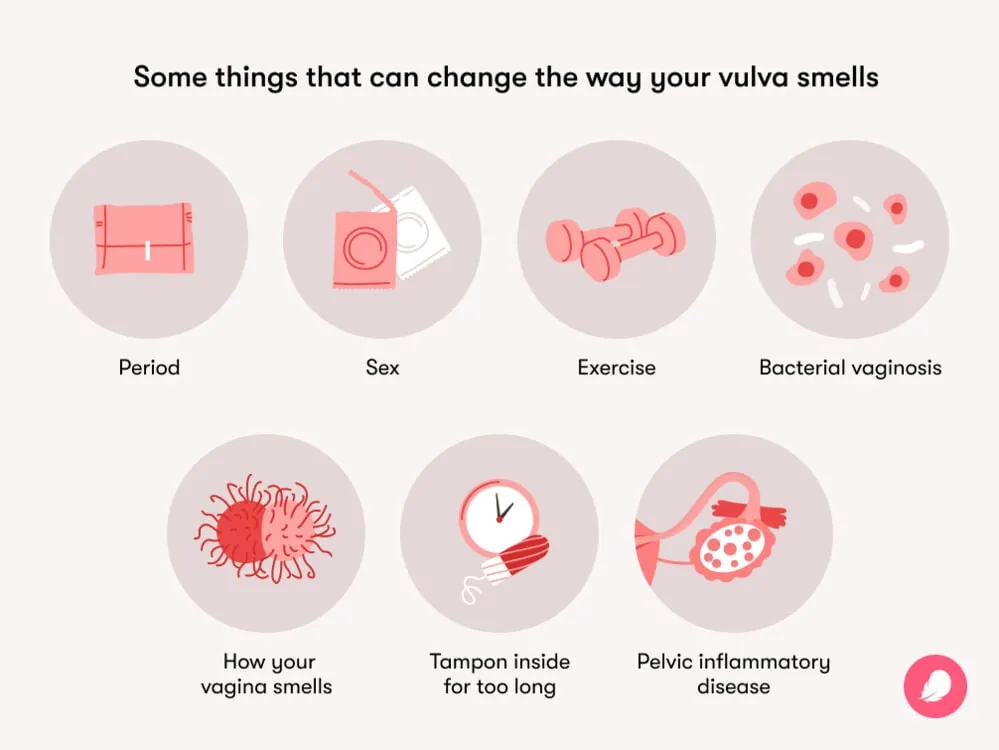
When you notice a new or different scent after intimacy, it’s often a sign of how your body is reacting to external factors. The table below lists common signs and what they typically indicate.
| What you notice | What it usually means | What to do first |
|---|---|---|
| Mild, temporary scent | Normal pH shift | Wash with water only |
| Fishy, strong smell | Bacterial vaginosis | See a doctor |
| Itching or burning | Yeast infection | Consult a professional |
| Green or yellow discharge | Possible infection | Schedule an exam |
| Scent lasting 2+ days | Persistent imbalance | Monitor symptoms closely |
| Sores or pain | Sexually transmitted infection | Visit a clinic |
Most people mistake a temporary shift for a chronic issue. If the scent disappears within 24 hours after a gentle rinse, your body has likely self-regulated. However, if the odor persists beyond two days, avoid using scented soaps or douches. These products strip away natural flora and often mask symptoms that require medical intervention.
You can distinguish between a harmless shift and an infection by checking for secondary symptoms. If the change in scent is accompanied by clumpy discharge or localized swelling, prioritize a clinical exam immediately. Delaying care in these cases often turns a simple, treatable imbalance into a more complex infection.
The role of semen and ph balance
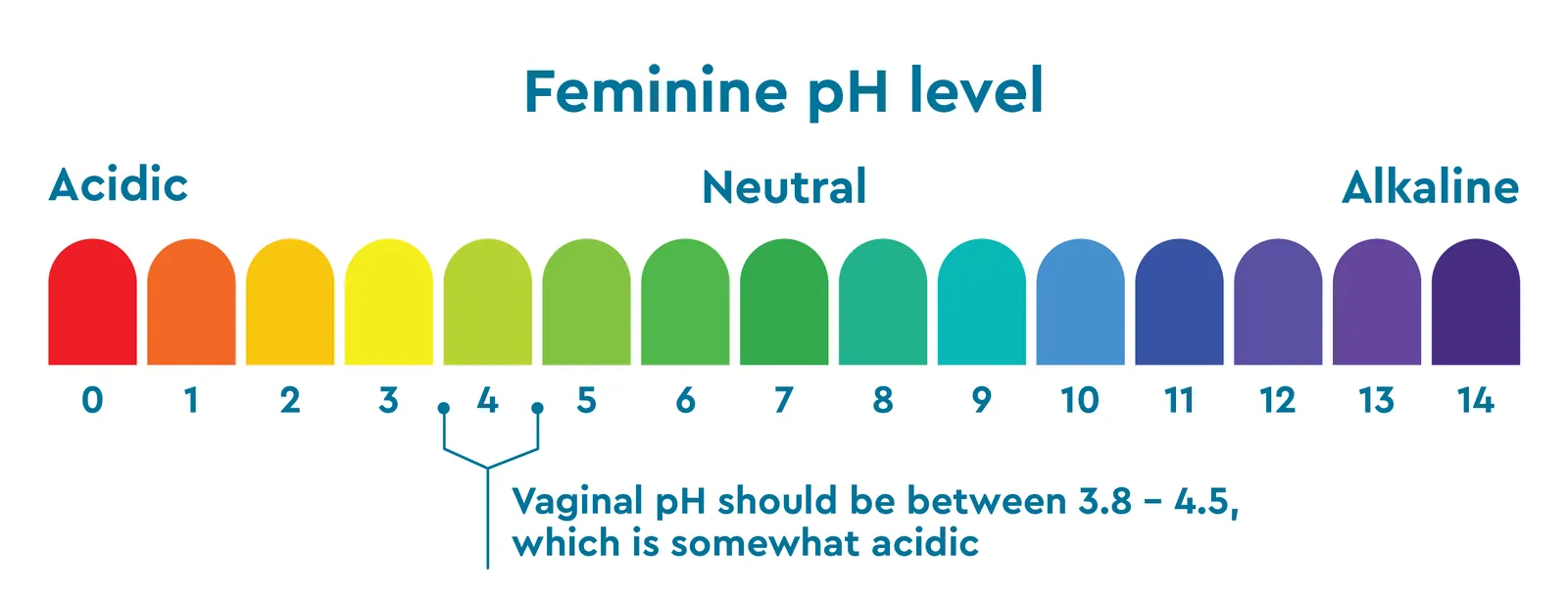
The most frequent cause for a temporary change in scent is the difference in alkalinity between semen and the vaginal environment. The human vagina typically maintains an acidic environment to protect against harmful bacteria. When semen, which is slightly alkaline, enters the vagina, it can temporarily raise the ph level and create a distinct, brief odor.
This reaction is rarely a sign of poor hygiene. In fact, washing the area with harsh soaps or scented products often makes the situation worse by further disrupting the delicate bacterial balance. The best way to manage this is to simply rinse the external area with warm water. If the scent is related to this ph shift, it should resolve within 24 hours.
If you have sex frequently, you might notice this scent more often. If the smell doesn’t go away or becomes accompanied by itching, pain, or unusual discharge, it’s time to look for other causes. If you’re uncertain about what is normal for your body, the Office on Women’s Health provides guidance on identifying symptoms that require medical attention versus those that are minor.
Bacterial vaginosis and other infections

A persistent, strong, or “fishy” odor is often a sign of bacterial vaginosis (BV). This occurs when the natural balance of bacteria in the vagina is disrupted, allowing harmful bacteria to multiply. Unlike a simple pH shift from semen, BV doesn’t resolve on its own and requires treatment.
You can tell this apart from a normal pH shift by the duration and intensity of the smell. If the odor remains strong for more than two days or is accompanied by thin, greyish-white discharge, it’s likely BV.
Don’t attempt to treat this with over-the-counter yeast infection creams. These products target fungi, not bacteria, and using them will only delay effective care while the infection spreads. If you notice the symptoms persist, consult a doctor for a prescription antibiotic.
Most people mistake BV for a yeast infection because both cause discomfort. If your discharge is thick and white like cottage cheese, it’s likely a yeast infection. If it’s thin, watery, and grey, seek medical testing for BV.
Yeast infections and external irritants
A yeast infection is another common reason for changes in the vaginal area, though it often presents differently than BV. While BV creates a strong, fishy smell, a yeast infection is more likely to cause intense itching, redness, and a thick, white, cottage-cheese-like discharge. If you feel burning during sex, this is a strong indicator that you’re dealing with a yeast overgrowth rather than a simple pH shift.
If you have recently used new condoms, lubricants, or spermicides, check if these products contain perfumes or chemicals that could be causing irritation. A common mistake is assuming every odor is an infection, which leads people to use scented sprays that cause further inflammation. If you suspect a yeast infection, avoid all perfumed products and consult a healthcare provider for an accurate diagnosis before starting any antifungal treatment.
If your discharge is thin, watery, or gray, don’t reach for over-the-counter yeast creams. These treatments will fail to resolve the underlying bacterial imbalance and may delay necessary medical intervention. If you experience recurrent symptoms, check the label of your laundry detergent for dyes or fragrances. Switching to a hypoallergenic, fragrance-free version often resolves chronic external irritation within five days.
When to see a doctor
It’s important to recognize when a symptom requires professional care rather than home management. You should stop attempting self-care and seek medical advice if you notice any of the following:
- The odor is accompanied by pelvic pain or fever, which may indicate a more serious pelvic inflammatory disease.
- You experience sores, bumps, or blisters in the genital area, as these are signs of a sexually transmitted infection.
- The discharge has changed color to yellow, green, or grey, suggesting a bacterial or parasitic infection.
- Over-the-counter treatments for yeast infections don’t resolve the symptoms after three days of use.
If you have a new sexual partner, it’s safer to get tested for common infections even if your symptoms seem mild. A doctor can perform a simple swab test to identify exactly which bacteria or fungus is present.
Related guides
Frequently asked questions
How long should the odor last?
The odor should last no longer than 24 hours if it’s caused by a simple shift in ph balance from semen. If the scent continues past this timeframe or becomes stronger, it’s likely an indicator of an underlying infection that requires medical intervention.
Is it safe to use scented sprays?
It isn’t safe to use scented sprays, as these products often contain chemicals that irritate the delicate vaginal tissue and disrupt your natural ph. Only wash the external area with warm water to maintain your natural balance and prevent unnecessary irritation or allergic reactions.
Can condoms cause vaginal odor?
Condoms can cause a temporary odor if the lubricant or material reacts with your body chemistry, or if the condom breaks and leaves residue behind. If you notice a persistent smell after using a specific brand, try switching to a non-scented, hypoallergenic lubricant or a different brand of condom.
What if the smell is very strong?
A very strong or fishy smell is usually a sign of bacterial vaginosis rather than a normal reaction to sex. You should avoid using douches to mask the smell, as this can push bacteria further into the reproductive tract, and instead visit a healthcare clinic for a proper diagnosis and treatment.
Does diet affect vaginal scent?
Diet can influence your body scent, including vaginal odor, but it rarely causes a sudden, strong change immediately after sex. If you notice a significant change, it’s more likely related to sexual activity or an infection rather than a change in your food intake.
Can I treat it with vinegar or yogurt?
You shouldn’t use vinegar, yogurt, or other home remedies to treat vaginal odor, as these methods can be harmful and cause severe irritation. If you have an infection, these substances won’t provide a cure and may delay you from getting the necessary medical care.
Conclusion
Taking care of your vaginal health means listening to your body when it tells you something is wrong. If the scent is mild and disappears quickly, it’s often just a normal reaction to intimacy. However, if the smell persists or causes you discomfort, seeing a doctor is the only way to ensure you get the right treatment.