
If you notice that your tap water smells bad, it’s often caused by bacteria in your sink drain or a reaction between chlorine and organic matter in your pipes. You can usually fix this by cleaning the drain or running your cold tap for a few minutes to flush out stagnant water. If the smell persists after flushing, the issue likely sits in your home plumbing or the local water supply.
Why Your Tap Water Smells Bad
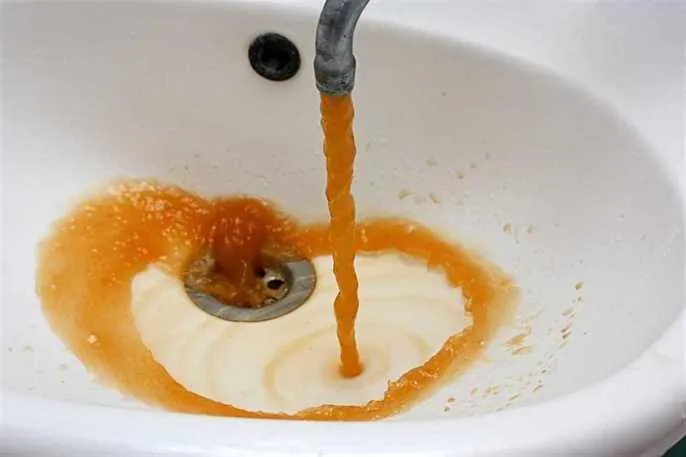
The smell of your water changes based on what it touches before reaching your glass. A common cause is the buildup of organic material like food scraps or hair inside the bathroom or kitchen drain. When water passes through this debris, it picks up the scent, making you think the water itself is tainted. This is why the smell often disappears after you run the faucet for a minute.
Another cause involves the chemical treatment of municipal water. Water providers add chlorine or chloramine to kill harmful germs. If your pipes have high levels of organic sediment, these chemicals react with the material to create distinct odors. This is common in older homes where internal metal pipes may have started to corrode or accumulate mineral buildup.
You might also detect a rotten egg smell, which typically indicates hydrogen sulfide gas. This gas forms in water heaters or pipes where bacteria thrive in the absence of oxygen. If you only smell it in hot water, the problem is likely inside your water heater tank. According to the United States Environmental Protection Agency, public water systems must meet specific safety standards, meaning an odor doesn’t always signal a health risk, but it should still be investigated.
Clean Your Faucet Aerator
The aerator is the small mesh screen at the end of your faucet. Over time, it traps sediment, bits of pipe, and bacteria that can give your water a foul smell. Cleaning this piece is a simple way to improve water quality. Simply unscrew the aerator by hand or use pliers with a cloth to protect the finish.
Once removed, take the screen apart and soak the pieces in white vinegar for 20 minutes to dissolve mineral deposits. Scrub any remaining gunk away with an old toothbrush. If the mesh is rusted or clogged with debris you can’t remove, buy a replacement at a hardware store.
Most standard faucets use a universal size, but you should bring the old one with you to match the thread count. If the smell remains after you reinstall a clean aerator, the buildup is likely deeper in the pipe or the building’s main line.
Flush Your Water Heater
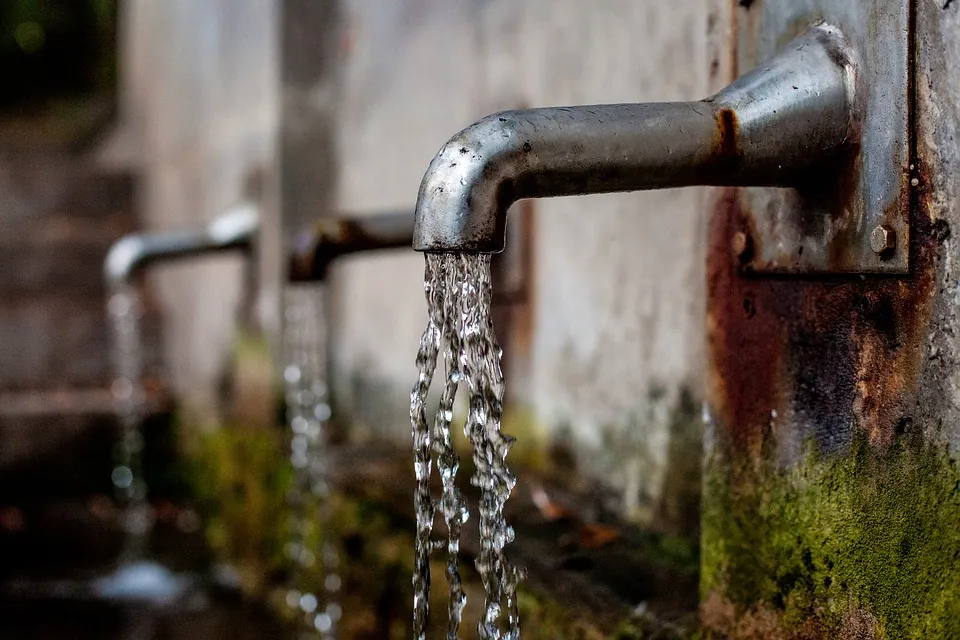
If your water smells only when you turn on the hot tap, the water heater is the likely source. Bacteria can grow inside the tank if the temperature is set too low or if the tank hasn’t been drained in a long time. This is a common issue for homes that sit vacant for weeks or use well water.
To flush the tank, turn off the power or gas supply to the heater. Connect a garden hose to the drain valve at the bottom of the tank and run the other end to a floor drain or outside. Open the valve to let the water flow until it runs clear.
If you have never done this, consult your manual or a professional plumber, as handling hot water and gas lines carries a risk of burns or leaks. If the smell returns quickly after a flush, you may need a plumber to replace the sacrificial anode rod inside the tank.
Install A Carbon Filter
If the smell comes from chlorine or general pipe odors, a point-of-use carbon filter is a highly effective solution. Carbon filters work by trapping chemical compounds and organic particles as water passes through the material. This is perfect for people who want to remove the taste and smell of city-treated water without replacing all their plumbing.
Choose a filter that attaches directly to your faucet or sits under the sink. You must replace the filter cartridge every 3 to 6 months, depending on your water usage and the manufacturer’s instructions.
If you ignore the replacement schedule, the filter will eventually stop working and can even harbor bacteria. This isn’t the right fix if your water has a strong sulfur or metallic smell, as those problems usually require a whole-house system or professional treatment. Always verify that your chosen filter is certified for the specific contaminants you’re trying to remove.
Common Myths About Water Smells
- Bleach will kill all smells in your pipes. Don’t pour bleach down your drain to fix water odors, as it can damage your pipes and create dangerous fumes if mixed with other cleaners.
- The smell means the water is poisoned. While a bad smell is unpleasant, it’s often just a reaction with harmless minerals or pipe sediment rather than a sign of toxic contamination.
- Boiling water fixes every odor. Boiling can remove chlorine, but it will concentrate other minerals or heavy metals, potentially making a metallic smell much worse.
- Changing the water heater makes the smell go away forever. If the bacteria source is in your main service line, the new tank will eventually develop the same odor.
Preventing Future Pipe Odors
The best way to keep your water fresh is to maintain a consistent flow and keep your fixtures clean. If you notice a change in your water’s smell, check the following table to see what you should change.
| If you’re doing this | Do this instead | Why |
|---|---|---|
| Ignoring a dripping faucet | Fix the leak immediately | Stagnant water breeds bacteria |
| Only using cold water | Run hot water regularly | Prevents stagnant water in the tank |
| Leaving home for a week | Run taps for 5 minutes | Flushes out water sitting in pipes |
| Using harsh drain cleaners | Use baking soda and vinegar | Protects pipes from chemical damage |
Related guides
Frequently asked questions
Can I drink tap water that smells bad?
You shouldn’t drink water that smells bad until you identify the cause. While some odors like chlorine are common in treated city water, others indicate bacterial growth or pipe corrosion. Contact your local water utility to see if they have reported issues in your area. If the smell comes only from your own pipes, use a filtered source until you complete the necessary repairs.
How long does it take to fix a smelly drain?
It takes about 30 minutes to clean a drain and faucet aerator. You’ll need a wrench, a bucket, and white vinegar to break down the biofilm and mineral buildup. If the smell is deep in your home’s main plumbing, it may take several hours of flushing or a professional pipe cleaning to fully remove the source of the odor.
Is it safe to use a water heater that smells like rotten eggs?
No, you should address the smell because it suggests bacterial activity inside the tank. This isn’t necessarily an immediate health emergency, but it indicates that the tank environment isn’t optimal. Have a licensed plumber inspect the anode rod and the tank temperature, as the water heater must stay above 140 degrees Fahrenheit to prevent bacterial growth.
Why does my water smell like bleach?
Your water smells like bleach because of the chlorine added by your local water treatment plant. This is done to ensure the water remains safe from bacteria while traveling through the city pipes to your home. If the smell is very strong, let the water sit in an open pitcher for an hour, as the chlorine will naturally evaporate into the air.
How often should I flush my water heater?
You should flush your water heater periodically to remove sediment buildup, with the frequency depending on your usage; always check the manufacturer’s manual for your specific model to see the recommended maintenance schedule for your tank size and type.
Conclusion
The quality of your water depends on both the municipal supply and the state of your home pipes. If you have ruled out the drain and the aerator, the issue likely requires a professional inspection of your home’s plumbing system. Always prioritize safety by contacting your local water utility if you suspect a problem with the city supply.