
You can fix it when your scalp smells bad by washing your hair with a gentle, pH-balanced shampoo and ensuring you scrub your skin thoroughly. Most odors occur because sebum, dead skin cells, and sweat collect on the scalp, creating a breeding ground for bacteria or yeast. If the smell persists after a deep cleaning, you should look for signs of skin conditions or fungal buildup that require different care.
Why your scalp smells

The primary cause for a foul-smelling scalp is the buildup of natural oils, known as sebum, which mixes with environmental pollutants and sweat. When this mixture sits on your skin for too long, it provides food for the natural bacteria and yeast living on your head. As these microorganisms feed, they release waste products that create an unpleasant odor.
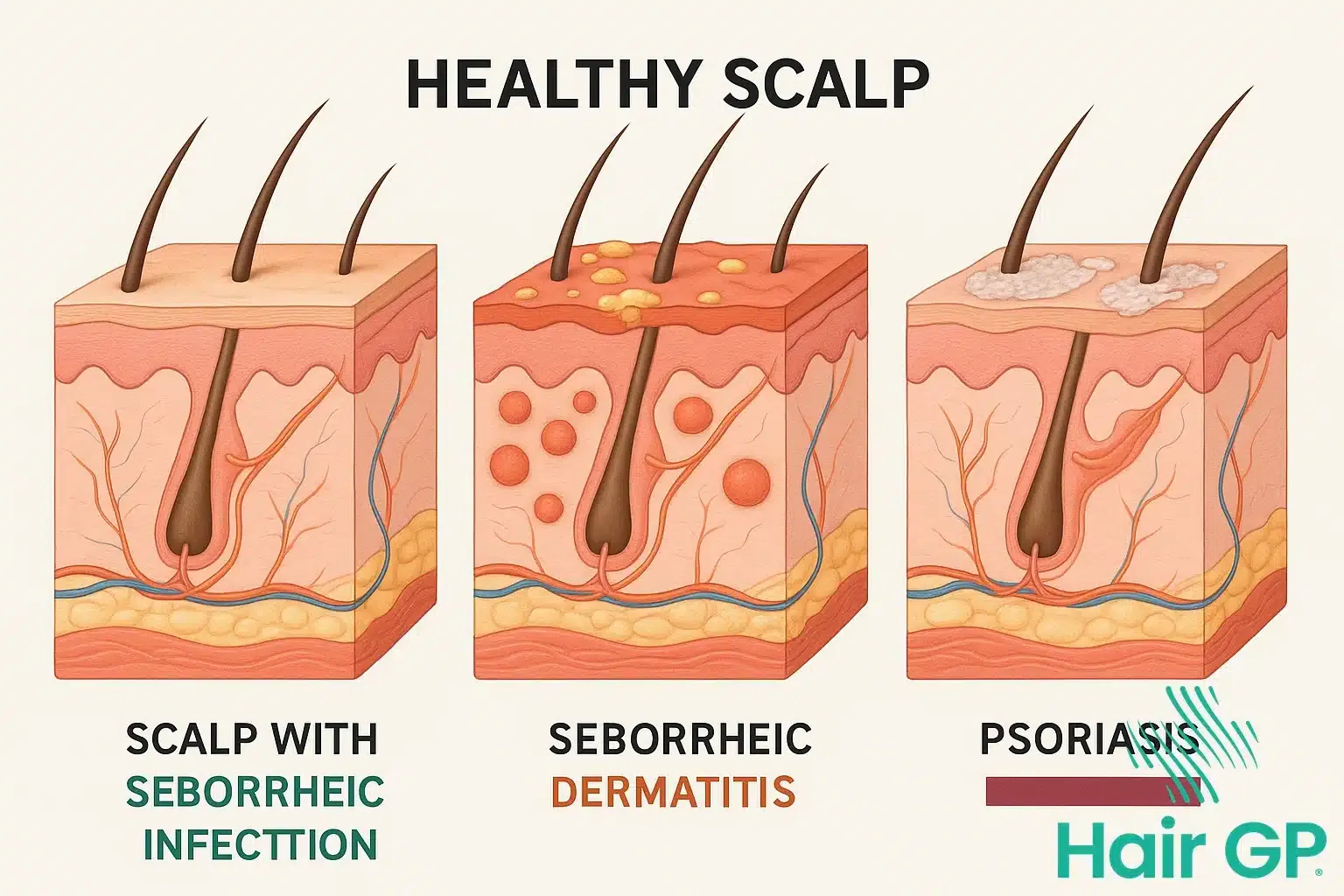
Another common factor is seborrheic dermatitis, a condition that causes scaly patches and stubborn dandruff. According to the American Academy of Dermatology, this condition often involves an overgrowth of yeast on the skin, which significantly contributes to scalp inflammation and odor. If you notice thick, yellow, or greasy scales, this is likely the reason behind the smell.
Finally, hygiene habits play a large role in how these odors accumulate. If you wear hats for long periods or use heavy styling products without washing them out, you trap moisture and debris against your scalp. This environment stops the skin from breathing and speeds up the growth of odor-causing bacteria.
Use a medicated antifungal shampoo
If your scalp smells bad due to yeast or persistent dandruff, you need a shampoo containing active ingredients like ketoconazole or selenium sulfide. These agents work by slowing the growth of the yeast that causes the odor. Apply the shampoo directly to the skin of your scalp, not just the hair, and let it sit for three to five minutes before rinsing.
This fix is for people who have tried regular soap without success and suspect a fungal issue. If you have sensitive skin, start by using this treatment only twice a week to avoid irritation. If you see no improvement after four weeks of regular use, you must see a dermatologist. A doctor can rule out deeper infections or secondary conditions like psoriasis that require prescription-strength treatments.
Improve your daily washing routine
Changing how you wash is often more important than what you use. Many people only lather the ends of their hair, but the scalp needs a manual massage to break up the layer of oil and dead skin. Use your fingertips to work the shampoo into every section of your scalp for at least 60 seconds.
Rinsing is the next vital step. Any leftover product acts as a magnet for dirt and dust, which eventually turns into an odor. Spend double the time you think you need rinsing your hair with warm water. If you have long or thick hair, lift sections of it to ensure the water reaches the skin directly. You’ll know you’re done when the water runs completely clear and your scalp feels clean and refreshed.
Manage your hair care products
If you use heavy gels, pomades, or dry shampoos, you’re likely sealing odors into your hair follicles. These products build up over time, creating a sticky layer that traps sweat and bacteria. If you must use them, try to switch to water-soluble formulas that wash out easily.
This approach is best for those who notice the smell appearing only on days they style their hair. If you use dry shampoo, be careful not to apply it to your skin; instead, spray it only on the hair shafts.
If you find yourself needing dry shampoo every day, it’s a sign that your scalp is producing too much oil or that your regular wash cycle is too infrequent. Always wash your hair thoroughly the day after using heavy products to clear the pores.
Common mistakes that worsen odors
Skipping the scalp massage leaves sebum and dead skin cells to ferment against your follicles. Spend at least sixty seconds massaging your shampoo into the skin with your fingertips. If your scalp still feels tacky after rinsing, you haven’t broken down the oil buildup.
Applying heavy conditioners to the roots creates a waxy barrier that invites fungal growth. Keep all moisturizers from the mid-lengths down to the ends. If your hair is fine, stop conditioning the top six inches entirely.
Leaving hair damp for hours turns your scalp into a petri dish. Bacteria thrive in the dark, warm, and humid conditions created by a tight bun or a beanie. Dry your roots with a blow dryer on a cool setting immediately after washing.
Over-washing with harsh detergents triggers a rebound effect. Your skin senses the dryness and overcompensates by dumping excess oil, which quickly turns rancid. Switch to a sulfate-free cleanser if you wash daily.
Better habits for a clean scalp
If you’re currently struggling with persistent odors, compare your routine to these standard practices. Small changes in how you treat your skin can prevent the buildup that causes the smell to return.
| If you’re doing this | Do this instead | Why |
|---|---|---|
| Washing every 3-4 days | Wash every 1-2 days | Reduces the time bacteria have to feed |
| Applying conditioner everywhere | Apply only to the ends | Prevents oil buildup at the roots |
| Wearing hats all day | Use breathable headwear | Allows sweat to evaporate |
| Using heavy hair oils | Use lightweight serums | Prevents clogging of hair follicles |
Most people make the mistake of scrubbing their scalp aggressively with fingernails when they notice an odor. This often causes micro-tears, which invite further bacterial growth and inflammation. Instead, use the pads of your fingers to massage the scalp in gentle, circular motions for at least sixty seconds.
If your hair feels greasy within hours of washing, you likely have a high sebum production rate. In this case, double-cleanse your scalp with a clarifying shampoo to fully dissolve the waxy residue. If your hair remains dry and brittle after this change, revert to a single wash but focus exclusively on the roots.
Always rinse for thirty seconds longer than you think is necessary. Residual product acts as a magnet for dust and environmental pollutants, turning a clean scalp into a breeding ground for bacteria by the end of the day.
Related guides
- Can You Cut MDF With a Table Saw: Tips for Clean Results in 2026
- Can You Use Oil Based Primer Over Latex Paint? The Fix in 2026
- How to Seal Burnt Wood: Step-by-Step Guide for a Clean Finish in 2026
Frequently asked questions
Can stress cause my scalp to smell?
Yes, stress can increase the amount of oil your skin produces, which feeds bacteria and creates odors. When you’re under pressure, your body releases hormones that stimulate your oil glands. This extra sebum collects on the scalp quickly, making it easier for smells to develop even if you haven’t changed your shampoo or daily routine.
How long does it take for the smell to go away?
Most people notice a significant change within 7 to 10 days of consistent, thorough washing. If the odor is caused by a fungal issue, it may take up to four weeks of using a medicated shampoo to see full results. If the smell remains after this time, you should check with a doctor for other skin conditions.
Is it safe to use vinegar on my scalp?
No, you should avoid using vinegar directly on your scalp because it can disrupt your skin’s natural pH and cause severe irritation. While some people believe it removes buildup, the high acidity can burn sensitive skin. It’s much safer to use a gentle, pH-balanced shampoo designed specifically for scalp health instead.
Why does my scalp smell even after washing?
If you still smell an odor immediately after washing, you may not be scrubbing your scalp well enough to remove the layer of dead skin. Alternatively, the smell could be trapped in your hairbrush or pillowcase. Always clean your hair tools and wash your bedding to ensure you aren’t re-introducing bacteria to your scalp.
Does diet affect how my scalp smells?
Yes, eating a diet high in processed foods or excessive sugar can affect the oils your body secretes through your skin. While there’s no single food that creates a scalp odor, an unhealthy diet can change the composition of your sebum. Eating a balanced diet helps regulate your body’s natural oil production.
What happens if I ignore the smell?
Persistent scalp odor can lead to inflammation, itching, and potential hair thinning. These issues often stem from fungal or bacterial infections that don’t resolve on their own. While proper cleaning is a vital first step, you should seek medical attention if the odor persists or worsens.
Conclusion
If you’ve tried these changes and the issue doesn’t clear up, don’t hesitate to book an appointment with a dermatologist. They’ll help you figure out if there’s an underlying infection or sensitivity you haven’t spotted yet. It’s worth getting a professional opinion so you can finally feel comfortable and confident again.