
You can fix a garage smells bad by removing the source of the odor, improving ventilation, and deep cleaning the concrete floor. The most common cause is a mix of trapped moisture, decaying debris, or chemical spills that have soaked into the porous surface of the floor. By identifying the specific smell—whether it’s rot, mold, or fuel—you can choose the right cleaning agent to neutralize it quickly.
Find why your garage smells
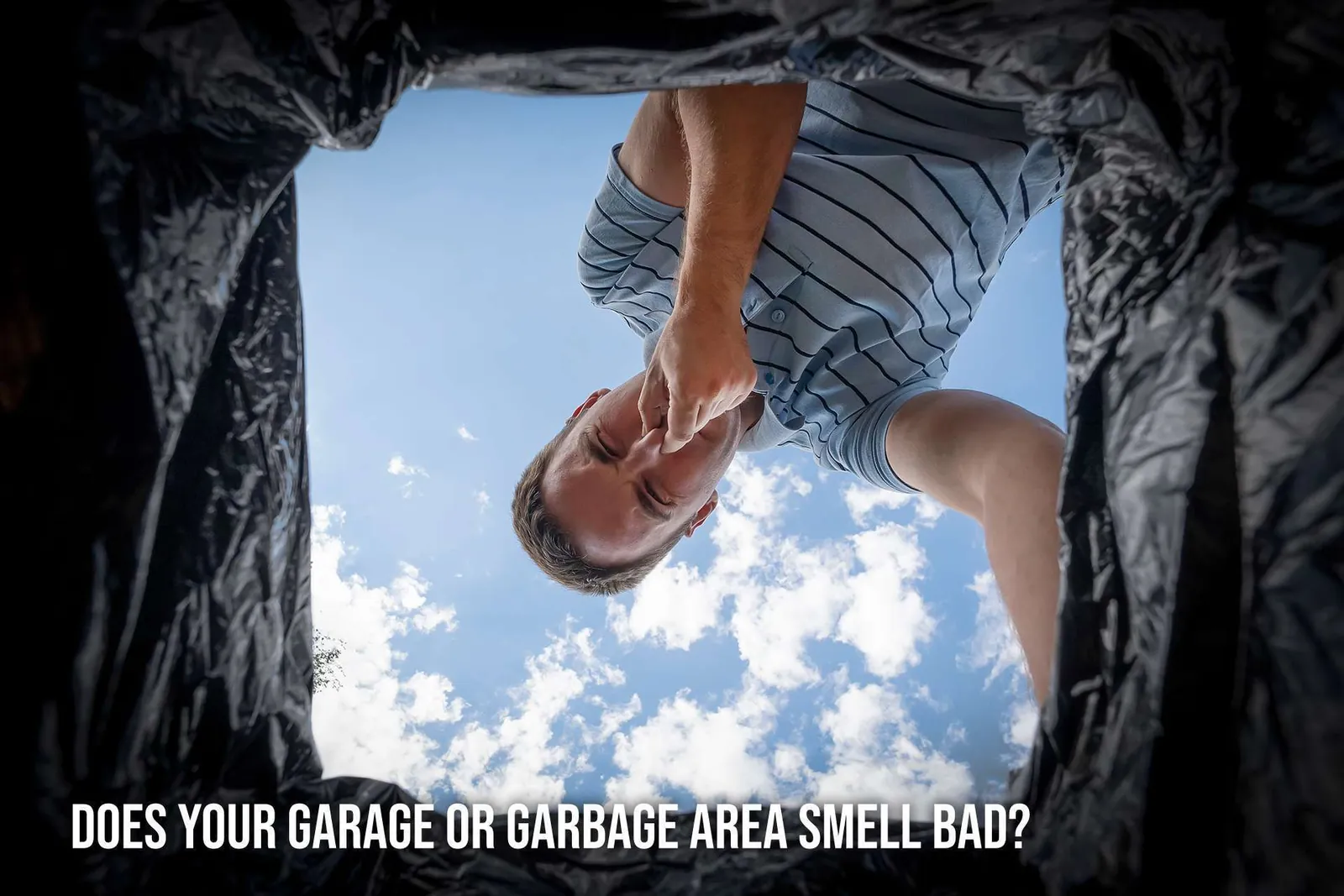
Most foul smells in a garage come from organic decay or chemical accumulation. If you notice a damp, earthy smell, it’s usually mold growing on cardboard boxes, old rags, or wood that has been sitting on a cold, concrete floor. Concrete is porous, meaning it acts like a sponge for spills, absorbing oil, gasoline, or pet urine deep into its structure. Once these liquids penetrate the surface, they release gases as they break down, which creates a persistent, unpleasant odor.
Another common culprit is poor airflow. Garages are often sealed tight to protect vehicles, but this traps humidity. Without a way for air to circulate, moisture levels rise, allowing mildew to thrive on walls and stored items. If you smell something acrid or sharp, check for leaking batteries or old paint cans that have lost their seal. Always inspect the perimeter for water intrusion, as standing water near the foundation often leads to mold growth inside the garage walls.
Clean the concrete floor thoroughly
Deep cleaning the floor is the most effective way to eliminate odors that have settled into the concrete. First, clear everything out of the garage to ensure you can reach every corner. Sweep away all loose dirt and debris, as these items often hold onto moisture and smells. If the floor has oil stains, use a concentrated degreaser or a paste made of dish soap and baking soda to scrub the affected areas.
For stubborn smells, use a stiff-bristled brush to work the cleaning solution deep into the concrete pores. Rinse the floor thoroughly with a garden hose, but ensure you have a way to squeegee the water out of the garage. If you leave water sitting, you’ll create the same damp environment you’re trying to fix.
If the smell persists after the floor is dry, you may need an enzymatic cleaner to break down organic proteins. The Environmental Protection Agency provides detailed guidance on how to manage mold and moisture issues if you find significant growth during your cleaning process.
Improve air circulation and humidity control

Increasing the airflow in your garage prevents moisture from building up and keeps new odors from forming. If your garage has windows, open them during the day to allow for cross-ventilation. If it doesn’t have windows, consider installing a wall-mounted exhaust fan or keeping the main garage door cracked open for a few hours each week. This simple change helps move stagnant air out and brings fresh, dry air inside.
For those who live in humid climates, an exhaust fan might not be enough to pull the moisture out of the air. In these cases, a dehumidifier is the best tool to keep the air dry and prevent mold spores from landing on your stored items.
Set the machine to a humidity level between 40% and 50%. Check the water collection tank once a week, as it will fill up quickly in a damp garage. If you notice the smell returning after a few days, it’s a sign that you need to check for hidden leaks or standing water nearby.
Seal the concrete for long-term protection
Sealing the concrete floor is the final step to keep your garage smelling fresh for years. Once the floor is perfectly clean and completely dry, apply a high-quality concrete sealer. This creates a barrier that prevents future spills, oil leaks, and moisture from soaking into the porous stone. If you don’t seal the floor, any new spill will just restart the cycle of odors you just cleaned away.
This task isn’t for everyone; if you have a massive garage or a floor that’s badly cracked, it’s often better to hire a professional contractor. A professional can use industrial-grade epoxy coatings that last much longer than simple sealers.
If you choose to do it yourself, ensure you have plenty of ventilation while the product cures, as the fumes can be strong. Always check the manufacturer’s instructions on the product label for the exact drying time, as this can range from 24 to 72 hours depending on the brand.
Stop common mistakes that make it worse
Bleach is generally ineffective for mold on porous surfaces like concrete because it can’t penetrate the material to reach the mold roots. It doesn’t reach the mold roots deep inside the slab. Instead, use a dedicated enzymatic cleaner that breaks down organic proteins at the molecular level.
Wet gear stored indoors creates a micro-climate where mold spores thrive within forty-eight hours. If you must store these items inside, keep them in mesh bags that allow for constant airflow.
Air fresheners only mask odors. If the scent returns within an hour, the source hasn’t been removed.
Cardboard boxes act like sponges when placed on concrete. Use plastic bins with airtight seals to prevent moisture wicking. If you must use cardboard, elevate the boxes at least four inches off the floor using plastic pallets or metal shelving.
Maintain a fresh environment
| If you’re doing this | Do this instead | Why |
|---|---|---|
| Storing trash cans inside | Move them outdoors | Food waste is the number one source of rot. |
| Using cardboard for storage | Use plastic bins | Plastic doesn’t absorb moisture or odors. |
| Ignoring small oil drips | Use a drip tray | It stops oil from soaking into the concrete. |
| Closing the door tightly | Use a vent fan | Airflow stops mold from growing in corners. |
Related guides
Frequently asked questions
How long does it take for a garage to stop smelling?
It usually takes 24 to 48 hours for smells to dissipate after you have removed the source and thoroughly cleaned the area. If the odor was caused by a chemical spill that soaked deep into the concrete, it may take longer for the remaining vapors to fully evaporate. Keeping the garage door open during this time will speed up the process significantly.
Can I use vinegar to clean my garage floor?
Yes, you can use a mixture of white vinegar and water to clean the floor, as it’s a natural deodorizer. Mix one part vinegar with three parts warm water for a general scrub. This is safe for most concrete surfaces, but it may not be strong enough for deep, oily stains that have been there for months.
Is it safe to leave my garage door open to air it out?
Yes, it’s safe to leave the door open while you’re home to supervise the area. If you need to leave the house, you should keep the door closed for security reasons. If you need constant ventilation, consider installing a secure, screened vent or an exhaust fan that can run while the main door is locked.
Why does my garage smell like rotten eggs?
A rotten egg smell often indicates a gas leak or a plumbing issue, such as a dried-up floor drain trap. If the P-trap in your floor drain has evaporated, sewer gases can enter the garage. Pour a gallon of water into the drain to refill the trap and block the gases from coming back up.
How often should I sweep the garage?
You should sweep the garage at least once every two weeks to prevent dust and organic debris from accumulating. If you live in a dusty area or park your car inside daily, you may need to sweep once a week. Removing debris prevents it from getting wet and starting to decay on your garage floor.
What should I do if the smell is coming from the walls?
If the smell is coming from the walls, check for signs of water stains, peeling paint, or visible mold growth. This often happens if the exterior siding is damaged or if there’s a roof leak. If you find significant mold inside the wall structure, you should contact a professional mold remediation company to handle the repair safely.
Conclusion
Once the air feels fresh again, keep it that way by checking for leaks or damp spots every few months. A tidy, dry space won’t trap those unpleasant odors in the future. You’ll find that a little bit of regular maintenance goes a long way toward keeping your garage smelling clean all year.