
You can clear up a fridge smells bad by removing all spoiled items and wiping down the interior surfaces with a solution of baking soda and warm water. The most common cause is decaying food or spills that have gone unnoticed in the back of the appliance. Once you clear the source, the odor typically fades within a few hours of proper cleaning and ventilation.
Why your fridge smells bad

The primary reason for unpleasant smells is the growth of bacteria and mold on organic matter. When food spills or goes bad, these microbes break down the proteins and fats, releasing volatile organic compounds into the cold air. Because refrigerators are sealed environments, these gases have nowhere to escape and eventually saturate the plastic liners and rubber door seals.
Another frequent culprit is the drip pan located underneath the unit. This pan catches condensation from the cooling coils, and if it collects stagnant water, it becomes a breeding ground for mildew. If you have cleaned the inside thoroughly but still notice a scent, the issue is likely hiding out of sight near the compressor. You should also check the vents; if they’re blocked by containers, air can’t circulate, which traps odors in specific zones.
Wipe down the interior surfaces
To begin, empty the refrigerator completely and toss any expired items. Mix 2 tablespoons of baking soda into 1 quart of warm water. Use a soft cloth to scrub the shelves, walls, and drawers, ensuring you get into the corners where crumbs often hide. If you have glass shelves, remove them to clean underneath the plastic frames, as liquid can seep into these gaps.
After scrubbing, dry every surface with a clean towel. Moisture left behind can encourage new mold growth, which restarts the smell cycle. If the odor remains, place an open box of baking soda on a middle shelf to absorb remaining particles.
This isn’t for people who prefer heavy chemical cleaners; bleach can damage plastic liners and leave a harsh residue that may taint your food. If you use a commercial cleaner, ensure it is labeled safe for food contact surfaces by the manufacturer to avoid chemical contamination.
Clean the drip pan and coils
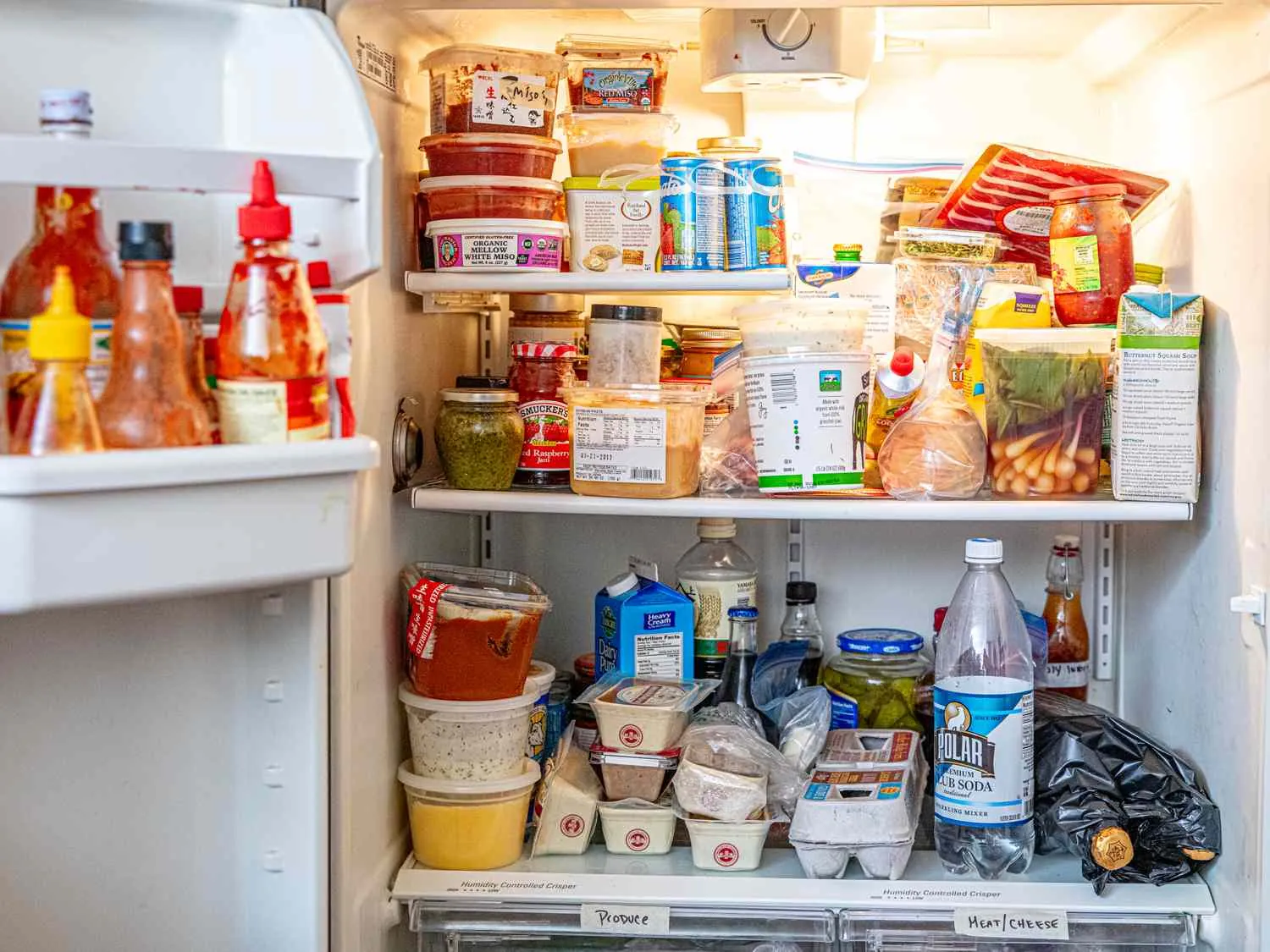
If the smell persists after a deep interior clean, the drip pan requires attention. Locate the pan by consulting your manual; it’s usually behind a kick plate at the bottom front or accessed from the rear. Carefully pull the pan out, dump the stagnant water, and wash it with soap and water before sliding it back into place.
If you find the coils are covered in thick dust, you should vacuum them using a soft brush attachment. Dust acts as an insulator, making the compressor work harder and keeping the air around the coils warmer than it should be. This warmth can speed up the decay of any debris caught in the drip tray.
If you’re uncomfortable moving the appliance or working near electrical components, hire a professional technician to perform this maintenance. A capacitor can hold a lethal charge even when the unit is unplugged, so don’t attempt to open the motor housing yourself.
Deodorize with activated charcoal
For stubborn cases that resist basic cleaning, activated charcoal is more effective than baking soda. It has a high surface area that traps odor molecules more aggressively. You can buy bags of bamboo charcoal designed for home use and place one in the back of the fridge. This method works well for long-term freshness but won’t fix a spill you missed.
This approach isn’t for people who expect an instant result. Charcoal takes time to pull odors from the air and the plastic walls. If you have a major spill, such as raw meat juices or spoiled milk, you must sanitize the area first. Charcoal will only be ineffective if the source is still present. If the odor is coming from the freezer, check the ice maker bin, as old ice can absorb surrounding food smells over several months.
Stop using harsh chemicals
Many people try to mask odors with strong-smelling cleaners like pine oil or ammonia. These substances are counterproductive because they leave behind a chemical scent that clings to your food. Ammonia, in particular, can react with certain plastics, causing them to become brittle or discolored over time. Avoid using abrasive scrubbing pads as well, as they create tiny scratches in the plastic where bacteria can hide in the future.
- Don’t use bleach or ammonia, as these can leave toxic residues on your food storage shelves.
- Avoid using air freshener sprays, which only mask the problem and don’t neutralize the bacteria.
- Stop placing hot leftovers directly into the fridge, as the steam increases humidity and encourages bacterial growth.
- Don’t leave open containers of food for more than 4 days, as they start to lose quality and release odors.
Keep your fridge smelling fresh
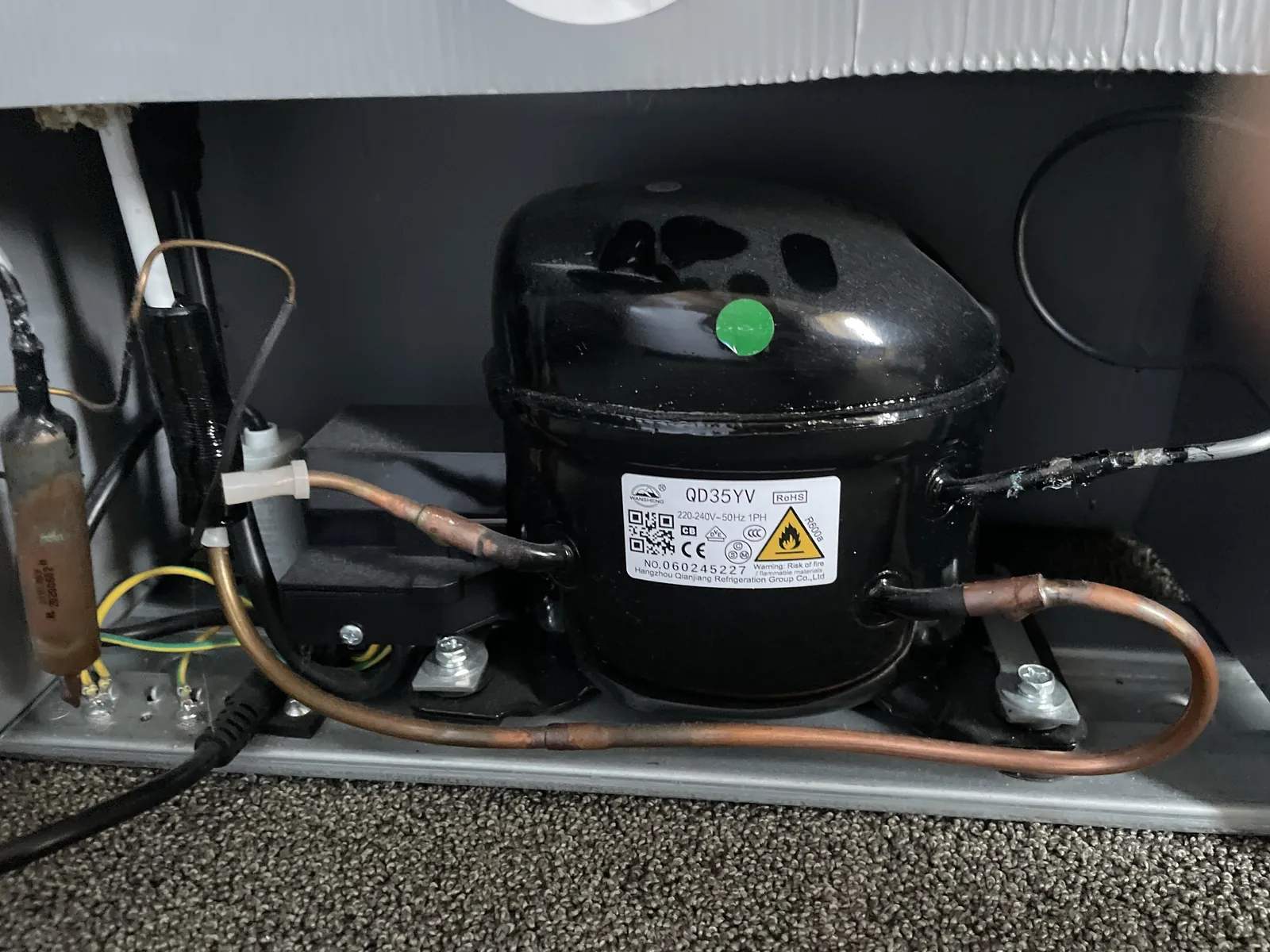
The most effective way to prevent future issues is to inspect the contents of your fridge on a weekly basis. A consistent cleaning routine stops small spills from becoming major odor sources.
| If you’re doing this | Do this instead | Why |
|---|---|---|
| Storing food in open bowls | Use airtight glass containers | Prevents spills and odor transfer |
| Cleaning only when it smells | Wipe shelves once a week | Stops bacteria before they multiply |
| Using old baking soda | Replace the box every 3 months | Charcoal/soda loses efficacy over time |
| Stacking food to the back | Leave a 2-inch gap | Allows cold air to circulate freely |
Most people make the mistake of ignoring the drip pan located beneath the unit. If you detect a persistent, sour scent despite a clean interior, pull the fridge away from the wall to scrub this hidden tray. Bacteria thrive in the stagnant water that collects there.
If your fridge uses a charcoal filter, check the manufacturer’s manual for the specific replacement interval. While baking soda works for general maintenance, a dedicated filter is required for high-capacity units.
Related guides
- How to Seal Burnt Wood: Step-by-Step Guide for a Clean Finish in 2026
- Can You Cut MDF With a Table Saw: Tips for Clean Results in 2026
Frequently asked questions
How long does it take for a fridge smell to go away?
The smell typically fades within 24 hours of removing the source and cleaning the surfaces. If the odor has seeped into the plastic seals, it may take a few days of using an activated charcoal filter to fully neutralize the air. If you still notice a strong scent after three days of deep cleaning, check the drip pan again for hidden debris.
Is it safe to eat food that smells like the fridge?
No, you should discard any food that has absorbed a strong chemical or rot-related odor. While the cold temperature keeps the food safe from rapid spoilage, odors indicate that bacteria are present or that your food containers aren’t sealed properly. If the food has changed texture or color, it’s a sign of spoilage and must be thrown away immediately.
Why does my fridge smell like burning plastic?
A burning plastic smell often indicates an electrical issue with the fan motor or a short circuit in the wiring. This isn’t a cleaning issue and requires a professional technician to inspect the internal components safely. Unplug the unit immediately if you see smoke or hear a loud buzzing noise, as these are signs of a potential fire hazard.
How often should I clean the drip pan?
You should check the drip pan for water or debris every 6 months to prevent mold growth. If you notice a musty smell coming from the bottom of the unit, clean it sooner. Always consult your owner’s manual to find the exact location of the pan, as some modern units have sealed systems that don’t require regular user maintenance.
Can I use vinegar to clean my fridge?
Yes, a diluted mixture of equal parts white vinegar and water is an excellent, food-safe cleaner for interior surfaces. It cuts through grease and kills surface mold effectively. Wipe the fridge down with a damp cloth afterward to remove the vinegar scent, then leave the door open for 10 minutes to ensure the interior is completely dry before restocking your food.
Conclusion
To keep your kitchen smelling fresh, try placing an open box of baking soda on the middle shelf. It’ll absorb any lingering scents before they become a problem again. You shouldn’t have to worry about odors if you replace that box every few months to keep your appliance feeling brand new.