
Finding that your bathroom smells bad is an incredibly frustrating experience that often ruins the comfort of your home. Whether the odor is sharp, musty, or reminiscent of sewage, identifying the source is the first step toward reclaiming your space. Most bathroom odors stem from trapped bacteria, plumbing issues, or poor ventilation, all of which are manageable with a systematic approach. By investigating common culprits like hidden mold, drain buildup, and toilet seals, you can resolve the issue effectively.
Key Takeaways
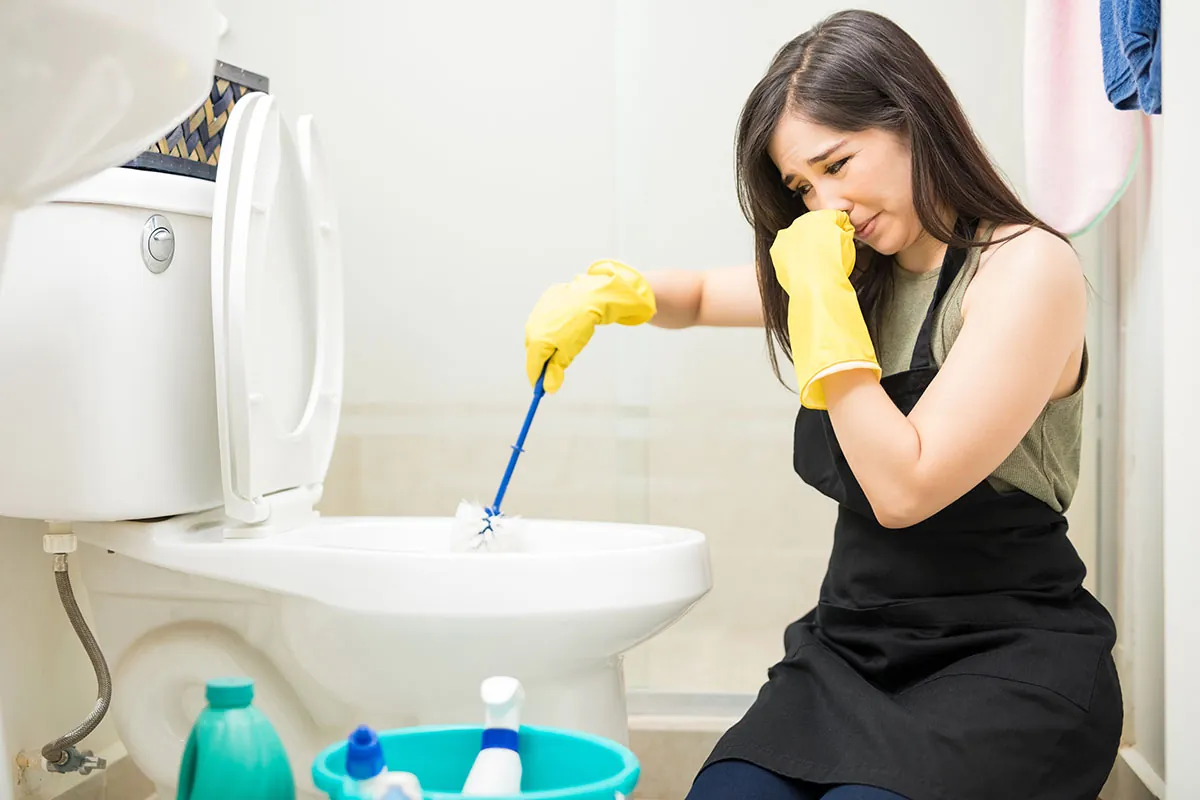
- Check the wax ring under your toilet if you smell sewage, as this is a common failure point.
- Clean the overflow holes in your sink, as they’re frequent breeding grounds for odor-causing bacteria.
- Improve ventilation by running your exhaust fan for at least twenty minutes after every shower.
- Inspect your P-traps to ensure they haven’t dried out, which allows sewer gases to enter the home.
- Use white vinegar or baking soda for natural, non-toxic maintenance of your bathroom drains.
Why Does My Bathroom Smell Bad?
The most common reason for a persistent, unpleasant odor in a bathroom is the accumulation of organic waste and moisture. Bacteria thrive in damp, dark environments, feeding on soap scum, hair, and skin cells that collect in drains. Additionally, if your bathroom lacks proper airflow, moisture becomes trapped in porous surfaces like grout or towels, leading to a persistent mildew scent. Sometimes, the issue is mechanical, such as a compromised seal that lets sewer gases bypass the plumbing’s protective barriers.
Troubleshooting Your Drains
Drains are the most likely culprits for foul odors because they’re exposed to waste daily. If you notice a smell coming directly from your sink or shower, it’s likely organic debris decaying inside the pipe. You should start by removing hair and soap buildup from the drain stopper and the upper portion of the pipe.
Common Drain Issues and Solutions
| Problem Source | Likely Cause | Cleaning Solution |
|---|---|---|
| Sink Drain | Soap scum and hair | Baking soda and vinegar flush |
| Shower Drain | Organic buildup | Enzyme-based drain cleaner |
| Overflow Hole | Mold and bacteria | Long-handled soft brush |
| P-trap | Dry water seal | Run water to refill trap |
Warning: Never mix bleach with ammonia or acidic drain cleaners, as this creates hazardous toxic gases that are dangerous to inhale in confined spaces.
Is It A Sewer Gas Leak?
If your bathroom smells like rotten eggs or sewage, you may be dealing with a sewer gas leak. This occurs when the water seal in your P-trap—the U-shaped pipe under the sink or behind the toilet—evaporates, leaving a direct path for gases to travel from the sewer into your home. Another possibility is a failing wax ring at the base of the toilet. If the toilet wobbles even slightly, the wax seal is likely broken.
Addressing Hidden Mold Growth
Mold is a silent offender that grows in areas where moisture lingers. Check behind your toilet, under the sink, and in the corners of your shower curtain or grout lines. If you see dark spots or feel a damp, earthy scent, you must clean the area thoroughly.
Use a commercial mold remover or a mixture of water and vinegar to kill the spores. Ensure the area is dried completely after cleaning, as any lingering moisture will allow the mold to return within days.
Improving Your Bathroom Ventilation
Poor air circulation is a primary contributor to persistent bathroom odors. If your bathroom doesn’t have a window, your exhaust fan is your only line of defense. Many fans become clogged with dust over time, significantly reducing their effectiveness. Use a vacuum attachment to clear the fan cover and blades. If the fan is still weak, consider upgrading to a more powerful model with a higher CFM rating to ensure moisture is effectively moved out of the room.
Maintaining Your Toilet Hygiene
The toilet is often the source of smells even when it appears clean. Residual buildup under the rim or behind the seat can harbor bacteria that release odors over time. Use a toilet brush to scrub under the rim, and consider using specialized tablets or gels to keep the bowl sanitized. If the smell persists despite a deep clean, inspect the floor around the base of the toilet for any signs of moisture or staining, which could indicate a leak.
Cleaning Schedule For Fresh Bathrooms
Consistent maintenance is the secret to a fresh-smelling bathroom. By breaking down tasks into daily, weekly, and monthly chores, you prevent odors from taking root in the first place.
| Frequency | Task |
|---|---|
| Daily | Wipe down counters and run exhaust fan |
| Weekly | Scrub toilet bowl and clean drain stoppers |
| Monthly | Flush drains with hot vinegar solution |
| Quarterly | Deep clean grout and check toilet seals |
Addressing Towels And Fabrics
Towels that stay damp for too long are a major source of “musty” bathroom odors. If your bathroom smells bad, check your towels for a sour smell. This is usually caused by mildew growth within the fibers.
Wash your towels in hot water with a cup of white vinegar to break down the buildup, then dry them completely. Avoid leaving wet towels on the floor or bunched up on hooks; instead, spread them out on a rack so they can air dry quickly.
Are Your Pipes Properly Vented?
Every plumbing fixture requires a vent pipe that allows air to enter the system, preventing the vacuum effect that pulls water out of P-traps. If these roof vents become blocked by bird nests or debris, it can cause “gurgling” sounds in your drains and allow sewer smells to escape into your bathroom. If you suspect a vent blockage, it’s often best to contact a professional plumber, as accessing roof vents can be dangerous without the proper safety equipment.
Dealing With Hard Water Buildup

Hard water can lead to mineral deposits that trap bacteria and soap scum in your pipes and fixtures. These deposits are rough, providing a larger surface area for grime to adhere to. If you live in an area with hard water, consider installing a water softener or using a scale-removing cleaner on your faucets and showerheads. Removing these mineral deposits can often eliminate the “stale” smell that seems impossible to scrub away.
Related guides
Frequently Asked Questions
Why does my drain smell like eggs?
A rotten egg smell usually indicates the presence of hydrogen sulfide gas. This often happens when bacteria feed on organic matter trapped in the drain, or when the P-trap has dried out, allowing sewer gas to enter. Flushing the drain with a mixture of baking soda and vinegar can break down the organic matter, while running water ensures the P-trap remains full.
How do I get rid of persistent mildew?
To eliminate mildew, you must remove the spores and the moisture source. Clean the affected surfaces with a solution of water and white vinegar or a dedicated mold-killing cleaner. Once clean, ensure the area is dried immediately. Improving your bathroom’s ventilation by running the exhaust fan longer or using a dehumidifier will prevent the mildew from returning to the damp surfaces.
Can a toilet leak cause a smell?
Yes, a leaking toilet is a common source of sewage odors. If the wax ring under the toilet is compromised, sewer gases can bypass the seal and enter your bathroom. You may also notice moisture or staining on the floor around the base of the toilet. If you suspect a failed wax ring, it’s necessary to remove the toilet and replace the seal.
What if the smell is coming from the walls?
If the odor seems to originate from behind the walls, it could indicate a hidden plumbing leak causing mold growth or a vent pipe issue. If you have ruled out surface issues like dirty drains or mildew, you may need a professional plumber to inspect your pipes using a camera. Persistent, localized odors behind walls shouldn’t be ignored, as they can lead to structural damage.
How often should I deep clean?
A deep clean of your bathroom should occur at least once a month to prevent buildup. This includes scrubbing grout, disinfecting the toilet base, cleaning the exhaust fan cover, and flushing all drains with an enzyme cleaner or vinegar. By maintaining this schedule, you significantly reduce the likelihood of bacteria and mold colonies forming, keeping your bathroom smelling fresh and hygienic year-round.
Conclusion
If the odors persist after you have cleaned the drains, replaced the toilet wax ring, and checked your ventilation, contact a licensed plumber to perform a professional inspection of your home’s main sewer line. A simple camera inspection can reveal hidden cracks or blockages that are impossible to fix with household cleaners alone. Start by clearing your P-traps and running your fan daily to see if the scent fades.