

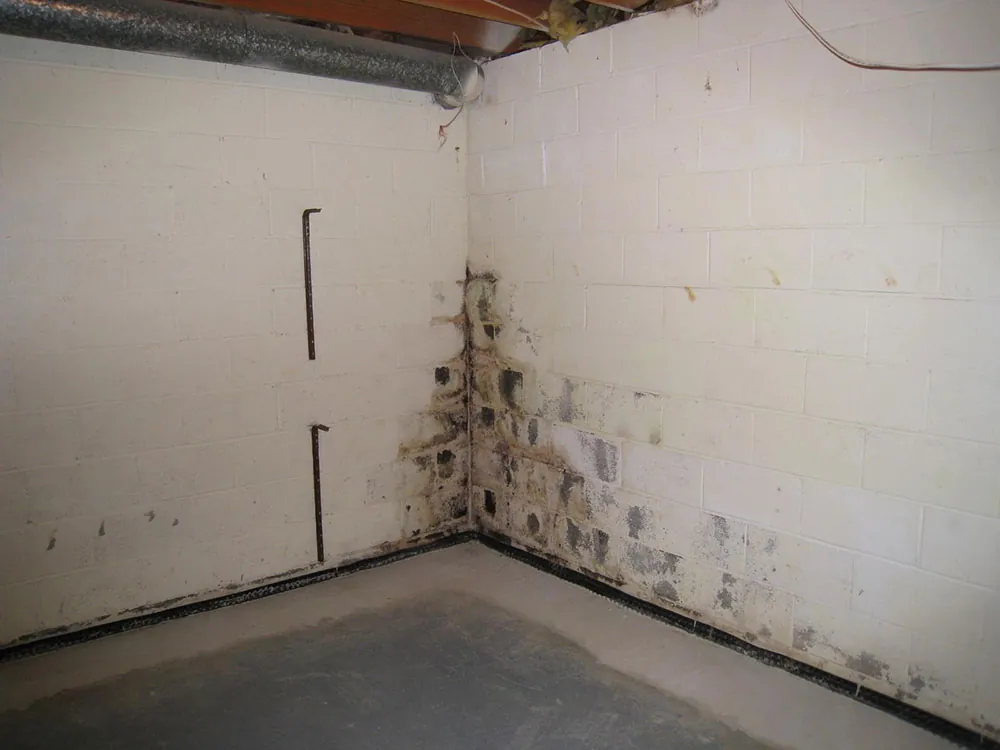
When a homeowner enters the lower level of their residence and notices that the basement smells musty, it’s usually a sign of excess moisture trapped in porous materials. This odor is often the result of mold, mildew, or bacteria thriving in damp conditions, which can compromise indoor air quality and damage personal property. Addressing the problem involves identifying the source of water intrusion, reducing relative humidity levels, and improving overall air circulation throughout the space.
Key Takeaways
- Maintain indoor relative humidity between 30% and 50% to prevent mold growth.
- Inspect foundation walls for cracks that allow groundwater to seep inside.
- Ensure downspouts extend at least 6 feet away from the home’s perimeter.
- Use a high-capacity dehumidifier to remove moisture from the air continuously.
- Clear out organic debris like cardboard boxes or old rugs that absorb odors.
Common Causes of Musty Basement Smells
The primary culprit behind a damp, earthy scent is almost always moisture. When water enters a basement, it creates a breeding ground for biological growth. Common sources include leaky pipes, condensation on cold metal surfaces, or hydrostatic pressure forcing water through foundation cracks. Because basements are typically cooler than the rest of the house, they’re prone to condensation, which provides the necessary hydration for mold spores to colonize wood, drywall, and fabric.
Identifying Hidden Moisture Sources
To find the source, perform a visual inspection during or immediately after a heavy rainstorm. Look for water beads on concrete floors or damp patches on walls. You should also check for plumbing leaks under sinks or near water heaters. If you find standing water, it must be removed immediately using a wet-dry vacuum, such as those manufactured by Shop-Vac or Ridgid. Persistent dampness often requires professional waterproofing services to seal the exterior foundation.
| Source of Dampness | Primary Diagnostic Sign | Typical Remediation |
|---|---|---|
| Foundation Cracks | Vertical lines or efflorescence | Hydraulic cement injection |
| Plumbing Leaks | Water spots or dripping sounds | Pipe repair or replacement |
| High Humidity | Condensation on windows/pipes | High-capacity dehumidifier |
| Poor Drainage | Pooling water near walls | Extend gutter downspouts |
Why Dehumidification Is Essential
Reducing the moisture content in the air is the most effective way to stop the cycle of mold reproduction. According to the United States Environmental Protection Agency moisture control guidelines, keeping humidity levels below 60 percent is critical to preventing mold.
A dedicated dehumidifier is far more effective than an air purifier for this purpose. Look for units with a continuous drain hose option, such as those from brands like Frigidaire, GE, or Midea, which allow you to pipe water directly into a floor drain.
Choosing the Right Equipment
When selecting a dehumidifier, look for one sized appropriately for your square footage. A small unit designed for a bedroom will struggle to manage an entire basement. You may also consider installing an exhaust fan or a bathroom-style ventilation system if the basement has a laundry area or a shower, as these locations generate significantly higher levels of humidity than typical storage spaces.
Eliminating Mold and Mildew
If you can see mold growth, you must remove it safely. For small areas of non-porous surfaces like concrete or metal, a mixture of soap and water is often sufficient. For porous materials like drywall or insulation that have been soaked, removal and replacement are usually the only permanent solutions. Avoid using bleach on porous surfaces, as it only kills surface growth while leaving the roots embedded deep within the material.
- Wear protective gear: N95 respirator, gloves, and goggles.
- Seal off the affected area with plastic sheeting to prevent spore spread.
- Use HEPA-filtered vacuums to clean up debris.
- Dispose of moldy materials in sealed plastic bags.
Improving Basement Ventilation Systems
Stagnant air allows odors to concentrate. If your basement has windows, opening them on dry, breezy days can help, but avoid doing so on humid days, as this will bring more moisture inside. A better approach is to install a mechanical ventilation system that cycles stale air out and brings fresh air in. Circulating fans, such as those made by Vornado or Lasko, can also prevent “dead zones” where air gets trapped behind furniture or in corners.
Warning: Never run a ventilation fan if you suspect there’s a gas leak or if the smell is chemical rather than earthy, as this could indicate a hazardous situation that requires professional intervention.
Managing Organic Storage Materials
Basements are frequently used for long-term storage, but they’re often the worst place to keep organic materials. Cardboard boxes are particularly problematic because they’re made of cellulose, which is a primary food source for mold. As cardboard gets damp, it absorbs moisture and begins to rot, releasing a distinct, pungent odor.
Better Storage Solutions
Swap out cardboard for airtight plastic bins with locking lids. These containers prevent moisture from reaching your belongings and stop mold spores from settling on your items. Additionally, keep all items off the floor by using metal shelving units. This creates a gap between your belongings and the concrete, allowing air to circulate underneath and reducing the risk of water damage should a minor spill or leak occur.
When to Call a Professional
If you have addressed the humidity and removed all organic materials, but the basement still smells musty, the problem might be located behind the walls or under the flooring. Professional mold remediation companies have access to specialized moisture meters and thermal imaging cameras that can detect hidden pockets of water. They can also perform structural repairs to address drainage issues that are beyond the scope of a standard DIY project.
| Professional Service | Estimated Cost Range | Frequency Needed |
|---|---|---|
| Mold Inspection | $300 – $700 | One-time |
| Foundation Waterproofing | $2,500 – $10,000 | As needed |
| Professional Remediation | $1,500 – $6,000 | Per occurrence |
Does Your HVAC System Help?
Your home’s central heating and cooling system plays a major role in basement air quality. If the basement is finished and has supply and return vents, ensure they aren’t blocked by furniture or debris. A dirty air filter can restrict airflow, causing the system to work harder and fail to remove moisture efficiently. Consider upgrading to a high-efficiency filter to trap more airborne particles before they settle on basement surfaces.
Pro Tip: If your basement has a floor drain, ensure the trap remains filled with water. A dry floor drain can allow sewer gases to enter the home, which creates a foul odor often mistaken for mustiness.
Frequently Asked Questions
Can a musty basement make me sick?
Yes, exposure to mold spores can cause health issues for some people, especially those with allergies, asthma, or compromised immune systems. Symptoms often include sneezing, coughing, watery eyes, and skin irritation. If you or your family members experience these symptoms only when spending time in the basement, it’s a strong indicator that the air quality needs immediate improvement to protect your health.
Will painting the walls stop the smell?
Applying waterproof masonry paint can temporarily seal concrete walls, but it won’t solve the underlying moisture problem. If water pressure is pushing through the wall, it will eventually cause the paint to bubble and peel. You must address the source of the water intrusion from the exterior or via a drainage system before applying any sealant, otherwise the moisture will remain trapped inside the wall structure.
How do I get rid of the smell quickly?
To neutralize odors quickly, place several bowls of activated charcoal or white vinegar around the space. These substances are effective at absorbing odors from the air. However, this is only a temporary fix. You must resolve the moisture issue, discard any moldy items, and run a high-capacity dehumidifier to ensure the musty smell doesn’t return once the odor absorbers are removed.
Is my basement dampness a sign of a structural failure?
Not necessarily. While some moisture issues are caused by foundation cracks or structural failures, many others are simply the result of poor grading or lack of proper drainage around the exterior. If you notice large cracks, bowing walls, or significant water pooling, you should consult a structural engineer. Otherwise, start with simple steps like extending downspouts and running a dehumidifier to see if the situation improves.
How often should I run my dehumidifier?
You should run your dehumidifier continuously during the humid months of the year, or whenever the indoor relative humidity rises above 50 percent. Many modern models feature a humidistat that allows the unit to turn on and off automatically based on the ambient humidity levels. This ensures your basement stays dry without requiring constant manual adjustment, effectively keeping the musty odor at bay permanently.
Conclusion
Addressing the environment of your basement requires a consistent, proactive strategy rather than a single quick fix. By controlling external water runoff, monitoring indoor humidity, and replacing porous storage containers, you can effectively eliminate persistent odors. Start by purchasing a basic hygrometer to track your humidity levels, which will help you confirm that your efforts are successfully keeping the space dry and healthy for your home.