
Usually, a sewer gas smell dangerous to your health depends on the concentration of hydrogen sulfide and the duration of your exposure. While the odor is foul, the primary risk is that high levels of these gases can displace oxygen or lead to toxic effects in enclosed spaces. If you notice a persistent smell, you must identify the source immediately to prevent potential respiratory irritation or more serious health complications.
Why the sewer smell is dangerous

Determining if your home environment is safe requires looking at the specific location and the intensity of the smell. Some issues are minor plumbing fixes, while others suggest a major breach in your venting system.
| Situation | Safe? | Why |
|---|---|---|
| Occasional faint smell | With care | Often a dry floor drain trap |
| Strong smell in bathroom | No | Likely a broken wax ring seal |
| Smell near sewer vent | With care | Normal if outside near the pipe |
| Odor in a basement | No | Could indicate a cracked sewer line |
| Smell after heavy rain | With care | May be temporary pressure in pipes |
| Constant strong odor | No | High risk of toxic gas accumulation |
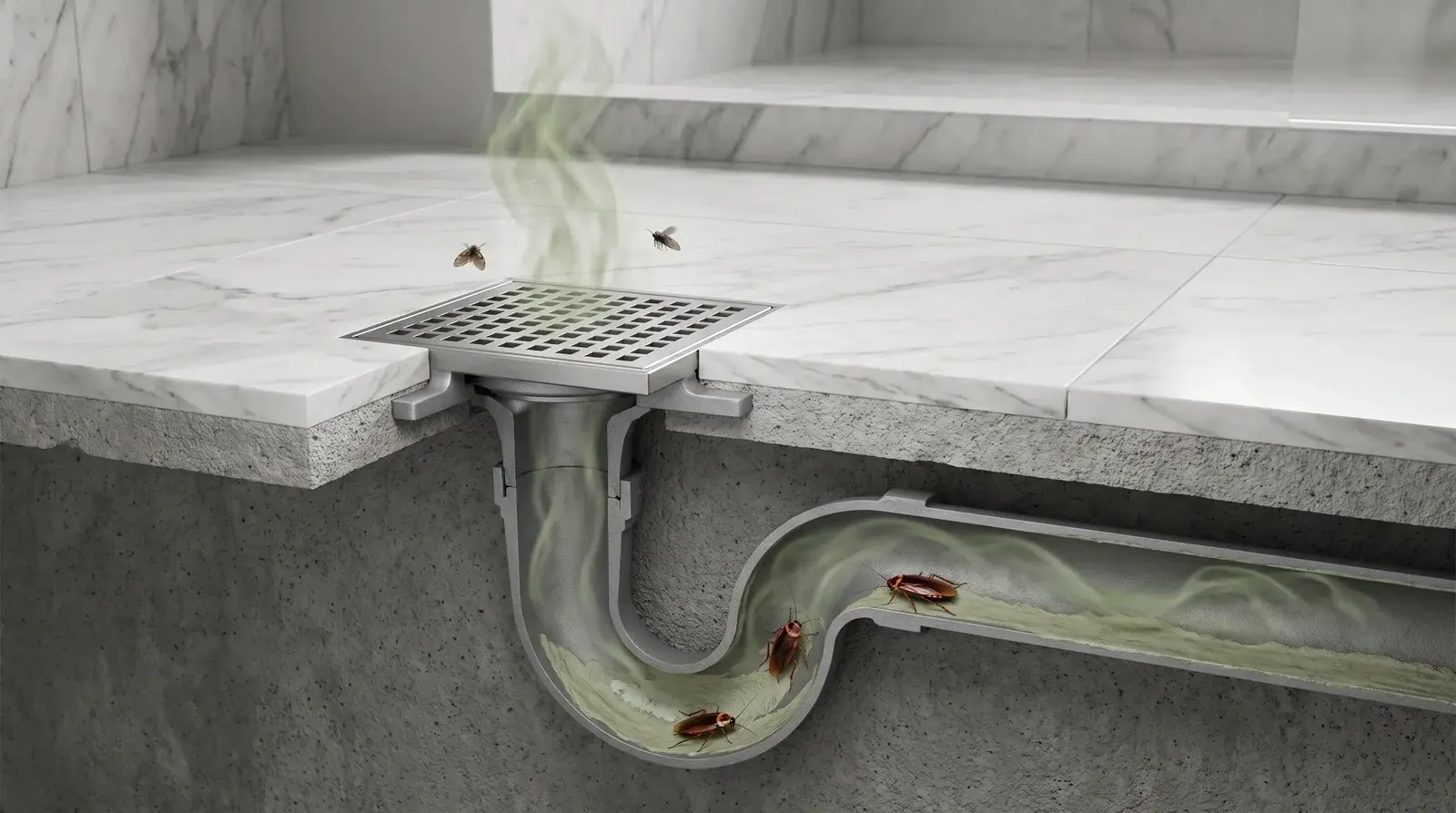
If you detect a sulfurous odor, pour a gallon of water into any floor drains or unused sinks. If the smell dissipates after you pour water into the drain and ventilate the room, a dry P-trap was likely the culprit.
However, if the scent persists, you face a structural breach. Most homeowners mistakenly ignore these odors until they cause headaches or nausea.
If you smell gas, open all windows immediately to dilute the concentration. If the odor remains strong after ventilation, evacuate the house and call a professional. Never rely on candles or incense to mask the smell, as these only hide the warning signs of a dangerous leak.
Health risks of sewer gas
The primary concern regarding these fumes is hydrogen sulfide, a colorless gas that smells like rotten eggs. At low levels, it acts as an irritant to the eyes, nose, and throat, often causing headaches or nausea. If you’re exposed to higher concentrations for a long period, it can cause more severe symptoms like dizziness, fatigue, and difficulty breathing. The Occupational Safety and Health Administration provides specific guidelines on the health hazards and exposure limits for hydrogen sulfide in various environments.
If you smell gas, you should never assume it’s harmless because your nose can become desensitized to the odor over time. This is called olfactory fatigue. You might stop smelling the gas even if it’s still present at dangerous levels. If you feel lightheaded or notice that others in the home are feeling ill, you must leave the area immediately and seek fresh air. If the symptoms persist after moving outside, you should contact medical professionals for an evaluation.
Signs to stop immediately
You need to stop your own repair attempts and call a licensed plumber or emergency services if you see these signs:
You feel dizzy, nauseated, or have a headache when you enter the room. These symptoms often indicate a buildup of sewer gases like methane or hydrogen sulfide, which can displace oxygen in confined spaces.
The smell is so strong it makes your eyes water or stings your throat. If you notice this, leave the property immediately and keep your distance until the air clears.
You see visible cracks or large gaps in your main sewer pipes. Structural failure in these lines allows waste to seep into your soil. If you find standing water or sewage pooling near the foundation, don’t attempt to dig or clear the area yourself.
Your carbon monoxide detector or a multi-gas monitor shows an alarm.
A professional plumber has the tools to perform a smoke test to find leaks you can’t see.
How to fix minor odors
If the smell is minor and caused by a dry drain, you can often clear it yourself. Follow these steps to restore the water seal:
- Locate any floor drains in your basement or laundry area that aren’t used often.
- Pour 1 quart of clean water into the drain to fill the trap.
- Check the sink and shower traps in your bathroom for the same issue.
- Run the water for 30 seconds to ensure the P-trap is full.
If the odor persists, add a tablespoon of vegetable oil to the drain after the water. This creates a thin film that slows evaporation in rarely used floor drains.
Check for a loose toilet by gently rocking it to see if it moves. If the toilet moves, the wax ring seal is broken and needs replacement. Ignoring this movement allows sewer gas to escape into your home, which is a health hazard.
If the odor remains after adding water, the issue is likely a blocked vent pipe or a cracked pipe. Stop all DIY efforts and hire a professional. If you hear a gurgling sound when the water drains, the vent is definitely blocked, and you should call a plumber immediately.
Steps for after a leak
When you smell sewer gas inside, you should first open all windows to ventilate the area. If the smell is strong, evacuate the house and don’t turn any electrical switches on or off, as a spark could potentially ignite methane if concentrations are high.
Once you’re safe, call a local plumbing professional to inspect your home’s entire venting system. They will check for blockages in the roof vents or cracks in the pipework behind your walls. Don’t attempt to seal pipes with tape or glue, as these aren’t permanent solutions and will fail over time.
Related guides
Frequently Asked Questions
Why does my drain smell like rotten eggs?
The smell usually happens because the water trap in your P-trap has evaporated, allowing gas to escape from the sewer line. Fill the drain with water to restore the seal, which typically lasts until the water evaporates again. If the smell returns quickly, check for a hidden leak.
Can sewer gas kill you?
Yes, high concentrations of hydrogen sulfide can be fatal by displacing oxygen or causing respiratory failure. This is rare in residential homes but possible in confined spaces like crawl spaces or basements with poor ventilation. If you feel ill, leave the area immediately and contact professional help.
How long does it take for sewer gas to make you sick?
Symptoms can start within minutes of exposure to high levels of gas. Low-level exposure might take hours to cause headaches or nausea, depending on your sensitivity and the concentration of the gas. If you feel sick, don’t wait for the smell to go away on its own.
Is it safe to stay in a house with a sewer smell?
No, you shouldn’t stay in an area with a strong or persistent sewer smell. While a faint smell from a dry drain is often manageable, a constant odor indicates a structural failure that requires professional repair. If you experience physical symptoms, evacuate the house immediately.
What happens if I ignore the smell?
Ignoring the smell can lead to worsening health issues and more expensive property damage over time. A small leak in a sewer pipe can allow gas to build up in your walls, leading to mold or structural decay that’s much harder to fix later. Always address the root cause promptly.
How do I know if the smell is dangerous?
The smell is dangerous if it’s strong enough to cause physical symptoms like dizziness or eye irritation. If you have any doubt, use a gas detector or call a professional to perform a professional air quality check. Don’t rely solely on your nose to judge the safety of your home.
Does it matter if the smell comes and goes?
Yes, a smell that comes and goes often indicates a problem with your vent system or your home’s air pressure. It might mean that a vent is blocked by debris or that your plumbing isn’t venting properly during certain weather conditions. A plumber should inspect the roof vents to ensure they’re clear.
Conclusion
Don’t ignore that rotten egg scent, as it’s your home’s way of signaling a problem that won’t fix itself. If you can’t locate the leak, it’s time to call a licensed plumber. They’ll have the right tools to find the hidden cracks and ensure your family stays safe and comfortable.