
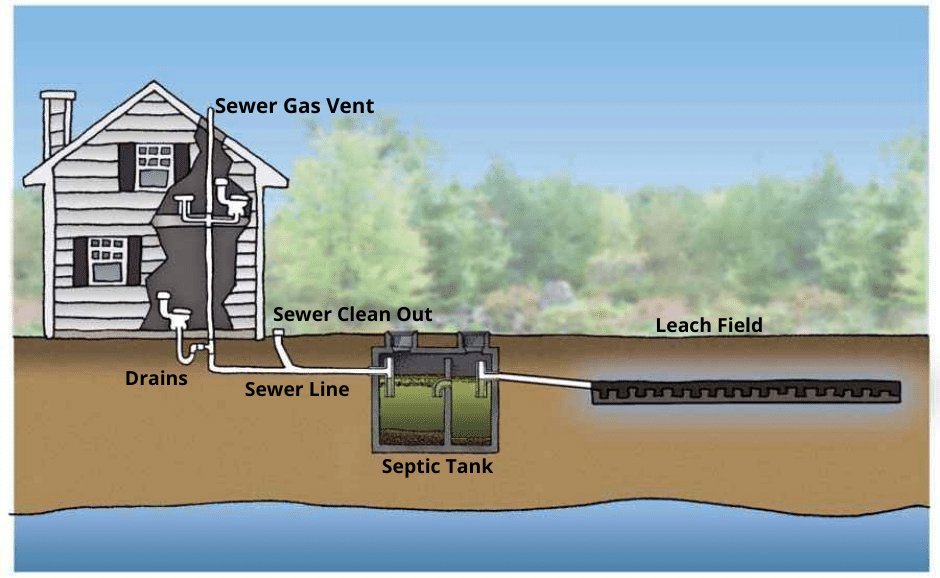
You can fix a sewer smell in house issues by checking your P-traps for water, as these are the most common source of escaping gases. When these U-shaped pipes dry out, they lose the water seal that blocks air from the sewer line. Simply running water into all sinks, floor drains, and showers for one minute usually restores the barrier and stops the odor immediately.
Reasons for indoor drain odors
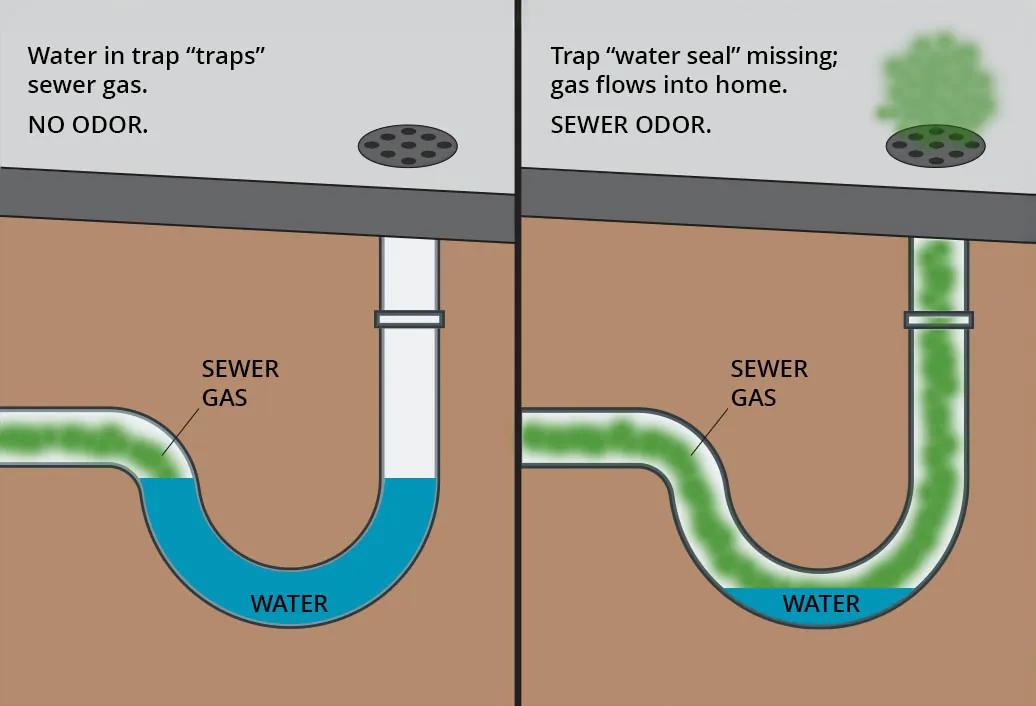
The primary cause of these smells is a broken or dried-out water seal within your home’s plumbing system. Every drain has a P-trap, a curved section of pipe designed to hold a small amount of water at all times.
This standing water acts as a physical plug, preventing dangerous sewer gases from entering your living space through the drain opening. If you have a guest bathroom or a basement drain that sits unused for several weeks, the water in that trap will evaporate, leaving the pipe wide open to the sewer.
Another common cause is a blocked plumbing vent on your roof. These pipes allow air to enter the system so water flows smoothly, but they also vent gases outside. If the vent becomes clogged with leaves or debris, the air pressure in your pipes can force water out of the traps, breaking the seal.
Refill your dry P-traps
This fix is for anyone who has drains in rooms that are rarely used, such as a guest suite or a storage area with a floor drain. To perform this, turn on every faucet and shower in the house for at least 60 seconds to ensure the P-traps are full.
If you have a floor drain, pour one gallon of water directly into it to make sure the trap is primed. You’ll know this worked if the smell fades within an hour of the water settling.
If the smell persists after 24 hours, you may have a cracked pipe or a loose seal elsewhere. If you don’t have the right tools to inspect hidden piping behind walls or under concrete slabs, don’t attempt to open them yourself. At this point, contact a licensed plumber who has the equipment to perform a smoke test or a camera inspection to find the exact location of the leak.
Clear your roof vent stacks
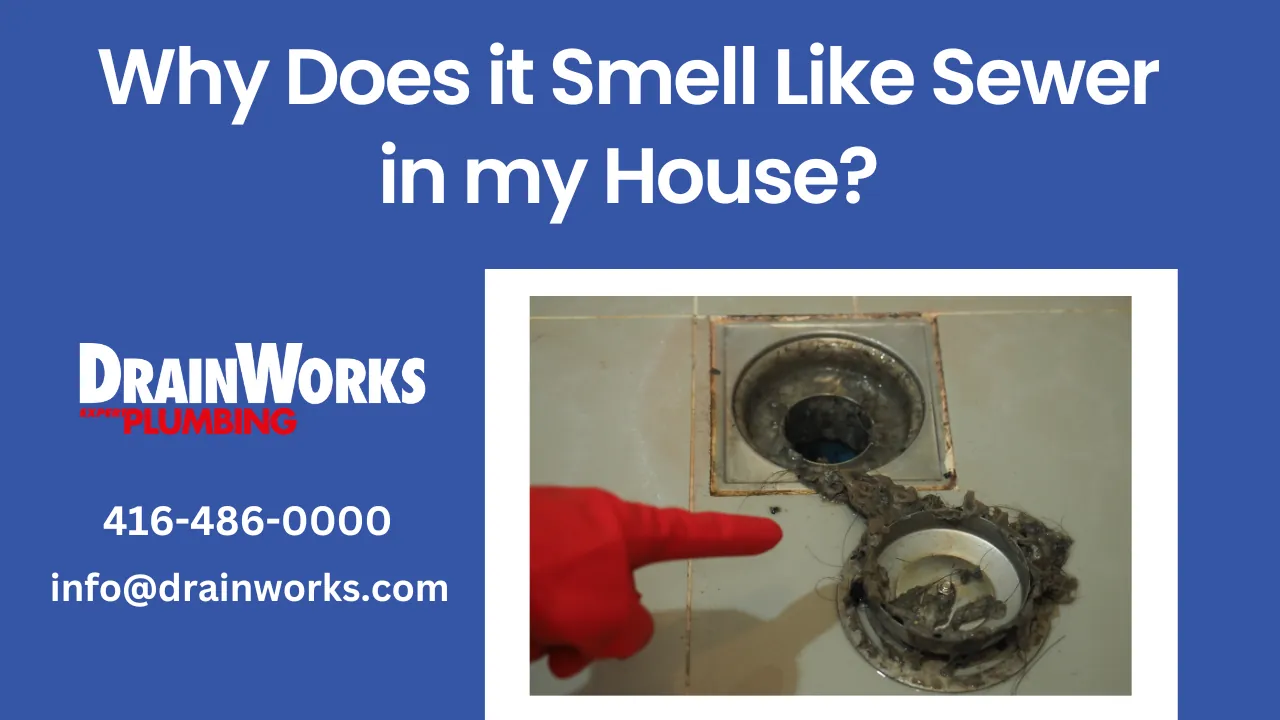
This fix is for households where the smell is strongest near bathrooms or laundry rooms and seems to get worse when it’s windy outside. Go outside and look at your roof to see if the vent pipes are blocked by bird nests, leaves, or snow. If the pipes are clear, the blockage might be deeper inside the stack. You can try to clear minor debris with a garden hose, but stay off the roof if it’s wet or steep.
If you aren’t comfortable working at heights, hire a professional roofing contractor or a plumber to clear the stack safely. This isn’t a job for someone without proper fall protection gear. Once the vent is clear, the pressure in your pipes will balance, and water will stay in your P-traps where it belongs. If the smell remains after clearing the vent, the issue is likely a damaged wax ring under your toilet, which requires a different repair process.
Replace the wax toilet ring
This fix is for cases where the smell is concentrated specifically around the base of a toilet. Over time, the wax ring that creates an airtight seal between the toilet base and the floor drain can dry out or crack.
If you notice the toilet wobbling when you sit on it, the ring is almost certainly compromised, allowing gas to leak into the room. This is a moderate difficulty task that requires lifting the toilet, so if you aren’t confident in your ability to disconnect and reseal the plumbing, call a professional.
To do this, turn off the water supply, flush the tank empty, and disconnect the supply line. Remove the bolts, lift the toilet, and scrape away the old wax before installing a new ring and resetting the toilet. If you don’t get a perfect seal, you’ll have a water leak as well as a gas leak, so ensure the toilet is level and stable before tightening the bolts.
Common mistakes to avoid
- Using chemical drain cleaners to stop the smell, as these can damage old pipes and don’t fix a dry trap.
- Covering the drain with tape, which only traps the gas inside the wall instead of fixing the ventilation issue.
- Ignoring the odor, because sewer gas contains methane which can be a safety risk in high concentrations.
- Assuming the smell is from a dead rodent, which has a distinct, sharper scent compared to the earthy, musky smell of sewer gas.
- Over-tightening toilet bolts, which can crack the porcelain base of the toilet and create a much larger repair bill.
Preventing future sewer smells
Maintaining your plumbing seals is the best way to keep your home smelling fresh and safe. If you have drains that sit idle for months, set a reminder to pour water into them every few weeks to keep the traps primed.
| If you’re doing this | Do this instead | Why |
|---|---|---|
| Leaving guest baths unused | Run water for one minute monthly | Keeps the P-trap water seal full |
| Ignoring a wobbly toilet | Tighten bolts or replace the ring | Prevents gas from escaping the pipe |
| Using harsh chemical cleaners | Use a mechanical drain snake | Protects pipe integrity and seals |
| Blocking vents with covers | Clear debris from roof stacks | Allows proper pressure equalization |
Related guides
Frequently asked questions
Can sewer smell in house make me sick?
Yes, high levels of sewer gas can cause headaches, nausea, and dizziness because it often contains hydrogen sulfide. While a small amount from a dry trap is usually just an annoyance, you should always ventilate the room by opening windows until you find and fix the source. If you feel lightheaded, leave the home immediately and call a professional to inspect the air quality.
How long does it take to get rid of the smell?
Once you refill a dry P-trap, the smell should dissipate within 30 to 60 minutes. If the source is a cracked pipe or a failing toilet seal, the smell will linger until the physical repair is complete. If you have scrubbed the area and the odor remains after a full day, you likely have a hidden leak that requires a professional inspection.
Is it safe to stay in the house with a sewer smell?
It’s generally safe for short periods if you keep the area well-ventilated, but you shouldn’t ignore it. If the smell is overwhelming or makes you feel physically ill, you must leave the building and call a plumber. Don’t sleep in a room that has a strong, persistent odor of raw sewage, as the gas can accumulate overnight.
Why does the smell get worse when it rains?
The smell often increases during rain because changes in barometric pressure can force sewer gas back up through your vents. This is a sign that your vent system isn’t working correctly or that your P-traps aren’t holding their water properly. Checking your roof vents for blockages is the best first step when you notice this specific pattern.
How much does a plumber charge to fix this?
The cost varies based on the location of the leak, but a standard service call for basic trap or wax ring issues is quite affordable compared to more extensive repairs. Complex problems involving smoke testing or pipe repair behind walls will cost significantly more. Always ask for a flat-rate estimate before the plumber begins the work to avoid surprises once the job is finished.
Conclusion
Keeping your home’s plumbing in good condition is mostly about ensuring every drain has a functional water barrier. By checking your rarely used drains regularly and keeping your roof vents clear, you can prevent most of these odors from ever starting. If you have tried these steps and the smell persists, don’t wait to call a professional who can use specialized tools to locate the problem behind your walls.