
A dry or irritated nasal passage is the most common reason why a nose smells like blood to you, as it often indicates minor tissue damage or the presence of dried mucus. This phantom scent occurs because the olfactory nerves in your nose are highly sensitive to the metallic, iron-rich compounds found in hemoglobin. While it’s usually harmless, you should monitor it if it persists for more than a few days or occurs with other symptoms.
Why your nose smells like blood
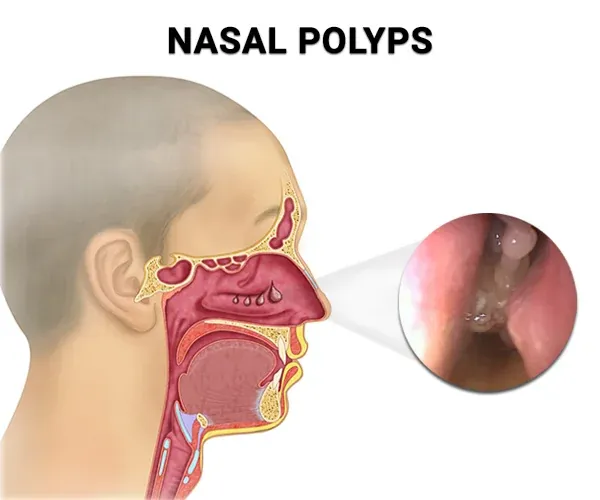
The following table breaks down the most frequent reasons you might perceive this scent. Each condition changes how your nasal cavity interacts with the air you breathe.
| Condition | What it is | Typical sign |
|---|---|---|
| Nasal dryness | Lack of moisture in the lining | Itchy or crusty feeling |
| Sinus infection | Bacterial or viral inflammation | Thick or colored mucus |
| Minor nosebleed | Small break in a capillary | Visible trace of red |
| Foreign object | Something stuck in the nose | One-sided blockage only |
| Olfactory dysfunction | Nerve or brain signal error | Persistent metallic scent |
Dry nasal passages
Dryness is a frequent trigger for smelling metallic scents because the delicate lining of your nose cracks, exposing small blood vessels. This often happens in winter or in air-conditioned rooms where the humidity level drops below 30%. When the protective mucus layer thins, your nerves react to the iron content in the air or the dried blood cells themselves.
- Increases sensitivity to metallic smells by exposing raw nerve endings.
- Causes small, invisible cracks that release a faint, iron-like scent.
- Worsens during sleep when you aren’t drinking water.
If you wake up with this smell, try using a saline spray to moisten your nostrils before bed. If the smell persists despite keeping your home humidity between 30% and 50%, you may need to see an ear, nose, and throat specialist to check for deeper tissue issues.
Sinus infections
A sinus infection occurs when the cavities around your nasal passages become inflamed or blocked, often leading to a buildup of fluid. This fluid can harbor bacteria, which sometimes produces a metallic or foul odor that your brain interprets as blood. According to the National Health Service guidance on sinusitis, symptoms typically include facial pain, a blocked nose, and a high temperature.
- Creates a trapped environment where bacteria and mucus accumulate.
- Alters your sense of smell due to inflammation of the olfactory bulbs.
- Produces a metallic scent that lingers even when you aren’t bleeding.
If you have thick yellow or green discharge alongside the smell, see your doctor for an evaluation. If you have no other symptoms, try a warm compress on your face to help drain the sinuses naturally.
Physical trauma and nosebleeds

Small nosebleeds are rarely a sign of serious illness, but they’re the most literal cause of this sensation. Even a tiny, microscopic tear in the nasal septum will release enough iron-rich blood to trigger your sense of smell. This happens most often if you blow your nose too hard or use harsh nasal sprays that strip away the protective lining of the airway.
- Releases fresh blood that’s immediately detected by olfactory sensors.
- Occurs after forceful blowing or cleaning of the nasal cavity.
- Leaves a lingering metallic taste in the back of your throat.
If you experience a bleed, sit upright and lean forward slightly to prevent blood from running down your throat. If the bleeding lasts longer than 20 minutes of continuous pressure, seek professional medical help immediately.
Olfactory dysfunction
Sometimes the brain perceives a scent that isn’t actually present, which is known as phantosmia. This can happen after a viral illness or as a result of nerve damage within the olfactory system. Unlike the other causes, this condition creates a smell that isn’t tied to any physical blood or dryness, but rather a misfiring of the signals sent to your brain.
- Creates a persistent smell of smoke, blood, or chemicals.
- Commonly follows a respiratory infection or head injury.
- Doesn’t change based on humidity or physical clearing of the nose.
If you suspect this is the cause, keep a diary of when the smell occurs to share with a doctor. This condition requires professional diagnosis, as it involves the nerves rather than the physical lining of the nose.
Other potential triggers
- Medication side effects: Some prescription drugs, such as certain antibiotics or blood pressure medications, can change your sense of smell. Check your medication inserts for “dysgeusia” or “olfactory changes” as a listed side effect.
- Chemical exposure: Breathing in strong cleaning agents or industrial fumes can irritate the nasal lining and cause a sharp, metallic sensation that mimics the smell of blood.
- Dental issues: Infections in the upper teeth or gums can sometimes radiate toward the sinus cavities. If the smell is accompanied by tooth pain or gum swelling, see a dentist to rule out an abscess.
Choosing the right path

Deciding how to address this smell depends on how long it has lasted and what else you feel. If the smell started after a cold or sinus congestion, treat it as a temporary side effect of inflammation and use saline rinses to keep the area clean.
If the smell is constant, happens without any other symptoms, or follows a head injury, you should book an appointment with a primary care doctor. Never attempt to use tools to look deep inside your nose, as you can easily damage the delicate structures. These conditions are usually manageable at home with basic humidity control, but persistent smells suggest a need for professional investigation.
Related guides
Frequently asked questions
Is it normal for my nose to smell like blood?
It’s relatively common and usually harmless if it happens occasionally due to dryness or minor irritation. If you have no other symptoms, it often resolves on its own with better hydration. However, a persistent smell that never goes away requires an evaluation to rule out chronic sinus or nerve issues.
How long should the metallic smell last?
Most cases caused by dryness or minor irritation disappear within 3 to 5 days after you increase your water intake or use a humidifier. If the scent remains for more than two weeks, or if it’s accompanied by pain, you should stop home remedies and see a medical professional.
Can a nosebleed cause this smell?
Yes, a nosebleed is a direct cause because the iron in the blood triggers your olfactory nerves. You’ll likely smell it while the blood is fresh and for a short time after the bleeding stops. If you smell blood but see no physical evidence, the source is likely internal.
What should I do if I smell blood but see nothing?
If you see no blood, the smell is likely caused by sinus inflammation or nerve-related phantom odors. Start by using a saline nasal spray for 2 days to see if the scent fades. If it remains, consult a doctor to check for hidden infections or olfactory nerve irritation.
Is it safe to use nasal sprays?
It’s safe to use simple saline sprays to moisturize your nose, provided you don’t share the bottle with others. Avoid using medicated decongestant sprays for more than 3 consecutive days, as they can cause a rebound effect that makes nasal dryness and irritation much worse over time.
Does a metallic smell mean I have an infection?
A metallic smell can indicate an infection, especially if it’s paired with thick, colored mucus or facial pressure. While not every metallic scent is an infection, those caused by bacterial buildup in the sinuses often have a distinct, persistent quality that doesn’t improve with simple moisturizing.
Conclusion
Start by increasing your water intake and using a humidifier in your bedroom to see if the scent clears within 48 hours. If the smell goes away, the issue was likely simple dryness. If the scent continues, or if you feel sharp pain or see consistent bleeding, stop all home self-care and see a doctor to prevent further nasal tissue damage.