
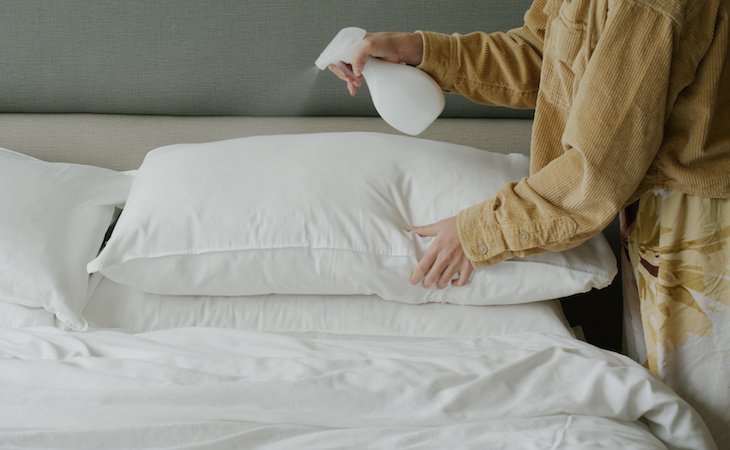
To clear the air, you should remove the plastic packaging immediately and let your new mattress smell bad for about 24 to 48 hours in a well-ventilated room. This odor is usually the result of off-gassing, which happens when volatile organic compounds (VOCs) trapped in the foam or adhesives during manufacturing are released into the air as the product reaches room temperature.
Why your new mattress smells

The primary reason you notice a chemical scent is a process known as off-gassing. When manufacturers produce memory foam or polyurethane foam, they use various chemicals to create the desired density and feel. Once the mattress is vacuum-sealed at the factory, these gases remain trapped inside the material. When you open the plastic wrap in your bedroom, those chemicals finally escape into your living space.
Most of these odors are harmless in the short term, but they can be irritating to people who are sensitive to smells. The intensity of the scent often depends on the quality of the foam and how long the mattress sat in storage before reaching your home.
According to the United States Environmental Protection Agency, VOCs are common in many household products and can affect indoor air quality, so good airflow is essential for dissipation. If you have a sensitive nose, you’ll likely notice the smell more than others, even if the concentration of the chemicals remains well within standard safety guidelines.
Ventilate the Room Properly
The most effective way to speed up the process is to create a strong cross-breeze. Open all windows in the room where the mattress is kept and use a box fan to push air directly across the surface of the bed. If you have a ceiling fan, turn it on to its highest setting to keep the air moving throughout the entire space.
This is for anyone who has the space to keep the room empty for a full day. If you must sleep on the bed the same night it arrives, you should at least aim for six hours of airing out before adding your sheets.
You’ll know it’s working when you can walk into the room after a few hours and notice a clear reduction in the chemical intensity. If the smell remains overwhelming after 48 hours of constant airflow, the mattress may have a manufacturing defect that requires a return or replacement.
Use Baking Soda to Neutralize Odors
If the smell persists after initial ventilation, you can use baking soda to absorb the remaining scent particles. Strip the bed of all linens and sprinkle a thin, even layer of fresh baking soda across the entire surface of the mattress. Use a soft-bristled brush to gently work the powder into the top fabric, but don’t press hard enough to push it deep into the foam core.
Let the baking soda sit for at least four hours, or overnight if you have the time, to allow it to pull odors out of the top layer.
Once the time is up, use a vacuum cleaner with an upholstery attachment to remove every trace of the powder. This method is safe for most standard mattress fabrics, but you should check your manufacturer’s care tag first to ensure your specific model doesn’t have a specialized coating that could be damaged by powders.
Try Natural Air Purifiers
For a more hands-off approach, you can place bowls of white vinegar or activated charcoal bags around the perimeter of the bed. Vinegar is excellent at neutralizing airborne odors, while activated charcoal is highly porous and works to trap VOCs that are still lingering in the air. This method is best for those who can’t keep windows open due to weather or outdoor air quality concerns.
This isn’t for people who expect an instant fix, as these passive methods take longer than active ventilation. You’ll know the mattress is ready when you can no longer smell the chemical scent while standing directly over the bed. If you notice a persistent “rotten” or “fishy” smell that doesn’t fade after three days, contact the retailer immediately, as this can indicate moisture damage or mold growth inside the foam.
Common Mistakes to Avoid
- Using strong scented sprays or fabric deodorizers to “mask” the chemical smell, which only creates an unpleasant mixture of odors.
- Covering the mattress with a waterproof protector immediately, as this traps the gases against the surface and prevents them from escaping.
- Applying liquid cleaners or water to the foam, which can lead to permanent damage or mold if the moisture penetrates the core.
- Ignoring the smell for weeks, which can lead to headaches or eye irritation in some individuals; always prioritize fresh air.
How to Stop It Happening Again

| If you’re doing this | Do this instead | Why |
|---|---|---|
| Buying the cheapest foam | Choose certified foam | Certifications like CertiPUR-US ensure lower VOC emissions. |
| Storing in plastic | Remove plastic immediately | Trapped gases need to escape as soon as possible. |
| Using a heavy protector | Use a breathable cover | Breathable fabrics allow residual odors to dissipate. |
| Keeping doors closed | Use a box fan | Active airflow clears chemicals faster than still air. |
Related guides
Frequently Asked Questions
Is it safe to sleep on a new mattress that smells?
Yes, it’s generally safe to sleep on a new mattress if it has been aired out for at least a few hours. Most mattresses meet safety standards that limit the amount of harmful chemical emissions, but people with asthma or chemical sensitivities might find the odor uncomfortable. If you feel dizzy or develop a headache, move to a different room until the smell has faded completely.
How long does the smell last?
The smell typically lasts between 24 and 48 hours with proper ventilation. This timeframe assumes you’re keeping windows open and using fans to circulate the air. If the bedroom is small and lacks good airflow, it might take up to three or four days for the scent to become unnoticeable. High-density memory foam often takes longer to off-gas than lower-density options.
Can I use a vacuum to suck the smell out?
No, you can’t use a vacuum to suck the smell out of the core of the mattress. Vacuums only remove surface dust and odors trapped in the top fabric layer. Trying to vacuum the foam itself can damage the internal structure of the material or cause the vacuum motor to overheat due to restricted airflow through the dense foam.
Why does my mattress smell like fish?
A fishy or “rotten” odor isn’t normal for a new mattress and often indicates that the foam was exposed to moisture during shipping. This can lead to bacterial or mold growth within the material. If you notice this specific scent, don’t attempt to clean it yourself; contact the retailer immediately to initiate a warranty claim or return.
Does a mattress protector stop the smell?
No, a mattress protector won’t stop the smell and may actually trap the gases underneath it. If you put a cover on too early, you’re essentially sealing the VOCs into the mattress, which can make the odor last much longer. Always wait until the mattress has finished its initial 24-hour airing-out period before putting a protector on the bed.
Is the smell toxic?
No, the smell isn’t considered toxic in the quantities released by modern, regulation-compliant mattresses. While VOCs may cause minor irritation to your nose or throat, they don’t pose a significant health risk to healthy adults. If you’re concerned, check the product label for low-VOC or environmentally friendly certifications.
Conclusion
If the scent lingers longer than expected, don’t worry; it’s perfectly normal for your bed to keep settling. You’ll find that a quick sprinkle of baking soda over the surface can help absorb any remaining traces. Once it’s fresh, you’re ready to enjoy a comfortable, restful night of sleep.