
The most frequent reason that a period smells bad is the normal interaction between menstrual blood and the bacteria that live on your skin or in your underwear. In most cases, this is a standard biological process and not a cause for alarm. You can confirm this by checking if the scent disappears immediately after you shower and change into clean, dry clothing.
Why your period smells that way
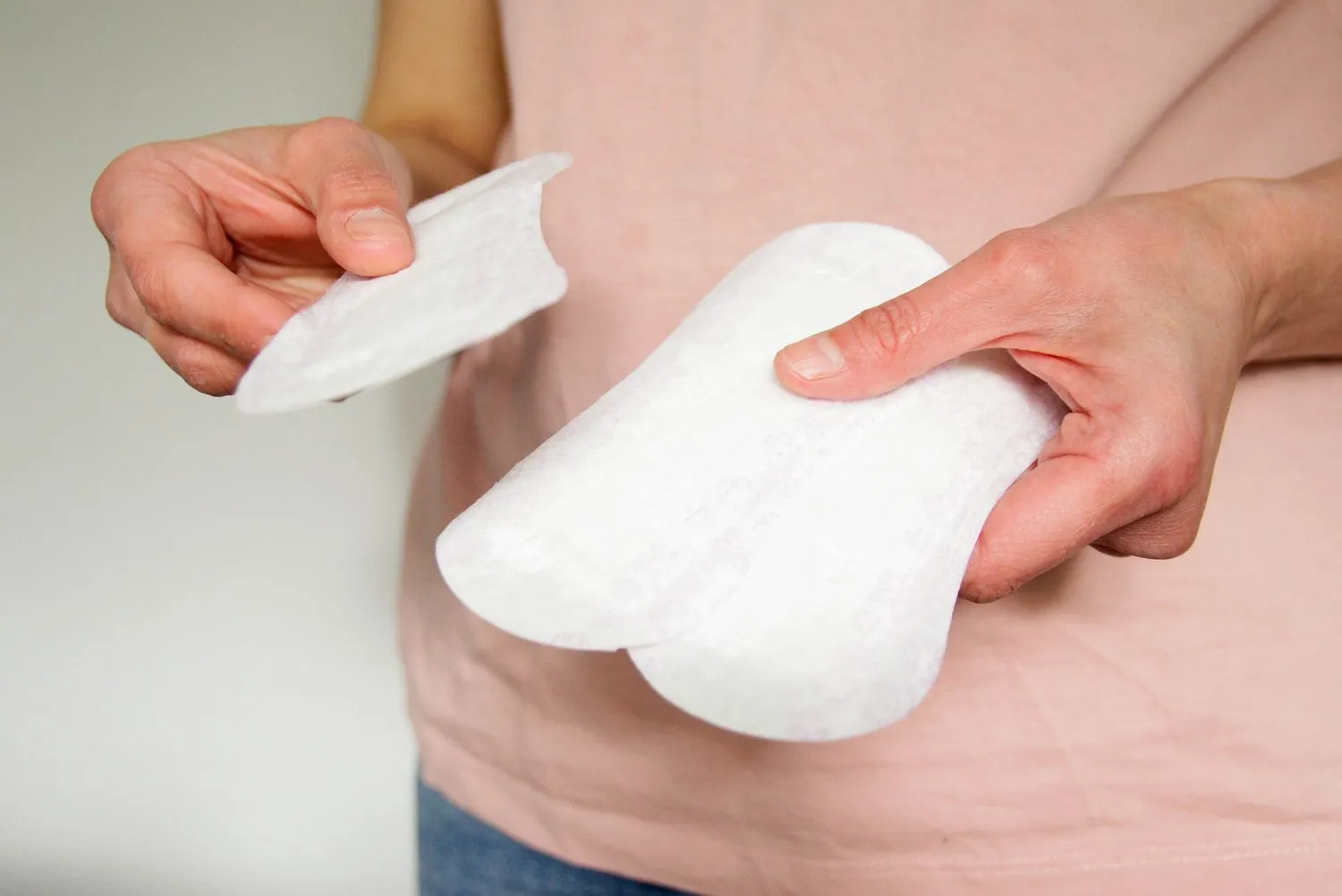
A change in scent during your cycle is often just a result of sweat and bacteria mixing with blood. If you notice a change, look for these common signs to understand what is happening.
| What you notice | What it usually means | What to do first |
|---|---|---|
| Mild metallic or iron scent | Normal blood oxidation | Use unscented products |
| Strong, fishy odor | Possible bacterial imbalance | See a healthcare professional |
| Sweet or fruity smell | Potential yeast overgrowth | Consult your doctor |
| Foul or rotten smell | Retained tampon or infection | Seek medical attention |
| Intense, sharp ammonia scent | Concentrated urine or sweat | Increase your water intake |
| Slight change after exercise | Sweat and bacteria buildup | Wash with mild soap |
If the odor persists for more than 48 hours after your period ends, the source is likely not hormonal. Many people mistakenly scrub the area with scented soaps, which strips away protective flora and worsens the imbalance. Instead, stick to warm water and gentle cleansers on the external skin only.
If you suspect a retained tampon, don’t attempt to reach deep into the vaginal canal with sharp tools or tweezers. If you can’t locate the string, visit an urgent care clinic or your gynecologist to have the tampon removed safely. You can distinguish between sweat and infection by checking for accompanying discharge; clear or white fluid is usually normal, while gray or green tints signal a clinical issue.
Normal bacterial interactions
The primary cause of a noticeable scent is the natural breakdown of blood by bacteria. Blood is rich in nutrients, and when it sits in a pad or on your skin, bacteria begin to consume it. This process creates byproducts that have a distinct, sometimes strong smell. If you find that changing your hygiene products every 3 to 4 hours reduces the scent, then this is likely the only issue.
You can verify this by observing if the smell is strongest near the end of the day or after wearing the same pad for many hours. If it is, the fix is to increase your frequency of changing pads or tampons. If you use a menstrual cup, ensure you rinse it thoroughly with water at least every 12 hours. The scent should vanish once the source of the old blood is removed and the area is cleaned.
Bacterial vaginosis and imbalances

Sometimes, the scent is caused by an overgrowth of bacteria known as bacterial vaginosis, which often produces a distinct fishy odor. Unlike the metallic smell of blood, this scent may become stronger after sexual activity or during the end of your period. This happens because the pH balance of the vaginal environment is sensitive, and blood or semen can raise the pH level, allowing certain bacteria to thrive.
If you suspect this is the cause, avoid douching. Douching worsens the imbalance by stripping away the protective lactobacilli that keep harmful bacteria in check. Many people mistakenly use scented soaps or sprays to mask the odor, but these products often irritate the delicate tissue and further disrupt the microbiome.
You can distinguish this from a normal period smell because the odor persists even after you have showered and changed your clothes. If the scent is accompanied by thin, gray, or white discharge, it’s rarely a simple hygiene issue. This condition requires a diagnosis from a provider to get the right antibiotic treatment. Leaving it untreated can increase the risk of pelvic inflammatory disease or make you more susceptible to other infections.
Infections and forgotten products
A foul, intense odor that doesn’t go away is sometimes a sign of a forgotten tampon or a vaginal infection. If you have been using tampons and notice a very strong, unpleasant scent, check to ensure you haven’t accidentally left one inside. If you find one, remove it immediately. If you don’t find one but the smell remains, this could indicate an infection that requires medical care.
You can tell this apart from other causes because it’s often accompanied by itching, burning during urination, or thick, discolored discharge. If the smell is constant and persists regardless of hygiene, don’t attempt to mask it with scented sprays or over-the-counter yeast treatments. These products often mask symptoms while allowing bacterial vaginosis or trichomoniasis to worsen.
If you suspect an infection, avoid douching. Douching disrupts your natural pH balance and can push bacteria further into the cervix, potentially causing pelvic inflammatory disease. If the odor is metallic, fishy, or accompanied by pelvic pain, skip the pharmacy aisle entirely. Make an appointment with a clinic to check for infections that require specific prescription antibiotics.
When to stop and get help
There are specific times when you must stop trying to fix the issue at home and seek professional medical advice.
If the smell is accompanied by a fever over 101°F or persistent chills, seek medical attention promptly, as these can be signs of a serious infection.
Seek help if you experience sharp, stabbing pelvic pain that leaves you unable to stand straight. If standard over-the-counter pain relief fails to dull the ache within two hours, don’t wait for the next morning.
Pay attention to your discharge. If it becomes thick, clumpy, or takes on a gray or green hue, you’re likely dealing with a bacterial imbalance or yeast overgrowth. Home remedies like douching often push bacteria further into the cervix, which can turn a minor irritation into a chronic inflammatory condition.
Finally, if you suspect a retained object, don’t use tweezers or sharp tools to retrieve it. You risk lacerating delicate tissue or pushing the object deeper. If you can’t feel the item with a clean finger, go to urgent care.
Related guides
Frequently asked questions
Can using scented pads make the smell worse?
Yes, scented products often cause more irritation and can mask the odor rather than fixing it. They may disrupt your natural pH, which makes the smell more noticeable over time. It’s better to use unscented, breathable cotton products to manage your period comfortably.
How long should a period smell last?
The scent typically lasts only while you’re actively bleeding and should disappear within 24 hours of your period ending. If you notice a strong, unpleasant smell that continues for several days after your period has finished, you should schedule a checkup with your doctor.
Is it safe to use soap inside the vagina to remove the smell?
No, it’s never safe to use soap or cleansers inside the vagina, as this can cause severe irritation and infections. You should only wash the outside area with warm water or a very mild, fragrance-free soap. The vagina is self-cleaning and doesn’t need internal washing.
Does diet change how a period smells?
Yes, certain foods like garlic, onions, or asparagus can sometimes affect your body’s natural scent. While this is rarely the cause of a foul smell during your period, a balanced diet and staying hydrated help keep your body’s systems running smoothly.
What happens if the smell is very strong?
A very strong or foul smell is usually a sign that you should see a doctor for an evaluation. While it might be a simple imbalance, it’s the best way to rule out an infection that needs professional treatment. Don’t ignore a smell that’s clearly different from your normal baseline.
Does the type of period product matter?
Yes, the material of your product can change how much moisture is held against your skin. Synthetic materials may trap heat and moisture more than organic cotton or menstrual cups. If you notice a scent, try switching to a different type of product to see if the issue improves.
Is a metallic smell normal?
Yes, a mild metallic scent is completely normal during a period because of the iron content in blood. This isn’t a sign of poor hygiene and is a common experience for most people. If the metallic scent is very faint, it’s likely nothing to worry about.
Conclusion
If the scent lingers or you notice unusual itching, don’t hesitate to reach out to your doctor. It’s always better to be safe than sorry when it comes to your health. A quick check-up can give you peace of mind, so you’ll feel confident and comfortable in your own skin again.