
Discovering that your closet smells bad is a common household frustration that often stems from trapped moisture, poor air circulation, or the accumulation of organic matter. When you open your doors and are greeted by a musty or stale odor, it usually indicates that the environment inside has become a breeding ground for mildew or bacteria. Addressing this issue requires a systematic approach to cleaning, moisture control, and preventative maintenance, ensuring your clothes remain fresh and your storage space stays hygienic throughout the year.
Key Takeaways
- Empty the entire closet to identify hidden sources of odor like damp shoes or soiled laundry.
- Deep clean all surfaces using a diluted vinegar or mild detergent solution to neutralize spores.
- Lower ambient humidity levels to prevent the return of mildew and musty smells.
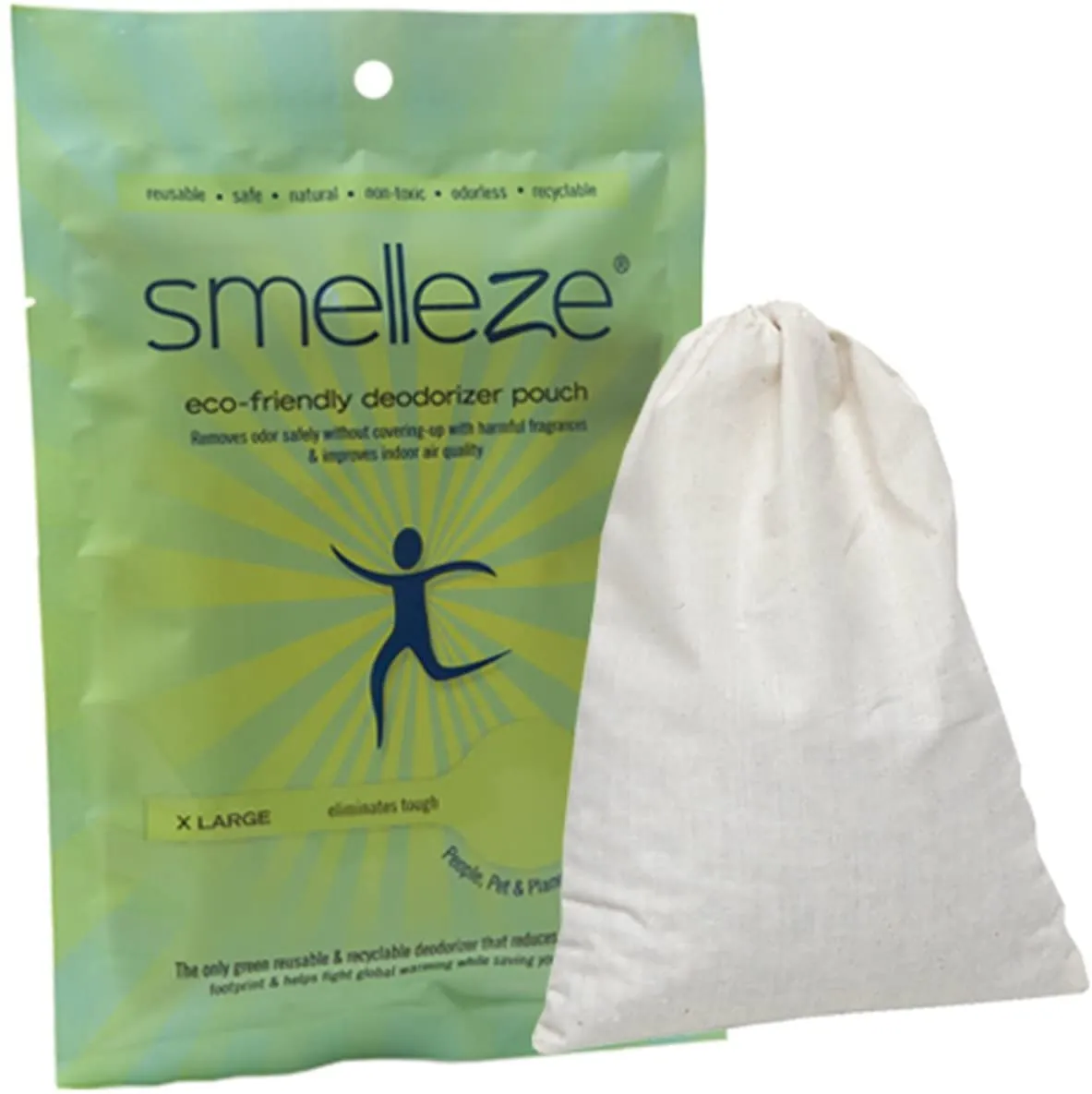
- Utilize natural odor absorbers like charcoal bags or baking soda to maintain long-term freshness.
- Improve airflow by avoiding overcrowding and occasionally leaving closet doors open for ventilation.
Why Does My Closet Smell?
The primary culprit behind a foul-smelling closet is often trapped moisture. When air can’t circulate, condensation builds up on walls or clothing, creating a damp environment where mold and mildew thrive. Other common causes include:
- Dirty laundry: Storing gym clothes or damp towels without proper drying.
- Leather decay: Old shoes or belts that have begun to break down.
- Pest activity: Droppings or nesting materials hidden in corners.
- Wall dampness: Leaking pipes behind the wall or high interior humidity levels.
Identifying the Source
To solve the problem, you must first play detective. Start by removing every single item from the closet. Smell individual items, especially those made of porous materials like wool, leather, or thick cotton.
If an item smells like mildew, it must be laundered or professionally cleaned before it goes back into the space. Inspect the floor, the ceiling corners, and the back wall for visible signs of water damage or discoloration, as these might indicate deeper issues like mold growth according to the Environmental Protection Agency.
How to Clean Your Closet
Once the closet is empty, a thorough cleaning is mandatory. Don’t simply spray air fresheners, as they only mask the odor rather than eliminating the source.
| Surface Area | Recommended Cleaner | Application Method |
|---|---|---|
| Shelves | Vinegar and Water | Wipe with a microfiber cloth |
| Walls | Mild Dish Soap | Gentle scrub and dry immediately |
| Flooring | Vacuum then Steam | Use a HEPA-filter vacuum |
| Baseboards | Disinfecting Wipes | Scrub corners where dust gathers |
Pro Tip: Always allow the closet to air dry completely for at least four hours after cleaning before returning any clothes to the shelves.
Is Humidity the Real Culprit?
If your closet is located against an exterior wall, temperature fluctuations can lead to high humidity. When warm air hits a cold wall, it condenses, creating the perfect conditions for a musty odor. To combat this, aim to keep your home’s relative humidity between 30% and 50%.
You can monitor this with a digital hygrometer, which typically costs between $10.00 and $25.00. If your levels remain consistently above 60%, you may need to invest in a small dehumidifier or moisture-absorbing products.
Solutions for Dampness
- Desiccant canisters: Calcium chloride-based products like DampRid.
- Activated charcoal bags: Natural, porous materials that trap odors.
- Silica gel packets: Best for small, enclosed areas like shoe boxes.
- Proper spacing: Avoid packing clothes so tightly that air can’t flow.
What Are Natural Odor Absorbers?
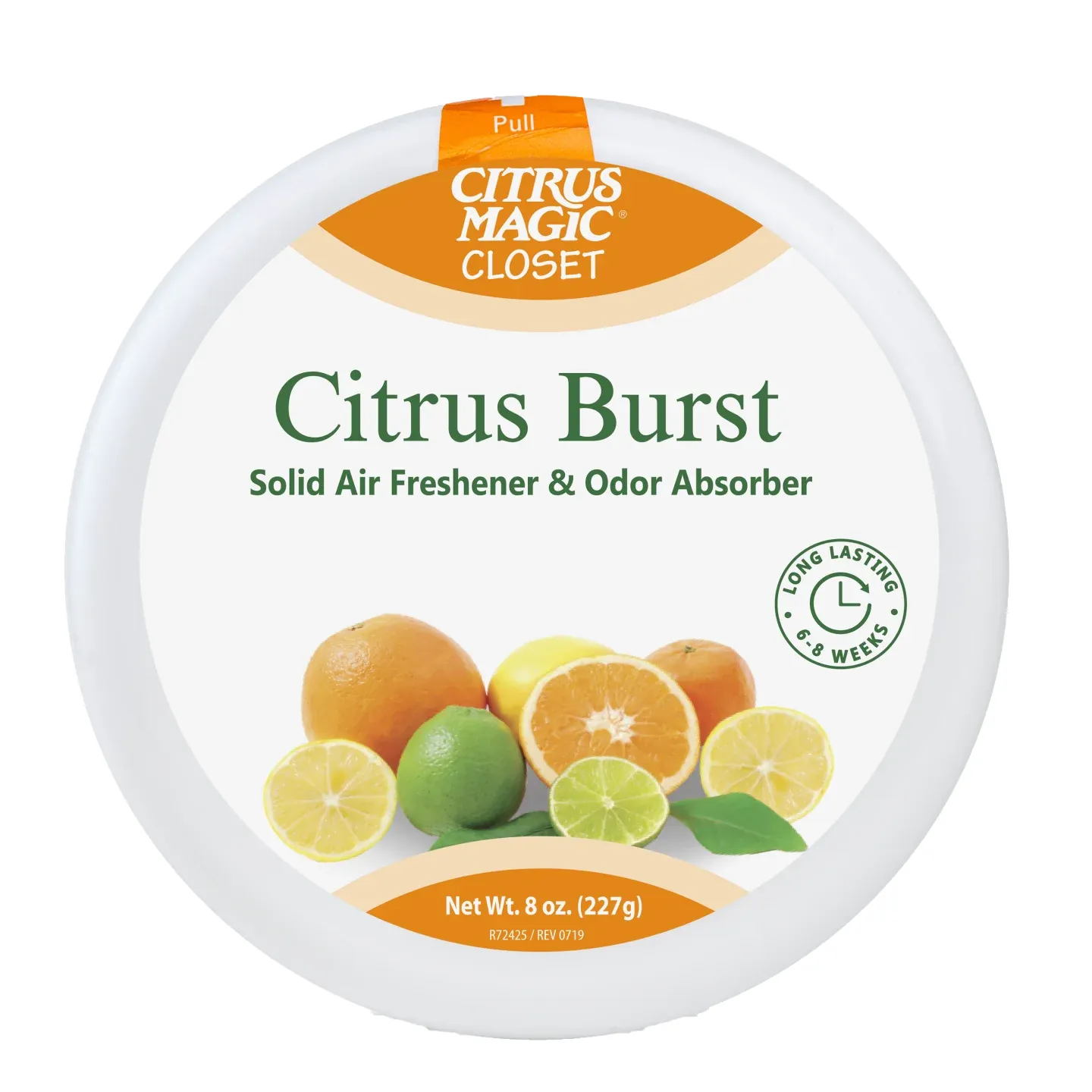
Many homeowners prefer natural alternatives to chemical sprays. These items are cost-effective and safe for use around fabrics. Baking soda is perhaps the most effective tool; simply place an open box on the floor or a shelf. It absorbs acidic and basic odors. Alternatively, consider using essential oils like lavender or eucalyptus on wooden blocks. These provide a fresh scent profile without the synthetic chemicals found in aerosol sprays.
| Absorber Type | Estimated Cost | Lifespan |
|---|---|---|
| Baking Soda | $1.00 – $3.00 | 30 Days |
| Activated Charcoal | $8.00 – $20.00 | 6 Months |
| Cedar Planks | $5.00 – $15.00 | Indefinite |
| Coffee Grounds | $0.00 – $5.00 | 1 Week |
How to Organize for Freshness
An unorganized closet is often a smelly one. When items are piled haphazardly, they block airflow and trap dust. Implement a system where items are stored according to their material and frequency of use. Keep off-season clothing in breathable fabric garment bags rather than plastic, which can trap moisture and cause yellowing or odors.
Warning: Never store damp items in a plastic bin. The lack of airflow will accelerate the growth of mold and cause a permanent smell in your clothing.
Preventing Future Closet Odors
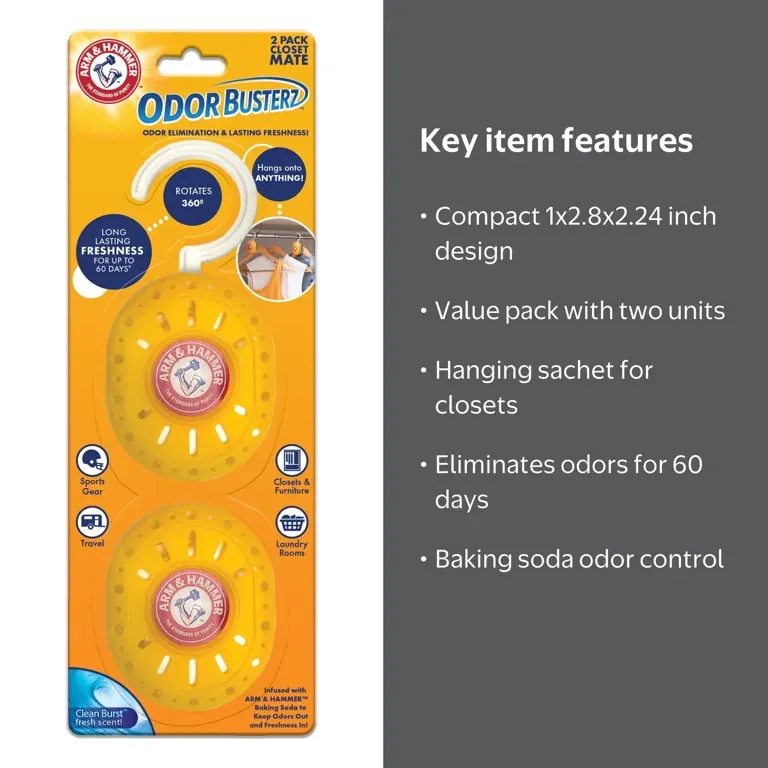
Once you have achieved a neutral scent, focus on maintenance. Establish a routine where you open the closet doors for a few hours once a week to let air cycle through. If your closet has no light or ventilation, consider installing a motion-activated LED light that produces minimal heat, as darkness and warmth are common contributors to bacterial growth.
Daily Habits
- Dry laundry: Ensure clothes are 100% dry before hanging them.
- Shoe care: Use cedar shoe trees to absorb sweat from leather boots.
- Regular rotation: Move clothes around to ensure nothing sits stagnant for months.
- Dusting: Vacuum the floors of the closet at least twice a month.
Related guides
- Dog Smells Like Fish From Back End: Causes and Solutions
- How Much Weight Can a Wood Closet Rod Hold Safely in 2026
Frequently Asked Questions
Does vinegar damage closet paint?
When diluted with water, white vinegar is safe for most painted surfaces. Mix one part vinegar to three parts water. Avoid using pure, undiluted vinegar as its high acidity can potentially soften or dull certain types of latex or oil-based paints over time. Always test a small, inconspicuous area of the closet wall before wiping down larger surfaces to ensure the finish remains intact.
Can I use essential oils to mask smells?
You can use essential oils to provide a pleasant scent, but they won’t eliminate the source of a bad odor. If you use them, place a few drops on cedar blocks or cotton balls placed in a bowl. Avoid spraying oils directly onto fabrics, as they can cause oil stains or discoloration. Focus on cleaning first, then use scent as a secondary finishing touch.
How do I remove smells from leather shoes?
To remove odors from leather shoes, start by wiping the exterior with a damp cloth. Inside, place a pouch filled with baking soda or activated charcoal overnight to draw out moisture and odors. If the smell persists, use a specialized leather-safe deodorizing spray. Never leave leather shoes in direct sunlight or near heat vents, as this can crack the material and worsen the smell.
Is mold in my closet dangerous?
Mold in a closet can be a health concern, especially if you have allergies or respiratory issues. If you see visible mold patches larger than a few square feet, it may indicate a water leak behind the wall. In such cases, cleaning the surface is insufficient, and you should contact a professional to inspect the structural integrity and moisture levels within the wall cavity.
How often should I replace charcoal bags?
Most activated charcoal bags are effective for three to six months, depending on the size of the closet and the severity of the odor. To “recharge” them, place the bags in direct sunlight for two to three hours once a month. This helps release the trapped moisture and odor particles, effectively extending the lifespan of the charcoal before you need to replace the bags entirely.
Conclusion
Achieving a fresh-smelling closet is entirely possible with consistent effort and the right strategy. Start by clearing out your space today and inspecting your items for hidden moisture or debris. Once the area is clean and dry, implement a simple odor-absorption system using charcoal or baking soda to maintain the results. By prioritizing airflow and cleanliness, you can permanently solve the problem and keep your wardrobe in top condition.