
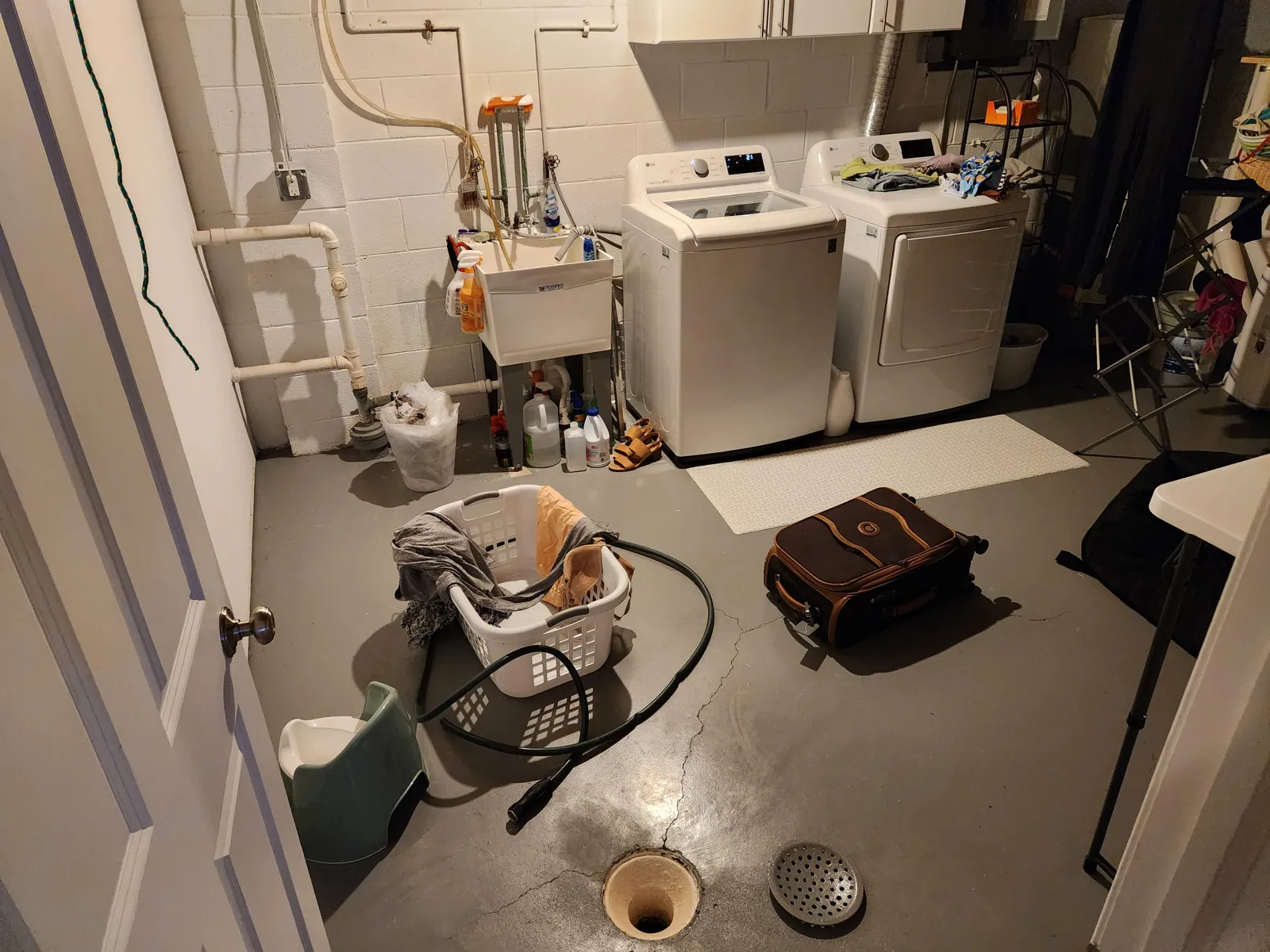
A dry p-trap in a floor drain or sink is the most common reason a house smells like poop, as the water seal that blocks sewer gas has evaporated. You can confirm this by pouring a cup of water into the drain to see if the odor fades within an hour. If the smell persists, you likely have a venting issue or a cracked pipe elsewhere in your plumbing system.
Why your house smells like poop
| Cause | How common | How to confirm it | Fix it yourself? |
|---|---|---|---|
| Dry p-trap | Very common | Pour water into drain | Yes |
| Blocked vent stack | Common | Check roof for debris | No |
| Loose toilet seal | Common | Wiggle toilet base | Yes with care |
| Cracked drain pipe | Occasional | Look for water stains | No |
| Damaged sewer line | Rare | Check yard for wetness | No |
| Septic tank full | Rare | Check tank maintenance log | No |
If you smell gas after a heavy rain, the vent stack is likely blocked by leaves or bird nests. Use a flashlight to inspect the roof opening, but never climb a ladder if you feel unsteady.
A dry p-trap is the most frequent culprit in guest bathrooms that go unused for weeks. If the smell vanishes after running the faucet for ten seconds, evaporation was the only problem.
If you wiggle the toilet and notice a slight rock, the wax ring has failed. Replace it immediately to stop sewer gases from leaking into your subfloor, which causes rot.
Check your yard for lush, green patches of grass during a dry spell. This indicates a leaking sewer line fertilizing the soil. If you see this, call a professional before the waste creates a health hazard inside your home.
Resolving a Dry P-Trap
A p-trap is the U-shaped pipe under your sink or the hidden trap under a floor drain designed to hold a small amount of water. This water creates a physical barrier that prevents sewer gases from entering your living space. When a sink or floor drain sits unused for several weeks, the water evaporates, leaving the pipe open to the sewer lines.
To test if this is your problem, pour about 16 ounces of water into the drain. If the smell disappears within an hour, the dry trap was the culprit. If you have a guest bathroom or a basement floor drain that you rarely use, make it a habit to pour a cup of water down the drain periodically to keep the seal intact. If the smell returns quickly despite regular water, the pipe may have a slow leak.
Inspecting the Toilet Wax Ring
A toilet that rocks when you sit on it has likely broken the seal between the base and the drain pipe. This wax ring prevents sewer gases from leaking into the bathroom floor area. You can identify this issue if you notice the toilet shifting or if there’s visible moisture or staining around the base of the porcelain.
If the toilet moves, the bolts might be loose, but often the wax ring itself has compressed or failed. Tightening the floor bolts can sometimes stop a minor leak, but if the wax is compromised, the ring must be replaced. This is a task that requires lifting the toilet, which can be heavy and messy. If you aren’t comfortable handling plumbing seals or lifting heavy fixtures, call a licensed plumber to prevent water damage to your subfloor.
Dealing With Vent Stack Obstructions
Your plumbing system relies on vent stacks, which are pipes that run from your drains up through the roof to let air in and gas out. If these pipes become blocked by bird nests, leaves, or debris, the air pressure in your pipes can fluctuate. This negative pressure can suck the water out of your traps, effectively breaking the seal and allowing odors to enter your home.
You can often see the vent pipes on your roof, but you should never attempt to climb up there yourself to clear them. If you suspect a blockage, look for signs of poor drainage or gurgling sounds when you flush the toilet or empty a sink.
The Environmental Protection Agency suggests that maintaining proper ventilation is essential for indoor air quality. Because working on roofs or clearing main sewer vents involves significant fall risks and specific equipment, this is a job for a professional plumber.
Other Potential Plumbing Issues
Cracked drain pipes often hide behind drywall. If you smell damp earth or sewage in a specific room but see no water stains, use a smoke test to confirm the breach. Ignoring these fissures allows methane to accumulate in wall cavities, which creates a long-term health hazard.
Tree roots infiltrate exterior sewer lines through the smallest joints. If your lawn shows patches of unusually lush grass or standing water near the foundation, the line is likely crushed. Excavation is the only permanent fix, as chemical root killers only offer a temporary reprieve.
Septic systems fail when the drain field saturates. If your toilets gurgle after a heavy rain, the tank is likely full or the field is failing. Call a septic service immediately to prevent raw sewage backup.
Finally, check basement cleanout plugs. If a cap is loose, tighten it by hand. A loose plug costs you nothing but your time, yet it’s the most common cause of persistent, localized odors.
What a Professional Fix Demands

Fixing a simple drain issue takes little time and no tools, usually just a cup of water or a quick turn of a wrench. If you need to replace a wax ring, you’ll need a new ring, a putty knife, and an hour of your time. These materials are inexpensive and available at any local hardware store.
More complex repairs, such as clearing a roof vent or replacing a cracked pipe, require specialized tools like plumbing snakes or cameras. These jobs are significantly more involved and depend on the accessibility of the pipes within your walls or under your foundation. If you can’t find a clear source for the smell, request a professional inspection. A plumber will provide a quote based on the specific location of the leak and the time required to access the hidden pipes.
Related guides
Frequently Asked Questions
How do I know if it’s sewer gas or mold?
Sewer gas smells like rotten eggs or sulfur, while mold has a musty, damp odor. If the smell is concentrated near drains, toilets, or basement floor openings, it’s almost certainly sewer gas. If the smell is consistent across a wall or ceiling, look for signs of water leaks or mold growth.
Is it safe to stay in the house with this smell?
It’s generally safe for short periods, but you should ventilate the area immediately by opening windows. Sewer gas contains methane and hydrogen sulfide, which can be harmful in high concentrations. If you feel dizzy, nauseated, or have a headache, leave the house and contact a professional service to check for gas leaks.
Can I use chemicals to fix the smell?
Avoid using harsh chemical drain cleaners because they can damage older pipes and seals. These chemicals don’t fix a dry p-trap or a broken wax ring, which are the most common mechanical causes. Only use water to fill traps, and rely on a plumber for persistent or deep pipe blockages.
How long does it take for a trap to dry out?
A p-trap typically dries out in two to four weeks depending on the temperature and humidity of your home. In very dry or hot environments, the water can evaporate faster. If you’re going on vacation, you can prevent this by pouring a small amount of mineral oil into the drain to slow evaporation.
What happens if I ignore the smell?
Ignoring the smell allows sewer gas to build up, which creates an unpleasant living environment and can indicate a larger pipe failure. A leaking wax ring or cracked pipe will eventually lead to water damage, rotting wood, and expensive repairs to your subfloor or wall structure. Address the issue as soon as you identify it.
Does a house smell like poop mean my septic is failing?
It’s possible, but usually, a failing septic system is accompanied by wet spots in your yard or sluggish drains throughout the entire house. If the smell is only in one bathroom or near one sink, the problem is likely localized to that specific drain’s trap or seal rather than the tank itself.
Conclusion
If the unpleasant scent lingers even after you’ve checked the drains, it’s time to call a professional plumber. They’ll use specialized tools to detect hidden cracks or blockages you can’t see. Don’t wait for the problem to worsen; getting an expert’s opinion will help you breathe easy in your home again.