
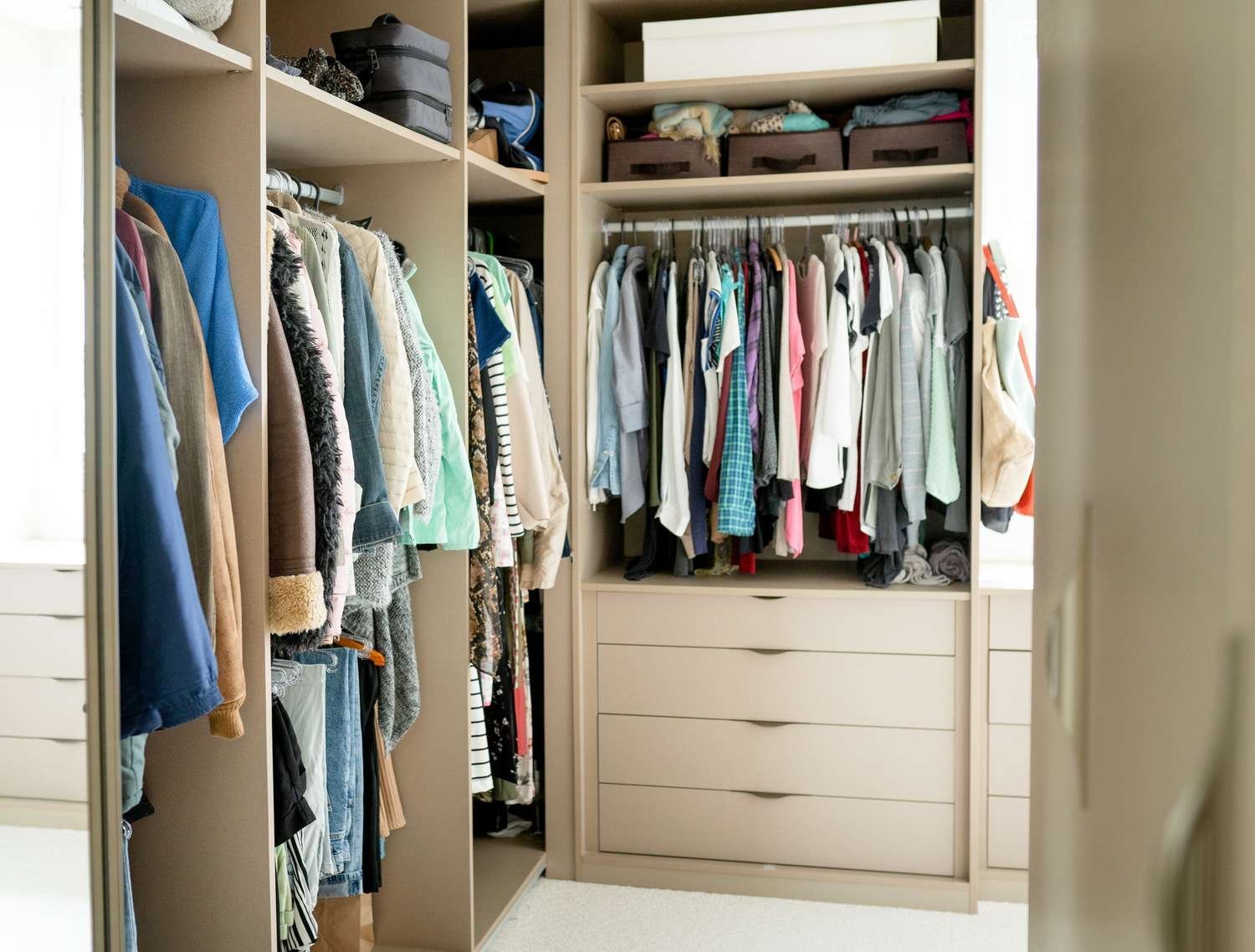
Discovering that your closet smells like mildew is a frustrating experience that often indicates trapped moisture or poor air circulation within your home. Dealing with these odors requires a systematic approach to eliminate the source of the fungal growth rather than simply masking the scent with sprays or perfumes. To resolve this issue effectively, you must address the underlying humidity levels and clean contaminated surfaces thoroughly.
Key Takeaways

- Identify the source of moisture, such as leaks, high humidity, or damp clothing.
- Remove all items from the closet to inspect walls, floors, and garments for visible spores.
- Use a solution of distilled white vinegar or specialized mold-killing cleaners to sanitize surfaces.
- Improve ventilation by installing fans, dehumidifiers, or moisture-absorbing products.
- Store only clean, completely dry items to prevent recurring fungal growth.
Why Does My Closet Smell Damp?
The primary cause of a musty aroma is the accumulation of moisture in an area with restricted airflow. When warm air meets cool surfaces, condensation forms, creating an ideal environment for mold and mildew to thrive. Common culprits include items stored while still damp, leaks behind the drywall, or high ambient humidity levels in your local climate. If you suspect a major infestation, consult the United States Environmental Protection Agency guidelines for safe remediation practices.
Common Causes of a Closet That Smells Like Mildew
- Excessive Humidity: High moisture levels in the air allow spores to settle on organic materials like wood, fabric, or cardboard.
- Poor Ventilation: Closets often lack windows or vents, meaning moisture stays trapped for weeks or months.
- Damp Clothing: Placing a garment back into the closet before it has fully dried introduces water directly into the space.
- Structural Leaks: A slow pipe drip or roof leak behind the closet wall provides a constant water source for mold.
- Organic Storage Materials: Cardboard boxes and wooden shelves are porous, acting as food sources for fungal colonies.
Identifying and Removing Mold Sources
Before you can eliminate the smell, you must find exactly where the mildew is hiding. Start by clearing out every single item. Inspect the corners, the underside of shelves, and the back wall for dark spots or fuzzy textures. If you find visible mold, you must treat the surface properly. Using a protective mask and gloves is essential during this process to avoid inhaling spores or irritating your skin.
| Surface Type | Cleaning Method | Recommended Agent |
|---|---|---|
| Painted Drywall | Wipe with solution | Distilled White Vinegar |
| Wooden Shelving | Scrub and dry | Mild Dish Soap/Water |
| Fabric/Clothing | Wash in hot water | Laundry Detergent/Bleach |
| Carpet/Flooring | Vacuum/Deep clean | HEPA Vacuum/Steam Cleaner |
How to Kill Mildew Effectively
Once you have identified the affected areas, you need a killing agent that can neutralize the spores. While many people reach for bleach, it’s often ineffective on porous materials like drywall or wood because it kills the surface mold but leaves the roots intact. Instead, use distilled white vinegar or a commercial product specifically designed for mold remediation. Apply the solution, let it sit for at least ten minutes, and then wipe the area clean.
Pro Tip: Always ensure the area is completely dry after cleaning; leaving a surface damp will only encourage the mildew to return within days.
Managing Closet Humidity Levels

If the closet remains damp despite your cleaning efforts, you must reduce the overall moisture content in the air. A dehumidifier is the most effective tool for this job, though you can also use passive moisture absorbers in smaller spaces. Aim to keep your indoor relative humidity below 60 percent to prevent mold from gaining a foothold.
| Product Type | Cost Range (USD) | Best Usage |
|---|---|---|
| Moisture Absorber Bags | $5.00 – $15.00 | Small, enclosed closets |
| Electric Dehumidifier | $100.00 – $350.00 | Large walk-in closets |
| Charcoal Deodorizers | $8.00 – $20.00 | Targeted odor neutralization |
| Ventilation Fans | $50.00 – $200.00 | Permanent airflow improvement |
Treating Musty Clothing and Fabrics
Clothing often absorbs the smell of the closet, making it difficult to get rid of the odor even after the closet itself is clean. If your clothes smell like mildew, you must wash them using a cycle that includes an odor-neutralizing additive. Hot water is generally best for cottons, provided the fabric care label allows it. For delicate items, consider taking them to a professional dry cleaner to ensure the spores are removed without damaging the material.
Steps for Deodorizing Fabrics
- Sort items by material and color to prevent damage during the washing process.
- Add a cup of white vinegar to the rinse cycle to help lift trapped odors.
- Dry clothes in direct sunlight if possible, as UV rays act as a natural disinfectant.
- Ensure items are 100 percent dry before returning them to the closet.
Improving Airflow and Circulation
Lack of movement in the air is the silent partner of mold. If your closet is packed tightly, air can’t circulate, which traps moisture against the walls. Consider thinning out your belongings to create space for air to move. If your closet has a door, leaving it cracked open occasionally can allow fresh air to enter. Installing a small battery-operated fan can also provide the necessary circulation in deep, dark corners where moisture tends to accumulate.
Warning: Never store wet raincoats or gym bags in the closet immediately after use; let them air dry in a separate room first.
Preventing Future Mildew Growth
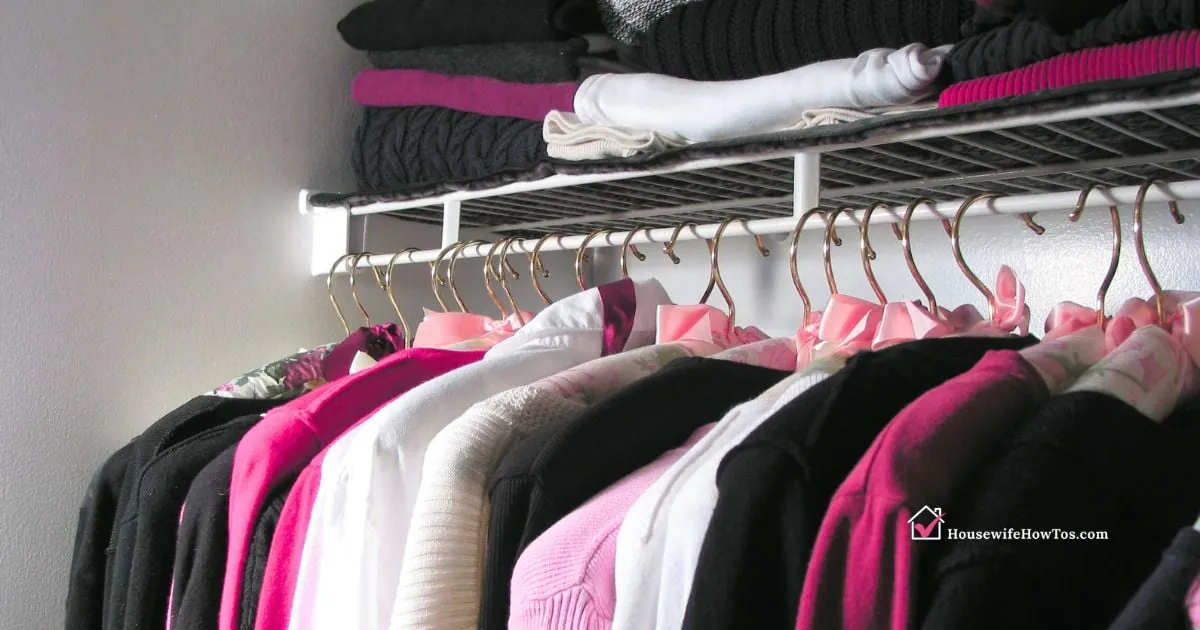
Maintenance is the key to ensuring the smell doesn’t return. Establish a routine where you check your closet for signs of dampness every few months. Use aromatic cedar blocks or sachets to keep the air smelling fresh, but remember that these won’t fix a moisture problem; they’re only for maintenance. If you notice the smell returning, repeat the cleaning process immediately before the colony has a chance to spread.
Long-Term Prevention Checklist
- Seal Leaks: Check for plumbing issues behind the walls or ceiling.
- Reduce Storage: Remove items you no longer use to improve airflow.
- Use Plastic Bins: Replace cardboard boxes with airtight plastic containers.
- Monitor Humidity: Invest in a small hygrometer to track moisture levels.
- Routine Cleaning: Wipe down shelves with vinegar annually.
Related guides
Frequently Asked Questions
Is mildew in my closet dangerous?
Mildew can cause allergic reactions, respiratory issues, and skin irritation in sensitive individuals. While not all mold is toxic, any visible growth indicates poor air quality and moisture issues that should be addressed promptly. If you have asthma or a compromised immune system, you should be especially cautious when cleaning and consider professional remediation if the infestation is widespread.
Can I just paint over the mold?
Painting over mold is ineffective because it doesn’t kill the existing spores. The mold will eventually grow through the new layer of paint, and you’ll be back to square one. You must kill the mold and clean the surface thoroughly before applying any primer or paint. Always use a mold-resistant primer if you’re treating a space prone to high humidity.
Does baking soda remove mildew smells?
Baking soda is an excellent deodorizer that neutralizes odors rather than masking them. You can place an open box or a bowl of baking soda in the closet to help absorb lingering smells. However, it won’t kill the mold spores themselves. Use it as a secondary step after you have cleaned the surface and addressed the source of the moisture.
Should I throw away clothes that smell?
You don’t necessarily need to throw away clothing that smells like mildew. Most fabrics can be restored by washing them with vinegar or oxygen-based bleach. If the items are heavily infested with visible black or green mold spots, they may be permanently stained or damaged. In those cases, it’s often safer to discard the items to prevent the spores from contaminating the rest of your closet.
How often should I clean my closet?
A deep cleaning of your closet should happen at least twice a year, ideally during seasonal transitions. This gives you the opportunity to inspect for leaks, remove unused items, and wipe down surfaces to prevent dust and moisture buildup. If you live in a particularly humid climate, you may want to check for signs of mildew more frequently, perhaps every three months.
Conclusion
Taking action today is the most effective way to protect your clothes and your health. Start by removing all items from your closet, checking for any signs of water damage, and wiping down the walls with a vinegar solution. Once the space is clean and dry, place a dehumidifier or moisture absorber inside to maintain a healthy, dry environment for your belongings.