
To remove the smell of cigarette smoke, wash all hard surfaces with a degreasing cleaner, launder soft fabrics with white vinegar, and run an ozone generator or air purifier with a HEPA filter in a sealed room for 24 to 48 hours. Smoke particles create an oily film on surfaces that traps odors, making thorough cleaning more effective than simply masking the air.
The success of your cleaning depends on how long the smoke has been present. If the smell is new, a simple wipe-down and airing out will suffice. If the smoke has settled for years, the chemicals have likely penetrated porous materials like drywall and carpet padding. The most common mistake people make is trying to cover the smell with scented sprays, which only traps the odor under a layer of chemicals and makes the room harder to clean later.
How to remove cigarette smoke smell

- Open all windows and use box fans to create cross-ventilation for at least 4 hours to clear out stale air.
- Mix a solution of 1 cup white vinegar with 1 gallon of warm water and wipe down all walls, ceilings, and non-porous surfaces to remove the oily residue.
- Sprinkle baking soda generously over carpets and upholstered furniture, let it sit for 24 hours, and then vacuum it up using a machine with a HEPA filter.
- Launder all curtains, bedding, and removable fabric covers in hot water with 1 cup of white vinegar added to the rinse cycle to neutralize stubborn molecules.
- Place an industrial-grade ozone generator in the center of the empty room, set the timer for 2 to 4 hours, and ensure all people, pets, and plants are removed from the home.
- Air out the room for at least 2 hours after the ozone treatment is finished before entering the space.
Tip: Ozone generators can be dangerous if used incorrectly; always check the EPA guidance on ozone generators to understand the health risks of high concentrations.
Tip: If the smell persists after these steps, the odor is likely trapped in the subfloor or deep inside the drywall, which may require professional-grade encapsulating paint like Kilz to seal the surface permanently.
Time Required for Deodorizing Rooms
The time needed to remove smoke smells varies based on the level of contamination and the size of the space. You can expect the process to take longer if the room has heavy carpeting or deep-pile fabrics that hold onto particles.
| Situation | How long | What changes it | What to watch for |
|---|---|---|---|
| Light smoke | 1-2 days | Room size | Persistent stuffiness |
| Moderate smoke | 3-5 days | Fabric density | Lingering fabric scent |
| Heavy smoke | 1-2 weeks | Wall porosity | Recurring odor spikes |
If the smell remains after a week of treatment, you’re likely dealing with deep saturation in the structure, and you should check the condition of the carpet padding or attic insulation.
Most people make the mistake of pulling equipment too early because the air smells neutral while the walls remain damp with soot. If you can smell the odor by pressing your nose directly against a wall or fabric surface, the process is incomplete.
If the room contains porous wood or unsealed drywall, add three days to your estimate. Sealed surfaces require less time, but porous materials act like a sponge for smoke molecules. If you encounter a damp or musty scent alongside the smoke, the odor is trapped in moisture, and you must dehumidify the room before the deodorization process can succeed.
Signs the Odor is Gone

You’ll know the cleaning is complete when there’s no detectable scent after you have kept the room closed for 24 hours. The most reliable test is to leave the room sealed with the door shut overnight, then walk in from fresh air; if you smell nothing, the surfaces are clean.
Don’t rely on your nose while standing in the room, as olfactory fatigue sets in within minutes. Instead, step outside for five minutes to reset your senses before re-entering. If you detect a faint, sweet, or acidic chemical note, the smoke particles remain trapped in porous materials like drywall or subflooring.
Most people mistake a masking agent for a clean surface. If you used a scented cleaner, wait another 48 hours for the fragrance to dissipate completely. If the smoke smell returns once the cleaner fades, you must seal the affected surfaces with an oil-based primer rather than attempting another scrub.
Common Cleaning Errors
- Using bleach on porous surfaces: Using bleach can damage paint and wood while failing to neutralize the oily smoke residue. Instead, use a dedicated degreaser or a vinegar-water mix, which breaks down the film without harming the underlying material.
- Forgetting the ceiling: Smoke rises and leaves a heavy, invisible film on the ceiling that continues to circulate odors throughout the room. Always wash the ceiling with the same vinegar solution you use for the walls to ensure the smell doesn’t remain.
- Skipping the air vents: Smoke particles are pulled into HVAC systems and settle inside the ductwork, blowing new odors back into the room every time the air runs. You must change your furnace filters and ideally hire a professional to clean the ducts if the odor persists after cleaning the room.
- Ignoring soft furniture padding: The foam inside cushions can act as a sponge for smoke particles that standard surface cleaning can’t reach. If the furniture still smells after a week, it’s often necessary to replace the foam inserts entirely rather than trying to clean them.
Frequently asked questions
Can I remove smoke smell without professional tools?
Yes, you can remove light smoke smells using vinegar, baking soda, and heavy scrubbing, but deep, long-term odors often require tools like ozone generators. If you don’t have these tools, focus on washing every square inch of the walls and ceiling. If the smell is still strong after two rounds of deep cleaning, the odor is likely trapped in the structural materials of the home.
How long does it take to get smoke smell out of a car?
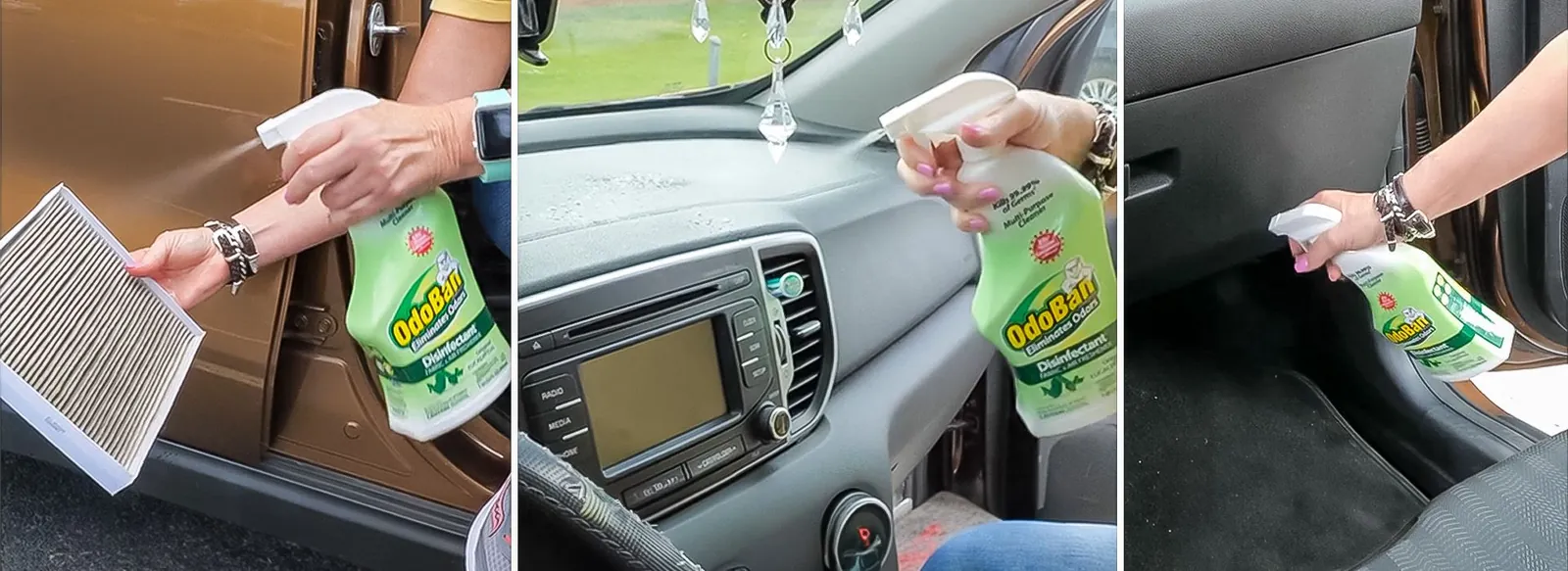
It typically takes 3 to 5 days to remove smoke from a car using a combination of deep interior shampooing and an ozone treatment. The interior of a car is small and contains many absorbent surfaces, making it harder to ventilate than a room. If the smell remains, check the cabin air filter, as smoke particles often get trapped in the ventilation system.
Is it safe to stay in the house during ozone treatment?
No, it’s never safe to stay in the house while an ozone generator is running because high levels of ozone can damage your lungs. You must ensure all people, pets, and indoor plants are removed from the building before you turn the machine on. Always wait at least 2 hours after the machine stops before re-entering the space to allow the gas to dissipate.
What happens if I paint over the smoke smell?
If you paint over the smell without cleaning the walls first, the odor will eventually bleed through the new paint. You must use a high-quality oil-based or shellac-based primer, often called an encapsulating primer, to seal the smell inside the wall. If you use a standard latex paint without a primer, the oils from the smoke will prevent the paint from sticking properly.
Why does the smell come back after I clean?
Smoke odors return because particles remain trapped deep within porous materials like carpet padding, subfloors, or insulation. If you only clean visible surfaces, these hidden residues continue to release smells over time. If the odor persists after a few days, you must inspect and treat these inaccessible areas.
Conclusion
Once your space feels fresh, keep it that way by placing a few bowls of activated charcoal or baking soda in hidden corners to absorb any lingering scents. It’s a simple trick that’ll help you maintain a clean, neutral environment. You won’t have to worry about those stubborn odors coming back anymore.