
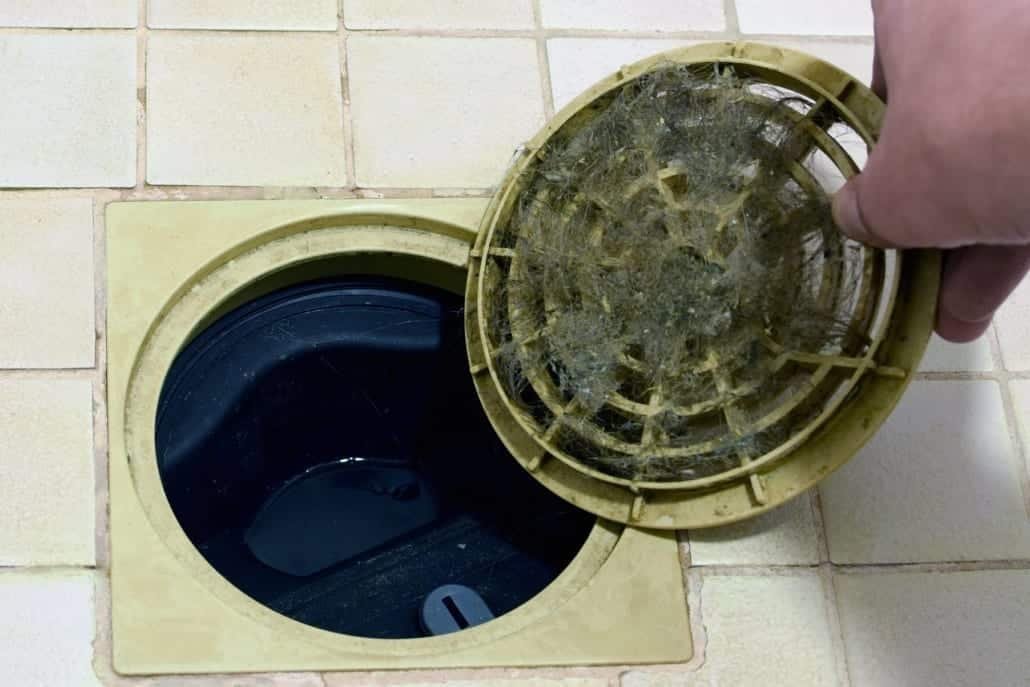
You can fix a shower smells like sewage by refilling the P-trap with water or clearing a blockage in your drain. This foul odor is most often caused by a dry P-trap, which allows sewer gases to enter your bathroom because there’s no water barrier to block them. If the trap is full and the smell persists, you likely have a clog in the pipe or a venting issue that needs professional help.
Why your shower smells like sewage
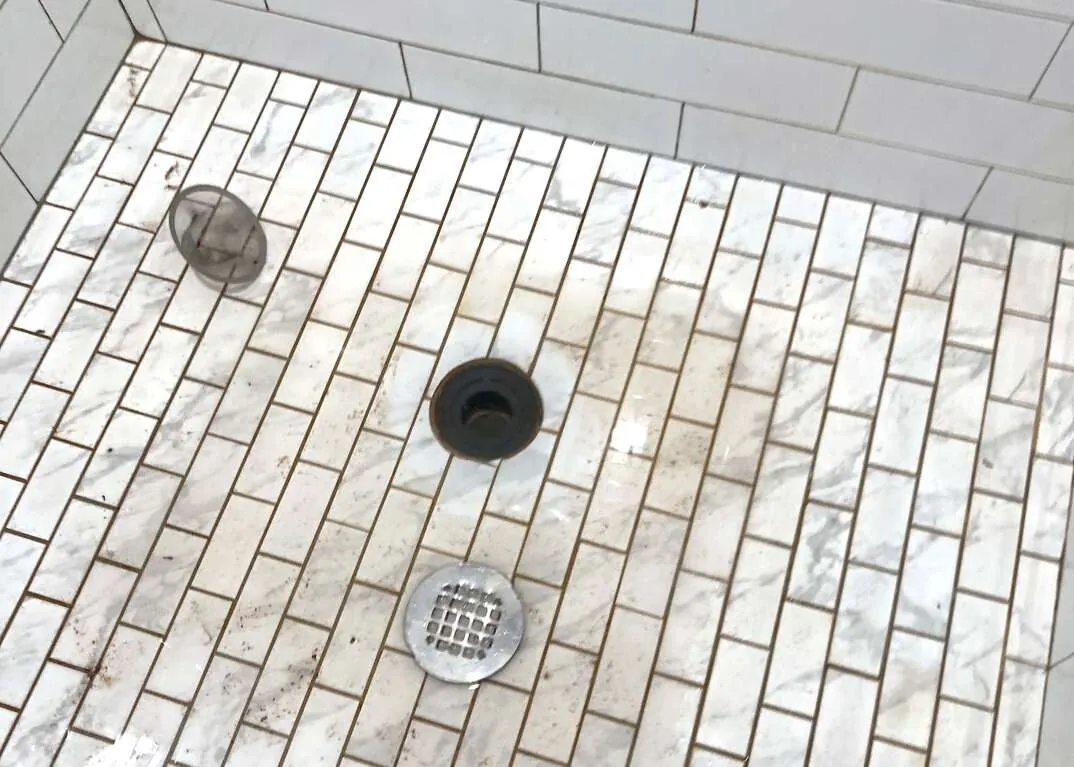
The main reason for a bad smell is a break in the plumbing seal. Beneath your shower drain sits a U-shaped pipe called a P-trap, which is designed to hold a small amount of water at all times. This water acts as a physical plug that prevents sewer gases from traveling up from the main line and into your home. When that trap dries out, the gas flows freely into your shower.
A trap can dry out if the shower hasn’t been used for several weeks, as the water evaporates. Another cause is a blocked vent pipe on your roof, which creates a vacuum effect that sucks the water out of the trap every time you flush a toilet or run another sink. If the trap is full but the smell remains, you may have organic debris, such as hair and soap scum, rotting inside the drain pipe.
Pour water down the drain
The simplest way to restore the seal is to pour one gallon of clean water directly into the shower drain. This replaces any water lost to evaporation. If the smell disappears within an hour, the dry trap was the only issue. This fix is for anyone who has been away from home or has a guest shower that sits unused for long periods.
If you notice the smell returns frequently even with regular use, it indicates that your drain pipe isn’t holding the water correctly or a vent is malfunctioning. In these cases, pouring water is only a temporary patch.
If you have to do this more than once a week, don’t try to fix the pipes yourself. You should call a licensed plumber to inspect your venting system, as they have the tools to check for blockages deep in the roof vents that you can’t reach safely.
Clear the drain of debris
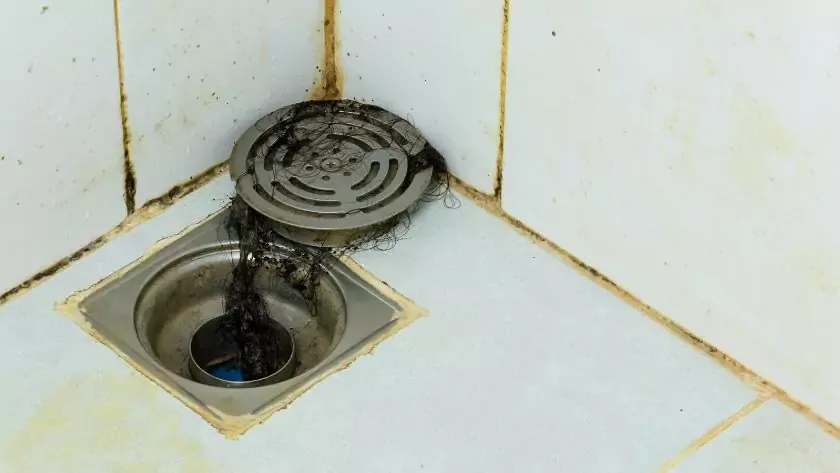
Sometimes the source of the smell isn’t the sewer line, but the accumulation of hair, skin cells, and soap residue trapped in the drain strainer. These materials trap moisture and rot, creating a smell very similar to sewage. Remove the drain cover using a screwdriver and pull out any visible hair or gunk with a plastic drain snake or a pair of needle-nose pliers.
After removing the debris, scrub the area with a stiff brush and a mild detergent to kill bacteria. If you pull out large amounts of hair, avoid using harsh chemical cleaners, as they can damage older plastic pipes or irritate your skin.
If the drain remains slow after you have cleared the debris, the blockage is likely further down the pipe. Never force a metal wire or a heavy-duty auger into the drain if you feel strong resistance, as this can crack the P-trap and lead to expensive water damage behind your walls.
Check for vent pipe issues
If the trap is full and the drain is clean, the issue is likely a blocked roof vent. These pipes allow air into your plumbing system to keep water moving smoothly, but they often get clogged by bird nests, leaves, or debris. When air can’t reach the pipes, it pulls the water out of your shower trap, breaking the seal.
This fix isn’t for those who are uncomfortable working on a roof or lack the proper safety equipment. If you suspect a vent issue, you must hire a professional roofer or a plumber to clear the obstruction.
Working on a roof carries a significant risk of falling, and attempting to clear a vent without the right knowledge can lead to improper sealing of the roof flashing. If you have confirmed the trap is full and the drain is clean, stop troubleshooting and call a professional to avoid risking your safety.
Common mistakes that make it worse
- Pouring bleach down the drain: This doesn’t remove the physical blockage causing the rot and can create dangerous fumes when mixed with other cleaning agents.
- Using a metal hanger to clear pipes: This often pushes the clog deeper into the drain or scratches the pipe interior, creating more surface area for future gunk to stick.
- Ignoring the smell for months: Small sewer gas leaks can lead to significant mold growth under the shower base, which is much costlier to repair than a simple drain blockage.
- Installing a new drain cover that isn’t airtight: A loose cover allows small amounts of gas to escape even if the trap is working perfectly.
Stopping future sewer smells

To keep your shower smelling fresh, you must ensure the P-trap remains full and the drain remains clear of organic buildup. If you notice a faint, sulfurous odor after a week of travel, the P-trap seal has likely evaporated, allowing sewer gases to bypass the barrier. Pour one quart of water down the drain monthly to reset this liquid lock.
Many homeowners mistakenly rely on caustic chemical cleaners to dissolve clogs. These agents often corrode older metal pipes and soften PVC joints, leading to costly leaks behind your walls. If your water drains slowly, use a plastic barbed drain snake instead. This tool physically removes the hair and soap scum mats that harbor bacteria.
If your shower drain sits beneath a bath mat, you’re likely restricting the essential airflow needed for the plumbing vent system. Trapped moisture under the rug promotes mold growth, which mimics the smell of a failed trap.
Related guides
Frequently asked questions
Can a shower smell like sewage if the drain is clean?
Yes, a shower can smell like sewage if the vent pipe on your roof is blocked or if the P-trap is being siphoned dry by a plumbing vacuum. If your drain is clean and the trap is full, the issue is almost certainly with your home’s air venting system. You should contact a plumber to inspect the roof vents for blockages that are preventing proper airflow.
How long does it take for a P-trap to dry out?
A P-trap typically dries out within 3 to 4 weeks of non-use, depending on the humidity and temperature of your bathroom. In dry, hot climates, water evaporates faster than in humid areas. If you know you’ll be away from home for more than a month, you can add a small amount of mineral oil to the drain to slow down the evaporation process.
Is it safe to breathe sewer gas?
No, it isn’t safe to breathe sewer gas for long periods because it contains hydrogen sulfide, which can be irritating or harmful at high concentrations. If you smell sewage in your bathroom, you should open a window to ventilate the area immediately. If you experience headaches or dizziness, leave the home and call a professional to address the leak.
Why does my shower smell only when it rains?
A shower smells when it rains because the change in air pressure or wind direction forces sewer gases through the vent pipe and back into your home. This usually happens when the vent is partially obstructed or the plumbing system isn’t properly balanced. A professional plumber can perform a smoke test to identify exactly where the gas is leaking into your bathroom.
How much does a plumber charge to fix a smell?
A plumber’s charge varies based on the specific cause, such as whether they need to clear a roof vent or repair a damaged pipe. Most simple drain cleanings or vent inspections fall within a standard service call fee, while replacing a broken P-trap requires more labor and parts. Always ask for an estimate before the work begins so you know the expected cost for your specific situation.
Conclusion
If the unpleasant scent lingers after you’ve tried these quick fixes, don’t hesitate to contact a local plumber. It’s better to address the problem early before it gets worse. They’ll have the right tools to check your vents and pipes, so you won’t have to deal with that bathroom odor anymore.