
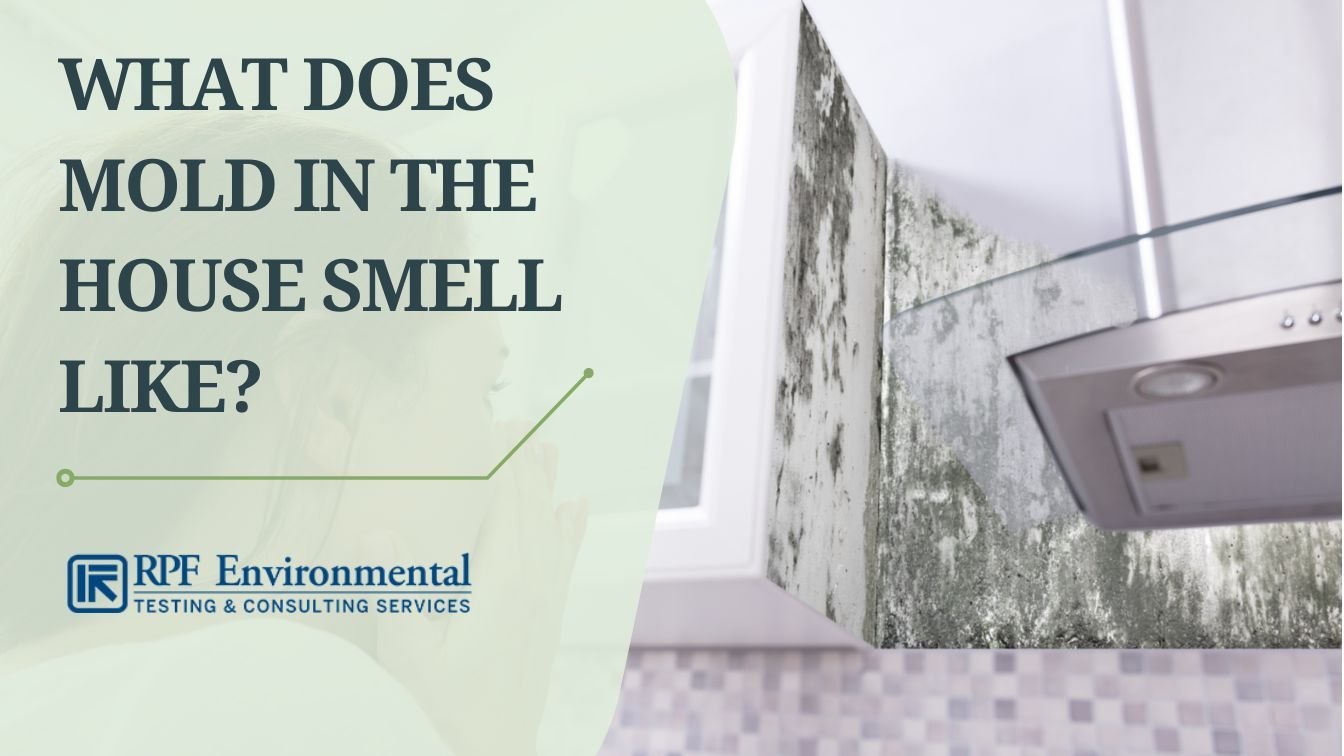
The quickest way to fix a house smells like mildew is to find the moisture source and dry it out immediately. Excess water or high humidity is almost always the culprit, as it allows mold spores to grow on organic surfaces like drywall, carpet, or wood. If you can see the growth, you must remove the moisture first; otherwise, the smell will simply return after you clean.
Why your house smells like mildew

When you notice a dank, earthy scent in your living space, it indicates that mold or mildew is actively growing somewhere out of sight. The primary driver is moisture, which can come from hidden leaks, condensation, or poor ventilation. If your home has a crawl space or basement, these areas are common breeding grounds because they often lack airflow and stay cool, which keeps humidity levels high.
Another frequent cause is poor ventilation in bathrooms or kitchens. When steam from a shower or stove can’t escape, it settles on cool surfaces like ceilings or behind cabinets. Over time, this creates a perfect environment for spores to settle and colonize. According to the United States Environmental Protection Agency, mold will grow on virtually any substance if moisture is present, so managing water intrusion is the only way to stop the process.
Clear blockages in your ventilation
If you suspect the smell is trapped in your air supply, you should check your HVAC system. A dirty filter or a clogged condensate drain line can trap water, leading to a musty odor that spreads through the house whenever the fan runs. If you have a central air system, replace the air filter based on your usage and the recommendations found in your owner’s manual.
Check the drain line on your indoor cooling unit to ensure it isn’t blocked by debris or algae. If you see water pooling around the base of your unit, turn off the system and contact a professional technician for help. This isn’t a job for a beginner, as clearing internal lines requires specific tools and risks damaging the delicate cooling fins. If you can’t reach the unit safely, don’t attempt to force it open.
Improve airflow in damp rooms
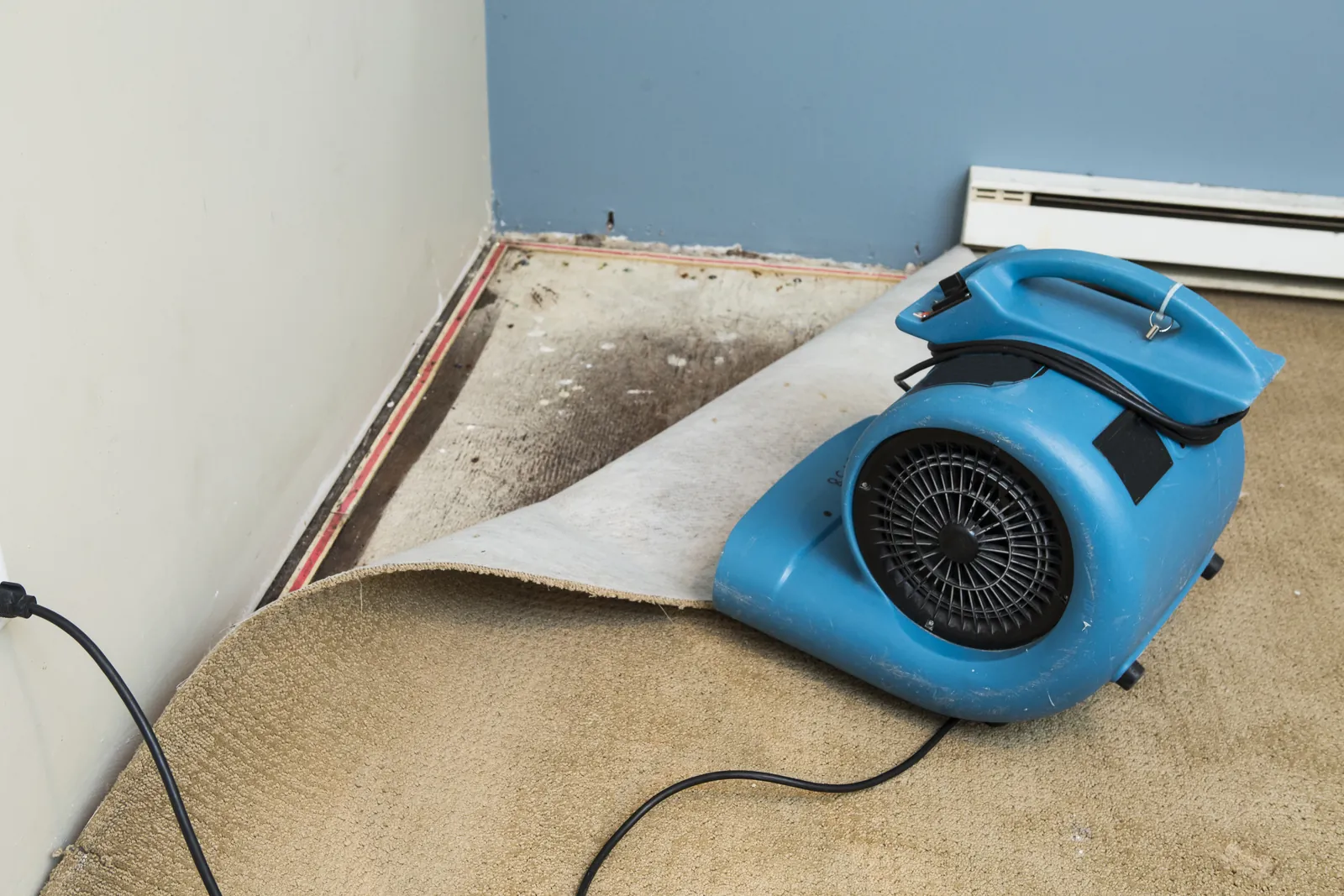
To reduce the moisture levels in specific rooms, you need to increase air circulation. Use a dehumidifier in basements or bathrooms to keep the relative humidity below 60 percent. If you don’t have a machine, keeping interior doors open and using small fans to move air into corners can prevent stagnant pockets from forming. This fix is ideal for rooms that feel “heavy” or damp after a shower or during rainy weather.
When you use a dehumidifier, make sure to empty the water reservoir daily to prevent it from becoming a source of moisture itself. If the smell persists after a week of consistent dehumidification, the mold may be growing inside the walls or under the flooring. In these cases, you’ll need a professional to perform a moisture mapping test to find the exact location of the hidden growth.
Professional help for hidden damage
If the smell is overwhelming or you have a history of major water damage, you may have a large-scale issue behind your walls. This is common if you have had a burst pipe or a roof leak that was never fully dried. A professional mold remediation company has the equipment to measure humidity inside wall cavities and can safely remove contaminated materials without spreading spores throughout your home.
If you’re experiencing health symptoms like coughing or sneezing, or if you see large patches of black or green growth, don’t attempt to clean it yourself. Professional remediation ensures that the underlying cause is addressed before any cosmetic repairs are made. This investment is worth the cost because it prevents the structural decay that happens when water is left to sit inside the framing of a house.
Common mistakes to avoid
Spraying air fresheners only masks the scent while leaving the active spores to colonize further. You’re merely buying time until the colony grows large enough to become a respiratory hazard.
Painting over a damp spot traps moisture against the surface, which will eventually cause the finish to bubble and flake as the trapped water forces its way out.
Bleach is ineffective on porous surfaces like drywall or wood. It kills surface growth but fails to penetrate the root-like hyphae deep inside the material. If the material remains soft or discolored after cleaning, you must cut it out and replace it entirely.
Small leaks under sinks often cost very little to fix compared to the alternative. Ignoring them for a single season invites subfloor rot that can easily lead to much more expensive structural repairs.
Preventing future moisture buildup

The best way to keep your home smelling fresh is to maintain a dry environment by controlling how water moves through your space. Compare your current habits with these recommended actions to see where you can improve.
| If you’re doing this | Do this instead | Why |
|---|---|---|
| Drying laundry inside | Use an outdoor line or dryer vent | Indoor drying adds gallons of water to the air |
| Keeping windows closed | Open them on dry, breezy days | Fresh air replaces stagnant, humid indoor air |
| Ignoring condensation | Wipe windows and sills daily | Standing water invites mold growth on frames |
| Leaving fans off | Run exhaust fans 20 minutes after bathing | Fans pull steam out before it can condense |
Frequently asked questions
Can I just use bleach to kill the mold?
No, bleach isn’t effective for porous surfaces like wood or drywall because it can’t reach the roots of the mold. It will kill the surface growth, but the moisture inside the material will allow the mold to grow back within a few weeks. Use a specialized mold remover or soap and water for non-porous surfaces, and replace any porous material that has been soaked.
How long does it take for mold to grow?
Mold can start to grow in as little as 24 to 48 hours if a surface remains damp. The speed of growth depends on the temperature and the amount of moisture present in the air or the material itself. If you have a spill or a leak, you must dry the area completely within the first two days to prevent a colony from forming.
Is it safe to stay in the house with this smell?
It depends on your personal health, but you should address the issue quickly if you notice a strong, persistent odor. If you have asthma, allergies, or a weakened immune system, you may be more sensitive to mold spores in the air. If the smell is making you feel ill, it’s safer to stay elsewhere until a professional has inspected the home and cleared the air.
How much does professional mold removal cost?
It varies significantly based on the size of the area and the extent of the damage. Small, localized removals are inexpensive relative to the alternative, while large-scale remediation can be quite costly. You should get at least three quotes from licensed companies to ensure the price is fair for your specific situation and the amount of work required for your home.
Why does my house smell like mildew only when it rains?
This happens because rain increases the humidity levels and can reveal leaks in your roof, windows, or foundation. When these areas get wet, the trapped moisture begins to off-gas that distinct musty smell. Check your gutters to ensure they’re moving water away from the house, as poor drainage is a common way for water to enter your basement during a storm.
How do I know if I have hidden mold?
You likely have hidden growth if you can smell a strong, earthy odor but can’t see any visible patches of mold. Other signs include wallpaper that’s peeling, walls that feel soft or damp to the touch, or recurring respiratory issues that get worse when you’re inside. If you suspect this, a professional inspector can use thermal imaging cameras to find cold, wet spots in your walls.
Conclusion
Once the area is dry and the air feels fresh again, keep a close eye on those damp corners. It’s a good idea to run a dehumidifier during humid months to prevent the problem from coming back. You’ll feel much better knowing your home is finally healthy and comfortable for everyone.