
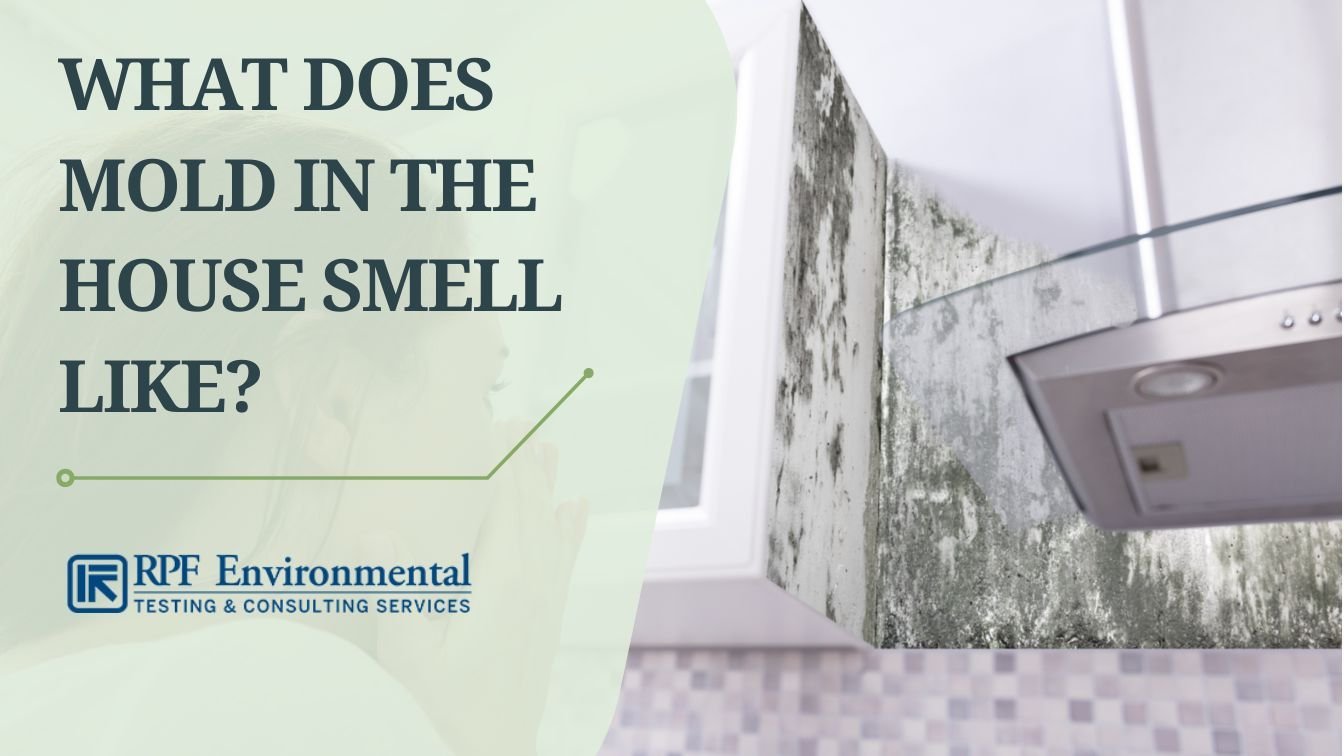
If you notice that your house smells like mold, you should first check for active water leaks or damp areas in basements, bathrooms, and crawl spaces. This smell usually comes from fungal growth caused by trapped moisture, poor ventilation, or high humidity levels that allow spores to colonize indoor surfaces. You can manage these damp conditions effectively by following the Environmental Protection Agency guidelines on moisture control.
Why your house smells like mold
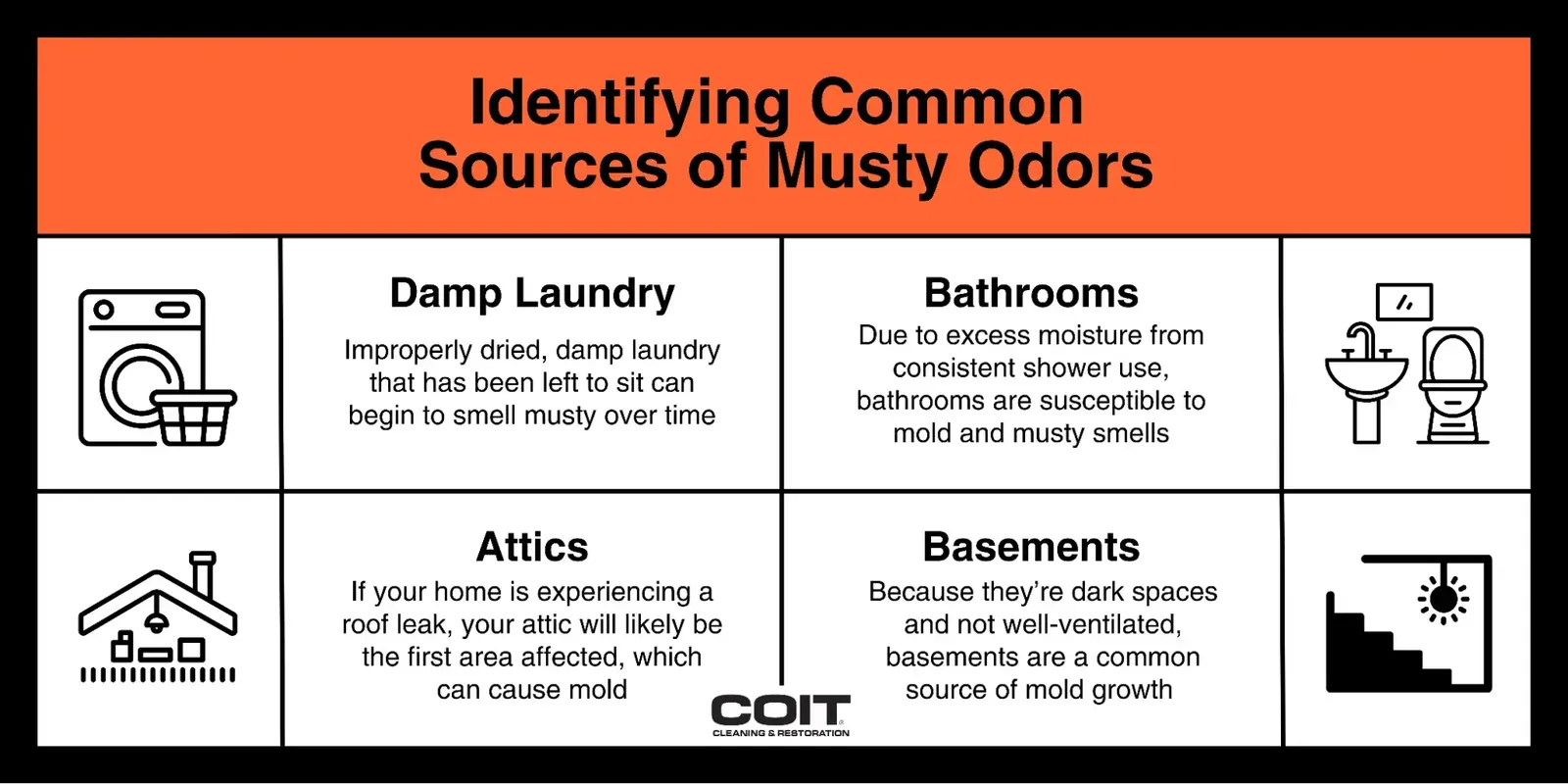
The primary cause of this scent is excess moisture that has remained stagnant for over 24 to 48 hours. When materials like drywall, wood, or carpet stay wet, they provide the perfect environment for mold to grow. This often happens behind furniture, under sinks, or inside wall cavities where air doesn’t circulate well.
Another common cause involves mechanical issues with your home systems. If your HVAC unit has a clogged condensate drain line, water can pool in the drip pan. This standing water becomes a breeding ground for biological growth, which then blows a musty scent through your air vents whenever the fan turns on.
Finally, consider the humidity levels in your living space. If the indoor relative humidity stays consistently above 60 percent, mold can begin to grow on surfaces even without a major plumbing leak. Poorly ventilated attics and bathrooms allow this moisture to accumulate, creating that persistent, damp smell that indicates you have an underlying issue.
Find and fix water leaks
Start by inspecting every room for visible signs of water damage. Look for soft baseboards, peeling paint, or dark spots on ceilings and walls. If you find a wet area, you must stop the water source immediately to prevent further growth. For minor plumbing leaks under a sink, tightening a loose connection or replacing a worn washer might solve the problem.
If the water is coming from a structural issue like a roof leak or a crack in the foundation, you should contact a professional contractor. These repairs often involve specialized tools and safety gear to ensure the area is properly dried and sealed.
Don’t attempt to fix major structural damage yourself, as this can lead to further property damage or safety hazards. If you’re unsure where the water is coming from, a home inspector can help you locate hidden leaks inside your walls.
Clean and dry damp surfaces

Once you have stopped the water source, you need to clean the affected areas to remove existing spores. For hard, non-porous surfaces like tile or glass, use a simple mix of soap and water to scrub the area thoroughly. After cleaning, ensure the surface is completely dry to prevent a recurrence of the smell. If the mold covers a large area, you may need to consult with a professional remediation service to avoid breathing in large amounts of spores.
If the odor is coming from soft materials like carpet or upholstery, these items may be difficult to save. If they have been wet for a long time, they often need to be removed and replaced. Always wear protective equipment like gloves and an N95 mask if you’re handling materials with visible mold. If you have underlying health conditions or respiratory issues, have someone else manage the cleanup process to keep yourself safe.
Manage humidity with ventilation
You can reduce the risk of recurring mold by improving airflow throughout your home. Use exhaust fans in every bathroom whenever you shower, and keep them running for at least 20 minutes afterward to clear the steam. In the kitchen, always use the range hood while cooking to vent moisture outside rather than letting it settle on your walls.
If you live in a humid climate, a dehumidifier is a great way to keep your indoor air dry. Aim to keep your indoor humidity levels between 30 and 50 percent for the best results. You should check your humidity readings regularly using a simple hygrometer from a hardware store. If you find that the smell returns even after you keep the air dry, there might be a hidden leak that requires a professional to locate and repair.
Habits that make mold worse
Leaving wet towels on the floor traps moisture against flooring, creating a perfect incubator for mold. Hang towels on racks immediately after use to ensure they dry completely. If you lack space, install a wall-mounted hook rather than letting fabric sit against wood or carpet.
Blocking air vents with furniture stops air from circulating, which creates stagnant pockets of humidity. Keep at least six inches of clearance between your furniture and any vent. If your room feels stuffy or smells musty, your layout is likely choking the airflow.
Storing cardboard boxes in damp basements is a common error. Cardboard is porous, absorbing basement moisture and providing a cellulose food source for mold. Replace these with airtight plastic bins to protect your belongings.
Ignoring minor plumbing drips is a costly mistake. A slow leak keeps wall cavities perpetually damp, allowing mold to colonize hidden spaces. If you see a drip, fix the seal immediately.
Preventing moisture and odors
Preventing a musty smell requires constant attention to your home’s moisture levels. By replacing habits that trap water with ones that promote airflow, you can keep your living space fresh and healthy.
| If you’re doing this | Do this instead | Why |
|---|---|---|
| Leaving bathroom doors closed | Leave doors open | Increases airflow to dry surfaces |
| Pushing furniture against walls | Leave a small gap | Allows air to circulate behind items |
| Drying laundry inside | Use a dryer vent | Prevents high humidity in the room |
| Keeping basement windows shut | Use a dehumidifier | Controls moisture without outdoor air |
Frequently asked questions
Can a house smell like mold without visible growth?
Yes, you can often smell mold before you see it because the growth is likely hidden behind walls, under floors, or inside your HVAC ducts. The scent is caused by microbial volatile organic compounds released by the fungi. If you smell it consistently, you should investigate areas with poor ventilation or check for signs of water damage in your attic and basement.
How long does it take for mold to grow?
Mold can begin to grow within 24 to 48 hours once moisture settles on a surface. This timeline assumes the temperature and humidity levels are favorable for biological growth. Because it happens so quickly, you must address any water spills or leaks immediately to stop the spores from taking root in your furniture, drywall, or carpet.
Is it safe to stay in a house that smells like mold?
No, it isn’t recommended to stay in a house with a strong mold smell, especially if you have asthma, allergies, or a weakened immune system. Exposure to mold spores can cause respiratory irritation and other health symptoms. If you can’t identify and fix the source of the smell quickly, you should consult a professional to ensure your home environment is safe.
How do I get rid of the smell in my basement?
You should first remove any damp items and run a dehumidifier to lower the humidity level below 50 percent. If the smell persists, check for cracks in the foundation or leaking pipes that allow water to enter the space. Once the area is dry, cleaning hard surfaces with soap and water will help remove the lingering odor from the air.
Can my HVAC system cause the mold smell?
Yes, a dirty or clogged air conditioning system is a common source of musty odors in a home. If the condensate pan doesn’t drain properly, water will sit and grow mold, which then gets pushed into your rooms. You should have a professional clean your ducts and check your unit’s drainage system to stop the smell at the source.
Conclusion
Maintaining a dry home is the best way to prevent these issues from starting in the first place. If you find that the smell returns even after you have controlled humidity and cleaned your surfaces, don’t hesitate to call a professional. They have the right tools to find hidden leaks and safely remove mold that might be out of reach for a typical homeowner.