
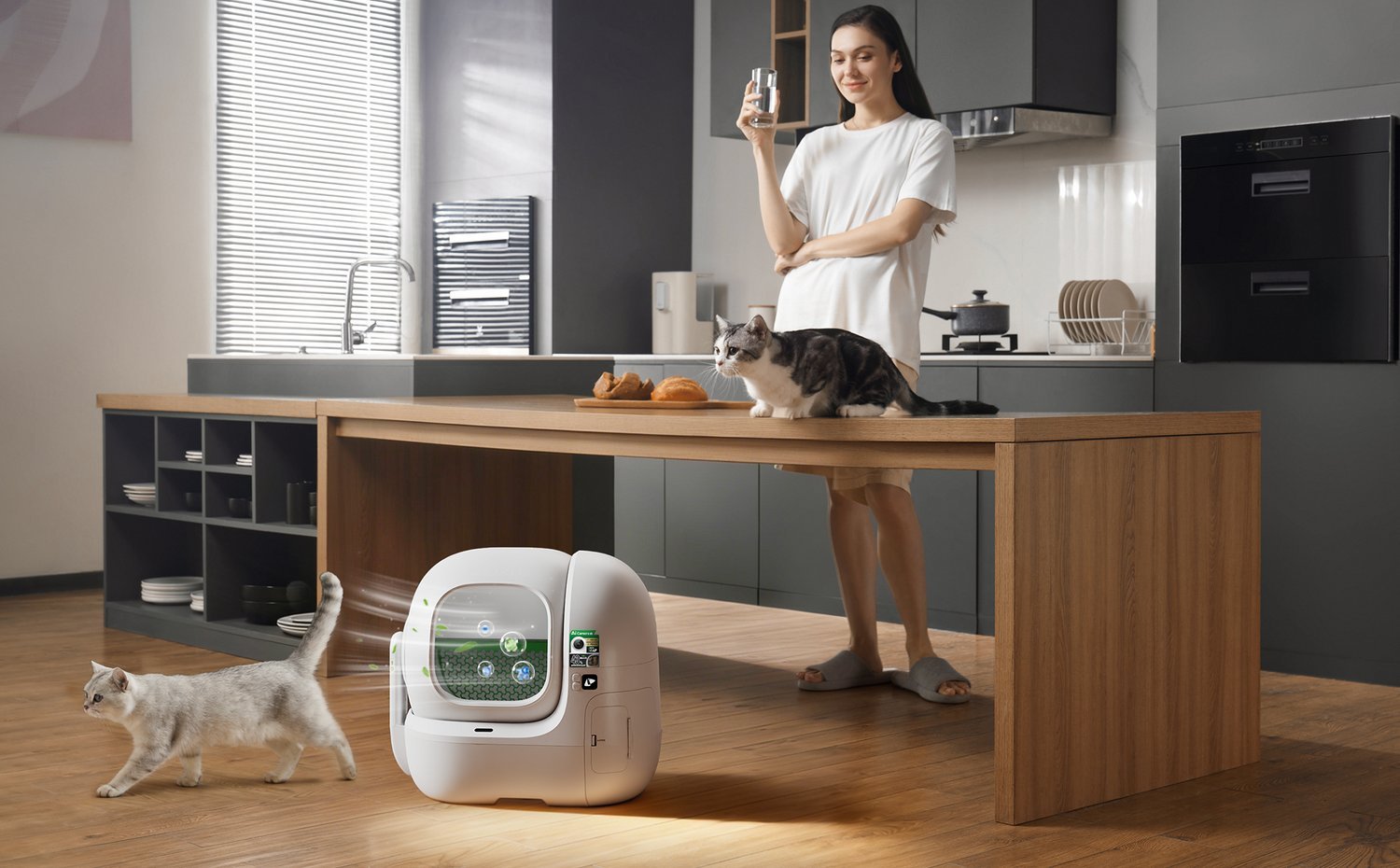
You can achieve effective litter box smell control by scooping waste daily, replacing the entire litter supply every two to four weeks, and using an unscented, clumping clay or silica product. Keeping the box in a well-ventilated area ensures that odors don’t linger in your living space. This straightforward routine works best for cat owners who prefer a clean home without relying on harsh chemicals.
Litter supplies for better smell control
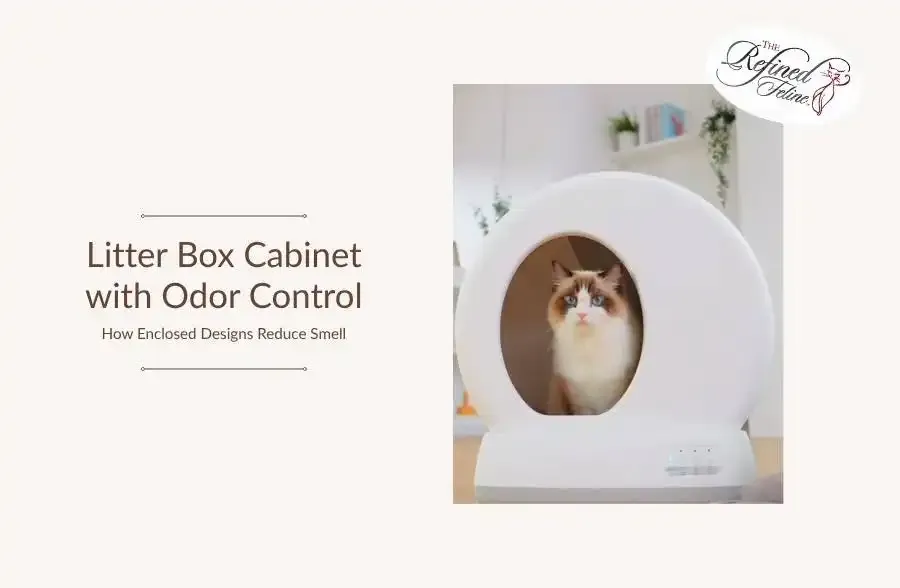
To keep your cat’s area clean, you need a few reliable items. Having the right tools makes the daily chore faster and stops odors from building up in your home.
- A high-quality litter scoop with a long handle to reach deep into the box.
- Unscented clumping litter, which is often better at trapping odors than scented versions.
- A dedicated waste bin with a tight-fitting lid to seal away scooped clumps.
- A mild dish soap or an enzymatic cleaner for washing the box itself.
- Disposable gloves to keep your hands clean while handling waste.
- A plastic or stainless steel litter box that’s large enough for your cat to turn around in.
If you can’t find an enzymatic cleaner, simple dish soap and warm water work well for routine washing. Never use ammonia-based cleaners, as they share a chemical scent profile with cat urine and might encourage your cat to mark the box area. For specific advice on safe cleaning agents, check the pet health guidelines published by the American Veterinary Medical Association.
Daily steps for a clean box
Follow these steps to maintain a fresh environment for your pet. Adjust your speed based on how many cats you have; each cat needs their own box plus one extra.
- Scoop all waste clumps and solid matter once every 24 hours.
- Add fresh litter to maintain a depth of about 3 inches, which helps clumps form before they hit the bottom.
- Scrub the entire box with warm water and mild soap once a month.
- Dry the box completely before adding new litter, as moisture causes clumps to stick to the plastic.
- Replace the entire batch of litter every two to four weeks, depending on the number of cats.
Tip: If you see your cat avoiding the box, it might be too dirty or the litter depth is wrong. Careful: Never use plastic liners if your cat tends to scratch, as they can trap odors and harbor bacteria in the small tears.
How conditions change the effort

The time and effort you spend depends on your specific home setup. Small changes in your routine can stop odor before it starts.
| Situation | Frequency | Cost | Watch for |
|---|---|---|---|
| Single cat | Daily | Low | Clump firmness |
| Multiple cats | Twice daily | Medium | Box availability |
| Small apartment | Daily | Low | Air circulation |
| Older cats | Twice daily | Medium | Tracking litter |
If you own more than one cat, apply the N+1 rule: provide one more litter box than the total number of cats in your home. This prevents territorial disputes that often lead to cats avoiding the box entirely.
In a small apartment, place your boxes in quiet, low-traffic areas with adequate ventilation rather than tucked away in closets. Stagnant air traps moisture, which accelerates bacterial growth and ammonia buildup.
If you notice your cat lingering in the box for long periods, consult a vet immediately. This behavior often signals a urinary tract infection rather than a litter preference issue. You can waste weeks switching brands when the real cost is a mounting medical bill. Always prioritize box accessibility over aesthetic placement to ensure your cat remains healthy and consistent.
Judging your results
A clean box should have almost no detectable odor when you walk into the room. If you smell ammonia, the litter is likely saturated or the box plastic has absorbed urine over time. This happens because porous plastic holds onto bacteria that standard soap can’t reach.
To prevent this, replace your plastic litter box every year, or choose a stainless steel model that doesn’t hold odors and lasts for many years.
If you notice a lingering scent even after a full scrub, perform the scratch test. Run a fingernail along the bottom of the box. If the plastic feels rough or shows deep scoring, the material has degraded and must be discarded. A smooth surface is the only way to ensure proper hygiene. If you have multiple cats, replace plastic boxes every six months to avoid cross-contamination.
Rules for maintenance and hygiene
Always wash your hands thoroughly with soap and water for at least twenty seconds after handling any part of the litter system. The Centers for Disease Control and Prevention advises that pregnant women should avoid changing litter boxes entirely to prevent exposure to Toxoplasma gondii.
If you can’t avoid this chore, wear disposable gloves and a face mask to create a physical barrier against airborne particles. After you finish cleaning, wipe down the floor area with a disinfectant to remove dust or stray granules.
Avoid using a vacuum on large amounts of tracked litter, as the abrasive granules can damage vacuum components and clog filters. If you see scattered granules, sweep them up with a damp paper towel instead. These small habits stop bacteria from spreading through your home and keep the area hygienic for everyone.
Other ways to manage odor
Using automatic litter boxes
These machines scoop waste into a sealed compartment immediately after your cat leaves. This reduces the time waste sits in the open, which cuts down on odors. However, they cost more and require a power outlet, plus some cats find the mechanical noise startling.
Choosing crystal litter
Silica gel crystals absorb liquid and dehydrate solid waste faster than clay. This can lead to better odor control, but you must stir the crystals daily to ensure they work evenly. If you don’t stir them, the bottom layer can become damp and start to smell.
Adding odor-absorbing additives
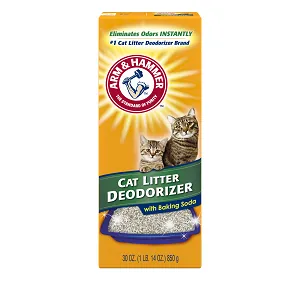
Some owners use baking soda or specialized charcoal filters to help neutralize the air. These are helpful if your box is in a closet or a small bathroom. Remember that these are just extra help; they can’t replace the need for daily scooping and regular total litter changes.
Related guides
- Dog Smells Like Fish From Back End: Causes and Solutions
- 7 Best Digital Picture Frames for Your Home Photo Display in 2026
Frequently asked questions
Can I use baking soda to stop smells?
Yes, sprinkling a thin layer of baking soda on the bottom of the box before adding litter helps neutralize acidic odors. Don’t use too much, as some cats are sensitive to the texture or smell of additives. If your cat stops using the box after you add it, remove the baking soda and clean the box thoroughly.
How often should I wash the box?
You should wash the entire box with mild soap and water once every four weeks. If you notice a lingering smell after washing, it’s a sign that the plastic is scratched and holding onto bacteria. In that case, you should replace the box to ensure your cat stays comfortable and the area remains sanitary.
Why does the box smell even after I scoop?
It often smells because the urine has reached the bottom of the box and soaked into the plastic. If you use a thin layer of litter, this happens quickly. Increase your litter depth to 3 inches so that clumps form before they reach the bottom surface of the box.
Is it safe to use scented litter?
No, it’s usually better to avoid scented litter because cats have a very sensitive sense of smell. What smells like “fresh linen” to you might be overwhelming or irritating to your cat. If the box smells, it’s better to clean it more often rather than trying to cover the smell with artificial fragrances.
How many litter boxes do I need?
You need one litter box per cat, plus one extra box for the household. This ensures that no cat has to wait to use a clean box, which prevents accidents and keeps the overall odor levels much lower. If you have two cats, you should have three boxes placed in different areas of your home.
Conclusion
Creating a fresh environment doesn’t have to be a chore. If you’re still noticing a lingering scent, try adding a thin layer of baking soda to the bottom of the tray before pouring in fresh litter. You’ll find that these small, consistent habits make a big difference in keeping your home smelling great.