

You must leave your home immediately and call your utility company or 911 if a kitchen smells like gas, as this indicates a dangerous leak. Don’t turn any light switches on or off, don’t use your phone inside the house, and don’t light any matches or lighters. A buildup of natural gas or propane can cause an explosion or fire if it reaches the right concentration in your home air.
Immediate Steps to Stay Safe
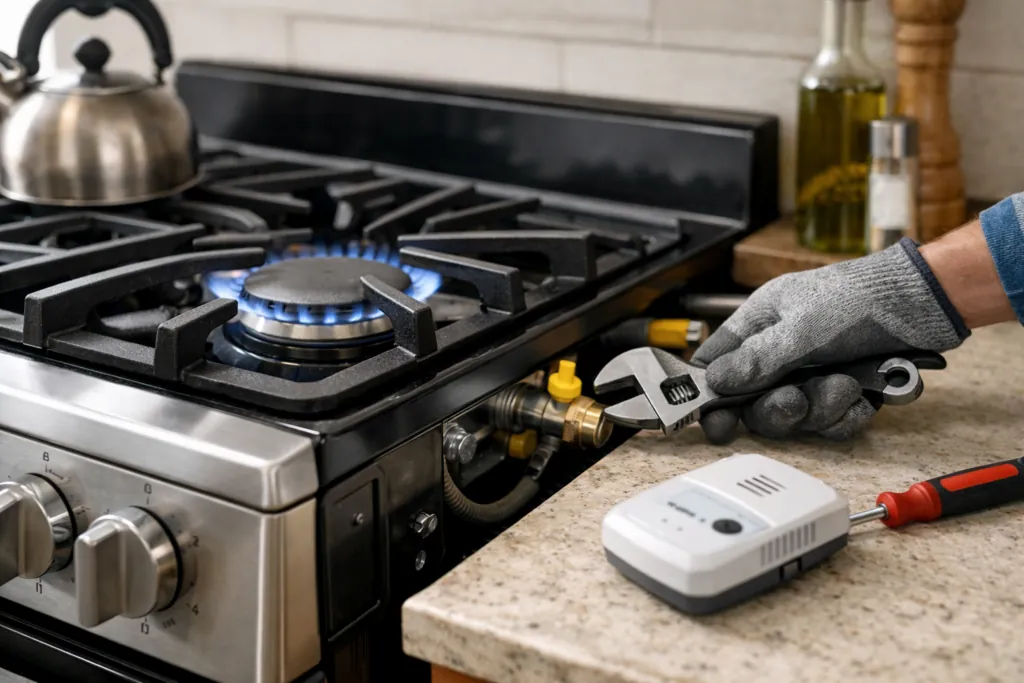
Evacuate everyone from the house, including pets, and leave the door open as you exit. Leaving the door ajar allows gas to dissipate, reducing the risk of a concentrated pocket that could ignite.
Move to a safe location away from the building before you use your cell phone.
Call your local gas utility provider or emergency services only after you have reached that safe distance. Don’t attempt to find the leak yourself or turn off any valves unless you’re already standing outside at the main shut-off valve. If you’re inside, turning a metal valve can create a spark; leave that task to trained professionals equipped with non-sparking tools.
Understanding Gas Leak Symptoms
The distinctive smell of sulfur or rotten eggs is added to natural gas and propane by utility companies, as these gases are naturally odorless. This chemical, called mercaptan, is designed to be detectable even at very low levels of concentration in the air. If you notice this scent, it means there’s gas present, though it doesn’t tell you the exact size of the leak.
The mechanism behind this smell usually involves a loose connection, a damaged supply hose, or a pilot light that has blown out on a stove. If the pilot light is out, the gas flows continuously into your kitchen without burning.
Other possibilities include a faulty internal valve inside the oven or a degraded seal on the gas line behind the appliance. According to the Pipeline and Hazardous Materials Safety Administration, you should treat any odor as a real emergency and never assume it’s just a minor draft or a temporary issue.
Identifying Why Your Kitchen Smells Like Gas
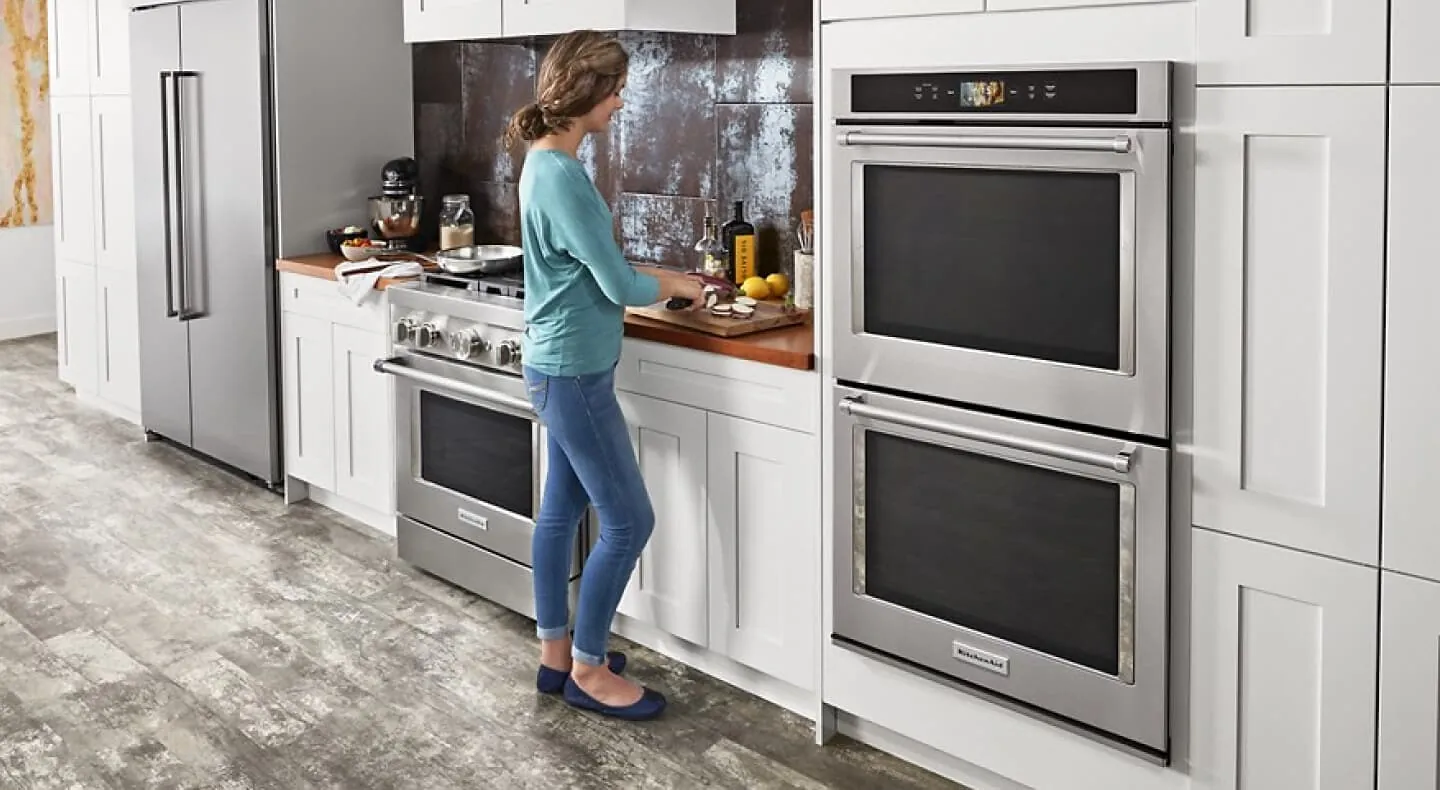
Focus your attention on the gas appliances, but only if you can do so from a safe distance without lingering in the area.
Check the stove knobs
Ensure all burner knobs are in the “off” position and haven’t been bumped partially open. A knob turned just slightly can allow enough gas to escape to fill a room with a noticeable smell within a short time.
Check the pilot light
Look at the stove burners to see if a flame is burning when it should be. If you have an older stove with standing pilots, a draft may have extinguished the flame while the gas valve remained open.
Inspect the supply hose
Check the flexible metal or rubber hose connecting the stove to the wall pipe for any visible kinks or cracks. If the hose looks brittle or shows signs of wear, it may be leaking gas directly into the space behind the kitchen cabinets.
Check the wall valve
Verify that the shut-off valve behind the stove is fully open or fully closed as intended. Sometimes these valves can be bumped or loosened during routine cleaning, leading to a small but steady leak at the connection point.
Fixing the Problem
If you have confirmed that a burner knob was simply left on, turn it firmly to the off position and ventilate the room by opening windows. If the smell persists after a few minutes of ventilation, you must assume the leak is deeper within the system, such as a damaged regulator or a leaking internal pipe.
The most common mistake people make is trying to “sniff out” the leak by getting their face close to the floor or the back of the stove, which exposes them to high concentrations of gas.
If the smell doesn’t disappear after you ensure all knobs are closed and the room is aired out, you must stop all efforts to fix it. A professional repair involves specialized tools to test pressure and seal connections, which aren’t available to the average homeowner.
If you hear a hissing sound or smell a very strong odor, don’t try to fix the appliance yourself, as the risk of fire is too high. A successful fix is confirmed when the smell is completely gone and a professional has verified that the gas pressure in your home lines is holding steady.
When to Call a Professional

Stop your investigation the moment you realize the smell isn’t coming from a simple, easily corrected knob position. If you can’t identify a clear source like an unlit pilot or a partially open knob, you must call a licensed plumber or your gas utility company immediately.
These professionals use combustible gas indicators to detect invisible leaks that your nose might miss. They possess the specific training to replace faulty supply lines or corroded valves safely. Never attempt to tighten or replace gas fittings yourself. A small error in torque can crack a fitting, leading to a massive, uncontrollable leak.
If the odor persists after you have checked the stove, assume the leak is inside the walls or beneath the floorboards. In these cases, leave the building immediately and call from a safe distance outside. Don’t flip any light switches or use your phone while inside, as a single spark can trigger an explosion.
Related guides
- Dog Smells Like Fish From Back End: Causes and Solutions
- How Long Does Wet Wood Take to Dry: A Practical Guide in 2026
- How Long Does Bondo Take to Dry: Accurate Cure Time Guide in 2026
Frequently Asked Questions
Is it safe to stay in the house while I wait for help?
No, it isn’t safe to remain inside because natural gas can displace oxygen and reach explosive levels quickly. You must exit the building immediately and wait for emergency responders or utility technicians to arrive at a safe distance from your home.
How long does it take for a gas smell to go away?
If the scent lingers longer than this, it confirms that gas is still actively leaking into your kitchen from an unresolved source.
Does a small gas smell mean there’s a big leak?
A small smell can come from a very large leak, so you should never judge the danger based on the strength of the odor. The intensity of the scent depends on the air circulation in your kitchen and the distance from the leak source, not just the volume of gas escaping.
Can I use my oven if the smell is faint?
No, you must never use the oven or any gas appliance if you smell gas under any circumstances. Using a device that requires ignition when gas is present in the air poses an immediate fire and explosion risk that could destroy your home.
Does a gas leak always make a hissing sound?
No, most gas leaks don’t make any sound at all, even when they’re significant enough to be dangerous. You should rely on the smell of the added odorant rather than listening for a hiss to determine if there’s a problem.
What happens if I turned the stove off and the smell is still there?
If the smell remains after you turn off all appliances, there’s likely a leak in the supply line or the wall connection. You must leave the house and call your utility company immediately because the leak is outside the control of the stove knobs.
Is a gas leak covered by home insurance?
Most homeowner insurance policies cover damage caused by gas leaks, but this depends on the specific terms of your policy. You should check your policy documents or contact your provider to understand your coverage for sudden accidental releases of gas.
Conclusion
If you suspect a gas leak, your only priority is to get everyone to safety. Don’t waste time trying to find the source or cleaning up, as the risk to your life and property is far greater than any inconvenience of calling for help. Utility companies provide emergency leak inspections as a standard safety service, and they’re the only people who should be handling these repairs.