
You can fix the problem when your hair smells bad by washing it thoroughly with a clarifying shampoo to remove trapped oils and product buildup. This issue is most often caused by sebum—the natural oil your scalp produces—mixing with sweat, dead skin cells, and bacteria that thrive in a warm, damp environment. When this mixture sits on your hair for too long, it creates a noticeable, unpleasant odor.
Why your hair smells bad
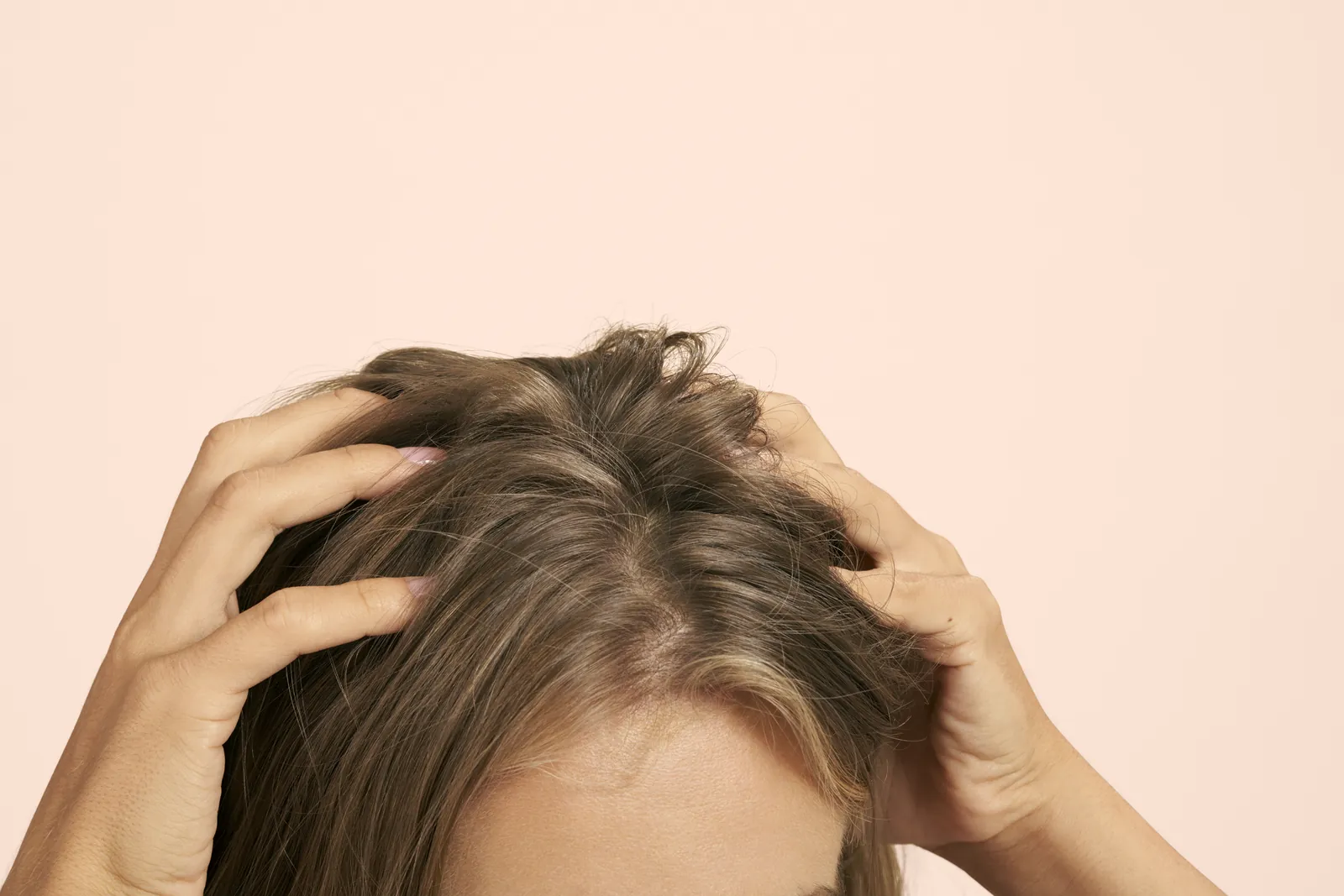
The primary reason for scalp odor is the accumulation of sebum. Your scalp contains many sebaceous glands that produce oil to keep your skin hydrated. If you go several days without washing, these oils gather at the base of the hair follicles. Bacteria naturally present on your skin feed on these oils and sweat, breaking them down into fatty acids that produce a strong, sour smell.
Environmental factors also play a significant role in how your hair retains scents. Your hair acts like a porous sponge, absorbing smoke, pollution, and cooking odors from the air. If your scalp is already oily, these external smells stick to the hair shaft much more easily. Hormonal changes, stress, and high humidity can further increase oil production, making the odor harder to manage.
Use a clarifying shampoo
A clarifying shampoo is designed to provide a deeper clean than standard daily shampoos. It contains stronger surfactants that strip away stubborn residue from styling products, minerals from hard water, and excess sebum. You should use this type of shampoo only once every 1 to 2 weeks, as using it too often can dry out your hair and cause your scalp to produce even more oil to compensate.
To use it effectively, massage the shampoo directly into your scalp for at least 60 seconds. Focus on the roots where oil buildup is highest rather than the ends of your hair, which may become brittle if over-cleansed. Rinse your hair with lukewarm water until the suds are completely gone.
If you have color-treated hair, check the bottle label to ensure the formula is safe, as some clarifying agents can cause premature fading. If you find your hair feels straw-like after washing, follow up with a light conditioner applied only to the bottom half of your hair.
Improve your washing technique
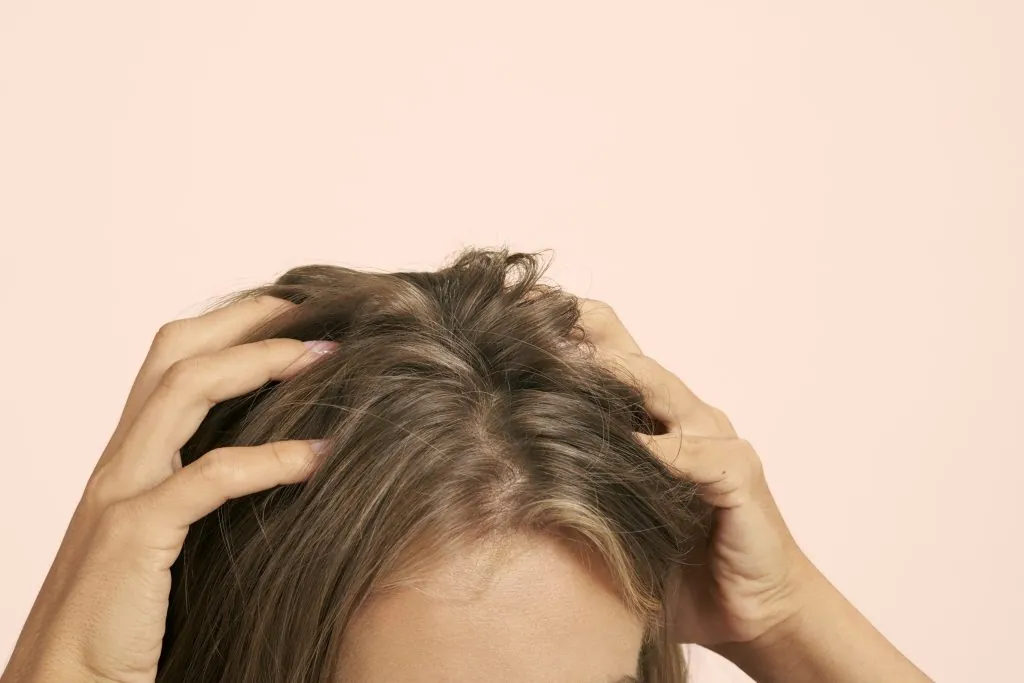
Many people make the mistake of scrubbing only the mid-lengths of their hair while ignoring the scalp. To stop odors, you must physically lift the oil and debris from the skin at the base of your hair. Use the pads of your fingers—never your fingernails—to massage your scalp in small, circular motions. This mechanical action is what breaks the bond between the oil and your skin, allowing the shampoo to wash it away.
If you struggle with thick hair, divide it into four sections before you begin washing. This ensures you reach every part of your scalp, especially the nape of your neck and behind your ears, where sweat often pools. Rinse your hair for at least 30 seconds longer than you think is necessary.
Residual soap left on the scalp can attract dirt and dust, which quickly turns into a breeding ground for odor-causing bacteria. If your hair still feels greasy immediately after drying, you likely need to spend more time rinsing or use a slightly larger amount of shampoo.
Incorporate scalp exfoliation
If regular washing doesn’t solve the odor, you may have a buildup of dead skin cells that traps bacteria against the scalp. A scalp scrub or a chemical exfoliant containing salicylic acid can clear these pores and refresh the skin. This step is best for those with persistent, stubborn odors who have already ruled out hygiene issues. Avoid this if you have open sores, sunburn, or severe scalp conditions like psoriasis, as the ingredients can cause significant irritation.
Choose a product meant for the scalp rather than a harsh body scrub, as the skin on your head is sensitive. Apply the scrub to damp hair before you shampoo, gently working it in for 2 minutes.
Rinse thoroughly, then proceed with your normal shampoo routine. This process should be limited to once every two weeks to prevent damaging the skin barrier. If you notice persistent redness or itching after using an exfoliant, stop immediately and consult a dermatologist, as you may be dealing with a fungal infection that requires medicated treatment.
Common myths about scalp odor
- Washing every day stops the smell: Frequent washing can actually trigger your scalp to produce more oil to replace what was stripped away, worsening the cycle.
- Dry shampoo cleans the hair: Dry shampoo only absorbs oil and masks scent; it doesn’t remove the bacteria or debris that cause the odor.
- Essential oils mask all smells: Applying heavy oils like lavender or tea tree to a dirty scalp often creates a “musky” mixture that smells worse than the original odor.
- Vinegar rinses are always safe: Using undiluted household vinegar can disrupt your scalp’s natural pH balance and cause chemical burns if left on the skin too long.
How to manage scalp health
The way you treat your hair today determines how it will smell tomorrow. Keeping your scalp clean and dry is the best way to prevent odors from returning.
| If you’re doing this | Do this instead | Why |
|---|---|---|
| Leaving hair damp | Blow dry the roots | Moisture encourages bacterial growth |
| Using heavy styling wax | Use water-based mousses | Waxes are difficult to wash out |
| Wearing tight hats | Wear breathable fabrics | Hats trap heat and sweat |
| Touching hair constantly | Keep hands away | Hands transfer oil and bacteria |
| Sharing combs or brushes | Clean your tools weekly | Old oils transfer back to hair |
Related guides
- Dog Smells Like Fish From Back End: Causes and Solutions
- How to Soften Wood for Carving: The Best Soaking Technique in 2026
- How to Stain Balsa Wood: Professional Finishing Techniques in 2026
Frequently asked questions
Can stress cause my hair to smell bad?
Yes, high stress levels trigger the release of cortisol, which can stimulate your sebaceous glands to produce more oil. When your body is under stress, the composition of your sweat can also change, making it more favorable for odor-causing bacteria. Managing your stress through exercise or rest can help normalize your scalp’s oil production over time, reducing the frequency of the smell.
How often should I wash my hair?
You should wash your hair every 2 to 3 days, though this depends on your specific hair type and activity level. If you have fine, straight hair, you may need to wash it more often to prevent oil buildup. If your hair is thick or curly, you can usually go longer between washes. Adjust your schedule based on how oily your roots feel at the end of the day.
Is it safe to use baking soda to fix the smell?
No, you should avoid using baking soda on your hair because it’s highly alkaline and can damage your hair cuticle. The natural pH of your scalp is slightly acidic, and baking soda can strip away your protective moisture barrier. This leads to dryness, breakage, and a scalp that’s more vulnerable to irritation, which often makes the underlying odor problem significantly worse.
Why does my hair smell after I sweat?
Your hair smells after sweating because the salt and water in your sweat mix with the bacteria and old oils on your scalp. This combination creates a perfect environment for odor-producing microbes to multiply rapidly. If you can’t wash your hair immediately after a workout, try to blow dry your roots with cool air to remove the moisture as quickly as possible.
Does diet affect how my hair smells?
Yes, certain foods like garlic, onions, and strong spices can affect the scent of your sweat, which then settles on your scalp. While this is less common than oil-related odors, what you eat impacts your body’s overall chemistry. If you notice a specific smell after eating certain meals, try keeping a diary to see if there’s a clear link between your diet and your hair odor.
Can a fungal infection cause hair odor?
Yes, a condition called seborrheic dermatitis or other fungal overgrowths can cause a distinct, persistent odor on the scalp. If your scalp is also itchy, flaky, or red, these are signs that it isn’t just a hygiene issue. In these cases, standard shampoos won’t work, and you should see a doctor or dermatologist for a medicated antifungal treatment or prescription shampoo.
Conclusion
If the scent persists despite your best efforts, it’s a good idea to schedule a visit with a dermatologist. They’ll help you rule out any underlying scalp conditions or fungal issues. Once you’ve got a clean bill of health, you’ll feel much more confident about your hair’s natural, fresh scent.