
You can solve persistent hamster cage smells by performing a deep clean of the bedding and sanitizing the plastic surfaces at least once every seven days. A buildup of ammonia from urine is the most common cause of these odors. If the smell returns quickly, check for hidden food stashes that have started to rot in corners or beneath tunnels.
Why hamster cages smell
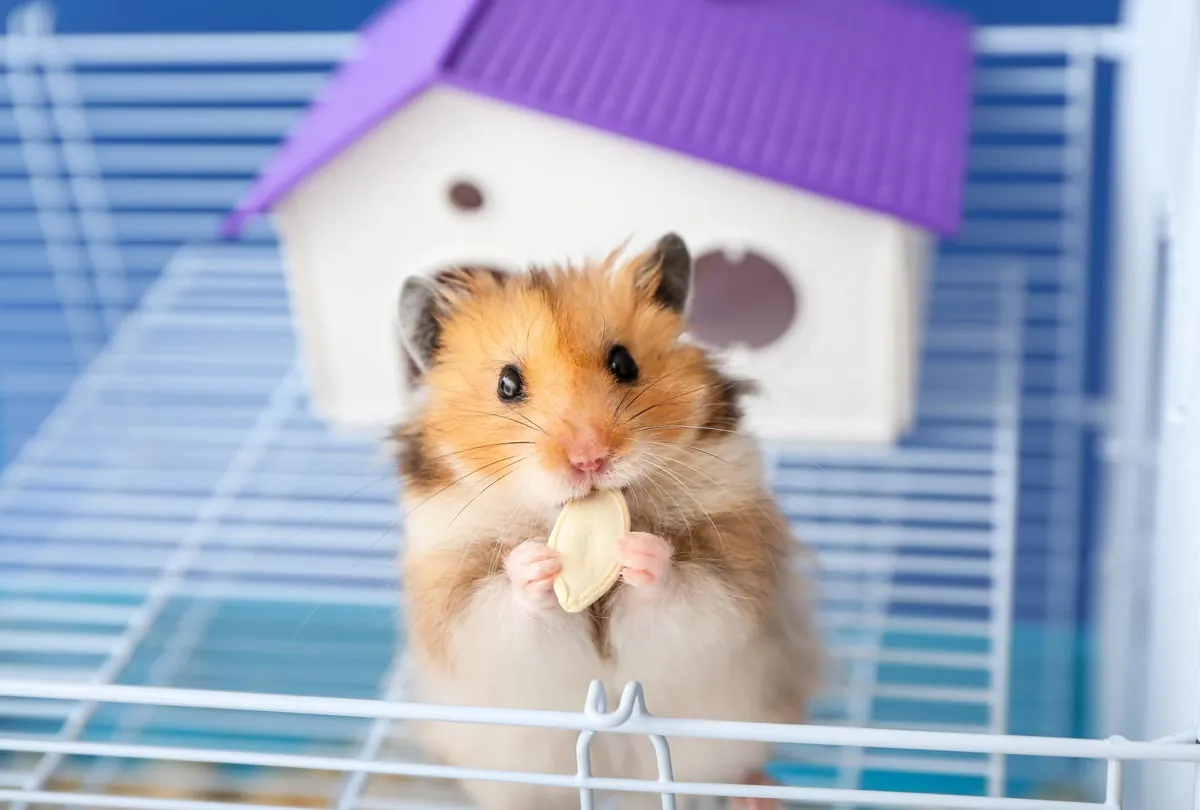
The primary reason for strong smells is the accumulation of waste in non-ventilated areas of the enclosure. Hamsters are creatures of habit and often choose a single corner of the cage to use as a bathroom. If this area isn’t spot-cleaned daily, the urine soaks into the bedding and reaches the plastic base. Over time, the plastic can absorb these odors, making them difficult to remove even after the bedding is replaced.
Another factor is the type of substrate used in the habitat. Certain wood shavings don’t absorb moisture well, which allows urine to pool at the bottom. Providing appropriate, absorbent bedding is essential for maintaining a sanitary environment. If the bedding is too shallow, the hamster can’t bury waste effectively, which leads to surface-level odors. Finally, rotting fresh food that’s stored in burrows will create a sharp, pungent scent that persists even after a routine cleaning.
Deep clean the enclosure weekly
A deep clean involves removing the hamster to a secure temporary carrier while you empty the entire cage. Discard all old bedding and use a mild, pet-safe soap or a vinegar-and-water solution to scrub the base and walls. Rinse the plastic thoroughly with plain water and ensure it’s completely dry before adding fresh substrate.
This process is for owners who use plastic or glass enclosures. If you have a wooden cage, you must be careful, as wood absorbs liquids and can harbor bacteria that cause long-term smells. If the wood is stained, it may need to be replaced. If you’re unsure if a cleaner is safe, check the product label for warnings about small animals; if a product contains harsh chemicals like bleach or ammonia, don’t use it near your pet.
Use a dedicated litter corner
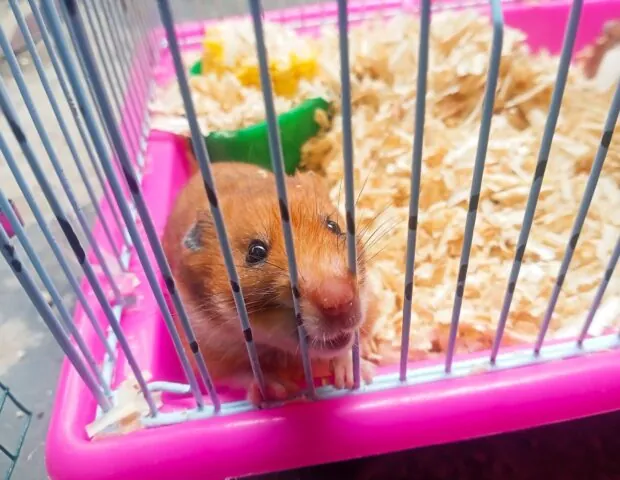
You can reduce the frequency of full cage cleans by training your hamster to use a small ceramic or plastic dish filled with paper-based litter. Place the litter tray in the specific corner where your hamster already urinates. Because this tray is separate from the rest of the bedding, you can scoop out the soiled litter as needed based on usage, following the recommendations in your owner’s manual, without disturbing the animal’s nest.
This method works best for hamsters that are already showing a preference for a specific bathroom spot. If your hamster continues to urinate in multiple areas, the tray won’t be effective. If the tray is too small, the hamster may refuse to use it. When buying a tray, ensure it’s large enough for the hamster to turn around inside easily. This keeps the main bedding area dry and significantly lowers the daily odor levels in the room.
Manage humidity and airflow
Proper ventilation is vital because stagnant air traps odors inside the cage. If your enclosure has a solid top or is placed in a small, enclosed room, moisture can’t escape, which speeds up the decomposition of organic waste. If the cage is in a high-humidity area, the bedding will stay damp for longer, leading to faster bacterial growth.
You should move the cage to a well-ventilated area away from direct sunlight or heavy drapes that block airflow. If you’re using a glass tank, consider switching to a wire-topped lid to improve air circulation.
If the smell persists despite these changes, the issue might be the hamster’s diet or health, in which case you should consult a veterinarian. This fix isn’t for those who keep their pets in small closets or windowless rooms, as those spaces require active air filtration to remain fresh.
Mistakes that make odors worse
Using scented bedding creates a chemical trap. These additives mask odors for an hour, but they irritate a hamster’s respiratory system, often triggering infections that lead to more pungent, sickly smells. Stick to unscented, paper-based substrates to ensure the air remains neutral.
Replacing all bedding daily is a common error that backfires. When you strip every trace of a hamster’s scent, the animal feels forced to re-mark its entire territory immediately. This frantic behavior causes the hamster to urinate more frequently to re-establish its perimeter. Instead, keep a small handful of clean, used bedding to mix back into the fresh batch.
Harsh cleaning agents like bleach or pine oil are toxic. These chemicals leave behind fumes that linger in small, poorly ventilated cages. If you smell a chemical sharpness, the cage isn’t clean; it’s dangerous. Use a solution of one part white vinegar to three parts water to neutralize odors safely.
The exercise wheel is the most overlooked culprit. Hamsters often urinate while running, coating the plastic or metal surface in a thin, drying layer of waste. If the wheel still smells after a quick wipe, it’s likely porous or cracked. Replace any plastic wheel that retains a scent after scrubbing, as bacteria have likely colonized the surface.
Keep the environment fresh
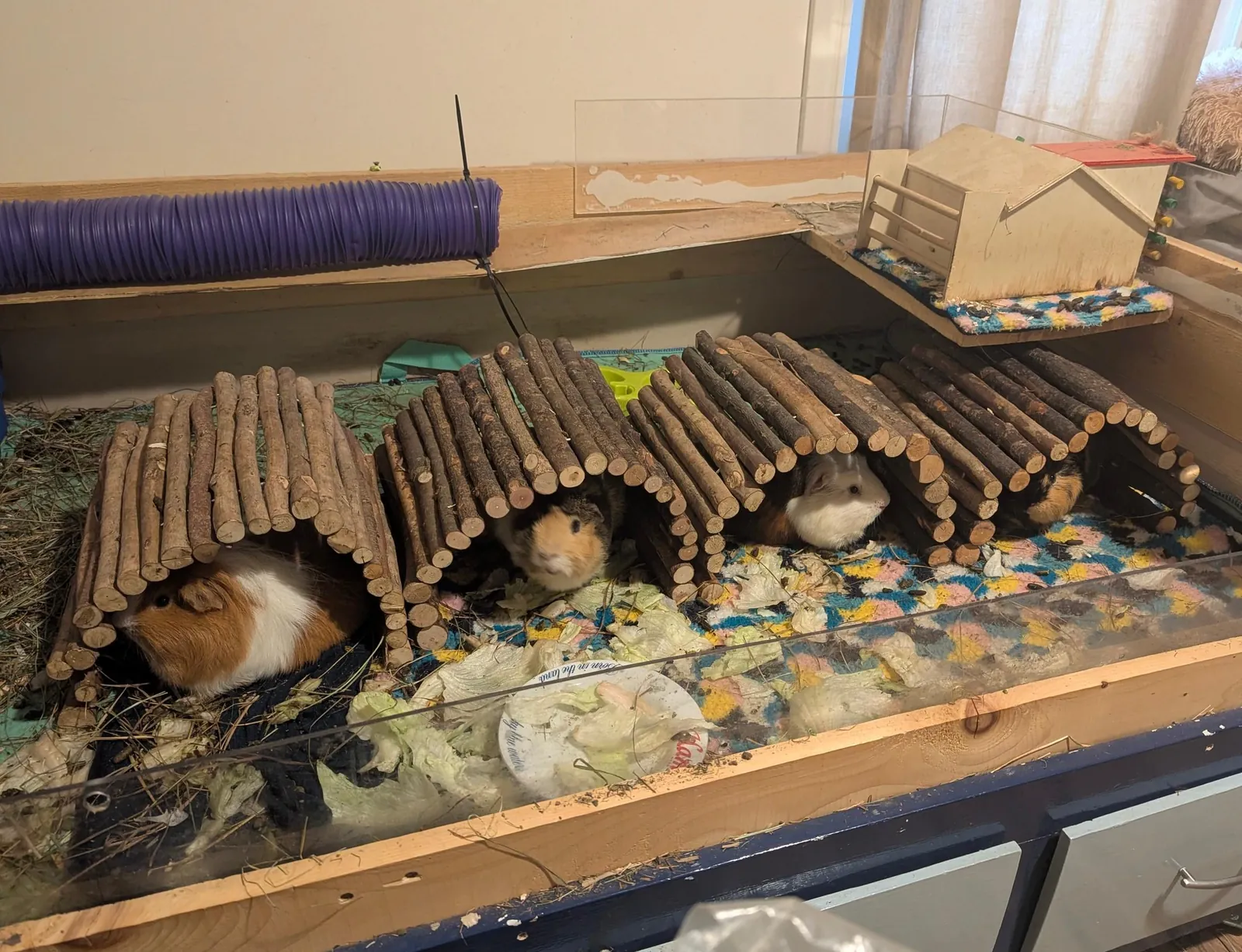
If you’re struggling with recurring smells, compare your current habits against these standard practices to find where the breakdown occurs.
| If you’re doing this | Do this instead | Why |
|---|---|---|
| Spot cleaning rarely | Scoop the bathroom corner daily | Prevents ammonia buildup |
| Using wood shavings | Switch to paper-based bedding | Higher moisture absorption |
| Washing with bleach | Use vinegar and water | Safer and removes odors |
| Leaving food in bowls | Feed only what is eaten | Prevents rotting in corners |
Related guides
Frequently asked questions
Can I use baking soda to remove odors?
No, you should never use baking soda inside the cage. While it absorbs odors, it’s a fine powder that can cause serious respiratory irritation if your hamster inhales it or gets it into their eyes. If you want to use it, sprinkle it only on the floor underneath the cage tray, ensuring there’s a solid barrier so the hamster can’t reach the powder directly.
How often should I wash the plastic wheel?
You should wipe the wheel down at least twice a week using a damp cloth. Hamsters often run through their own waste, and the wheel surface collects these particles quickly. If you notice a strong smell coming from the wheel, use a mild, pet-safe soap to clean it, but make sure to dry it completely before putting it back in the cage.
Is it safe to use air fresheners near the cage?
No, you should keep all plug-in air fresheners, candles, and sprays in a different room. Hamsters have very sensitive lungs, and the volatile organic compounds in these products can cause respiratory distress or allergic reactions. It’s much safer to focus on cleaning the source of the smell rather than trying to mask it with artificial scents in the air.
Why does the cage smell even after cleaning?
The smell often lingers because it has soaked into porous materials like wooden platforms, cardboard houses, or plastic corners. If you have deep-cleaned the base and the smell remains, remove all wooden items and check if they’re damp or stained. If they are, they need to be replaced, as you can’t fully sanitize wood that has been saturated with urine.
How long does a deep clean take?
A full deep clean usually takes 20 to 30 minutes, depending on the size of the cage and how much bedding you need to replace. This assumes you’re working with a standard cage size; if you have a multi-level enclosure with many tunnels and platforms, you should allow for 45 minutes to ensure every surface is wiped down and dried properly.
Conclusion
The most effective way to keep a hamster habitat smelling fresh is to maintain a consistent schedule of daily spot cleaning for the bathroom corner and a weekly full clean for the remaining bedding and accessories. By focusing on absorbent materials and proper ventilation, you create a healthier living space for your pet while keeping your home odor-free.